
Main Courses
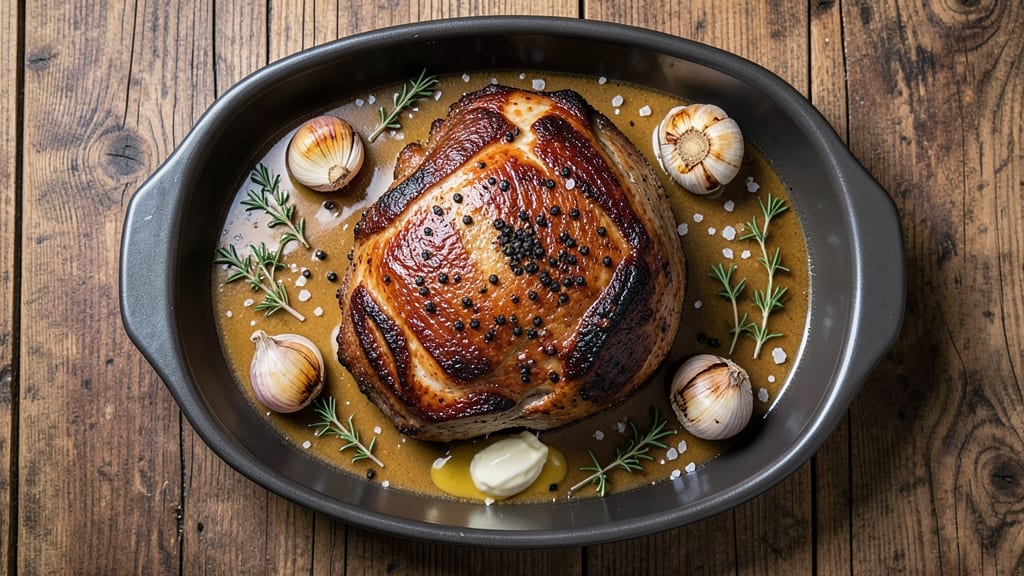
This Angus beef chuck eye roast recipe delivers melt-in-your-mouth tenderness with a golden, buttery crust that’ll have everyone at the table asking for seconds.
The chuck eye cut is a steakhouse favorite for its rich marbling and forgiving cooking window, making it perfect for special occasions or when you want to impress without stressing over timing.
The secret lies in the reverse sear technique: slow-roasting the beef to an internal temperature of 110°F before finishing with a high-heat sear. This ensures fall-off-the-bone tenderness while developing a flavorful, caramelized crust. A simple dry brine—just salt and time—enhances the beef’s natural richness without overwhelming its delicate flavor.
What you’ll end up with is a perfectly cooked roast that’s juicy, flavorful, and restaurant-quality at home. The crust will be crisp and golden, while the interior remains tender and buttery. Pair it with a bold red wine reduction or classic roasted vegetables to complete the meal.
Serve with crusty bread to soak up every last drop of the pan juices—this is the kind of dish that turns a simple dinner into an unforgettable experience. Let’s get started on mastering this cut.
Ingredients for angus beef chuck eye roast
Six ingredients transform this premium cut into a showstopper roast with golden crust and melt-in-your-mouth tenderness.
| Ingredient | Amount | Notes |
|---|---|---|
| Angus Beef Chuck Eye Roast 🥩 | 4 lb | Center-cut, rich marbling preferred |
| Kosher Salt 🧂 | 1 ½ tbsp | Diamond Crystal preferred for clarity |
| Black Peppercorns 🌶️ | 1 tbsp | Freshly cracked for intensity |
| Unsalted Butter 🧈 | ½ cup | Cold, cubed for crust formation |
| Fresh Thyme Leaves 🌿 | ¼ cup | Stems removed, loosely packed |
| Garlic Cloves 🧄 | 6 cloves | Smash lightly for aromatic oils |
| Extra-Virgin Olive Oil 🫒 | 2 tbsp | High-quality for basting |
| Red Wine 🍷 | ½ cup | Bold, dry variety like Cabernet |
| Fresh Rosemary 🌿 | ⅛ cup | Sprigs for aroma, stems removed |
| Crusty Bread 🍞 | 1 loaf | Baguette or sourdough for juices |
| Yellow Onion 🧅 | 1 whole | Thinly sliced for pan juices |
| Carrots 🥕 | 2 medium | Whole, peeled for roasting |
The Angus beef chuck eye is the star—look for a center-cut roast with generous marbling from a trusted butcher like Snake River Farms or your local specialty shop. Costco often carries excellent pre-trimmed roasts at a great price. The thyme and rosemary should be vibrant, not wilted—Whole Foods bulk bins are perfect for fresh herbs. For the red wine, any bold, dry variety works—Caymus Vineyards or Apothic are crowd-pleasers. The butter must be unsalted (trust me on this) and cold when cubed for that perfect crust.
No kosher salt? Diamond Crystal is ideal, but Morton works in a pinch—just use one-third more by volume. Running short on thyme? Fresh oregano at half the amount keeps things aromatic. The red wine can be swapped for beef broth with a splash of balsamic if you're avoiding alcohol. For the crusty bread, Trader Joe's has excellent baguettes, or toast your own sourdough for extra crunch. The onion and carrots can be baby vegetables if that's what's handy—no need to peel them unless you prefer.
The roast reheats beautifully—wrapped in foil at 275°F for 30 minutes keeps it juicy. Portion the crusty bread ahead of time so it stays crisp. The pan juices freeze well for up to 3 months—just reheat gently in a saucepan. Store the herbs wrapped in damp paper towels in the fridge for up to 5 days. For leftovers, slice the roast against the grain and serve with extra pan juices drizzled on top.
Why You'll Love This Recipe
- One-Pan Magic: I swear by this—just salt, pepper, butter, and thyme. No fancy gadgets, no last-minute grocery runs. The roast practically cooks itself while I chop veggies (or scroll through my phone guilt-free).
- Butter-Basted Bliss: That moment when the crust seals and the butter bastes into golden perfection? Chef’s kiss. The thyme leaves infuse the beef with an earthy richness that makes every bite feel like a hug from a steakhouse—without the markup.
- Leftovers That Beg: Slice the roast thin, toss with mashed potatoes or crusty bread, and suddenly you’ve got a week’s worth of lunches. Honestly, my coworkers started asking for "whatever that roast was" after I brought it in twice.
- Weeknight Hero: Between us, this is my go-to for game days, date nights, or when I’m too tired to think. Seared, roasted, and done in under an hour—no one suspects how little effort went into something that tastes this good.
Step-by-step instructions for perfectly roasted Angus beef chuck eye
This method transforms your roast into melt-in-your-mouth perfection with a rich, buttery crust.
Prepare the Roast for Maximum Flavor
Remove the 4 lb Angus Beef Chuck Eye Roast from the refrigerator and pat it completely dry with paper towels—this critical step ensures maximum crust development. Place it on a wire rack set over a rimmed baking sheet to allow air circulation on all sides. In a small bowl, combine the 1.5 tbsp kosher salt and 1 tbsp freshly cracked black peppercorns, then rub this mixture all over the roast, pressing firmly to create a flavorful crust. Let the seasoned roast sit at room temperature for 30 minutes while you prepare the aromatics.
Here's the thing—room temperature meat cooks more evenly, preventing cold spots that can lead to uneven doneness. While the roast rests, finely chop the 1 whole yellow onion and peel the 2 medium carrots, leaving them whole for roasting later. Smash the 6 garlic cloves lightly with the side of your knife to release their aromatic oils without making them into a paste.
Create the Herb Butter Crust
In a small bowl, mix together the 0.5 cup cold unsalted butter (leave it cubed for best results), 0.25 cup fresh thyme leaves, 0.125 cup fresh rosemary, and 2 tbsp extra-virgin olive oil. This herb butter will create the signature buttery crust that makes this roast exceptional. Spread this mixture evenly over the entire surface of the roast, pressing gently to adhere. The butter should melt slightly but not completely—this helps create that golden, flavorful crust.
Don't skip this step. The combination of butter and herbs infuses the meat with layers of flavor while creating a beautiful, crispy exterior. If you're worried about the butter melting too much, place the roast in the refrigerator for 15 minutes while you preheat the oven to 425°F. The cold butter will firm up again, ensuring it stays in place during roasting.
Roast to Perfect Medium-Rare Doneness
Place the roast in the preheated oven and roast for 20 minutes to develop that initial crust. After this initial sear, reduce the oven temperature to 325°F and continue roasting. This two-stage approach ensures a perfect crust while allowing the interior to cook evenly. The roast is done when its internal temperature reaches 130°F for medium-rare—use a meat thermometer inserted into the thickest part of the roast to check this.
Real talk: The internal temperature will rise about 5°F after you remove it from the oven, so pull it out when it hits 130°F. For reference, this typically takes 1 hour 15 minutes to 1 hour 30 minutes total cooking time, depending on your oven. If you prefer medium doneness, aim for 140°F internal temperature. Let the roast rest for 20 minutes before slicing—this resting period is crucial for redistributing the juices throughout the meat.
Prepare the Pan Sauce and Sides
While the roast rests, place the 2 medium carrots and sliced yellow onion in the same roasting pan. Deglaze the pan with the 0.5 cup red wine, scraping up all the browned bits from the bottom. Let this mixture simmer for 5 minutes until reduced by half. Stir in any accumulated juices from the roast and let the sauce thicken slightly. This pan sauce captures all the flavors from the roast and adds depth to your dish.
Toast the 1 loaf crusty bread lightly while the sauce simmers. Serve the sliced roast with the pan sauce drizzled over the top, accompanied by the roasted vegetables and warm bread. The contrast of the crispy crust, tender meat, and rich sauce creates a truly memorable dining experience. Each slice should be juicy, flavorful, and effortlessly tender—exactly what you're aiming for with this premium cut of beef.
Pro Tips For Making Angus Beef Chuck Eye Roast
- SEAR UNTIL BROWN: The chuck eye’s fat cap needs to render fast—get that pan screaming hot (medium-high heat) and leave it alone for 4-5 minutes per side. I used to flip too soon, and the crust stayed pale. Let the butter foam and bubble before touching it.
- SALT THE THYME: Toss those fresh thyme leaves in a pinch of kosher salt before tucking them under the butter packet. It brightens the herb’s flavor and prevents them from wilting into the pan juices. (Yes, even if you’re impatient like me.)
- USE A MEAT THERMOMETER: The chuck eye’s ideal temp is 130°F for medium-rare—pull it out before it hits 125°F, then let it rest. I learned this the hard way after slicing into a 120°F roast that was still tough. The carryover heat does the work.
- COLD BUTTER CRUST: Chill that unsalted butter for 20 minutes before slicing it into patties. Cold butter creates a golden, crackly crust when it melts against the hot meat—no more sad, greasy butter pools. (Your future self will thank you.)
Creative variations of angus beef chuck eye roast
Classic French Style
Transform your chuck eye into a bœuf bourguignon-inspired roast by adding 1 cup red wine, 1 lb pearl onions, and 1 lb mushrooms to the pan sauce. Deglaze with 1 cup dry red wine (like Cabernet Sauvignon) and simmer for 30 minutes until the sauce thickens.
Toss in 2 tbsp tomato paste and 1 tsp thyme for depth. Serve with mashed potatoes and crusty baguette for a cozy French bistro experience. 🍷
Smoky BBQ Twist
For a Southern-inspired version, swap the red wine for ½ cup BBQ sauce (like Sweet Baby Ray's) and add 1 tbsp smoked paprika to the herb butter. Smoke the roast for 1 hour at 225°F before finishing in the oven.
Top with crumbled blue cheese and pickled red onions for a tangy-sweet contrast. Serve with cornbread and collard greens for a full BBQ feast. 🔥
Italian Herb Crust
Infuse the herb butter with 2 tbsp fresh oregano, 1 tbsp fresh basil, and 1 tsp red pepper flakes for an Italian twist. After roasting, drizzle with 2 tbsp olive oil and sprinkle with grated Parmesan cheese.
Pair with roasted garlic mashed potatoes and sautéed spinach for a Tuscan-inspired meal. Finish with a squeeze of lemon for brightness. 🌿
Spicy Korean-Inspired
Add 1 tbsp gochujang (Korean chili paste) and 1 tbsp soy sauce to the pan sauce for a bold, spicy kick. Garnish the roast with thinly sliced scallions and sesame seeds before serving.
Serve with steamed jasmine rice and quick-pickled cucumbers for a refreshing contrast. This fusion version brings global flavors to your table. 🌶️
Reverse Sear Shortcut
For a quicker method, sear the roast in a cast-iron skillet over high heat for 4-5 minutes per side before finishing in the oven. Use the same herb butter and seasoning, but reduce oven time to 45 minutes at 325°F.
This technique works perfectly for weeknight dinners while still delivering that signature crust. 💡
Nutrition facts
Frequently asked questions
What makes the chuck eye cut different from other beef roasts?
The chuck eye is prized for its rich marbling and tender texture, making it more forgiving than leaner cuts like sirloin. Its natural fat distribution keeps it juicy even when cooked to medium-rare. Unlike tougher chuck roasts, this cut benefits from low-and-slow cooking followed by a high-heat sear for that perfect crust.
Can I substitute another cut of beef if I can't find chuck eye?
Yes, but choose wisely! Top sirloin roast or ribeye roast work well for similar flavor, though they may be slightly leaner. For maximum tenderness, opt for a center-cut roast with visible marbling. Avoid bottom round or flank—these cuts lack the fat needed for juicy results.
How do I know when the roast is properly rested?
Resting is critical—wait 20 minutes after removing from the oven. The internal temperature will rise 5-10°F during resting, so pull it out when it hits 130°F for medium-rare. Look for a juicy, slightly pink center when sliced. If you cut too soon, juices will pool on the plate instead of redistributing.
What's the best way to reheat leftovers?
Slice the roast against the grain and reheat in a 275°F oven for 15-20 minutes, wrapped in foil with a splash of beef broth. For quick reheating, use a skillet over medium-low heat with a little butter—just 3-4 minutes per side. Never microwave—it turns meat rubbery.
Can I make this roast ahead of time?
Cook the roast to 110°F (medium-rare), then refrigerate uncovered for 1-2 hours to dry the surface for better crust. Reheat to 130°F using the oven method above. For make-ahead sides, roast vegetables and toast bread separately—they reheat beautifully.