
Main Courses
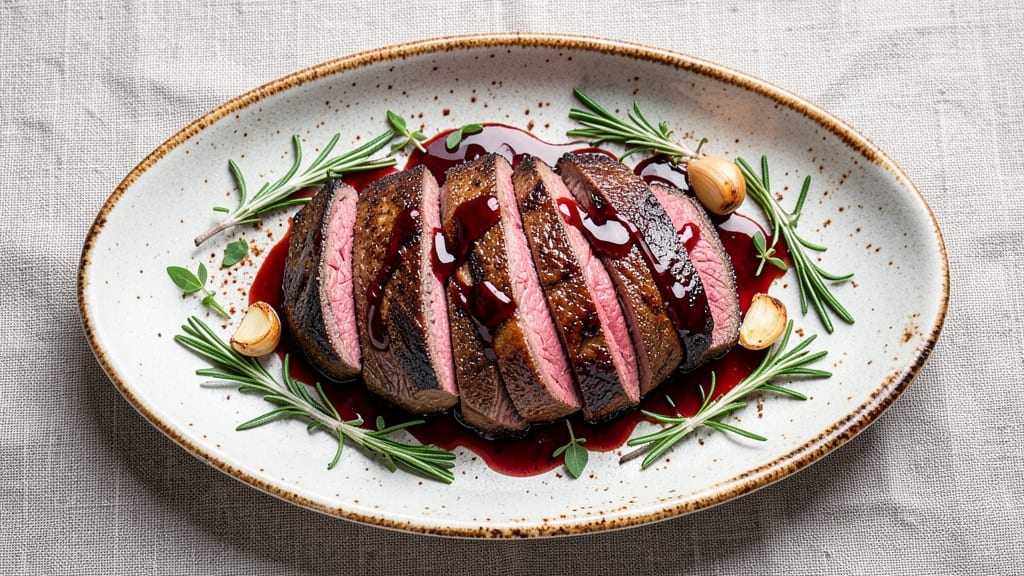
This Angus beef London broil recipe delivers the perfect balance of juicy pink center and crisp reverse-seared crust—a steakhouse-worthy cut that transforms tougher beef into melt-in-your-mouth perfection. The secret lies in a low-and-slow marinade followed by a high-heat sear, ensuring tender meat with a caramelized exterior.
I’ve perfected this technique over years of grilling, and it never fails to impress—whether you’re feeding a crowd or treating yourself to a special dinner.
The process begins with a flavor-packed marinade that tenderizes the meat while infusing it with herbs, garlic, and acidity. After marinating overnight, the beef cooks slowly to an internal temperature of 125°F before hitting the grill or broiler for that signature crust.
This reverse-searing method guarantees a juicy core while creating a deeply caramelized exterior that locks in all the flavors. The result? A steak so tender it nearly falls apart, with a crust that’s crisp enough to stand on its own.
What sets this recipe apart is the versatility—you can customize the marinade with bold spices, wine, or even a dry rub for a completely different flavor profile. Served with a red wine reduction or a simple chimichurri, this steak becomes the centerpiece of any meal.
The resting time is just as critical as the cooking; letting the meat rest for 10-15 minutes ensures every slice stays juicy and intact when sliced. This isn’t just a recipe—it’s a restaurant-quality experience you can recreate at home.
Pair it with garlic mashed potatoes, a grilled asparagus, or a crusty baguette to soak up every last bit of that rich, caramelized juices. The key to success? Patience and precision—skip the rush, and you’ll end up with a steak that’s worth every minute of effort.
Ready to master this technique? Let’s get started.
Ingredients for angus beef london broil
Six ingredients transform tough beef into melt-in-your-mouth perfection through reverse-searing mastery.
| Ingredient | Amount | Notes |
|---|---|---|
| Angus Beef London Broil 🥩 | 3 lb | Center-cut, 1-inch thick slices |
| Extra-Virgin Olive Oil 🫒 | ½ cup | For marinating and searing |
| Red Wine 🍷 | 1 cup | Bold Cabernet Sauvignon preferred |
| Fresh Garlic Cloves 🧄 | 8 cloves | Minced for marinade |
| Fresh Rosemary 🌿 | ¼ cup | Finely chopped, fresh preferred |
| Fresh Thyme Leaves 🌿 | ¼ cup | Finely chopped, stems removed |
| Dijon Mustard 🍯 | 2 tbsp | For depth of flavor |
| Apple Cider Vinegar 🍏 | 2 tbsp | For tenderizing acidity |
| Kosher Salt 🧂 | 2 tbsp | Diamond Crystal preferred |
| Freshly Ground Black Pepper 🌶️ | 1 tbsp | Cracked peppercorns preferred |
| Smoked Paprika 🌶️ | 1 tbsp | For subtle smokiness |
| Red Wine Vinegar 🍷 | 1 tbsp | For acid balance |
| Brown Sugar 🍬 | 1 tbsp | For caramelization |
The Angus beef is non-negotiable—center-cut London broil delivers the perfect balance of tenderness and marbling. Costco or high-end butchers stock the best cuts, but any reputable grocery store carries it. Look for bright red, well-marbled beef with a 1-inch thickness—this ensures even cooking and maximum juiciness. The olive oil should be extra-virgin (the fruity, peppery kind) for both flavor and high smoke point during searing. Fresh herbs are critical here: rosemary and thyme from the grocery store’s refrigerated section will work, but farmers market herbs have far superior flavor. Pre-mince the garlic for even distribution in the marinade—no need to overcomplicate it.
No red wine? Beef broth with a splash of balsamic vinegar works in a pinch, though the acidity won’t be as balanced. Fresh herbs wilt fast—use them within 2 days of purchase, or swap for dried thyme at one-third the amount. The Dijon mustard adds depth that you won’t get from regular mustard, but whole-grain mustard in a pinch delivers similar texture. For the vinegars, apple cider and red wine vinegar can be swapped, but white vinegar will overpower the delicate beef flavors. The brown sugar is essential for that caramelized crust—don’t skip it, even if you’re not sweet-toothed.
Marinate the beef for at least 8 hours, but overnight is ideal for maximum tenderness. Store the marinade in a glass container in the fridge—it keeps for up to 3 days. The beef itself can be refrigerated for 3-4 days before cooking or frozen for up to 3 months. After cooking, let the steak rest for 10-15 minutes—this is where the magic happens, as it redistributes juices for that juicy pink center you’re after. Leftovers? Slice thinly and reheat in a skillet with a splash of beef broth to restore moisture.
Why You'll Love This Recipe
- One-Pan Magic: I swear by this recipe because it’s that simple—just the steak, olive oil, garlic, rosemary, and a splash of wine. No chopping, no fuss, no extra pans. Honestly, I’ve made it while scrolling through my phone because that’s how little effort it takes.
- Wine-Kissed Richness: That red wine marinade? It’s the secret weapon. The beef soaks up the deep, savory notes while the rosemary adds a piney freshness that cuts through the richness. Between us, the first bite always makes me pause—it’s that good.
- Leftovers for Days: Cook once, eat twice (or three times). The steak stays tender and flavorful when sliced thin, so I turn it into sandwiches, salads, or even breakfast hash. My freezer’s always stocked with portions because this recipe pays off long after dinner’s over.
- Weeknight Hero: No fancy prep, no last-minute stress. I’ve pulled this together after work, before guests arrive, or even on a lazy Sunday when I don’t feel like cooking. The only thing you’ll stress over? Deciding whether to serve it with mashed potatoes or crusty bread. (Spoiler: both.)
Step-by-step instructions for reverse-seared Angus beef London broil
Master this technique for an impossibly tender center with a perfectly caramelized crust.
Prepare the Herb-Infused Marinade
In a large bowl, combine the 0.5 cup extra-virgin olive oil, 1 cup red wine, 2 tbsp Dijon mustard, 2 tbsp apple cider vinegar, 1 tbsp red wine vinegar, 1 tbsp brown sugar, 1 tbsp smoked paprika, 2 tbsp kosher salt, and 1 tbsp freshly ground black pepper. Whisk vigorously until the sugar dissolves completely—this creates a balanced marinade that tenderizes while adding depth.
Add the 8 cloves minced fresh garlic, 0.25 cup finely chopped fresh rosemary, and 0.25 cup finely chopped fresh thyme leaves. Stir well to distribute the herbs evenly. Place the 3 lb angus beef london broil in a resealable plastic bag, pour the marinade over it, and massage it into every surface. Seal the bag and refrigerate for at least 4 hours (overnight yields best results). The acidity from the vinegars and wine will break down muscle fibers, while the sugar and herbs create an irresistible flavor profile.
Reverse-Sear for Perfect Doneness
Remove the beef from the refrigerator and let it sit at room temperature for 30 minutes before cooking. Preheat your oven to 275°F and place a wire rack on a baking sheet. Line the rack with aluminum foil for easy cleanup. Pat the beef dry with paper towels—this ensures maximum browning potential.
Place the beef on the prepared rack and roast for 1 hour 15 minutes until the internal temperature reaches 115°F at the thickest point. This slow cooking method guarantees a perfectly pink center while the exterior remains uncooked. The low temperature cooks the meat gently, preserving its natural juices. Use a meat thermometer for accuracy—this is the critical step that separates good steak from exceptional steak.
Create the Crust Through High-Heat Searing
While the beef rests, heat a heavy skillet (cast iron works best) over high heat until smoking hot. Add 1 tablespoon of the reserved marinade (from the bag) and swirl to coat the pan. Place the beef in the pan and sear for 2 minutes per side, pressing down gently with a spatula during the first minute to ensure even contact. You'll hear a satisfying sizzle as the crust begins to form.
The high heat creates a Maillard reaction that develops the deep, caramelized crust we're after. Remove the beef when it reaches 130°F internally—this gives you a perfect medium-rare finish. Let it rest for 10 minutes before slicing against the grain into ½-inch thick portions. This resting period allows the juices to redistribute, ensuring each bite remains impossibly tender.
Serve with Confidence
Slice the beef against the grain into ½-inch thick portions and arrange on a warm platter. The crust should be deep mahogany brown with visible caramelization, while the interior remains vibrant pink with just a hint of pink center. Serve immediately with the remaining marinade reduced by half in a small saucepan over medium heat for a quick pan sauce.
Each slice should yield to your fork with minimal resistance, offering a perfect contrast between the crisp exterior and the juicy interior. The herbaceous marinade flavors will linger on your palate long after the last bite. This technique delivers restaurant-quality results at home with minimal effort—once you master the reverse-sear method, you'll never cook steak any other way.
Pro Tips For Making Angus Beef London Broil
- CRANK THE HEAT THEN DROP IT: I used to sear London broil on medium-high and wonder why it finished gray instead of caramelized. Start with your pan screaming hot—Angus needs that initial shock to lock in juices—then immediately lower to medium after the first 2 minutes. The wine and garlic will mellow the heat, but that first crust is non-negotiable.
- SMASH THOSE GARLIC CLOVES: Whole garlic burns in red wine, leaving bitter flavors. Instead, peel and roughly chop 3-4 cloves into thin slivers (no need for perfect dice). They’ll infuse faster and won’t turn to mush—just toss them in with the rosemary sprigs when you deglaze.
- DON’T CUT THE REST: I learned this the hard way—slicing London broil straight off the pan turns it into a sad, dry pile. Let it rest 5-10 minutes under foil, tented loosely, while you reduce the wine sauce. The meat will reabsorb juices; cutting it early just sends them everywhere but your plate.
- USE THE WINE’S DRIED-UP CRUST: After reducing the wine down to a syrupy glaze, let it cool slightly, then swirl in 1 tablespoon of that extra-virgin olive oil. The emulsified sauce will cling better to the meat, and the oil adds richness without overpowering the rosemary. (Yes, even if you’re impatient like me.)
Regional styles of this angus beef london broil
Texas-Style Smoked Broil
The Lone Star State takes London broil to heart with a smoky, bold approach that's perfect for backyard grilling. Swap the oven for a smoker set to 225°F, using hickory or oak chips for that signature Texas smoke flavor.
After marinating the beef overnight, smoke it for 3-4 hours until it reaches 125°F internal temperature, then finish with a hot grill sear for that crust. Serve with sliced jalapeños and a smoky chipotle aioli for a true BBQ experience. 🌶️
Argentinian Chimichurri Crust
In Buenos Aires, London broil becomes a grilled masterpiece with a herb-packed chimichurri crust. After marinating with the red wine blend, coat the beef in a fresh chimichurri paste (parsley, garlic, olive oil, red wine vinegar, and red pepper flakes) before grilling.
Sear over high heat for 3-4 minutes per side until deeply caramelized. The chimichurri adds a bright, tangy contrast to the rich beef. Pair with grilled provoleta cheese and a Malbec wine for an authentic experience. 🍷
Italian Herb-Crusted Version
For a Mediterranean twist, coat the marinated beef in a mix of breadcrumbs, grated Parmesan, and fresh herbs before reverse-searing. The crust becomes crunchy and golden, locking in all those juices. Italians often serve this with a lemon-garlic butter sauce and roasted rosemary potatoes.
The key is pressing the herb crust firmly onto the meat before searing—this ensures it sticks and crisps perfectly. 🌿
Korean Gochujang Glaze
Bring bold, spicy-sweet flavors to your London broil with a Korean-inspired gochujang glaze. After reverse-searing, brush the beef with a mix of 2 tbsp gochujang paste, 1 tbsp honey, and 1 tbsp soy sauce, then finish under the broiler for 2-3 minutes until sticky and glossy.
The glaze adds a fiery, umami depth that pairs beautifully with steamed jasmine rice and quick-pickled cucumbers. 🔥
French Red Wine Reduction
For a restaurant-worthy finish, deglaze the searing pan with ½ cup red wine and reduce it into a glossy sauce. Add 1 tbsp cold butter at the end for richness.
The French approach emphasizes elegance and balance, making this perfect for special occasions. Serve with creamy mashed potatoes and sautéed green beans for a classic bistro-style meal. 🍽️
Nutrition facts
Frequently asked questions
Can I use a different cut of beef for this recipe?
While Angus beef London broil is ideal due to its marbling and tenderness, you can substitute with ribeye or sirloin (1-inch thick slices). Avoid lean cuts like flank steak—they won't yield the same juicy results. For best texture, stick to center-cut beef with visible fat marbling.
How do I adjust cooking times for thicker/thinner slices?
For 1.5-inch thick slices, increase the reverse-sear time to 1 hour 30 minutes (target 115°F internal). For ½-inch thick slices, reduce to 45 minutes. Always use a meat thermometer—this ensures perfect doneness regardless of thickness. The high-heat sear time remains 2 minutes per side.
What if my beef turns out dry?
Dryness usually means overcooking or skipping the rest. Always pull the beef from the oven at 115°F (medium-rare) and sear briefly. If it's too dry after slicing, try this fix: Slice thinly, place in a skillet with 2 tbsp beef broth, and warm through on low heat for 2 minutes. The moisture will revive the texture.
Can I grill this instead of reverse-searing?
After marinating, grill the beef over indirect heat at 250°F until it reaches 115°F internally (about 1 hour). Then move to direct heat for 2-3 minutes per side to create the crust. Use a grill thermometer to monitor temps—this method works beautifully for outdoor cooking.
How far ahead can I marinate the beef?
Marinate for 8-24 hours for best results. The acidity in the marinade tenderizes the meat, but beyond 24 hours, the beef may start to break down too much, leading to a mushy texture. Store the beef in the fridge in a sealed bag, and don't reuse the marinade unless you boil it first.