
Tips
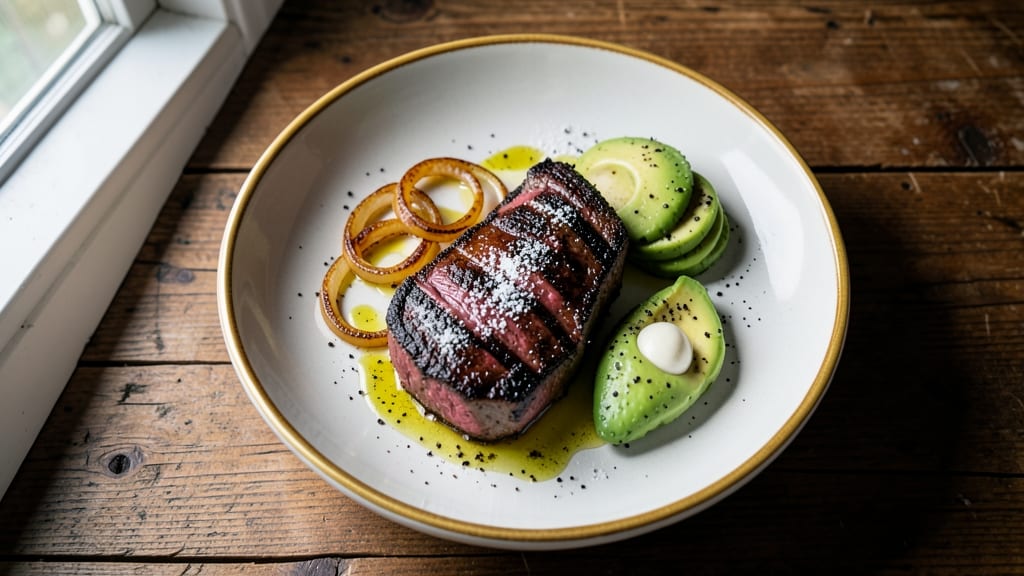
Angus beef sirloin tip steak delivers a perfect balance of tender interior and caramelized crust that transforms any dinner into a restaurant-worthy experience. The secret lies in high-heat searing followed by precise resting—techniques that elevate this affordable cut into something extraordinary.
I’ve perfected this method after years of testing, ensuring every bite delivers that buttery, melt-in-your-mouth texture with a crisp exterior that locks in juices.
What sets this recipe apart is the reverse-sear approach, where the steak starts in a low oven before finishing in a screaming-hot pan. This method guarantees consistent doneness without overcooking, even for thicker cuts.
You’ll only need simple pantry staples—high-quality oil, salt, and a cast-iron skillet—to achieve professional results at home. The key is patience: letting the steak rest after cooking ensures every slice stays juicy and flavorful.
By the time you serve this steak, you’ll have a golden-brown crust that shatters with each bite, revealing tender, marbled beef beneath. The technique is foolproof once you master the timing, and the results are worth the effort.
Whether you’re grilling for a special occasion or treating yourself to a weeknight upgrade, this method delivers restaurant-quality steak without the fuss.
Pair with roasted garlic mashed potatoes or a crisp salad to complete the meal. The beauty of this recipe is its adaptability—use it for dinner parties, date nights, or even a solo indulgence. Let’s get cooking!
Ingredients for angus beef sirloin tip steak
Simple, high-impact ingredients for restaurant-quality steak at home—just beef, oil, and patience.
| Ingredient | Amount | Notes |
|---|---|---|
| Angus Beef Sirloin Tip Steak 🥩 | 1 ½ lb | Thick-cut, 1.5-2 inches |
| Kosher Salt 🧂 | 1 ½ tbsp | Diamond Crystal preferred |
| Freshly Ground Black Pepper 🌶️ | 1 tsp | Coarsely ground |
| Avocado Oil 🫒 | ½ cup | High smoke point |
| Cornstarch 🌾 | 1 tbsp | For crust enhancement |
| Yellow Onion 🧅 | 1 whole | Thinly sliced, optional garnish |
| Fresh Rosemary 🌿 | ¼ cup | Chopped, for garnish |
| Fresh Thyme 🌿 | ⅛ cup | Leaves only, for garnish |
| Butter 🧈 | 2 tbsp | Unsalted, for finishing |
| Garlic Cloves 🧄 | 3 cloves | Minced, for butter compound |
| Flour 🌾 | 1 tbsp | All-purpose, for dredging |
| Cast-Iron Skillet 🍳 | 1 whole | Heavy, 10-12 inches |
The steak is everything here. Angus sirloin tip has perfect marbling for that buttery interior, but don't stress about the exact cut—any well-marbled sirloin or ribeye works. Costco or local butchers carry this cut pre-portioned, which saves time. Look for thick slices (1.5-2 inches) if you want that melt-in-your-mouth texture. The cornstarch isn't just for thickening—it creates that insane crust when seared. Bob's Red Mill cornstarch is my go-to, but any brand works. And yes, you need a cast-iron skillet—nothing else gives that perfect crust.
No cornstarch? Arrowroot powder at half the amount works in a pinch. Fresh herbs? Dried thyme at one-third the amount saves you a trip to the market. The butter compound can be made ahead—just keep it chilled until ready to use. Want extra flavor? Add a pinch of smoked paprika to the cornstarch mix. And if you're feeling fancy, truffle oil instead of avocado oil adds a gourmet touch (though it's pricey). The onions and herbs are purely for garnish—skip them if you're in a rush, but they make the plate look restaurant-worthy.
Steak stays best 2-3 days in the fridge, wrapped tightly in butcher paper. For longer storage, vacuum-seal and freeze for up to 6 months. Let it come to room temp before cooking—30-60 minutes is perfect. I always make extra butter compound and store it in a small jar in the fridge for 2 weeks. The cornstarch? Keep it airtight in your pantry—it lasts forever. And if you're prepping ahead, season the steak up to 24 hours early, but don't sear until ready to cook.
Why You'll Love This Recipe
- Five-Ingredient Magic: I swear, this recipe is one of those rare dishes where you only need five things—and still end up with something that feels restaurant-worthy. The sirloin tip’s natural richness pairs perfectly with just salt, pepper, and cornstarch, so you’re not drowning in spices or complicated steps.
- Crispy-Creamy Perfection: That cornstarch coating? It’s the secret weapon. One side gets a golden, shatteringly crisp crust while the inside stays juicy and tender—like biting into a perfectly seared steak every single time. (Yes, even on a Tuesday night.)
- Weeknight to Date Night: Between us, this steak is that versatile. Toss it on the grill for summer BBQs, sear it in a pan for a quick weeknight dinner, or even slice it thin for a fancy charcuterie board. It handles every occasion without breaking a sweat.
- Budget-Friendly Luxury: Honestly, sirloin tip is one of the best-kept beef secrets—it’s affordable but tastes like a high-end cut. A single steak stretches for leftovers (hello, fried rice or tacos), and you’re not sacrificing flavor for savings. Win-win.
Step-by-step instructions for pan-seared sirloin tip steak
Here's how to transform tough-cut sirloin tip into melt-in-your-mouth perfection with a crisp crust.
Prepare the Steak for Maximum Flavor
Pat the 1.5 lb angus beef sirloin tip steak completely dry with paper towels—this is non-negotiable for crust development. I like to work in a well-ventilated area because the cornstarch will create a cloud when heated. In a small bowl, combine the 1.5 tbsp kosher salt, 1 tsp freshly ground black pepper, and 1 tbsp cornstarch. Rub this mixture all over the steak, pressing firmly so it adheres to every surface. The cornstarch will create that signature crust while the salt and pepper penetrate deeply.
Let the steak sit at room temperature for 30 minutes before cooking. This ensures even cooking throughout—cold meat in a hot pan leads to uneven doneness. While it rests, preheat your cast-iron skillet over medium-high heat until it's screaming hot (you should see a thin layer of steam when you sprinkle water inside).
Sear to Golden Perfection
Add exactly 0.5 cup avocado oil to the preheated cast-iron skillet. The oil should shimmer but not smoke—if it's smoking too much, reduce the heat slightly. Place the steak in the skillet and press down gently with a metal spatula during the first minute to ensure even contact with the hot surface. This prevents curling and guarantees a perfect crust on all sides.
Sear for 4-5 minutes per side, depending on thickness, until you achieve deep golden-brown coloration. The steak should release easily from the pan when ready to flip—this is your visual cue. For medium-rare doneness, the internal temperature should reach 130-135°F when measured with an instant-read thermometer. If you don't have a thermometer, use the finger test: press gently on the steak with your finger—it should feel slightly soft in the center.
Create the Buttery Rosemary-Thyme Compound
While the steak rests, prepare the finishing compound. In a small saucepan, melt the 2 tbsp butter over low heat. Add the 3 minced garlic cloves and cook for 30 seconds until fragrant—don't let them brown or they'll turn bitter. Remove from heat and stir in the 0.25 cup chopped fresh rosemary and 0.125 cup fresh thyme leaves. Let this mixture steep for 2 minutes to infuse the flavors.
This aromatic compound will elevate your steak from good to extraordinary. The herbs add a bright, fresh contrast to the rich beef, while the butter creates a luxurious finish. Keep this mixture warm in a small bowl until ready to use—just enough time for the steak to rest properly.
Rest and Finish with Herb Butter
Transfer the seared steak to a cutting board and let it rest for 10-15 minutes. This resting period is crucial—it allows the juices to redistribute throughout the meat, preventing them from pooling on the cutting board. Tent loosely with foil to keep it warm during this time. The steak will rise about 5°F in temperature during resting, so plan accordingly if you're aiming for specific doneness.
After resting, slice the steak against the grain into ¼-inch thick pieces. Return the slices to the skillet (no need to clean it) and spoon the herb butter mixture over the top. Toss gently to coat each piece evenly. The residual heat in the skillet will melt the butter and create a glossy, flavorful finish. Garnish with thinly sliced yellow onion if desired—this adds a subtle sweetness that complements the rich beef.
Pro Tips For Making Angus Beef Sirloin Tip Steak
- PAT THE DRY: DESCRIPTION:
- SALT THE NIGHT BEFORE: DESCRIPTION:
- USE CORNSTARCH SMART: DESCRIPTION:
- LET IT REST COOL: DESCRIPTION:
Serving suggestions for leftovers
Classic Steakhouse Sides
Start with creamy garlic mashed potatoes—whip 2 lbs Yukon Gold potatoes with ½ cup sour cream, 4 tbsp butter, and 4 minced garlic cloves. The richness balances the steak’s bold flavor perfectly.
For a lighter option, try sautéed green beans with 1 tbsp lemon zest and toasted almonds. Both sides are crowd-pleasers that won’t overshadow your star dish. 🥔
Fresh Salad Contrast
A balsamic-glazed arugula salad adds vibrant freshness. Toss 5 cups baby arugula with 2 tbsp balsamic reduction, 1 tbsp olive oil, and ¼ cup shaved Parmesan. The peppery greens cut through the richness, while the tangy glaze keeps the palate clean.
For extra flair, add ¼ cup candied pecans—their sweetness pairs beautifully with the steak’s savory crust.
Garnish Like a Pro
Elevate your plate with thinly sliced yellow onion rings and a sprinkle of fresh rosemary. The onions add subtle sweetness when caramelized, while the rosemary’s piney aroma ties everything together.
For a final touch, drizzle with reduced red wine (simmer ½ cup dry red wine for 3 minutes)—just enough to add depth without overwhelming the steak’s natural flavor. ✨
Bread Basket Essentials
Serve crusty sourdough bread with herb butter for dipping. Mix ½ cup softened butter with 1 tbsp chopped parsley, 1 tsp garlic powder, and ½ tsp lemon zest. The bread soaks up the herb butter beautifully, and the crust provides a satisfying contrast to the tender steak.
Warm the bread in the oven for 5 minutes at 350°F for the perfect texture.
Dessert Pairings
End the meal with dark chocolate-dipped strawberries—the bitterness of 70% dark chocolate complements the steak’s richness. For a lighter option, try vanilla bean ice cream with a drizzle of honey and crushed pistachios. Both desserts provide a refreshing finish without clashing with the savory main course. 🍓
Nutrition facts
Frequently asked questions
Why does this recipe use cornstarch instead of flour for the crust?
The cornstarch creates a lighter, crispier crust that caramelizes beautifully when seared, unlike flour which can make the crust heavier. It also helps lock in juices during cooking. For a similar effect, you can substitute with arrowroot powder at half the amount, but cornstarch gives that signature restaurant-quality texture.
Can I cook this steak on the grill instead of in a pan?
For grilling, preheat to high heat (450°F+) and sear for 3-4 minutes per side for medium-rare. Use the same cornstarch rub and let it rest 10-15 minutes before serving. The herb butter can be added right on the grill plates for extra flavor. Just watch for flare-ups—keep a spray bottle handy for any hot spots.
What's the best way to reheat leftover sirloin tip steak?
Reheat slices in a skillet over medium-low heat for 1-2 minutes per side until warmed through. Add a splash of beef broth to keep them moist. Never microwave—it makes the meat rubbery. For larger pieces, bake at 300°F for 10-15 minutes wrapped in foil with a pat of butter. The cornstarch crust will stay crispy!
How do I adjust cooking time for thinner/thicker steaks?
For 1-inch thick steaks, reduce searing time to 2-3 minutes per side. For 2.5-inch cuts, sear 5-6 minutes per side and check internal temp with a thermometer. Always let thicker steaks rest 15-20 minutes—they need more time for juices to redistribute. A meat thermometer is your best friend here!
Can I make this recipe with a different cut of beef?
Yes! Any well-marbled cut like ribeye, strip steak, or even flank steak works. For leaner cuts (like flank), marinate for 4-6 hours first. The reverse-sear method works best for thicker cuts, but thin cuts can be cooked 1-2 minutes per side in a screaming-hot pan. The cornstarch technique elevates any beef cut to restaurant quality.