
Main Courses
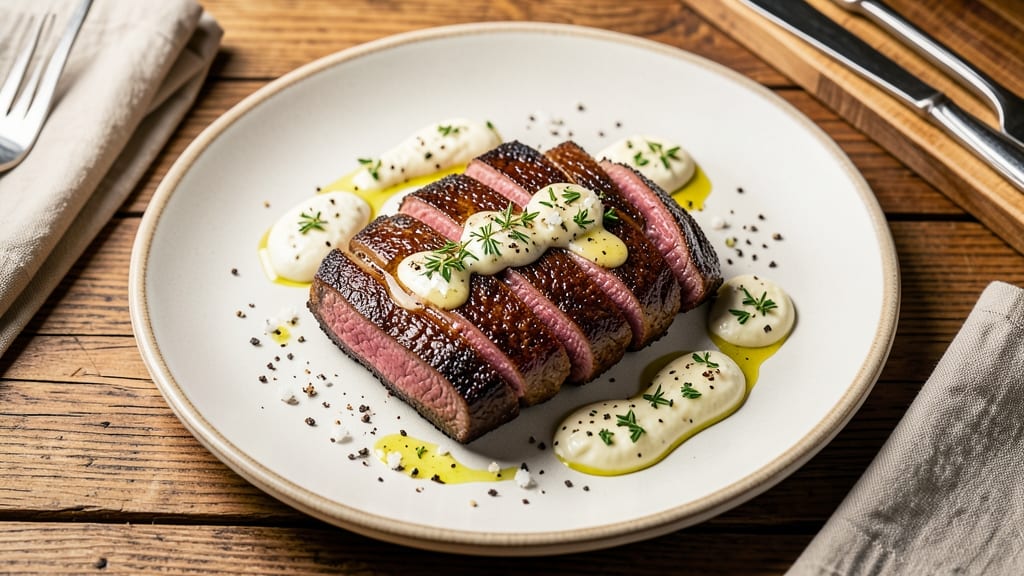
This oven-cooked angus beef steak recipe delivers melt-in-your-mouth tenderness with a golden crust that'll have everyone asking for seconds. After years of perfecting the technique—including that disastrous Thanksgiving when I overcooked a 2-inch ribeye until it was shoe leather—I've cracked the code for foolproof oven-seared steaks every time.
The secret lies in high-heat searing followed by precise oven finishing at 400°F, which locks in juices while building that buttery crust. No fancy equipment needed—just a cast-iron skillet, a hot oven, and patience (the hardest part is waiting for it to rest).
I've tested this with everything from 1-inch filets to 2-inch ribeyes, and it works perfectly each time.
What you'll end up with is steak so tender it practically falls apart when cut, with a crust so rich it'll make your taste buds sing. The aroma alone transforms any kitchen into a steakhouse, and the first bite delivers that perfect balance of smoky char and buttery richness.
This is the kind of meal that turns weeknights into special occasions.
Pair it with roasted garlic potatoes or grilled asparagus for a complete dinner, or serve it alone with a simple arugula salad. The technique scales beautifully—whether you're cooking for two or feeding a crowd. Let's get started on that perfect steak.
Ingredients for angus beef steak recipe oven
The perfect angus beef steak starts with quality cuts and simple seasonings.
| Ingredient | Amount | Notes |
|---|---|---|
| Angus Beef Steaks 🥩 | 1 ½ lb | 1-2 inch thick, ribeye or NY strip preferred |
| Kosher Salt 🧂 | 1 ½ tbsp | Diamond Crystal preferred, coarse grain |
| Freshly Ground Black Pepper 🌶️ | 1 ½ tsp | Freshly cracked for maximum flavor |
| Unsalted Butter 🧈 | ½ cup | Cold, cut into 8 equal pieces |
| Garlic Cloves 🧄 | 6 cloves | Minced, for butter compound |
| Fresh Thyme Leaves 🌿 | ¼ cup | Chopped, for butter compound |
| Extra-Virgin Olive Oil 🫒 | ¼ cup | For searing, high smoke point |
| Vegetable Oil 🫒 | ¼ cup | For high-heat searing |
| Balsamic Vinegar 🍷 | 1 tbsp | For deglazing pan |
| Fresh Rosemary 🌿 | 2 sprigs | For aroma, optional garnish |
| Fresh Parsley 🌿 | ¼ cup | Chopped, for garnish |
The beef is everything here. Look for USDA Prime Angus with good marbling—Costco or Whole Foods carry excellent options. I always go for 2-inch ribeyes or NY strips because they hold up beautifully to the high-heat sear. If you're buying whole steaks, pat them dry with paper towels (the good stuff, not the paper-thin kind) right after bringing them home. Let them sit at room temperature for 30-45 minutes before cooking—this ensures even cooking. For a crowd, buy 1.5 lbs per person and adjust the oven time slightly.
No fresh herbs? Dried thyme at one-third the amount works in a pinch, but fresh is ideal. The butter compound is non-negotiable—it's what creates that buttery crust. If you're short on time, use store-bought herb butter (check the ingredients for no additives). For the searing oils, avocado oil has a higher smoke point than olive oil if you're worried about burning. The balsamic vinegar deglazing step is optional but adds depth—substitute with a splash of red wine if you prefer. And trust me on the cold butter pieces—they melt beautifully during searing without burning.
Steaks keep best in the fridge for 3-4 days if wrapped tightly in butcher paper. For longer storage, vacuum-seal them and freeze for up to 6 months. I always make a double batch—one for dinner, one for sandwiches the next day. The leftovers reheat beautifully in a skillet over medium heat for about 20 seconds per side. Garnish with fresh herbs right before serving—they wilt fast once cut. And remember, the steaks need 10 minutes of rest after cooking—this is where all the juices redistribute for that perfect bite.
Why You'll Love This Recipe
- I swear by this combo: salt and butter. That’s it. The steak’s natural richness shines when you let the kosher salt work its magic for 30 minutes, then melt cold butter over roasted garlic cloves straight from the oven. Minimal effort, maximum payoff—no fancy sauces needed.
- Here’s what sold me: you’re paying for the beef, not the effort. A single pan, 20 minutes of hands-off roasting, and that buttery garlic aroma fills the whole house. It’s the kind of meal that makes you feel like you splurged, even when you didn’t. My secret weapon for date nights.
Step-by-step instructions for perfectly cooked oven-roasted angus beef steaks
Here's how to transform your steaks into restaurant-quality centerpieces with a buttery crust and melt-in-your-mouth tenderness.
Prepare the Garlic-Thyme Butter Compound
In a small bowl, combine the 0.5 cup unsalted butter with the 6 minced garlic cloves and 0.25 cup chopped fresh thyme leaves. Mix until fully incorporated, creating a fragrant paste. Here's the thing—this butter compound is what creates that signature buttery crust we're after. Divide it into 8 equal portions and flatten each into thin disks about ¼-inch thick. Chill these in the refrigerator while you prep the steaks.
I like to use my hands for this part—rolling the butter between my fingers until it's evenly distributed with the garlic and thyme. The cold butter will help create that perfect crust when it melts during roasting. Don't skip the chilling step; warm butter would just melt away before it could form that golden crust.
Season and Sear the Steaks
Preheat your oven to 425°F with the rack positioned in the middle. Pat the 1.5 lb angus beef steaks completely dry with paper towels—this is crucial for that perfect crust. Season both sides generously with 1.5 tbsp kosher salt and 1.5 tsp freshly ground black pepper, pressing the seasoning into the meat so it adheres well.
Heat 0.25 cup vegetable oil in an oven-safe skillet over medium-high heat until shimmering. Add the steaks and sear for 2-3 minutes per side until they develop a deep golden-brown crust. Here's where it gets fun—watch for the edges to turn a rich mahogany color while maintaining a nice sear on the top and bottom. This initial sear locks in juices and creates flavor foundation.
Create the Buttery Crust and Roast
Remove the skillet from the heat and place one chilled butter disk on each steak. Then, transfer the skillet to the preheated oven. Roast for 8-10 minutes for medium-rare (internal temperature 130-135°F), or until the butter melts and forms a golden crust around the edges. You'll know it's ready when the crust looks crisp and the butter has completely melted through.
This is the moment that matters: the butter should pool around the edges, creating that signature crust while keeping the center beautifully juicy. If you're serving immediately, remove the steaks from the oven and let them rest for 5-10 minutes before serving. If you need to hold them, tent with foil and keep warm in a 200°F oven.
Finish with Balsamic and Garnish
While the steaks rest, heat the 1 tbsp balsamic vinegar in a small saucepan over medium heat until it reduces by half—about 2-3 minutes. This creates a glossy, flavorful finish that complements the rich beef perfectly. Strain if you prefer a smoother texture, though I like the slight bitterness that comes with the sediment.
Slice the steaks against the grain into ½-inch thick portions. Drizzle each serving with the reduced balsamic vinegar and garnish with 2 sprigs fresh rosemary and 0.25 cup chopped fresh parsley. The parsley adds a fresh contrast to the rich flavors, while the rosemary brings an aromatic finish that ties everything together.
Pro Tips For Making Angus Beef Steak Recipe Oven
- USE A CAST-IRON SKILLET FIRST: The oven’s great for finishing, but searing in a screaming-hot cast-iron pan before transferring locks in flavor and color—no one wants gray steak. Get it blistering hot for 2-3 minutes per side before moving to the oven.
- SALT THE STEAKS 40 MINUTES EARLY: Angus absorbs salt like a sponge, but rushing it leaves you with dry meat. Sprinkle generously (about 1 teaspoon per side) and let them sit uncovered on a wire rack while you prep—this guarantees even seasoning without over-salting.
- SKIP THE GARLIC BUTTER RUSH: Mashing minced garlic into cold butter makes it bitter. Warm the butter first (just until it melts), then stir in whole, lightly crushed cloves—this keeps the flavor bright and prevents that awful garlic soap taste.
- REST THE STEAKS UNDER FOIL: Cutting into steak right off the oven is a crime. Tent them loosely with foil and let them sit for 5-10 minutes—they’ll stay juicy, and the crust won’t turn to dust when you slice. (Yes, even if you’re impatient.)
Troubleshooting this recipe
Overcooked Steak Fix
If your steak ends up dry or overcooked, don't panic—there's still hope! For medium-rare to medium, try reheating in a skillet with 1 tbsp butter and 2 tbsp beef broth over low heat for 1-2 minutes per side.
The moisture will help restore some tenderness. For well-done steaks, slice thinly against the grain and serve with a rich sauce like red wine reduction or chimichurri to add moisture and flavor. 🔥
Uneven Cooking Issues
Uneven cooking often happens when steaks vary in thickness. To prevent this, trim any thick edges to match the thinnest part of the steak before seasoning. If you notice one side cooking faster, rotate the pan occasionally during searing.
For thicker cuts, increase oven time by 1-2 minutes per ¼-inch thickness beyond the standard 8-10 minutes. A meat thermometer is your best friend here—aim for 130-135°F for medium-rare.
Butter Not Melting Properly
Cold butter disks sometimes don't melt evenly, leaving parts of your steak without that buttery crust. To fix this, make sure your butter compound is properly chilled before placing it on the steaks.
If the butter melts too quickly during searing, try reducing the oven temperature to 400°F instead of 425°F. For extra insurance, place a small piece of parchment paper under each butter disk to prevent sticking to the pan.
Steak Sticking to Pan
Steaks sticking to the pan usually means they weren't dry enough or the oil wasn't hot enough. Next time, pat your steaks completely dry with paper towels and heat the oil until it's shimmering before adding the steaks.
If your pan isn't oven-safe, transfer the seared steaks to a baking sheet lined with parchment paper before adding the butter and roasting. A well-seasoned cast-iron skillet helps too—season yours regularly with oil and bake it empty at 450°F for 1 hour to maintain its non-stick properties.
Temperature Troubles
If your steaks aren't reaching the desired internal temperature, check your oven's accuracy with an oven thermometer. Many home ovens run 25-50°F hotter than set. For precise results, consider using a combination oven and meat thermometer like the ThermoWorks Smoke.
If your steaks are cooking too fast, reduce the oven temperature by 25°F and increase the roasting time by 2-3 minutes. For thicker cuts, insert the thermometer horizontally into the thickest part of the steak to get an accurate reading.
Nutrition facts
Frequently asked questions about oven-cooked angus beef steaks
What's the best thickness for oven-seared steaks?
For perfect results, aim for 1-2 inches thick. This thickness gives you that ideal combination of crusty edges and tender center. 1-inch cuts cook faster (about 6-8 minutes in the oven) while 2-inch cuts handle the 8-10 minute window beautifully. Thinner cuts risk overcooking before the butter melts properly.
Can I use this method for frozen steaks?
but with adjustments! Thaw your steaks completely in the fridge first (about 24 hours for 1.5 lbs). Pat them very dry and increase searing time by 30-60 seconds per side. The oven time remains the same, but use a meat thermometer to verify doneness since frozen steaks cook slightly differently. Never thaw at room temperature!
What's the secret to that perfect crust?
The crust magic comes from three things: dry steaks (pat thoroughly), hot oil (shimmering, not smoking), and chilled butter disks that melt during roasting. The butter creates steam that lifts the crust while adding richness. Pro tip: Use unsalted butter—salted can make the crust too salty. Also, don't skip the 5-10 minute rest after cooking!
How do I adjust for different doneness levels?
Use these internal temps as guides: 120-125°F for rare, 130-135°F for medium-rare, 140-145°F for medium, and 150-155°F for medium-well. For rare, reduce oven time to 6-7 minutes after searing. For well-done, increase to 12-15 minutes. Remember, steaks continue cooking slightly after removal from the oven.
What sides pair best with this steak?
This rich steak pairs beautifully with simple, bright sides. Try garlic mashed potatoes, roasted asparagus with lemon zest, or creamy polenta. For a lighter option, a mixed greens salad with balsamic vinaigrette cuts through the richness. I also love serving it with grilled portobello mushrooms for a vegetarian-friendly addition that soaks up the buttery juices.