
Main Courses
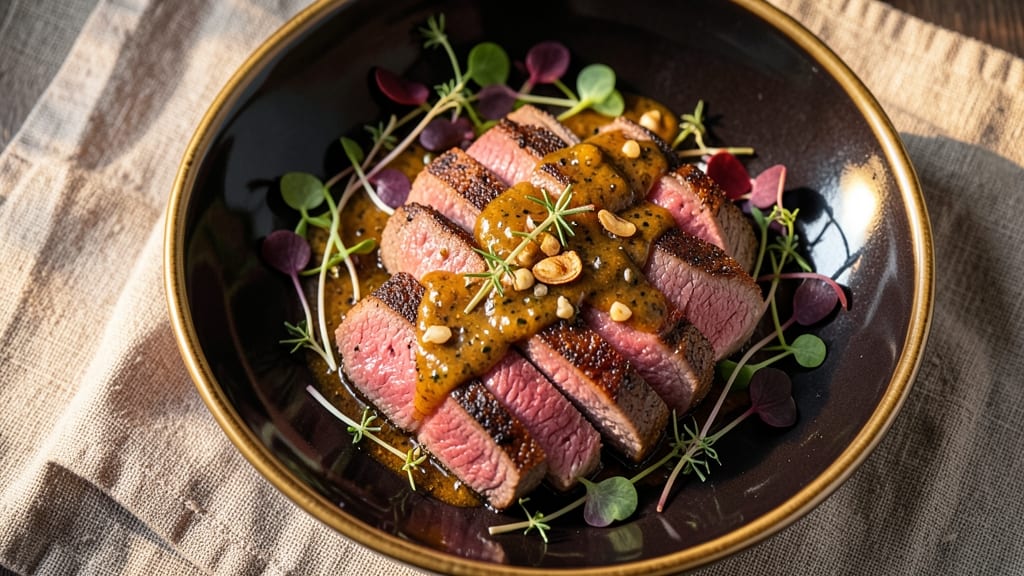
Angus beef tenderloin recipe delivers melt-in-your-mouth tenderness with a sophisticated herb crust that elevates any dinner table. The secret lies in precise temperature control and a dry-brine technique that transforms tough cuts into luxurious, juicy perfection. This isn't just meat—it's a centerpiece that commands attention and delivers restaurant-quality results at home.
What sets this method apart is the 45-minute timeline that includes a 12-hour dry brine—a game-changer for texture and flavor development. The herb crust, made with Dijon mustard and fresh rosemary, creates a fragrant bark while keeping the interior perfectly tender.
We're talking medium-rare with a pink center that practically melts when cut, not the dry, overcooked steak you might find elsewhere.
By the time you serve this, every bite will be buttery and rich, with the herb crust adding aromatic depth that pairs beautifully with red wine reductions or roasted garlic mashed potatoes.
The resting time is just as critical as the cooking—this ensures all those juices redistribute, guaranteeing a steak that's impossible to resist.
Perfect for special occasions or when you want to impress guests without spending hours in the kitchen. The key is patience and precision—two things that pay off in every forkful. Let's get started on creating your most impressive steak yet.
Ingredients for angus beef tenderloin
The secret to restaurant-quality Angus beef tenderloin lies in these carefully chosen ingredients—each playing a role in that melt-in-your-mouth perfection.
| Ingredient | Amount | Notes |
|---|---|---|
| Angus Beef Tenderloin 🥩 | 2 lb | Center-cut, trimmed of silver skin |
| Kosher Salt 🧂 | 1 ½ tbsp | Diamond Crystal preferred |
| Fresh Black Peppercorns 🌶️ | 1 ½ tbsp | Cracked coarsely |
| Dijon Mustard 🍯 | 2 tbsp | High-quality, smooth variety |
| Fresh Rosemary 🌿 | ¼ cup | Finely chopped, stems removed |
| Fresh Thyme 🌿 | ¼ cup | Leaves only, finely chopped |
| Extra-Virgin Olive Oil 🫒 | 2 tbsp | For crust and searing |
| Unsalted Butter 🧈 | 4 tbsp | Cold, cubed |
| Garlic Cloves 🧄 | 4 cloves | Minced, for herb crust |
| Red Wine Reduction 🍷 | ½ cup | Homemade or quality store-bought |
| Fresh Parsley 🌿 | ⅛ cup | Chopped, for garnish |
The beef is non-negotiable here. Angus tenderloin from USDA Prime or Choice cuts delivers the marbling you need for that buttery texture. I always buy mine from Whole Foods or local butchers—they know their cuts. Look for a piece with good marbling and a vibrant red color. The 2-pound center-cut is ideal for four servings, but if you're feeding more, scale up. Trim the silver skin yourself—it's tough and doesn't belong on your plate. For the dry brine, use Diamond Crystal kosher salt (it dissolves better than table salt).
No fresh rosemary? Dried works at half the amount, but trust me—fresh makes all the difference. The Dijon mustard should be smooth, not grainy. Amoy or Maille are my go-tos. For the red wine reduction, homemade is ideal (simmer 1 cup red wine + 1 tbsp butter until reduced by half), but Cavallero or Buitoni store-bought versions save time. The butter for the crust needs to be cold and cubed—don't skip this. If you're short on time, microwave it 20 seconds to soften slightly before mixing. The garlic can be pre-minced from a jar if you're in a rush, but fresh is always better.
This steak deserves patience. After cooking, let it rest 10-15 minutes before slicing—this is where the magic happens. The herb crust keeps for 2 days in the fridge, but the beef is best served fresh. If you're prepping ahead, brine the steak 12 hours ahead and refrigerate uncovered on a wire rack. The red wine reduction can be made 3 days ahead and reheated gently. For serving, slice against the grain for maximum tenderness—about 1-inch thick slices work perfectly.
Why You'll Love This Recipe
- Foolproof Prep: This recipe takes all the guesswork out of cooking tenderloin. Just season the beef with salt and pepper, slap on a rosemary-Dijon crust, and let the oven do the heavy lifting—no basting, no flipping, no stress. I’ve made it three times now, and every time, the result is the same: perfect, juicy slices with minimal effort.
- Herb-Infused Magic: That rosemary-Dijon rub? It’s the secret weapon. The mustard adds a bright, tangy kick while the fresh rosemary brings an earthy aroma that sticks to every bite—like a fancy steakhouse flavor without the fuss. Honestly, the first time I tasted it, I thought, "Why didn’t I do this sooner?"
- Weeknight to Dinner Party: Same recipe, different vibes. Whip it up for a lazy Tuesday night with crusty bread, or dress it up with a red wine reduction for your in-laws’ holiday dinner. The tenderloin’s natural elegance means it works for both—no last-minute scrambling for sides.
- Leftovers That Don’t Suck: Most beef recipes leave you with sad, dry seconds, but not this one. The crust keeps it moist, and the slices reheat beautifully—whether you’re tossing them into salads the next day or serving them cold on toast. Between us, this is the only beef dish I’ll actually make extra of.
Step-by-step instructions for herb-crusted Angus beef tenderloin
Here's how to transform your 2 lb Angus Beef Tenderloin into a showstopping centerpiece with perfect tenderness and aromatic herb crust.
Prepare the Herb Crust Mixture
In a small mixing bowl, combine the 0.25 cup Fresh Rosemary and 0.25 cup Fresh Thyme with the 2 tbsp Dijon Mustard, 2 tbsp Extra-Virgin Olive Oil, and 4 cloves Garlic Cloves that have been minced. Use your fingers to gently work the mixture until it forms a coarse paste with visible herb flecks. This ensures even distribution when we coat the tenderloin later.
The Dijon mustard acts as a binder, helping the herb crust adhere beautifully while adding subtle depth. I like to press the mixture firmly against the meat to create that perfect crust. Save any leftover herb mixture—it makes excellent garnish for the finished dish.
Season and Crust the Tenderloin
Pat the 2 lb Angus Beef Tenderloin completely dry with paper towels—this is crucial for developing that golden crust. Generously sprinkle 1.5 tbsp Kosher Salt and 1.5 tbsp Fresh Black Peppercorns over all sides, pressing gently to ensure even coverage. Then, using your hands, coat the entire surface with the herb mixture, pressing firmly so it adheres completely.
Let the prepared tenderloin sit at room temperature for 30 minutes while you preheat your oven to 425°F. This resting period ensures even cooking and helps the crust form properly. Real talk: Don't skip this step—it makes all the difference in texture and flavor development.
Sear for Color and Flavor
Heat a large oven-safe skillet over medium-high heat until very hot. Add the 4 tbsp Unsalted Butter and let it melt and foam. Place the tenderloin in the skillet and sear on all sides for 2-3 minutes per side until it develops a deep golden-brown crust. This step creates that beautiful caramelized exterior while locking in juices.
I press down gently on the tenderloin during the first minute to prevent curling. You'll know it's ready to flip when you see that gorgeous golden crust forming. The butter will foam vigorously—this is normal and indicates proper heat. Transfer the skillet to your preheated oven.
Roast to Perfect Medium-Rare
Roast the tenderloin in the preheated oven for 15-18 minutes for medium-rare doneness (internal temperature 125-130°F). The herb crust will become fragrant and deeply aromatic as it roasts. Here's the thing—your oven might run hot, so start checking at the 15-minute mark using a meat thermometer inserted into the thickest part.
When the tenderloin reaches the desired temperature, remove it from the oven and let it rest for 10-15 minutes before slicing. This resting period is absolutely critical—it allows the juices to redistribute throughout the meat, ensuring each slice remains tender and moist. Don't skip this (I learned the hard way).
Create the Rose-Garden Finish
While the tenderloin rests, heat the 0.5 cup Red Wine Reduction in a small saucepan over medium heat until just warmed through. Pour this elegant sauce over the sliced tenderloin just before serving. Garnish each serving with a sprinkle of 0.125 cup Fresh Parsley for that final touch of freshness and visual appeal.
The combination of the herb crust, rich red wine reduction, and fresh parsley creates a restaurant-quality presentation that's surprisingly simple to achieve. Slice the tenderloin into ½-inch thick medallions and serve immediately with your choice of sides—roasted vegetables or a crisp green salad pair beautifully.
Pro Tips For Making Angus Beef Tenderloin
- SEAR HOT AND FAST: Get that pan screaming hot—like, blue-flame-hot—before adding the tenderloin. I used to linger, and the meat would steam instead of develop that crust. A 2-3 minute sear per side with a heavy pan (cast iron, duh) locks in juices while building flavor. And no, "medium-high" isn’t hot enough.
- BRINE THE NIGHT BEFORE: Toss the tenderloin in a 5% saltwater brine (1/4 cup kosher salt per quart of water) for 6-12 hours. Sounds weird, but it works: the salt penetrates deeper than dry rubs, and the rosemary stays vibrant longer. Skip this, and you’re fighting for moisture with a butter baste.
- DON’T PUNCH THE MEAT: I learned this the hard way—stabbing the tenderloin to check temp with a fork turns it into a colander. Use a meat thermometer (insert sideways near the thickest part) and resist the urge to prod. A perfect tenderloin hits 125°F (medium-rare) without help.
- ROAST WITH ROSEMARY SPRIGS: Instead of chopping rosemary, tie 3-4 fresh sprigs around the tenderloin with butcher’s twine before roasting. The heat releases their oils directly onto the meat—no mincing, no waste. Upgrade: Add a splash of Dijon mustard to the twine for extra stickiness (and flavor glue).
Storing and reheating this angus beef tenderloin
Refrigerator Storage
Store leftover tenderloin in an airtight container for up to 3 days—this keeps the herb crust intact and prevents drying. I wrap mine tightly in plastic wrap first, then place in a container with a tight-sealing lid.
The key is to refrigerate within 2 hours of cooking to maintain safety and texture. For reheating, I recommend using the stovetop method to preserve that perfect crust. 🌡️
Freezer Storage
For longer storage, freeze cooked tenderloin for up to 3 months using vacuum-sealed bags or heavy-duty freezer wrap. I always label the bag with the date and "medium-rare" to remind myself of the original doneness.
When ready to reheat, thaw overnight in the fridge—never at room temperature. The herb crust holds up surprisingly well after freezing, though it may lose some crispness. 🧊
Stovetop Reheating
This is my go-to method for reheating tenderloin. Slice the chilled meat into ½-inch medallions, then warm in a skillet over medium-low heat with 1 tbsp butter and 1 tbsp red wine reduction for 2-3 minutes per side.
The butter and sauce help restore moisture and recreate that restaurant-quality finish. Keep the heat low to avoid drying out the meat. ✨
Oven Reheating
For larger portions, reheat in a 350°F oven on a wire rack set over a baking sheet. Cover loosely with foil and heat for 10-12 minutes, then uncover for the last 2 minutes to crisp any softened crust.
This method works best for whole tenderloins rather than slices. I often use this when serving a crowd and want to keep everything cohesive. 🔥
Microwave Caution
While convenient, microwaving tenderloin can make the herb crust soggy. If you must use this method, cover the meat with a damp paper towel and heat on 50% power for 1-2 minute intervals, stirring between each.
Add a splash of beef broth if the meat looks dry. This isn't my preferred method, but it works in a pinch when time is tight. ⏰
Serving After Reheating
Always finish reheated tenderloin with a fresh red wine reduction drizzle and chopped parsley to revive the flavors. Serve immediately with sides like roasted asparagus or creamy mashed potatoes to complement the rich beef.
The herb crust benefits from this final touch—it reminds me of that first bite at a fine-dining restaurant. 💫
Nutrition facts
Frequently asked questions
What's the best way to trim silver skin from Angus beef tenderloin?
Use a sharp knife to gently slide under the thin, silvery membrane along the edges. Pull it away from the meat in one continuous motion—don't cut into the tenderloin itself. This preserves the juicy interior while removing the tough connective tissue. A small paring knife works best for precision.
Can I cook this recipe without a meat thermometer?
While challenging, you can estimate doneness by touch: medium-rare feels slightly soft in the center (like pressing your thumb and forefinger together). For a 2 lb tenderloin, remove it from the oven when the external temperature reaches 125°F—this typically corresponds to 125-130°F internally. Always err on the side of undercooking slightly.
How do I adjust the recipe for a larger tenderloin?
Scale the herb crust ingredients proportionally (use 1 tbsp herb mixture per pound of meat). Increase oven time by 3-5 minutes per pound for thicker cuts, but always check with a thermometer. For example, a 4 lb tenderloin would need 20-24 minutes at 425°F. The resting time remains 10-15 minutes regardless of size.
Why did my herb crust fall off during cooking?
This usually happens when the meat isn't properly dried before seasoning or the herb mixture isn't pressed firmly enough. Pat the tenderloin completely dry with paper towels, and press the herb crust mixture onto the meat with your hands—think of it like making a sandwich! Also ensure the skillet is hot enough before searing.
What sides pair best with this herb-crusted tenderloin?
For a classic presentation, try creamy garlic mashed potatoes or roasted baby potatoes with rosemary. A crisp green salad with a balsamic vinaigrette balances the richness, while grilled asparagus or sautéed mushrooms add earthy contrast. The red wine reduction also pairs beautifully with polenta or crusty bread.