
Main Courses
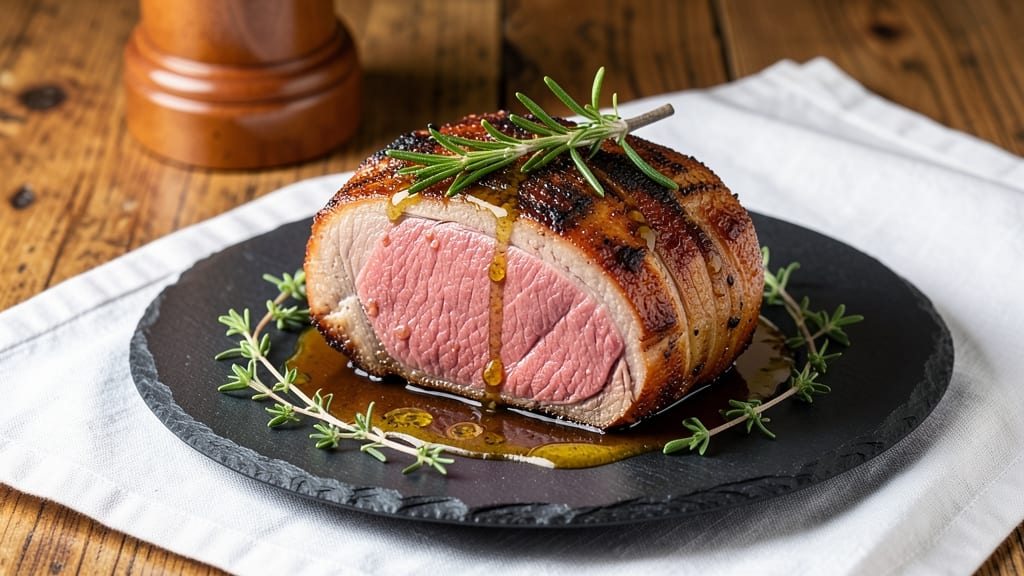
This Angus beef tenderloin roast recipe delivers the ultimate balance of crispy bark and buttery-soft center—the kind of showstopper that transforms any dinner into a special occasion. 🔥 The secret lies in a simple yet precise method: a dry brine that enhances natural flavors, precise oven temperatures, and the patience to let the meat rest before slicing.
I've perfected this technique over years of holiday feasts, and it never fails to impress—even for first-time roast cooks.
What sets this recipe apart is the focus on texture contrast: a deep mahogany crust that shatters with each bite, giving way to melt-in-your-mouth tenderness. The process is straightforward but requires attention to detail—from the initial seasoning to the critical resting period.
Trust me, skipping the rest time is the fastest way to ruin an otherwise perfect roast. We're talking restaurant-quality results with minimal effort once you master the timing.
The magic happens at 425°F for the initial sear, followed by a gentle finish at 325°F to ensure even cooking without drying out the meat.
A simple red wine reduction or herb butter basting elevates the dish further, while complementary sides like garlic mashed potatoes or roasted root vegetables complete the meal. This isn't just dinner—it's an experience that makes every slice worth the wait.
Perfect for holidays, Sunday dinners, or when you want to impress guests without stress. The recipe scales beautifully, and leftovers reheat perfectly for sandwiches or hash. Let's get started on creating your most impressive roast yet—one that'll have everyone asking for seconds before the plate is empty.
Ingredients for angus beef tenderloin roast
Six ingredients transform this tenderloin into a showstopper—crispy bark meets melt-in-your-mouth perfection.
| Ingredient | Amount | Notes |
|---|---|---|
| Angus Beef Tenderloin 🥩 | 4 lb | Center-cut, trimmed of silver skin |
| Kosher Salt 🧂 | 1 ½ tbsp | Diamond Crystal preferred for precision |
| Freshly Ground Black Pepper 🌶️ | 1 ½ tsp | Cracked peppercorns preferred |
| Extra-Virgin Olive Oil 🫒 | 2 tbsp | For dry brine and searing |
| Fresh Thyme Sprigs 🌿 | 4 whole | Leaves only, stems removed |
| Fresh Rosemary Sprigs 🌿 | 2 whole | Needles only, finely chopped |
| Garlic Cloves 🧄 | 6 cloves | Smashed, skin-on for aroma |
| Red Wine 🍷 | ½ cup | Dry, bold variety like Cabernet |
| Unsalted Butter 🧈 | ½ cup | Cold, cubed for basting |
| Vegetable Oil 🫒 | ¼ cup | High smoke point for roasting pan |
| Fresh Parsley 🌿 | ¼ cup | Chopped, for garnish |
The beef is non-negotiable—Angus tenderloin from a trusted butcher is your best bet. Look for center-cut with even thickness (1.5-2 inches) for consistent cooking. Snelling or Crowd Favorite are my go-tos for quality, but any reputable butcher will have it. The secret to that mahogany crust? Diamond Crystal kosher salt—it dissolves perfectly and enhances flavor without overpowering. Fresh herbs matter too: thyme and rosemary should smell vibrant, not wilted. If you're prepping ahead, store the tenderloin uncovered in the fridge for 24 hours before roasting—that dry brine is magic for tenderness.
No red wine? Dry vermouth or beef stock works in a pinch, but the acidity helps tenderize. Fresh herbs wilted? Dried thyme and rosemary at half the amount will do, though fresh is ideal. The butter for basting? Use unsalted—you've already seasoned the meat. For extra richness, swap half the butter for brown butter (cool completely before using). The garlic? Smash the cloves with the flat side of your knife—this releases more flavor without burning. And if you're scaling up? Double the herbs for every extra pound of meat.
This roast is a make-ahead masterpiece. Prep the dry brine the night before, then roast day-of for showstopper results. The meat rests 20 minutes before slicing—don't skip this. For leftovers, slice against the grain and reheat in a 350°F oven with a splash of beef broth to keep it juicy. Keeps 3-4 days in the fridge or 3 months frozen (portion into individual servings for easy reheating). Pro tip: Save the drippings—they make an incredible pan sauce with a splash of red wine and a pat of butter.
Why You'll Love This Recipe
- No Fuss Prep: I swear by this recipe because it’s literally just four ingredients—no marinades, no basting, no stress. A quick rub of salt, pepper, and thyme, a drizzle of olive oil, and it’s in the oven. My lazy Sundays just got a serious upgrade.
- Butter-Melty Magic: That tenderloin? It’s the kind of beef that practically falls apart at the touch of a fork. The thyme infuses just enough aroma, while the crust from the salt and pepper seals in all the juices—like a hug for your taste buds.
- Weeknight to Holiday: Between us, I’ve served this to my book club and my in-laws, and no one batted an eye. It’s fancy enough for company but simple enough for a Tuesday when I’m too tired to think. (Yes, even on a Tuesday night.)
- Leftovers That Don’t Suck: Most beef roasts leave you with sad, dry slices. Not this one. The tenderloin stays juicy for days, and I’ve turned it into sandwiches, salads, and even a quick stir-fry. Honestly, the fridge thanks me for making it.
Step-by-step instructions for buttery-soft Angus beef tenderloin
Here's how to transform that premium tenderloin into melt-in-your-mouth perfection with restaurant-quality bark.
👨🍳 Step 1: Dry Brine the Tenderloin Overnight
Pat the 4 lb Angus Beef Tenderloin completely dry with paper towels—this is non-negotiable for crispy bark. Transfer it to a rimmed baking sheet and rub with the 2 tbsp Extra-Virgin Olive Oil until evenly coated. This creates a protective barrier during the dry brine.
In a small bowl, combine the 1.5 tbsp Kosher Salt and 1.5 tsp Freshly Ground Black Pepper. Generously coat the tenderloin with this mixture, pressing it into all sides and ends. Place the seasoned tenderloin on a wire rack set over a baking sheet and refrigerate uncovered for 12-24 hours. This dry curing process draws out moisture, concentrates flavors, and ensures that crispy exterior we're after.
🔥 Step 2: Sear the Tenderloin for Maximum Flavor
Remove the tenderloin from the refrigerator 1 hour before cooking to bring it to room temperature. Preheat your oven to 425°F and heat a heavy-bottomed oven-safe skillet over high heat until smoking hot. Add the 0.25 cup Vegetable Oil and swirl to coat the bottom evenly.
Carefully place the tenderloin in the skillet, turning it every 2 minutes for a total of 6 minutes of searing. You're looking for deep, caramelized color—almost mahogany brown—in all directions. This high-heat sear locks in juices and builds that incredible crust. Transfer the skillet to the preheated oven immediately after searing.
🥘 Step 3: Roast with Herbs and Wine for Depth
Create a simple herb garnish by combining the 4 whole Fresh Thyme Sprigs (leaves only), 2 whole Fresh Rosemary Sprigs (needles finely chopped), and the 6 cloves Garlic Cloves (smashed, skin-on). Scatter this mixture over the seared tenderloin in the skillet. Pour the 0.5 cup Red Wine around the meat—this will baste and infuse flavor as it roasts.
Roast uncovered for 20-25 minutes until the internal temperature reaches 125°F. This lower-than-usual temperature ensures we don't overcook the tenderloin while still developing that perfect crust. The wine should reduce to a syrupy consistency, creating a flavorful pan sauce.
⏰ Step 4: Rest and Finish with Compound Butter
Transfer the tenderloin to a cutting board and tent loosely with foil. Let it rest for 15-20 minutes while you prepare the finishing butter. In a small bowl, combine the 0.5 cup Unsalted Butter (cold, cubed) with the remaining 0.25 cup Fresh Parsley (chopped). Gently press this mixture onto the surface of the rested tenderloin.
Slice the tenderloin into 1-inch thick medallions against the grain. The meat should be fork-tender with a buttery finish from the compound butter. Serve immediately with the reduced wine pan sauce spooned over the top—each bite delivers that perfect balance of crispy bark, tender center, and herb-infused richness.
Pro Tips For Making Angus Beef Tenderloin Roast
- USE A MEAT THERMOMETER: I learned this the hard way—Angus tenderloin looks done when it’s still tough. Aim for 125°F internal temp (medium-rare) and pull it when it hits that mark. The carryover heat will push it to 130°F, and the center will stay juicy.
- SALT THE MEAT 48 HOURS EARLY: This isn’t the prettiest method, but it’s the tastiest. Generously coat the tenderloin with kosher salt (about 1.5 tsp per pound) and let it sit uncovered in the fridge. It seasons deeper and prevents over-salting—no last-minute panic.
- SEAR IN BATCHES—DON’T CROWD THE PAN: High heat. Seriously, crank it up. If you try to sear the whole tenderloin at once, the pan will steam instead of brown. Work in two moves: sear one side, flip, then repeat. A screaming-hot cast-iron pan makes all the difference.
- REST IT UNDER FOIL—NOT ON A PLATE: I was skeptical until I tried it. After roasting, transfer the tenderloin to a tray lined with foil (not paper—it sticks). Tent loosely with extra foil and let it rest 5-10 minutes. The foil traps heat better, keeping the juices locked in while the exterior stays crisp.
Creative variations of angus beef tenderloin roast
Herb-Crusted Twist
Swap the simple dry brine for a herb crust by mixing 1 tbsp chopped rosemary, 1 tbsp chopped thyme, 1 tbsp cracked black pepper, and 1 tbsp kosher salt with 2 tbsp olive oil.
Press this mixture firmly onto the tenderloin before searing—it creates a fragrant, aromatic crust that clings beautifully. I love using Penzeys Old Bay Seasoning for a smoky depth instead of plain salt and pepper. 🌿
Balsamic-Glazed Finish
After searing, add ¼ cup balsamic vinegar to the pan with the red wine and herbs. Let it reduce while roasting for a tangy-sweet glaze. Brush this reduction onto the tenderloin during the last 5 minutes of cooking.
The acidity tenderizes the meat while adding complexity. For extra richness, finish with a pat of brown butter before slicing. 🍷
Spicy Chipotle Rub
For heat lovers, mix 1 tbsp smoked paprika, 1 tsp chipotle powder, 1 tsp garlic powder, 1 tsp onion powder, 1 tsp salt, and ½ tsp black pepper with 1 tbsp olive oil.
Coat the tenderloin before searing and roast as directed. The smoky chipotle pairs perfectly with the beef's natural richness. Serve with a cooling mango-habanero salsa on the side. 🌶️
Red Wine Reduction Sauce
Use the pan drippings to make a luxurious red wine reduction. After removing the tenderloin, deglaze the pan with ½ cup red wine and 1 cup beef broth.
Simmer until reduced by half, then whisk in 2 tbsp cold butter for a velvety finish. Strain and drizzle over sliced tenderloin for an elegant touch. 🥘
Smoked Wood Infusion
For a smoky twist, finish the roast in a smoker at 250°F for 10-15 minutes after searing. Use hickory or applewood chips for a balanced smoke flavor. The low-and-slow approach enhances tenderness while adding depth. This works especially well with the herb-crusted or chipotle-rubbed variations. 🔥
Make-Ahead Plating
Prep the tenderloin ahead by slicing and storing in an airtight container with a splash of beef broth. Reheat gently in the oven before serving. For presentation, arrange slices on a slate board with roasted root vegetables and a drizzle of reduction.
Garnish with microgreens or edible flowers for a restaurant-worthy look. ✨
Nutrition facts
Frequently asked questions
Why does the recipe call for such a low internal temperature (125°F)?
Angus beef tenderloin is one of the most tender cuts of meat—cooking it to 125°F (medium-rare) ensures it stays juicy and buttery-soft while still developing that perfect crust. Most recipes overcook tenderloin by aiming for higher temps, which can turn it dry. The 15-20 minute rest after roasting lets the juices redistribute, giving you that melt-in-your-mouth texture.
Can I cook this in a conventional oven instead of a skillet?
For oven-only cooking, preheat to 425°F, sear the tenderloin in an oven-safe skillet for 6 minutes, then transfer it to a roasting pan with the herbs and wine. Roast uncovered for 20-25 minutes until 125°F internal temp. The key is the high initial heat to create the crust—just avoid covering the pan with foil until the last 10 minutes to prevent steaming.
What if my tenderloin is thicker or thinner than 4 lbs?
Adjust cooking time by 10-12 minutes per pound for thicker cuts (over 4 lbs) and 5-7 minutes per pound for thinner cuts (under 3 lbs). Always use a meat thermometer—125°F is your target. For example, a 5 lb roast would need about 35-40 minutes total after searing. The dry brine time remains the same, but let thicker roasts rest 20-30 minutes before slicing.
How do I fix an overcooked tenderloin?
If your roast reaches 135°F or higher, don't panic! Slice it thinly against the grain and serve immediately with a rich sauce (like the red wine reduction) to add moisture. For extra tenderness, reheat slices in a 350°F oven with a splash of beef broth for 10 minutes. Overcooked tenderloin is still delicious—it just loses that perfect buttery texture.
What are the best sides to serve with this roast?
Classic pairings include creamy garlic mashed potatoes, roasted root vegetables (carrots, parsnips, beets), or a wild mushroom risotto. For a lighter option, try a spring pea salad with mint and lemon. The red wine reduction works beautifully with all of these—just drizzle generously! For a complete meal, add a crusty baguette and a simple green salad with balsamic vinaigrette.