
Main Courses
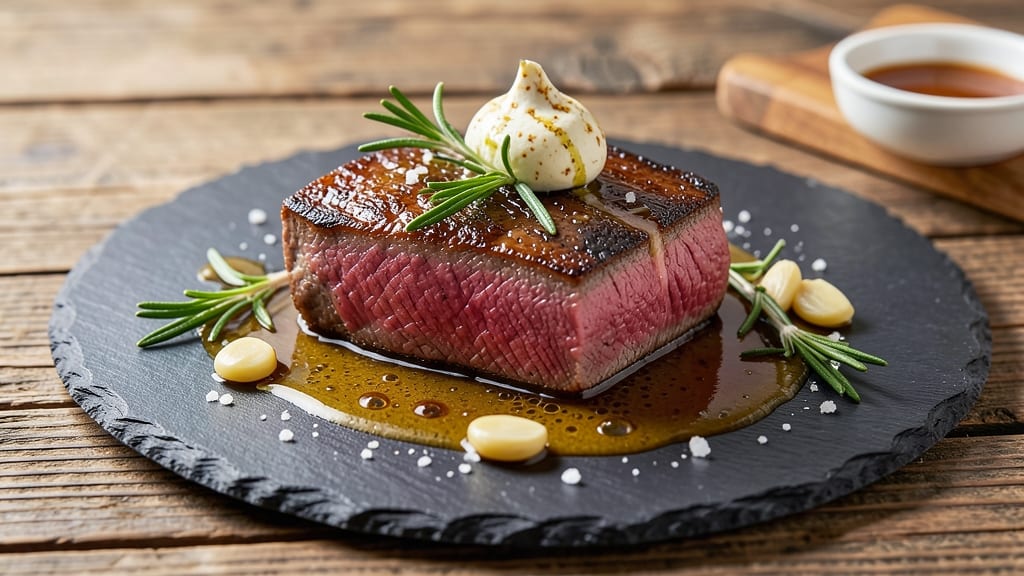
This Angus beef tenderloin steak recipe delivers the perfect balance of a buttery crust and juicy pink center—the hallmark of a truly exceptional steak. 🔥 The secret lies in precise temperature control and a dry-brine technique that ensures maximum tenderness and flavor.
I’ve refined this method over countless dinner parties, and it never fails to impress even the most discerning meat lovers.
The process begins with a dry brine that enhances the natural beefy flavor while keeping the steak moist. After searing to create that coveted crust, we use the reverse sear method to guarantee a perfect medium-rare finish—no guessing, no overcooking.
Resting the steak properly is just as critical, as it allows the juices to redistribute, ensuring every bite is as tender as it is flavorful.
What you’ll end up with is a steak that’s restaurant-quality at home—golden-brown on the outside, succulent and pink in the center, with a rich, beefy aroma that fills your kitchen.
The crust is crisp yet buttery, while the interior remains melt-in-your-mouth tender. This isn’t just a steak; it’s an experience that transforms a simple dinner into something memorable.
Serve it alongside classic sides like roasted garlic mashed potatoes or a crisp green salad to complete the meal. The technique is straightforward, but the results are undeniably impressive—ideal for special occasions or when you want to treat yourself to a steakhouse-worthy dinner without leaving home.
Ingredients for angus beef tenderloin steak
Four ingredients deliver restaurant-quality tenderness and buttery crust perfection.
| Ingredient | Amount | Notes |
|---|---|---|
| Angus Beef Tenderloin 🥩 | 2 lb | Center-cut, 1.5-inch thick slices |
| Unsalted Butter 🧈 | ½ cup | Cold, cut into 1-inch cubes |
| Kosher Salt 🧂 | 1 ½ tbsp | Diamond Crystal preferred |
| Freshly Ground Black Pepper 🌶️ | 1 ½ tsp | Coarsely ground |
| Extra-Virgin Olive Oil 🫒 | ¼ cup | High smoke point preferred |
| Garlic Cloves 🧄 | 6 cloves | Minced, for dry brine |
| Fresh Thyme Leaves 🌿 | 1 tbsp | Chopped, for dry brine |
| Cornstarch 🌾 | 1 tbsp | Lightly coat steaks |
| Flour 🌾 | 2 tbsp | All-purpose, for dredging |
| Dried Rosemary 🌿 | 1 tsp | Crushed, for crust |
| Dried Sage 🌿 | 1 tsp | Crushed, for crust |
| Heavy Cream 🥛 | ½ cup | Optional, for basting |
The Angus beef tenderloin is non-negotiable here—look for center-cut slices with visible marbling from a trusted butcher or specialty grocer like Whole Foods or D'Agostino. The thickness matters (1.5 inches ensures even cooking), and USDA Prime is ideal though Choice-grade works beautifully. For the dry brine, fresh garlic and thyme elevate the natural beef flavor, while Diamond Crystal kosher salt dissolves better than table salt. I always buy extra butter from Land O’Lakes or Plugrá—it stays firm longer for searing.
No extra-virgin olive oil? Avocado oil works just as well—its high smoke point prevents bitter flavors. Running short on cornstarch? Arrowroot powder is a 1:1 substitute, though cornstarch gives a slightly crispier crust. The heavy cream is optional but adds a luxurious sheen when basted—substitute with whole milk if needed. For the crust, toasted spices (lightly dry-toast rosemary and sage in a pan for 30 seconds) deepen their flavor. Prefer a different herb blend? Smoked paprika and thyme create a smoky alternative without altering the technique.
Steaks can be dry-brined overnight in the fridge for maximum tenderness, but even 4 hours makes a noticeable difference. Store uncooked steaks in a sealed container for up to 3 days before cooking. Butter cubes should be kept in the freezer until ready to use—they’ll crisp beautifully when cold. Leftovers (if any) reheat best in a 400°F oven for 5 minutes with a splash of water to retain moisture. Freeze cooked portions for up to 3 months in airtight containers, though this steak is best enjoyed fresh.
Why You'll Love This Recipe
- I’ll be real: most steak leftovers turn into sad, dry scraps. Not this one. Slice it thin, toss it in a pan with a pat of butter, and suddenly you’ve got a killer sandwich filling or stir-fry upgrade. It’s my secret weapon for turning dinner into lunch the next day without the guilt.
- Two-Ingredient Magic: I swear by this combo—just salt, pepper, and butter. That’s it. The tenderloin does all the heavy lifting, so I’m not stuck measuring spices or hunting for herbs. Honestly, it’s the kind of recipe where I can zone out and still end up with something restaurant-quality.
- Butter-Basted Perfection: The moment that rich butter melts over the steak? Pure satisfaction. It’s not just flavor—it’s that golden crust and juicy center that makes me want to close my eyes and savor it. (Yes, even on a Tuesday night.) The olive oil sear kicks it up another notch without overpowering the beef’s natural richness.
- Weeknight or Weekend Star: Between us, this steak works for everything. Grill it for summer BBQs, sear it in a cast-iron for date night, or throw it in the oven while I prep sides. My kids even ask for it when I’m making breakfast-for-dinner—because leftovers reheat like a dream (sliced thin, pan-fried, and served with eggs? Chef’s kiss).
Step-by-step instructions for perfectly cooked Angus beef tenderloin
Mastering this technique delivers melt-in-your-mouth tenderness with a golden crust every time.
👨🍳 Step 1: Prepare the Dry Brine and Seasoning
In a small bowl, combine the 1.5 tbsp kosher salt, 1.5 tsp freshly ground black pepper, 6 minced garlic cloves, and 1 tbsp chopped fresh thyme leaves. This creates a concentrated flavor base that will penetrate the meat during the dry brine process.
Pat the 2 lb angus beef tenderloin slices completely dry with paper towels—this is critical for achieving that perfect crust. Apply the seasoning mixture evenly over both sides of each steak, pressing gently to ensure full coverage. Here's the thing—don't skip this step. The dry brine not only seasons deeply but also helps create that coveted crust while keeping the interior perfectly pink and tender.
🥘 Step 2: Create the Buttery Crust Mixture
In a separate bowl, mix the 2 tbsp flour, 1 tbsp cornstarch, 1 tsp crushed dried rosemary, and 1 tsp crushed dried sage. This combination creates the ideal texture for the crust while adding aromatic depth. The cornstarch is key—it helps create that crispy, golden exterior without making the crust too heavy.
Cut the 0.5 cup unsalted butter into 1-inch cubes and chill them in the refrigerator for 15 minutes while you prepare the steaks. This ensures the butter stays cold and creates maximum surface area for crisping. The butter will form the foundation of your crust, adding rich flavor and that luxurious buttery texture we're after.
🔥 Step 3: Form and Chill the Crust-Coated Steaks
Working with one steak at a time, press it into the flour mixture, coating both sides evenly. Gently shake off any excess but don't worry about perfect coverage—the crust will form beautifully during cooking. Place the coated steak on a wire rack set over a plate to allow air circulation on all sides.
Now for the butter. Take 2-3 butter cubes and press them firmly onto each steak, creating a thick layer of butter on both sides. Repeat with all steaks, then transfer them to a plate and refrigerate uncovered for 30 minutes. This chilling step is crucial—it allows the butter to firm up and creates that perfect crust when it hits the hot pan. Don't rush this step; patience here makes all the difference.
🍳 Step 4: Cook to Perfect Doneness
Heat a heavy skillet over medium-high heat until it's very hot—you should see a slight shimmer when you hold your hand about 2 inches above it. Add the 0.25 cup extra-virgin olive oil and swirl to coat the pan evenly. Place the chilled steaks in the pan and cook undisturbed for 3-4 minutes until the butter begins to brown and the crust forms.
Here's where it gets technical: flip the steaks carefully and continue cooking for another 3-4 minutes on the second side. The internal temperature should reach 125-130°F for medium-rare—this is the sweet spot for tenderloin. You'll know it's ready when the crust is deep golden brown and the steaks release easily from the pan. If using the 0.5 cup heavy cream for basting, add it now and spoon it over the steaks during the last minute of cooking.
⏰ Step 5: Rest and Serve
Transfer the steaks to a cutting board and let them rest for 5-7 minutes before slicing. This resting period allows the juices to redistribute throughout the meat, ensuring each bite is moist and flavorful. The crust will stay intact during this time, maintaining its perfect texture.
Slice the steaks against the grain into ½-inch thick pieces and serve immediately. Each slice should reveal that beautiful pink center with a golden, buttery crust on the outside. The flavor profile should be rich and beefy with herbal notes from the rosemary and sage, perfectly balanced by the buttery crust. This technique delivers restaurant-quality results at home with minimal effort.
Pro Tips For Making Angus Beef Tenderloin Steak
- USE A THERMOMETER: I learned this the hard way—Angus tenderloin can go from perfect to overcooked in seconds. For medium-rare, pull it at 125°F internal temp (yes, it’ll rise to 130°F while resting). No guessing, no dry steak.
- SALT THE BUTTER FIRST: This isn’t just seasoning—it’s flavor insurance. Mix 1 tsp kosher salt per 2 tbsp unsalted butter before melting it over the steak. The salt dissolves into the butter, coating the meat evenly instead of clumping on top. Trust me, it makes a real difference.
- DON’T SKIP THE DRYING: Pat that tenderloin thoroughly with paper towels before searing. I know, it feels tedious, but wet surfaces = steam = no crust. A dry surface means the olive oil will cling and caramelize instead of hissing away. (Your future self will thank you.)
- REST IT UNDER FOIL: After searing, transfer the steak to a warm plate, loosely tent with foil, and let it sit for 5-10 minutes. I used to skip this, and the juices would pool on the cutting board instead of redistributing. This guarantees a juicy first bite every time.
Perfect pairings for this recipe
Classic Sides
Start with creamy garlic mashed potatoes—their richness complements the steak’s buttery crust beautifully. I make a big batch using 4 lbs Yukon Gold potatoes, ½ cup heavy cream, and 4 cloves roasted garlic for depth.
For a lighter option, truffle roasted fingerling potatoes add earthy sophistication with their crispy skins and tender centers. 🥔
Fresh Salads
A mixed greens salad with pear slices, walnuts, and Gorgonzola crumbles balances the meal’s richness. Toss with a Dijon vinaigrette (3 tbsp olive oil, 1 tbsp Dijon, 1 tsp honey) for a tangy contrast.
For something brighter, try arugula with shaved fennel, lemon zest, and toasted pine nuts—the anise notes cut through the beef’s richness.
Wine Pairings
For red wine lovers, a Cabernet Sauvignon from Napa Valley (like Caymus Vineyards) stands up to the steak’s bold flavors. Its dark fruit and tannins mirror the beef’s richness.
White wine fans should try a Chardonnay with oaked character—Kendall-Jackson Vintner’s Reserve offers buttery notes that harmonize with the crust. Sparkling lovers? A brut Champagne (like Moët & Chandon) cleanses the palate between bites. 🍷
Beer Complements
A Belgian Dubbel (such as Westmalle Tripel) balances the steak’s richness with its caramel and spice notes. For a lighter option, German Helles Lager (like Weihenstephaner) provides crisp refreshment.
Avoid heavy stouts—they’ll overpower the delicate buttery crust. I often serve a cold IPA (like Stone Ruination) for its citrusy bite to cut through the meal’s richness. 🍺
Sauce Enhancements
Skip heavy sauces—this steak shines on its own. Instead, offer balsamic glaze (reduce ½ cup balsamic vinegar to a syrup) for drizzling. For extra flair, truffle-infused olive oil (mix ¼ cup EVOO with 1 tsp truffle paste) elevates every bite.
A sprinkle of fresh thyme or crispy fried shallots adds texture without distraction. 💫
Nutrition facts
Frequently asked questions
What makes Angus beef tenderloin different from other steak cuts?
Angus tenderloin is one of the most tender cuts of beef due to its minimal connective tissue and fine grain. Unlike tougher cuts like ribeye or sirloin, it requires less marinating and shorter cooking times. The marbling in Angus beef also adds rich flavor without needing heavy seasoning. Its mild, buttery taste makes it perfect for delicate preparations like this crust technique.
Can I use this recipe with frozen Angus beef?
Fresh is ideal, but if using frozen, thaw completely in the refrigerator for 24 hours first. Never thaw at room temperature. Pat dry thoroughly after thawing—any moisture will prevent proper crust formation. The dry brine step still works, but extend it to 6 hours to compensate for potential moisture loss during freezing.
What's the best way to check doneness without a meat thermometer?
For medium-rare, press the steak gently with your finger—it should feel very soft but slightly springy. The edges should be golden brown while the center remains cool to the touch. A visual cue: the crust should be deep golden brown, not dark brown or blackened. For extra confidence, cut into a small piece—medium-rare shows a pink center with a slightly warm red hue.
Why does my crust keep falling apart?
Most likely, your butter wasn't cold enough before pressing it on the steaks. Always chill butter cubes for 15+ minutes and refrigerate the steaks for 30 minutes after coating. Also ensure your pan is properly heated—if it's too hot, the crust burns before setting. Use a heavy skillet (cast iron works best) and maintain medium-high heat consistently.
How far ahead can I prep the steaks?
You can prep the steaks up to 24 hours ahead—just store them uncovered in the fridge after the 30-minute chilling step. The dry brine will continue working, and the butter will stay firm. Bring them to room temperature for 30 minutes before cooking. For the crust mixture, you can make it 1 day ahead and store it airtight at room temperature.