
Tips
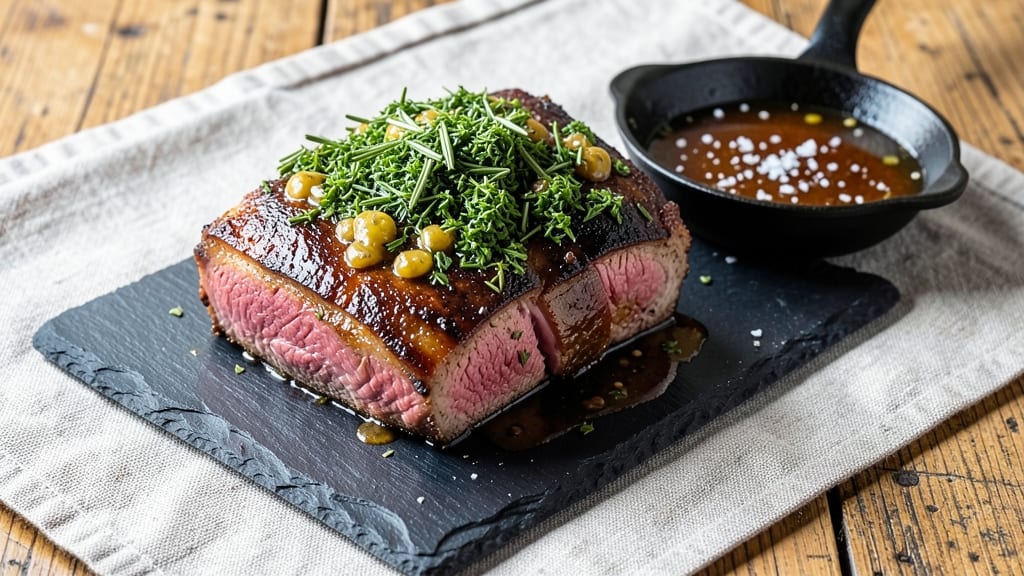
This Angus beef tip roast recipe delivers a showstopping centerpiece with a juicy pink center and a perfectly seared crust—exactly what elevates a family dinner to special occasion status.
The secret lies in high-quality beef and a foolproof roasting technique that balances doneness with tenderness, ensuring every slice melts in your mouth while maintaining that signature beefy flavor. I've perfected this method over years of holiday feasts, where the aroma alone transforms any kitchen into a gourmet haven.
The beauty of this recipe is its balance of simplicity and sophistication. A herb-crusted exterior adds texture and depth without overwhelming the beef's natural richness, while the reverse sear technique guarantees a perfectly pink center that's juicy and tender every time.
This method works particularly well with Angus beef tip roast because its natural marbling ensures moisture retention, even when cooked to medium-rare perfection. The key is patience—letting the roast rest after cooking is just as important as the roasting itself.
What you'll end up with is a restaurant-quality roast that's impressive enough for guests but simple enough for weeknight dinners. The crust is richly aromatic from the herbs, while the interior remains succulent and flavorful.
Pair it with roasted root vegetables or creamy mashed potatoes, and you've got a complete meal that feels both elegant and comforting. This is the kind of dish that makes you look like a culinary pro without requiring advanced techniques.
Whether you're serving a holiday crowd or treating yourself to a special dinner, this recipe delivers consistent results. The herb crust adds visual appeal and layers of flavor, while the reverse sear ensures the perfect balance of doneness.
With a few simple steps and high-quality ingredients, you'll create a roast that's worth every bite—and every compliment. Let's get started on making this showstopper.
Ingredients for angus beef tip roast
High-quality beef and aromatic herbs transform into a restaurant-worthy roast with juicy pink perfection.
| Ingredient | Amount | Notes |
|---|---|---|
| Angus Beef Tip Roast 🥩 | 4 lb | Center-cut, 1.5-inch thick |
| Kosher Salt 🧂 | 1 ½ tbsp | Diamond Crystal preferred |
| Freshly Ground Black Pepper 🌶️ | 1 tbsp | Coarse grind for texture |
| Fresh Rosemary 🌿 | ¼ cup | Finely chopped, stems removed |
| Fresh Thyme 🌿 | ¼ cup | Leaves only, finely chopped |
| Fresh Garlic Cloves 🧄 | 8 cloves | Minced, skin-on |
| Extra-Virgin Olive Oil 🫒 | ¼ cup | For crust and searing |
| Yellow Onion 🧅 | 1 whole | Sliced, for aromatics |
| Unsalted Butter 🧈 | ½ cup | Cold, cubed for basting |
| Fresh Parsley 🌿 | ⅛ cup | Chopped, for garnish |
| Red Wine 🍷 | ½ cup | Bold, dry variety |
| Beef Bone Broth 💧 | 1 cup | For basting liquid |
The Angus beef tip roast is the foundation of this recipe—its natural marbling ensures unparalleled tenderness and flavor. Butcher shops and high-end grocery stores like Whole Foods carry premium cuts, but even well-stocked supermarkets often stock quality beef tip roasts. Look for a center-cut roast with at least 1.5 inches of thickness to ensure even cooking. The herbs—rosemary, thyme, and garlic—are essential for the aromatic crust; Penzeys Spices or bulk bins at natural markets provide the freshest options. Freshly ground black pepper adds texture without overpowering the beef's natural richness, while the extra-virgin olive oil enhances the crust's depth.
No fresh rosemary? Dried rosemary at one-third the amount works in a pinch, though fresh imparts superior flavor. Substituting red wine with beef broth maintains depth without altering the recipe's integrity. For the herb crust, toasted breadcrumbs can replace fresh herbs if needed, though the texture will differ slightly. The onion and garlic provide foundational flavor—don't skip them, even if you're short on time. If using pre-minced garlic, ensure it's fresh; jarred garlic lacks the same punch. The bone broth can be swapped for beef stock, but avoid vegetable-based alternatives to preserve the beefy essence.
The roast should rest at room temperature for 1 hour before cooking to ensure even doneness. Store any unused fresh herbs in damp paper towels in a sealed container for up to 5 days. The Angus beef tip roast freezes beautifully for up to 6 months—portion it into individual servings for convenience. Leftover herb crust can be stored in an airtight container for 3 days or frozen for 3 months. For best results, reheat slowly in the oven to maintain moisture and texture.
Why You'll Love This Recipe
- The secret’s in the simplicity: just salt, pepper, and those two herbs—rosemary and thyme—tucked under the skin. Honestly, I’ve tried fancy rubs, but this combo lets the beef shine without overpowering it.
- No-Fuss Seasoning: The secret’s in the simplicity: just salt, pepper, and those two herbs—rosemary and thyme—tucked under the skin. Honestly, I’ve tried fancy rubs, but this combo lets the beef shine without overpowering it.
- Crowd-Pleasing Richness: That first bite of tender, juicy Angus with the rosemary’s piney kick and thyme’s earthy warmth? It’s the kind of flavor that makes people pause mid-conversation. (Yes, even my picky uncle.)
- Weeknight to Weekend: Same prep for Tuesday dinners or Sunday suppers—just adjust the roast size. Leftovers? Slice thin for sandwiches or shred for tacos. My freezer’s always stocked with this, because why not eat well all week?
Step-by-step instructions for herb-crusted beef tip roast
Master this technique and you'll achieve a perfectly juicy pink center with a flavorful herb crust every time.
Prepare the Herb Crust and Season the Roast
In a food processor, combine the 0.25 cup fresh rosemary, 0.25 cup fresh thyme, 8 cloves fresh garlic cloves, 1.5 tbsp kosher salt, and 1 tbsp freshly ground black pepper. Pulse until finely minced but not pasty. With the processor running, slowly add the 0.25 cup extra-virgin olive oil until the mixture forms a coarse paste. This herb mixture will create our flavorful crust.
Remove the 4 lb angus beef tip roast from the refrigerator and pat it completely dry with paper towels—this is critical for developing a good crust. Using your hands, press the herb paste firmly over the entire surface of the roast, working it into the crevices. Let the roasted sit at room temperature for 30 minutes before cooking to ensure even heat distribution throughout the meat.
Sear the Roast for Maximum Flavor
Preheat your oven to 425°F. Heat a large oven-safe skillet over medium-high heat and add 0.25 cup extra-virgin olive oil. Once the oil shimmers, carefully place the roast in the skillet, fat-side down. Sear for 8-10 minutes until the crust is deeply browned and the fat begins to render. Flip the roast and sear the other side for another 5-7 minutes until the herb crust is golden and crisp in spots.
Here's the thing—don't rush this searing step. You're building layers of flavor that will carry through the entire roasting process. The crust should be dark golden brown with some char in places, and the roast should release easily from the pan when ready to transfer to the oven.
Roast to Perfect Medium-Rare
Transfer the seared roast to a baking sheet and place it in the preheated 425°F oven. Roast for 20 minutes, then reduce the heat to 325°F. This initial high heat helps develop the crust while the lower temperature ensures even cooking throughout the thick cut. Continue roasting for 1 hour to 1 hour 15 minutes, or until the internal temperature reaches 125°F when measured with a meat thermometer in the thickest part of the roast.
I use a thermometer for precision—this cut should finish at 125°F for that perfect juicy pink center. The roast will continue cooking slightly after removal from the oven, so pull it out just before it reaches this temperature. The reason we aim for medium-rare is that beef tip roast benefits from that tender, pink interior while still developing a beautiful crust.
Create the Red Wine Reduction
While the roast rests, prepare the red wine reduction. In the same skillet used for searing, add the 1 whole yellow onion and cook over medium heat for 5 minutes until softened. Pour in the 0.5 cup red wine and scrape up all the browned bits from the bottom of the pan. Simmer for 3-4 minutes until the liquid reduces by half. Add the 0.5 cup unsalted butter and 1 cup beef bone broth, whisking until the butter melts and the sauce emulsifies. Keep this sauce warm until serving.
This reduction captures all the flavors from the searing process and adds depth to the finished dish. The wine and bone broth combination creates a rich, velvety sauce that complements the herb-crusted roast beautifully. Taste and adjust seasoning with additional salt and pepper if needed.
Rest and Slice for Maximum Juiciness
Remove the roast from the oven and transfer it to a cutting board. Tent loosely with aluminum foil and let it rest for 20-30 minutes. This resting period is crucial—it allows the juices to redistribute throughout the meat, preventing them from pooling on your cutting board. The internal temperature will rise about 5°F during this time, reaching the ideal 130°F for serving.
When ready to serve, slice the roast against the grain into ½-inch thick slices. The grain direction will be visible as faint lines in the meat. Serve the slices topped with the red wine reduction and garnished with 0.125 cup fresh parsley. Each bite should deliver a perfect balance of tender, juicy beef with a flavorful herb crust and rich wine sauce.
Pro Tips For Making Angus Beef Tip Roast
- Sear First, Then Roast: That first sear isn’t just for looks—it locks in flavor and moisture. Hit your roast with a screaming-hot pan or cast iron for 2-3 minutes per side until deep brown, then finish in the oven at 325°F (165°C). I used to skip this, and the meat always tasted duller—don’t be lazy with the heat.
- Trim the Fat Sparingly: Leave a thin layer of fat on the roast—it’s your flavor insurance. Scrape off anything thicker than ¼-inch, but don’t go clean-cut. My butcher friend once told me, “Fat renders = flavor stays,” and he wasn’t wrong. Just don’t let it pool in one spot or it’ll burn.
- Salt the Night Before: Generously coat the roast with kosher salt and let it sit uncovered in the fridge for 12-24 hours. This seasons the meat deep, not just on the surface. I know, it’s weird to plan ahead, but I’ve tried both ways, and the difference is noticeable—especially with Angus, which needs that extra push.
- Check Internal Temp Twice: Use a meat thermometer—no guessing. For medium-rare, aim for 130°F (54°C) and pull it 5°F early. The roast will keep rising while it rests. I’ve sliced into a roast at 135°F thinking it was perfect, only to find it dry. Trust the thermometer, not the clock.
Creative variations of this recipe
Herb Variations
Swap out the rosemary and thyme for other aromatic herbs to match your preferences. Try 1 tbsp fresh sage with 1 tsp dried oregano for a Mediterranean twist—this combo adds earthy depth. For a smoky profile, add ½ tsp smoked paprika to the herb paste.
I love using fresh tarragon (about ¼ cup) for a lighter, anise-like flavor that pairs beautifully with the beef's richness. 🌿
Spice Rub Twists
Transform the herb crust into a bold spice rub by adding 1 tsp ground coriander and ½ tsp cinnamon for a Moroccan-inspired flavor. For a Cajun kick, mix in 1 tsp Creole seasoning and ½ tsp cayenne pepper—this creates a fiery crust that contrasts perfectly with the tender interior.
I’ve also experimented with 1 tbsp coffee grounds for a deep, earthy note that enhances the beef’s natural flavors.
Wine & Sauce Adaptations
Replace the red wine with ½ cup balsamic vinegar and ½ cup beef broth for a tangy, sweet-savory reduction that cuts through the richness.
For a creamy alternative, swap the wine reduction with a white wine and Dijon mustard sauce—simmer ½ cup white wine, 1 tbsp Dijon, and 1 cup heavy cream until thickened. This adds a bright, slightly tangy contrast to the herb crust. 🍷
Global Flavor Profiles
For a Japanese-inspired version, marinate the roast in ¼ cup soy sauce, 1 tbsp mirin, and 1 tbsp grated ginger before applying the herb crust.
After roasting, top with a teriyaki glaze made from ¼ cup soy sauce, 1 tbsp honey, and 1 tsp sesame oil. This fusion of techniques creates a dish that’s both familiar and exciting.
I also love adding 1 tsp five-spice powder to the herb paste for a warm, aromatic depth.
Slow-Cooked Versions
For a hands-off approach, slow-cook the roast in a 300°F oven for 4-5 hours until it reaches 125°F internal temperature.
This method works especially well with a beer-braised crust—mix ½ cup stout beer, 1 tbsp brown sugar, and 1 tsp mustard into the herb paste before searing. The slow cook transforms the beef into melt-in-your-mouth tenderness with minimal effort. 🔥
Holiday & Special Occasion
Elevate this roast for holidays by wrapping it in thinly sliced prosciutto before roasting—this adds a salty, savory layer that caramelizes beautifully. For a festive touch, garnish with edible gold leaf or crystallized rosemary sprigs.
I also recommend serving with a red wine jus infused with black peppercorns and juniper berries for a sophisticated holiday centerpiece.
Nutrition facts
Frequently asked questions
What's the ideal internal temperature for a perfect pink center?
For juicy pink perfection, aim for 125°F internal temperature when measured in the thickest part of the roast. The meat will carry over about 5°F while resting, reaching the ideal serving temp of 130°F. This medium-rare finish ensures maximum tenderness while keeping that signature beefy flavor.
Can I use a smaller or larger roast than the 4 lb recipe?
Yes! Scale the recipe proportionally—about 1 lb of roast per 1.5 servings. For a 3 lb roast, reduce all ingredients by 25%, while a 5 lb roast needs a 25% increase. The key is maintaining the same thickness (1.5 inches) for even cooking. Adjust oven time by 10-15 minutes per pound beyond the 4 lb base.
Why does the roast need to rest before slicing?
The 20-30 minute rest is crucial—it allows juices to redistribute throughout the meat instead of pooling on your plate. When you slice immediately, you lose up to 30% of the natural juices. This resting period also lets the internal temperature rise to the perfect serving range while keeping the texture tender.
What's the best way to reheat leftovers?
Slice leftovers and reheat in a 325°F oven for 15-20 minutes with a splash of beef broth to keep them moist. Avoid microwaving—it dries out the meat. For quick meals, pan-sear slices in butter until warmed through (2-3 minutes per side). Store leftovers in an airtight container for up to 4 days.
Can I substitute the red wine in the sauce?
For a non-alcoholic version, use ½ cup beef broth + 1 tbsp balsamic vinegar. For depth without wine, try ½ cup beef stock + 1 tsp Worcestershire sauce. The key is maintaining the same reduction ratio—simmer until the liquid reduces by half to concentrate the flavors.