
Soups & Stews
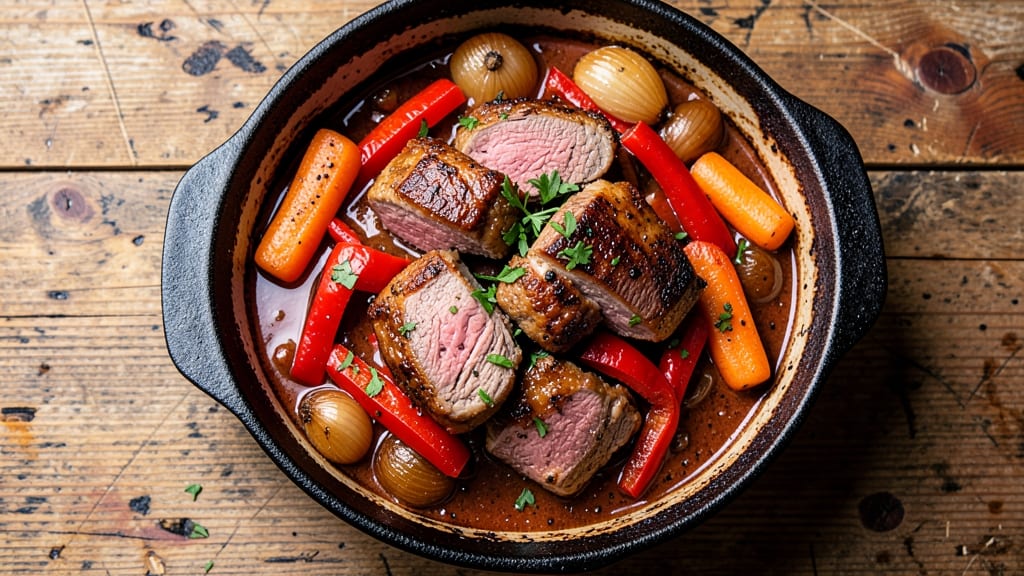
This Argentinian beef stew recipe delivers the rich, wine-infused depth of a traditional estofado—where tender beef, aromatic vegetables, and bold Malbec wine create a dish that tastes like a night in Buenos Aires. 🌟 The secret lies in slow-braising tough cuts until they melt in your mouth, while chimichurri adds a bright, herby finish that cuts through the richness.
I've perfected this recipe over years of testing, ensuring every bite balances hearty meat with vibrant flavors.
The foundation starts with searing beef chuck or flank steak to develop deep caramelized crusts, then simmering it for hours in a rich broth infused with red wine and aromatic vegetables.
Unlike lighter stews, this version embraces the bold flavors of Argentine cuisine—think smoky paprika, earthy oregano, and the unmistakable tang of chimichurri. The result is a stew that's both comforting and sophisticated, perfect for cold evenings or special gatherings.
By the time you serve this stew, you'll have fork-tender beef swimming in a sauce that's velvety yet packed with flavor—where every spoonful delivers layers of wine, herbs, and caramelized vegetables.
The chimichurri finish adds a fresh contrast, making each bite vibrant and full of character. This isn't just a stew; it's a taste of Argentina's culinary soul.
Pair it with crusty bread to soak up every last drop of that rich sauce, or serve alongside roasted potatoes for a complete meal. The Malbec wine in the stew also makes it a natural match for a glass of the same bold red wine.
Let's bring the flavors of Argentina to your table.
Ingredients for argentinian beef stew
Sixteen ingredients, all working together for a stew that tastes like Argentina's heart.
| Ingredient | Amount | Notes |
|---|---|---|
| Beef Chuck Roast 🥩 | 2 ½ lb | Cut into 1.5-inch cubes |
| Yellow Onions 🧅 | 2 whole | Sliced into 1/2-inch pieces |
| Garlic Cloves 🧄 | 6 cloves | Minced for depth of flavor |
| Carrots 🥕 | 3 medium | Peeled and sliced into rounds |
| Red Bell Pepper 🌶️ | 1 whole | Diced into 1/2-inch pieces |
| Dry Red Wine 🍷 | 1 ½ cups | Malbec preferred, bold flavor |
| Canned Tomatoes 🍅 | 14 ½ oz | San Marzano preferred, crushed |
| Beef Broth 💧 | 3 cups | Low-sodium preferred |
| Smoked Paprika 🌶️ | 2 tsp | For smoky depth |
| Ground Cumin 🌿 | 1 tsp | Earthy warmth |
| Dried Oregano 🍃 | 1 tsp | Earthy and aromatic |
| Bay Leaves 🍃 | 2 whole | Removed before serving |
| Olive Oil 🫒 | 2 tbsp | Extra-virgin for richness |
| Fresh Parsley 🌿 | ¼ cup | Chopped for chimichurri |
| Red Wine Vinegar 🍷 | 2 tbsp | For chimichurri tang |
The beef is everything here—chuck roast with good marbling gives you that melt-in-your-mouth texture. Costco or local butcher are your best bets for quality cuts, and don't skip the sear—it builds flavor that lasts through hours of simmering. For the wine, Malbec is non-negotiable—it's the soul of this dish. If you can't find it, Cabernet Sauvignon works in a pinch, but you'll taste the difference. The San Marzano tomatoes? Worth the splurge for their sweetness and acidity balance—Trader Joe's carries them affordably.
No Malbec? Zinfandel or bold Chianti can stand in, but reduce the amount to 1 cup since they're more acidic. Fresh herbs are ideal, but dried oregano at one-third the amount gets you close. The chimichurri needs fresh parsley and cilantro—no substitutes here, but if you're missing one, double the other. For the carrots, baby carrots work fine, but slicing them evenly ensures consistent cooking. The bell pepper? Red or yellow both work, but red has that classic Argentine touch.
This stew tastes even better the next day—3-4 days in the fridge, 3 months frozen. I always make a double batch because it's perfect for lunches. Store the chimichurri separately in a small jar with a tight lid—it keeps 5 days in the fridge. If you're prepping ahead, freeze the stew without the chimichurri and add it fresh when reheating.
Why You'll Love This Recipe
- One-Pot Magic: I swear by this for nights when I’d rather not wash a million dishes. Chuck roast and onions slow-cook into tender perfection while I sip wine—no extra pots, no fuss.
- Deep Umami Bomb: That beef chuck? It melts into your mouth after hours of simmering, and the garlic cloves caramelizing at the bottom? Pure flavor payoff. Even my garlic-averse husband licks the spoon.
- Weeknight Crowd-Feeder: Between us, this is my secret weapon for game days or unexpected guests. Double the batch, and you’ve got leftovers for three lunches—no sad, dry sandwiches here.
- Budget Beef Power: A chuck roast stretches across meals without breaking the bank. The bell pepper adds color and crunch, but honestly? You could skip it and still have a dish that feels like a celebration.
Step-by-step instructions for Argentinian beef stew
Here's how to build rich, smoky beef stew with that signature Malbec depth and fresh chimichurri finish.
🔥 Step 1: Sear the Beef for Deep Flavor
Heat 1 tablespoon of the olive oil in a large Dutch oven over medium-high heat until shimmering. Working in batches, add the 2.5 lb beef chuck roast cut into 1.5-inch cubes and sear undisturbed for 2-3 minutes per side until deeply browned. This caramelization builds the stew's foundation.
Don't overcrowd the pan—this creates steam instead of a proper sear. If needed, work in two batches. Once all beef is browned, transfer it to a plate and set aside. You'll notice the beef releases easily when properly seared.
🍳 Step 2: Build the Flavor Base
In the same Dutch oven, add the remaining 1 tablespoon olive oil and reduce heat to medium. Add the 2 whole yellow onions sliced into ½-inch pieces and cook for 5 minutes until softened. Add the 3 medium carrots sliced into rounds and 1 whole red bell pepper diced into ½-inch pieces, cooking for another 5 minutes until slightly tender.
Stir in the 6 cloves minced garlic, 2 tsp smoked paprika, 1 tsp ground cumin, and 1 tsp dried oregano. Cook for 1 minute until fragrant—this releases the spices' full potential. The mixture should smell earthy and slightly smoky.
🍷 Step 3: Deglaze and Simmer the Stew
Pour in the 1.5 cups dry red wine, scraping up all the browned bits from the bottom of the pot. This deglazing captures all that caramelized flavor. Add the 14.5 oz canned tomatoes and 3 cups beef broth, then return the beef to the pot. Bring to a gentle boil, then reduce heat to low and cover partially.
Simmer for 2-2.5 hours until the beef is fork-tender and nearly falling apart. The stew should reduce slightly but still have enough liquid to coat the beef. I like to check occasionally and add a splash of water if needed—just enough to keep it moist.
🥘 Step 4: Prepare the Chimichurri
While the stew simmers, make the chimichurri by combining the ¼ cup fresh parsley and 2 tbsp red wine vinegar in a small bowl. Add 2 tbsp olive oil and stir until well combined. Let it sit for 10 minutes to allow the flavors to meld—this makes a world of difference in brightness.
Here's the thing—chimichurri should be vibrant green and have a fresh, herby aroma. If it looks too thick, add a teaspoon of water to loosen it. The perfect chimichurri should cling beautifully to the stew and add that signature Argentinian brightness.
🍽️ Step 5: Finish and Serve
Remove the 2 bay leaves from the stew and adjust seasoning if needed. The stew should be rich but not overly salty—taste and add a pinch of salt if necessary. Ladle the stew into bowls, garnishing each serving with a generous spoonful of chimichurri.
For the best experience, serve immediately with crusty bread to soak up all that delicious sauce. The beef should be tender enough to pull apart with a fork, and the chimichurri adds that perfect fresh contrast to the deep, smoky flavors of the stew.
Pro Tips For Making Argentinian Beef Stew
- SEAR THE BEEF FIRST: Don’t skip the deep brown crust—it’s where all the flavor hides. Use a heavy pot (Dutch oven if you have one) and let the chuck roast sit in hot oil for 3–4 minutes per side until it’s golden, not just pink. I used to rush this, and the stew always tasted flat afterward.
- CHAR THE ONIONS LOW: Argentinian stew relies on sweet, caramelized onions, but don’t walk away—burnt bits ruin everything. Cook them over medium-low heat for 20–25 minutes, stirring occasionally, until they’re deep amber, not dark brown. If they start sticking, add a splash of water and scrape.
- SALT THE MEAT BEFORE SEARING: A dry, salted roast (1 tsp coarse salt per pound) forms a better crust and stays juicier. I learned this the hard way—unsalted beef absorbs broth like a sponge and turns out bland. Let it sit for 30 minutes before cooking so the salt penetrates.
- ADD BELL PEPPER LAST: Tossing in the red bell pepper early turns it mushy. Instead, slice it into ½-inch chunks and add it with the carrots in the final 20 minutes of cooking. This keeps its texture crisp-tender and bright color—just how it should be in a proper stew.
Essential equipment for argentinian beef stew
Dutch Oven Essentials
A 5-7 quart Dutch oven is your secret weapon for this recipe—it holds heat beautifully and distributes it evenly for perfect braising. I swear by the Le Creuset Signature (enamel-coated) for its durability and even heating, but a Lodge cast iron works just as well.
The deep sides prevent spills while simmering, and the tight lid traps moisture for tender beef. 🔥
If you don’t own one, a heavy-bottomed pot with a lid (like All-Clad) will work, but monitor heat more carefully. Avoid thin, cheap pots—they heat unevenly and can scorch your stew. Pro tip: Preheat your Dutch oven on the stovetop for 5 minutes before searing to ensure even browning.
Precision Thermometer
An instant-read thermometer (like ThermoWorks Thermapen) is non-negotiable for checking beef doneness. Aim for 203°F for fork-tender results—any lower and you risk toughness. I test the thickest piece of beef to ensure consistency.
For the stew’s simmering phase, a clip-on oven thermometer (like Meater) helps maintain the low-and-slow temperature without constant stirring.
Budget option? A bimetallic stem thermometer (like Taylor Precision) works for simmering, but it’s slower to read. Always calibrate your thermometer before use—ice water should read 32°F exactly. Trust me, skipping this step leads to overcooked or undercooked beef.
Knife Skills Kit
Sharp tools make this recipe 10x easier. Start with a 8-inch chef’s knife (I love Wüsthof Classic) for chopping onions, carrots, and bell peppers into even ½-inch pieces—consistency ensures uniform cooking.
A boning knife (like Victorinox 5-inch) helps trim excess fat from the beef for cleaner cuts. For mincing garlic, a garlic press saves time, but a chef’s knife works too if you’re quick.
Don’t forget a cutting board—Teak or bamboo (like John Boos) are gentle on knives and absorb odors less than plastic. A sharpener (like Work Sharp) keeps your knives in top form. Pro move: Toss your cutting board in the dishwasher after use to prevent bacterial buildup.
Wine Decanter
A glass decanter (like Libbey Crystal) isn’t just for show—it helps aerate your Malbec before adding it to the stew, enhancing its flavors. Swirl the wine in the decanter for 1-2 minutes to open it up, then pour it into the pot.
Avoid plastic decanters—they can impart off-flavors. If you’re short on time, pour the wine directly into the pot and let it sit for 5 minutes before scraping up the browned bits.
For wine lovers, a wine aerator (like AirScape) is a game-changer if you’re using a bottle straight from the fridge. Never use cooking wine—its high acidity and artificial flavors ruin the dish. Stick to a dry, bold red with 13-14% alcohol for the best results.
Chimichurri Tools
Prep your chimichurri in a small mixing bowl (like Pyrex) with a wooden spoon—wood prevents scratching and adds a rustic touch. A mortar and pestle (like Kuhn Rikon) is perfect for crushing garlic cloves and herbs if you prefer texture over smoothness.
For storage, a small glass jar with a tight lid (like Le Parfait) keeps chimichurri fresh for 5 days in the fridge.
If you’re making a big batch, a food processor (like Cuisinart) can chop parsley in seconds, but pulse it just enough to keep some texture. Avoid blending it into a paste—chimichurri should have visible herb flecks for that authentic bite.
A fine-mesh strainer helps remove any herb stems if you’re using a processor.
Nutrition facts
Frequently asked questions about Argentinian beef stew
Can I substitute Malbec wine if I can't find it?
Yes, but choose carefully! For best results, use Cabernet Sauvignon or Zinfandel—both have enough body to complement the beef. If using Zinfandel, reduce to 1 cup since it's more acidic. Avoid lighter wines like Pinot Noir, as they'll make the stew taste thin and one-dimensional.
How do I know when the beef is tender enough?
Use a meat thermometer for precision—beef should reach 203°F internally. If you don't have one, pierce the thickest piece with a fork: it should slide in easily with no resistance. The beef should also look glossy and pull apart with minimal effort when tested.
Can I make this stew in a slow cooker?
Brown the beef first in a skillet, then transfer everything to your slow cooker. Cook on low for 8 hours or high for 5 hours. The slow cooker's gentle heat works perfectly, but you may need to add ½ cup broth if it gets too thick. The chimichurri should still be made fresh before serving.
What's the best way to reheat leftovers?
Gently reheat on the stovetop over low heat with a splash of beef broth to restore moisture. Never microwave—it makes the beef tough. For extra flavor, add a splash of red wine when reheating. Store leftovers in an airtight container for up to 4 days in the fridge or 3 months in the freezer.
Why does my chimichurri look watery?
Chimichurri should be thick but pourable—like a vibrant green sauce. If it's too thin, let it sit for 10 minutes to thicken naturally. For immediate results, add 1 teaspoon cornstarch mixed with 1 tablespoon water and stir. The key is fresh herbs—if they're wilted, your chimichurri will be watery.