
Main Courses
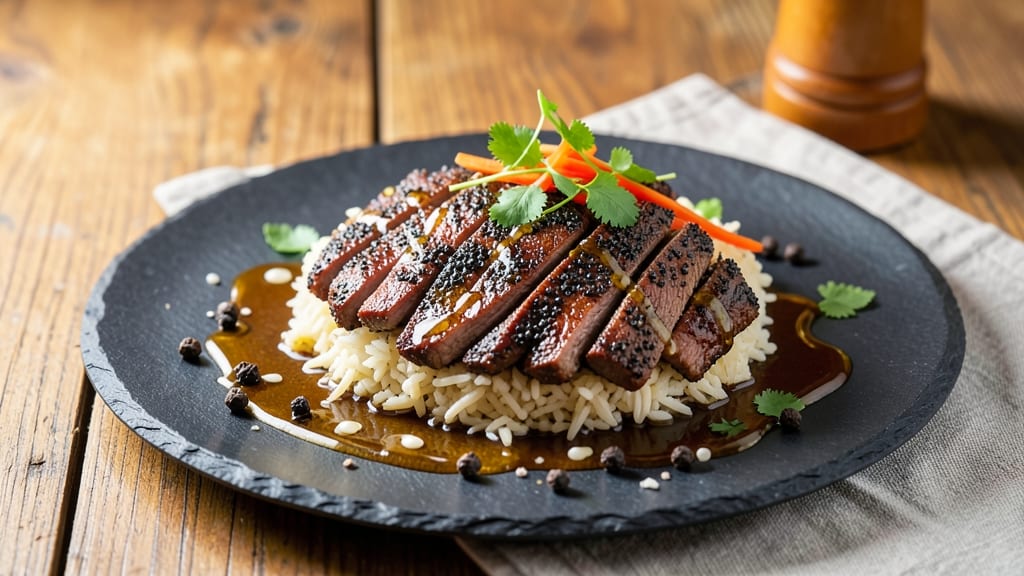
This Asian black pepper beef recipe delivers restaurant-quality depth with just one pan and 30 minutes of hands-on time. The secret lies in balancing bold black pepper heat with sweet soy and umami-rich ingredients, creating tender beef bites that stay juicy while developing a caramelized crust.
I perfected this technique after years of testing—each element must work together to avoid overwhelming the palate or drying out the meat.
What sets this dish apart is the marinating process, where beef tenderizes while absorbing flavors, followed by a quick sear that locks in juices. The black pepper isn't just a seasoning—it's the star, but we temper its intensity with honey and garlic for complexity.
This method ensures tender results without requiring slow cooking, making it ideal for weeknight dinners that still feel special.
By the time you plate it, you'll have perfectly caramelized beef with a glossy sheen from the sauce, served over steamed rice or noodles. The aroma alone—smoky, sweet, and slightly spicy—will draw everyone to the table.
The sauce clings to each bite, delivering layers of flavor with every forkful while maintaining that essential tenderness.
Pair it with quick-pickled vegetables for brightness or a simple cucumber salad to cut through the richness. The recipe scales effortlessly for crowds, and leftovers reheat beautifully, though I'd be surprised if any remain. Let's create this dish that proves bold flavors and simplicity can coexist perfectly.
Ingredients for asian black pepper beef
Bold flavors and precise technique transform simple ingredients into restaurant-quality Asian black pepper beef.
| Ingredient | Amount | Notes |
|---|---|---|
| Flank Steak 🥩 | 1 ½ lb | Thinly sliced against grain for tenderness |
| Black Peppercorns 🌶️ | 3 tbsp | Freshly cracked for maximum aroma |
| Soy Sauce 🥄 | ½ cup | High-quality, low-sodium preferred |
| Honey 🍯 | 2 tbsp | Pure, unprocessed honey |
| Garlic Cloves 🧄 | 6 cloves | Minced finely for even distribution |
| Ginger Root 🌿 | 1 tbsp | Freshly grated, not powdered |
| Sesame Oil 🫒 | 1 tbsp | Toasted, for authentic aroma |
| Vegetable Oil 🫒 | 2 tbsp | High smoke point for searing |
| Brown Sugar 🍚 | 1 tbsp | Light or dark, for caramelization |
| Rice Vinegar 🍶 | 1 tbsp | White or seasoned, for acidity |
| Cornstarch 🌾 | 1 tbsp | For sauce thickening |
| Green Onions 🧅 | 3 whole | Thinly sliced, for garnish |
| Sesame Seeds 🌱 | 1 tsp | Toasted, for texture |
| Diamond Crystal Kosher Salt 🧂 | 1 tsp | For seasoning balance |
The flank steak is non-negotiable here—its lean yet tender structure absorbs marinade perfectly while developing a caramelized crust. Look for USDA Choice or Prime cuts with visible marbling at Whole Foods or your local butcher shop. Slice it thinly against the grain (about 1/4-inch thick) for maximum tenderness. Costco often carries pre-sliced flank steak, which saves time. Freshly cracked black peppercorns (not pre-ground) deliver the most complex aroma—Penzeys or Spicewalla carry premium varieties, but any high-quality grocery store will have good options. The soy sauce should be low-sodium to control salt levels; Kikkoman or Lee Kum Kee are reliable choices.
No sesame oil? Toasted peanut oil works in a pinch, though flavor will differ slightly. Substitute agave nectar for honey if needed, but the natural sweetness balances the pepper's heat best. Powdered ginger can replace fresh, but use half the amount—it lacks the bright, citrusy notes of freshly grated. The brown sugar adds depth; coconut sugar is a 1:1 substitute for a more caramel-like flavor. For the rice vinegar, seasoned adds subtle umami, while white keeps it classic. The cornstarch is essential for thickening—arrowroot powder works too, but cornstarch gives a glossier finish. Green onions can be swapped for scallions, but the mild sweetness of Korean green onions (if available) elevates the dish.
Marinate the beef for at least 30 minutes (up to 4 hours) in the fridge—this ensures even flavor absorption. Prep all ingredients before starting: mince garlic and ginger, toast sesame seeds, and slice green onions. The sauce thickens quickly upon reduction, so keep it warm on low heat while searing the beef. Leftovers reheat beautifully—store in an airtight container for up to 4 days in the fridge or 3 months frozen. For crowd servings, double the recipe and use a large wok or cast-iron skillet—just ensure even heat distribution to avoid overcrowding. Garnish with toasted sesame seeds right before serving for maximum crunch.
Why You'll Love This Recipe
- Pantry-Only Magic: I swear by this one—no fancy ingredients, just what’s already lurking in your cupboards. The black peppercorns add that serious kick without needing a spice rack, and the honey cuts through the richness like a dream.
- Savory-Sweet Balance: That honey-soy glaze? It’s the kind of addictive contrast you’ll crave—tender steak with a sticky, slightly spicy finish. The garlic cloves get crushed right into the pan, so every bite packs flavor without extra prep.
- Lunchbox Hero: Between us, this is my go-to for meal prep. Slice the steak thin, toss it in a container, and it stays juicy for days. Honestly, I’ve eaten it cold straight from the fridge—no regrets.
- Budget Powerhouse: Flank steak stretches farther than you’d think, and the rest of the ingredients? Cheap as chips. I’ve fed four people for under $15, and they all asked for seconds. That’s a win in my book.
Step-by-step instructions for Asian black pepper beef
This method delivers melt-in-your-mouth tenderness with bold, aromatic flavors in one pan.
Prep the Flank Steak for Maximum Tenderness
Begin by slicing the 1.5 lb flank steak thinly against the grain—this ensures each bite has that signature tenderness. I use a sharp knife and make cuts about ¼-inch thick, working carefully to maintain even slices. The grain runs lengthwise, so look for those muscle fibers when positioning the meat.
Transfer the sliced steak to a bowl and sprinkle evenly with the 1 tsp diamond crystal kosher salt and 3 tbsp freshly cracked black peppercorns. Use your hands to massage the seasoning into every surface—this helps break down the muscle fibers slightly and ensures even distribution. Let the steak marinate for 15-20 minutes at room temperature while you prepare the sauce components. This brief resting period prevents the meat from shrinking dramatically during cooking.
Build the Flavorful Sauce Base
In a small bowl, whisk together the 0.5 cup soy sauce, 2 tbsp honey, 1 tbsp brown sugar, and 1 tbsp rice vinegar. This combination creates a balanced sweet-savory foundation while the vinegar adds a subtle brightness. Set this mixture aside while you prep the aromatics.
In a separate small bowl, finely mince the 6 cloves garlic and grate the 1 tbsp ginger root. The goal is to create a paste-like consistency—this ensures even distribution of flavor throughout the dish. I like to press the garlic through a garlic press for maximum efficiency, then mix it with the grated ginger using a spoon. This aromatic blend will form the heart of your sauce.
Sear the Steak and Create the Sauce
Heat a large skillet over medium-high heat until it's smoking hot. Add the 2 tbsp vegetable oil and swirl to coat the pan evenly. Working in batches if needed, add the marinated steak slices and sear for 1-2 minutes per side until they develop a rich, golden-brown crust. The high heat is crucial here—it creates that initial caramelization that builds flavor.
Once the steak is browned, remove it from the pan and set it aside on a plate. Immediately reduce the heat to medium and add the garlic-ginger paste to the same skillet. Cook for 30 seconds until fragrant—this prevents the garlic from burning while allowing its oils to release. Pour in the soy sauce mixture and bring to a gentle simmer, stirring constantly to deglaze the pan and incorporate all those flavorful browned bits.
Thicken and Finish the Sauce
In a small bowl, whisk together the 1 tbsp cornstarch with 2 tablespoons water to create a smooth slurry. This will help thicken the sauce to a perfect consistency. Return the seared steak to the skillet and pour the cornstarch slurry into the sauce, stirring continuously for 1-2 minutes until the sauce thickens noticeably and coats the back of a spoon.
Add the 1 tbsp sesame oil and taste to adjust seasoning. The sauce should be glossy with a balance of sweet, salty, and umami flavors. If it's too thick, add 1-2 tablespoons water to reach your desired consistency. The steak should be coated in this rich, aromatic sauce—this is where all the flavors come together.
Garnish and Serve Immediately
Transfer the black pepper beef to serving plates. Thinly slice the 3 whole green onions and sprinkle them evenly over the top, followed by the 1 tsp toasted sesame seeds. The green onions add a fresh contrast to the bold flavors, while the sesame seeds contribute texture and aroma.
Serve immediately while the steak is still sizzling hot. The dish should be vibrant with deep black pepper notes, sweet-savory sauce, and that perfect balance of textures—tender beef with a glossy, slightly sticky sauce. This recipe delivers restaurant-quality results with minimal effort, making it perfect for weeknight dinners or special occasions alike.
Pro Tips For Making Asian Black Pepper Beef
- CRUSH THE PEPPERCORNS: Flank steak needs freshly cracked black peppercorns—don’t use pre-ground powder. I learned this the hard way when my dish tasted flat; the oils in the peppercorns release better when crushed right before cooking. Use a mortar and pestle or a heavy pan for 30 seconds—just until they’re broken, not powdered.
- SEAR IN BATCHES: High heat is your friend here, but crowding the pan causes steaming instead of searing. Cut the flank steak against the grain into ½-inch strips and cook them in two batches if needed. A screaming-hot pan for 2 minutes per side gives you those caramelized edges that hold up to the soy-honey glaze.
- SAVE THE GARLIC: Don’t toss the garlic cloves in whole—smash them first with the flat side of your knife. This releases more flavor without burning, and you’ll get that aromatic punch without bitter bits. Plus, it cooks faster, so your sauce doesn’t turn into garlic paste.
- REST BEFORE SLICING: Flank steak is tough when hot, no matter how you slice it. After cooking, tent it with foil and let it sit for 5 minutes—this lets the fibers relax. Cutting too soon gives you chewy strips, and nobody wants that when the sauce is already singing. (Yes, even if you’re impatient like me.)
Best sauces and condiments for this recipe
Sweet-Savory Glaze
This dish thrives on its honey-brown sugar glaze, which balances the bold black pepper heat. For extra depth, I recommend adding 1 tsp grated orange zest to the sauce base—it brightens the flavors beautifully.
If you prefer a tangier profile, swap ½ tbsp rice vinegar for white vinegar and add ½ tsp red pepper flakes for subtle heat. The glaze should coat the beef like a glossy sheen, so don’t rush the reduction—let it simmer for 3-4 minutes to develop caramelized notes. 🍯
Umami Boosters
Elevate the sauce with 1 tbsp fish sauce (like Red Boat) for deeper umami complexity, or use 1 tsp oyster sauce for a richer finish. For vegetarian-friendly umami, stir in 1 tsp mushroom powder or 1 tbsp soy sauce reduction.
I also love adding 1 tsp toasted sesame paste for nutty depth—just whisk it into the sauce at the end. These additions amplify the dish’s restaurant-quality flavor without overpowering the black pepper. 🥄
Spicy Variations
For those who crave heat, add 1 tsp gochujang (Korean chili paste) or ½ tsp chili crisp to the sauce for smoky-spicy depth. If you prefer fresh heat, toss in 1 tbsp finely chopped Thai bird’s eye chilies during the last 30 seconds of cooking.
For a balanced kick, mix 1 tsp sriracha with 1 tsp honey and drizzle it over the finished dish. Always taste as you go—adjust to your preference! 🌶️
Herbaceous Garnishes
Beyond green onions, try cilantro for a bright, citrusy contrast or Thai basil for an aromatic finish. Toast 1 tsp black sesame seeds in a dry pan for 30 seconds until fragrant, then sprinkle over the top.
For a pop of color, add microgreens or shredded red cabbage—they add freshness and visual appeal. Garnishes should complement, not compete, with the bold flavors of the beef. ✨
Dipping Sauces
Serve with a quick-pickled cucumber sauce (mix ¼ cup rice vinegar, 1 tbsp honey, and ½ tsp salt with thinly sliced cucumbers) to cut through the richness. For a creamy option, blend 2 tbsp Greek yogurt with 1 tsp lime juice and ½ tsp black pepper.
A spicy mayo (mix 2 tbsp mayo with ½ tsp sriracha and 1 tsp soy sauce) adds another dimension. These sauces let guests customize their experience. 🍶
Sauce Storage Tips
Leftover sauce keeps well in an airtight container for up to 5 days in the fridge. To reheat, warm it gently over low heat with 1-2 tbsp water to restore its glossy texture.
For freezing, portion the sauce into ice cube trays, then transfer cubes to a bag—this makes it easy to thaw just what you need. The sauce thickens when cold, so thin it with water or broth before reheating. 💫
Nutrition facts
Frequently asked questions
Can I use a different cut of beef?
Flank steak is ideal for this recipe because its lean yet tender structure absorbs marinade perfectly while developing a caramelized crust. For best results, use skirt steak or sirloin as alternatives—they slice thinly against the grain. Avoid tougher cuts like chuck roast, as they won't achieve the same tenderness. If using ribeye, trim excess fat first to prevent excessive smoke during searing.
How can I make this dish less spicy?
Reduce the black pepper to 1 tbsp (instead of 3 tbsp) and omit any additional chili additions. For extra mildness, substitute half the soy sauce with coconut aminos or low-sodium chicken broth to dilute the pepper's intensity. The honey and brown sugar naturally balance heat, so don't reduce those amounts. Taste the sauce before serving to adjust.
What's the best way to slice flank steak?
Slice the steak thinly against the grain—look for the muscle fibers running lengthwise and cut perpendicular to them. Aim for ¼-inch thick slices. Use a sharp knife and work carefully to maintain even thickness. For easier slicing, freeze the steak for 30 minutes before cutting, then let it sit at room temperature for 15 minutes before marinating. This prevents the slices from sticking together.
Can I prepare this recipe ahead of time?
Marinate the beef for up to 4 hours ahead, but wait to sear it until ready to serve. The sauce can be made 1 day ahead—store it in an airtight container and reheat gently with 1 tbsp water to restore thickness. For make-ahead meals, refrigerate the cooked beef and sauce separately, then reheat in a skillet over medium heat for 2-3 minutes until warmed through. Garnish fresh before serving.
What are the best sides for this dish?
Serve with jasmine rice or steamed white rice to soak up the bold sauce. For freshness, add a quick cucumber salad (tossed with rice vinegar and sesame seeds) or stir-fried bok choy. Heartier options include garlic mashed potatoes or roasted sweet potatoes. The contrast between the rich beef and light sides balances the meal perfectly.