
Main Courses
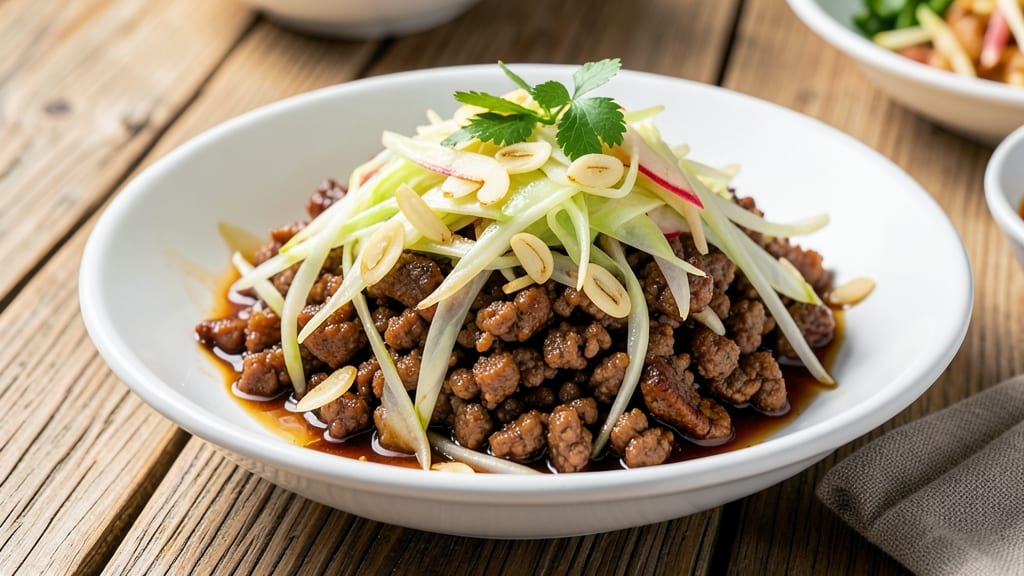
This Asian cabbage and ground beef recipe delivers restaurant-quality wok-seared edges and a silky sauce that balances sweet, savory, and umami flavors perfectly. 🔥 The secret lies in quick searing the beef to lock in juices while achieving that coveted crispy texture, then finishing with a glossy sauce that coats every bite.
I developed this recipe after years of experimenting with stir-fry techniques, and it's now a staple in my weeknight rotation.
What sets this dish apart is the combination of tender ground beef with crisp-tender napa cabbage—both cooked just enough to maintain texture while absorbing the rich, aromatic sauce. The process is straightforward: sear the beef until golden, then stir-fry the cabbage until slightly wilted but still holding its shape.
The sauce comes together in minutes with simple pantry staples, creating a glossy finish that ties everything together.
By the time you serve this dish, you'll have a plate that's visually stunning with its golden-brown beef and bright green cabbage, all glistened with that perfect sauce.
The flavors are complex yet balanced—sweet from the soy and honey, savory from the garlic and ginger, and umami-rich from the fish sauce. It's the kind of meal that feels special without requiring hours in the kitchen.
Serve this over steamed jasmine rice or with a side of quick-pickled vegetables for added brightness. The leftovers reheat beautifully, making it ideal for meal prep. Here's how to achieve that perfect wok-seared texture and silky sauce at home.
Ingredients for asian cabbage and ground beef
Pantry staples and fresh aromatics come together for crispy beef and silky sauce.
| Ingredient | Amount | Notes |
|---|---|---|
| Ground Beef (80/20) 🥩 | 1 ½ lb | 80% lean, finely chopped |
| Napa Cabbage 🥬 | 1 lb | Thinly sliced, core removed |
| Sesame Oil 🫒 | 1 tbsp | For aroma and flavor |
| Vegetable Oil 🫒 | 2 tbsp | High smoke point for searing |
| Garlic Cloves 🧄 | 4 cloves | Minced finely for depth |
| Fresh Ginger 🌿 | 2 tbsp | Finely grated, peeled |
| Low-Sodium Soy Sauce 🥄 | 3 tbsp | For umami balance |
| Honey 🍯 | 1 ½ tbsp | For sweetness and gloss |
| Fish Sauce 🐟 | 1 tbsp | For umami depth |
| Rice Vinegar 🍶 | 1 ½ tbsp | For brightness |
| Sesame Seeds 🌾 | 1 tbsp | Toasted for garnish |
| Green Onions 🧅 | 3 whole | Sliced thin for garnish |
| Salt 🧂 | ½ tsp | Kosher or sea salt |
| Black Pepper 🌶️ | ¼ tsp | Freshly ground |
| Jasmine Rice 🍚 | 2 cups | Uncooked, for serving |
The ground beef is where the magic happens—80/20 fat ratio gives you that wok-seared crispiness while keeping it juicy. I grab mine from the butcher counter at Whole Foods or Trader Joe's when it's on sale, but the pre-packaged stuff at Kroger works just fine. For the cabbage, napa cabbage is ideal, but regular green cabbage in a pinch (just slice it thinner). The sesame oil? 100% pure, not the 'flavor' kind—Trader Joe's has a great affordable bottle. Fresh ginger and garlic? Always buy extra—you'll use them in everything.
No sesame oil? Avocado oil or neutral oil works for searing, but swap the flavor with a splash of toasted sesame paste if you're feeling fancy. Short on fish sauce? A splash of Worcestershire sauce (check for vegetarian if needed) or even extra soy sauce gets you close. The honey can be swapped for maple syrup if you prefer. For the cabbage, baby bok choy or regular cabbage both work—just adjust the cooking time slightly. The rice vinegar is key for that bright finish, but apple cider vinegar is a decent sub if that's what's open.
The beef keeps best in the fridge for 3 days if you're prepping ahead—freeze it for 3 months. Cabbage stays crisp for 5 days if stored properly (wrap tightly in a damp towel). The sauce components can be prepped 2 days ahead—just store them separately and combine when ready to cook. This reheats beautifully—just add a splash of water or broth to loosen the sauce. Double the batch if you're feeding a crowd—it's that good.
Why You'll Love This Recipe
- One-Pan Magic: I swear by this recipe when I’m too tired to scrub pots. Brown the beef, toss in the cabbage, and let the garlic and sesame oil work their magic—no extra bowls, no stress.
- Umami Bomb: That 80/20 ground beef? Rich, juicy, and packed with flavor. The crisp-tender cabbage soaks up the sesame oil and garlic like a sponge, turning every bite into a little flavor explosion.
- Lunchbox Hero: Between us, this is my go-to for meal prep. Double the batch, store it in containers, and reheat it all week—whether it’s a quick office lunch or my kid’s school lunch (they’ll eat it, I promise).
- Budget Win: Ground beef and cabbage are cheap, but they feel like a fancy meal. Honestly, I make this when I’m pinching pennies, and no one ever guesses it’s not takeout. Leftovers taste just as good the next day.
Step-by-step instructions for wok-sear cabbage and beef
Here's how to create crispy edges and a silky sauce that'll make this dish your new favorite.
🍳 Step 1: Cook the Jasmine Rice to Perfection
Rinse the 2 cups jasmine rice thoroughly under cold water until the water runs clear. This removes excess starch that can make the rice gummy. Transfer the rice to a pot with 2 cups water (or follow package instructions) and bring to a boil over high heat. Once boiling, reduce heat to low, cover tightly, and simmer for 15 minutes. Turn off the heat and let it steam for another 10 minutes without lifting the lid. This resting time ensures each grain absorbs moisture evenly, giving you fluffy, separate grains ready to soak up all that delicious sauce.
While the rice cooks, prep the rest of your ingredients. Thinly slice the 1 lb napa cabbage by hand or with a mandoline for even cooking. You want strips about ¼-inch wide—this ensures they crisp up nicely while staying tender inside. Finely grate the 2 tbsp fresh ginger and mince the 4 cloves garlic cloves so they dissolve into the sauce rather than staying as distinct pieces. Here's where the magic begins—getting these aromatics ready while the rice steams saves you from last-minute scrambling.
🔥 Step 2: Sear the Ground Beef for Maximum Flavor
Heat a large wok or skillet over high heat until it's smoking hot. Add 2 tbsp vegetable oil and swirl to coat the entire surface. This high heat is crucial—it creates that signature wok-sear that locks in juices and builds deep flavor. Add the 1.5 lb ground beef (80/20) and break it apart with a spatula, working quickly to keep the pieces small and even.
Cook the beef undisturbed for 2-3 minutes until it releases from the pan and starts to brown. This is where you'll get those crispy edges we're after. Once browned, stir in the minced garlic cloves and ginger—they'll sizzle and release their aromatic oils in seconds. Immediately add 3 tbsp low-sodium soy sauce, 1 tbsp fish sauce, and 1.5 tbsp rice vinegar. Let this mixture bubble vigorously for 1-2 minutes until the raw garlic smell disappears and the beef is fully cooked through. The fat from the beef will help create that glossy sauce we're building.
🥘 Step 3: Build the Silky Sauce with Crispy Cabbage
Push the beef mixture to one side of the wok and add another 1 tbsp vegetable oil. Toss in the sliced napa cabbage and stir-fry for 3-4 minutes until the edges start to soften but still hold their shape. Here's the thing—you want the cabbage to stay slightly crisp-tender, not mushy. Once the cabbage is partially cooked, mix it with the beef mixture and add 1.5 tbsp honey. Stir well to combine everything and let it cook for another 1-2 minutes until the sauce thickens slightly and coats the cabbage.
Taste the mixture and adjust seasoning if needed. You might want to add a pinch more salt or a splash of rice vinegar for brightness. The sauce should be glossy and cling to the cabbage and beef—this is your silky sauce in action. Remove from heat and let it sit for 1 minute to allow all the flavors to meld together. This resting time is crucial for developing that restaurant-quality depth of flavor.
🍽️ Step 4: Assemble and Garnish for Presentation
Divide the cooked jasmine rice among four plates. Spoon the beef and cabbage mixture over the rice, making sure each serving gets an even distribution. The rice should be fluffy and separate, ready to soak up all that delicious sauce. Drizzle each serving with 1 tbsp sesame oil and sprinkle with 1 tbsp toasted sesame seeds. Toast the sesame seeds in a dry skillet over medium heat for 1-2 minutes until they're fragrant and golden—this adds an extra layer of flavor and texture.
Finally, garnish each plate with thinly sliced green onions. I like to use both the white and green parts for a pop of color and freshness. The contrast between the crispy cabbage edges, silky sauce, and fluffy rice makes this dish visually stunning. Serve immediately while everything is hot and the flavors are at their peak. This dish tastes even better the next day when the flavors have had time to meld together, but it's so good fresh that you might not make it that far!
Pro Tips For Making Asian Cabbage And Ground Beef
- CRISP THE CABBAGE FIRST: Shred the Napa cabbage thin—almost like coleslaw—and blanch it in boiling water for 30 seconds before stir-frying. This softens it just enough to caramelize properly without turning mushy. I used to skip this and ended up with a sad, limp pile. Trust me, the texture changes everything.
- BROWN THE BEEF LOW AND SLOW: Resist the urge to rush the beef browning—cook it on medium-low heat for 5-6 minutes, breaking it into small chunks with a wooden spoon. High heat makes it rubbery; patience gives you that deep, savory flavor that holds up in the stir-fry. (Yes, even if you’re impatient like me.)
- SAVE THE SESAME OIL: Add sesame oil at the very end—just before serving—so it doesn’t burn off and turn bitter. A teaspoon swirled in last gives that nutty aroma without overpowering. I learned this the hard way after accidentally cooking it in from the start.
- GARLIC: MINCE IT FINE: Don’t chop your garlic—press it through a garlic press or mince it until it’s almost paste-like. This ensures it blends smoothly into the beef instead of sitting in chunks. My grandmother swore by this, and she was right: it makes the dish taste more cohesive.
Best sauces and condiments for this recipe
Classic Soy-Ginger Sauce
This dish's signature sauce combines the umami depth of low-sodium soy sauce with the bright, zesty kick of rice vinegar and the aromatic warmth of fresh ginger.
I use 3 tbsp soy sauce, 1.5 tbsp rice vinegar, and 2 tbsp finely grated ginger as the base, then balance it with 1.5 tbsp honey for sweetness and 1 tbsp fish sauce for that essential umami punch.
The sauce should coat the beef and cabbage like silk, clinging to every bite without being overly thick. 🥄
Sweet and Tangy Glaze
For a sweeter, more vibrant finish, create a quick glaze using 1.5 tbsp honey, 1 tbsp rice vinegar, and 1 tsp sesame oil.
Heat this mixture in a small saucepan over medium heat until it thickens slightly (about 2-3 minutes), then whisk in 1 tsp minced garlic and ½ tsp grated ginger for extra depth.
Drizzle this glaze over the finished dish just before serving—it adds a beautiful glossy sheen and a perfect balance of sweet and tangy flavors.
Spicy Sesame Dressing
If you love a little heat, blend 1 tbsp toasted sesame oil, 1 tbsp soy sauce, 1 tbsp rice vinegar, 1 tsp honey, ½ tsp gochujang (Korean chili paste), and 1 tsp grated ginger with 2 tbsp water until smooth.
This dressing adds a fiery kick while keeping the dish balanced. Drizzle it over the top or serve it on the side for dipping—it’s especially good with extra crispy cabbage edges. 🌶️
Creamy Coconut Sauce
For a richer, creamier option, replace the soy sauce with 1 tbsp coconut aminos (or regular soy sauce) and stir in ½ cup light coconut milk at the end of cooking. Add 1 tsp fish sauce and 1 tsp honey to balance the sweetness.
This sauce works beautifully with the cabbage and beef, adding a subtle tropical note that pairs well with the savory flavors. It’s a great choice if you’re serving this dish for a lunch or brunch crowd.
Quick Pickled Vinaigrette
Brighten up the dish with a simple pickled vinaigrette made from 2 tbsp rice vinegar, 1 tbsp honey, 1 tsp sesame seeds, and ½ tsp red pepper flakes. Mix it with 1 tbsp water and let it sit for 10 minutes to infuse the flavors.
Drizzle this over the cabbage and beef just before serving—it adds a refreshing tang that cuts through the richness of the beef and sauce. This is my go-to when I want to keep the dish light and fresh.
Nutrition facts
Frequently asked questions
Can I substitute napa cabbage with regular green cabbage?
Yes, but you'll need to adjust the cooking time. Regular green cabbage has a denser texture, so slice it ⅛-inch thick instead of ¼-inch and stir-fry for 2-3 minutes less to avoid overcooking. The flavor will be slightly milder, but it works perfectly in a pinch!
How do I prevent the ground beef from becoming greasy?
Use 80/20 ground beef (not leaner) and cook it in batches if needed. Drain excess fat after searing but before adding sauce. For extra crispiness, pat the beef dry with paper towels before cooking. This ensures better browning and less grease in your final dish.
Can I make this recipe ahead of time?
Cook the beef and cabbage mixture, then store it in an airtight container in the fridge for 3-4 days. Reheat gently with a splash of water or broth to restore moisture. The flavors actually improve overnight as they meld together. Just warm through thoroughly before serving.
What's the best way to add extra protein?
Try adding ½ lb sliced shiitake mushrooms (stir-fried first) or 1 cup cooked edamame for plant-based protein. For meat lovers, swap half the beef for ground pork or add ½ cup chopped scallions at the end for freshness. Keep the cooking time short to maintain texture.
Why did my cabbage turn mushy?
Overcooking is the most common cause. Stir-fry cabbage for only 3-4 minutes max—it should stay slightly crisp. Also ensure your pan isn't overcrowded. Cook in batches if needed, and use high heat to maintain texture. The cabbage should wilt just enough to soften edges while staying tender inside.