
Main Courses
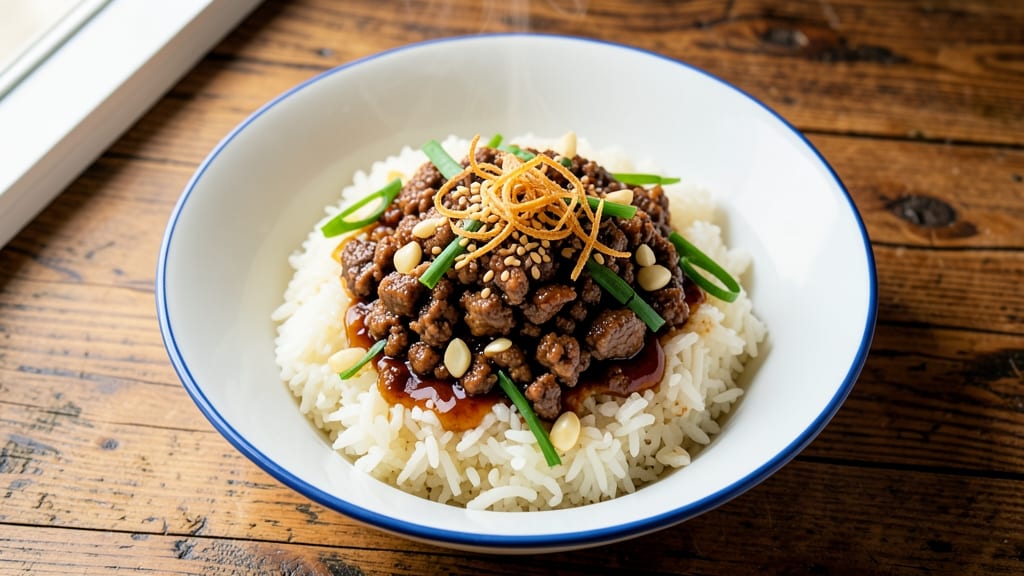
This Asian ground beef and rice recipe delivers restaurant-quality umami in every bite, blending fragrant jasmine rice with perfectly seared beef and bold soy-based flavors. The secret lies in high-heat wok searing that develops deep caramelized notes while keeping the beef tender, paired with aromatic garlic, ginger, and scallions.
I’ve refined this technique over years to balance rich, savory flavors with just the right amount of heat—no takeout needed.
The beauty of this dish is its versatility—adapt it for quick weeknight dinners or slow-cooked versions that deepen the flavors even more. We’ll start with the beef, searing it until deeply browned for maximum flavor, then combine it with fragrant rice cooked in a light broth.
Optional stir-fried vegetables add freshness, while a final splash of sesame oil ties everything together.
What you’ll end up with is a harmonious one-pan meal where each component shines: tender beef infused with wok hei, fluffy jasmine rice absorbing the savory sauce, and bright aromatics cutting through the richness. The dish serves four generously, making it perfect for family dinners or meal prep.
Ready to transform simple ingredients into a restaurant-worthy Asian-inspired feast? Let’s get started with the step-by-step instructions that ensure foolproof results every time.
Ingredients for asian ground beef and rice
Perfectly seared beef meets fragrant jasmine rice in this umami-rich Asian-inspired dish.
| Ingredient | Amount | Notes |
|---|---|---|
| Ground Beef (80/20 fat ratio) 🥩 | 1 ½ lb | Chopped fine for even cooking |
| Jasmine Rice 🍚 | 1 ½ cups | Uncooked, long-grain preferred |
| Low-Sodium Soy Sauce 🥢 | ½ cup | High-quality, Japanese preferred |
| Garlic Cloves 🧄 | 6 cloves | Minced for aromatic depth |
| Fresh Ginger 🌿 | 2 tbsp | Grated, peeled, for zesty kick |
| Green Onions 🧅 | ½ cup | Thinly sliced, white and green parts |
| Sesame Oil 🫒 | 1 tbsp | Toasted, for finishing |
| Vegetable Oil 🫒 | 2 tbsp | High smoke point for searing |
| Low-Sodium Chicken Broth 💧 | 1 ½ cups | Homemade or quality store-bought |
| Honey 🍯 | 1 tbsp | For balancing soy sauce sweetness |
| White Pepper 🌶️ | ½ tsp | Freshly ground for subtle heat |
| Optional Baby Carrots 🥕 | 1 cup | Julienned, for added crunch |
| Optional Bell Peppers 🍆 | ½ cup | Diced, mixed colors preferred |
| Salt 🧂 | 1 tsp | Diamond Crystal preferred |
| Black Pepper 🌶️ | ½ tsp | Freshly cracked for aroma |
The ground beef quality makes all the difference here—80/20 fat ratio ensures juiciness while searing. Costco or local butcher shops often carry the best cuts for this purpose, though grocery store ground beef works fine if labeled properly. For the jasmine rice, Thai Kitchen brand is reliable, but any premium long-grain variety will do. Fresh ginger and garlic should be vibrant—no woody stems or dried-out cloves. The soy sauce should be Japanese-style with at least 15% sodium content for authentic flavor, though low-sodium works if you adjust seasoning later. Optional veggies can be prepped ahead—they'll keep fresh for 3 days in the fridge when stored in airtight containers.
No sesame oil? Toasted peanut oil at half the amount works in a pinch, though the flavor profile differs slightly. Substituting regular soy sauce? Reduce to 3 tablespoons and add an extra teaspoon of honey to balance. The chicken broth can be swapped for vegetable broth or water, though homemade adds depth. For a quicker version, pre-minced garlic and ginger from the freezer aisle saves time—just check for ice crystals. The optional veggies? Frozen stir-fry mix thaws perfectly for this dish, though fresh is always better. If you're using bell peppers, red and yellow add natural sweetness that complements the savory beef.
Prep the aromatics first—they'll release flavors while you cook. Store fresh ginger in the freezer to preserve its potency for up to 3 months. The cooked rice keeps well for 4 days in the fridge, though it reheats best when combined with a splash of water. For meal prep, portion the beef and sauce separately—reheat the sauce first, then stir in the beef to prevent drying. The dish freezes beautifully for up to 2 months if stored in airtight containers, with the sauce layering over the beef to protect it. Always cool components completely before freezing to prevent ice crystals.
Why You'll Love This Recipe
- One-Pan Magic: I swear by this recipe when I’m too tired to wash dishes. Brown the beef right in the same pan you’ll cook the rice—no extra pots, no fuss. The fat from the 80/20 ground beef even crisps up the edges of the rice like a cheat code.
- Umami Bomb: That low-sodium soy sauce and fresh ginger? It’s the secret weapon. The beef gets this deep, savory caramelization while the garlic cloves sizzle until they’re golden—like a tiny flavor explosion in every bite. Honestly, my kids ask for it over takeout.
- Lunchbox Hero: Between us, this is my go-to for meal prep. Cook a big batch of jasmine rice, mix in the beef, and portion it out—it stays fresh for days. Pack it cold for work or reheat it in seconds. (Yes, even on a Tuesday night when you’re running late.)
- Budget Powerhouse: Ground beef and rice? Check. Pantry staples? Double-check. This feeds four for under $10 and stretches into leftovers that taste just as good the next day. I’ll be real: it’s my wallet’s favorite meal.
Step-by-step instructions for wok-seared umami ground beef with jasmine rice
Here's the precise method for developing deep wok hei flavor while maintaining tender beef and perfectly fragrant rice.
Prepare the Jasmine Rice for Even Cooking
Rinse the 1.5 cups jasmine rice thoroughly under cold water until the water runs clear. This removes excess starch that would make the rice gummy. Drain completely in a fine-mesh strainer, then transfer to a bowl and let it sit for 20 minutes at room temperature.
While the rice rests, combine it with the 1.5 cups low-sodium chicken broth and 1 tsp salt in a pot. Bring to a boil over medium-high heat, then immediately reduce to low heat, cover tightly, and remove from heat. Let it steam undisturbed for 15 minutes—this resting period allows the rice to absorb liquid evenly without developing a hard crust.
Develop the Umami Base with Aromatics and Soy
Heat the 2 tablespoons vegetable oil in a wok or large skillet over medium-high heat until shimmering. Add the 6 cloves minced garlic and 2 tablespoons grated ginger, stirring constantly for 30 seconds until fragrant but not browned—ginger burns quickly, so watch closely.
Add the 1.5 pounds ground beef (80/20 fat ratio) and break it apart with a wooden spoon. Cook undisturbed for 3-4 minutes until the beef loses its raw color and begins to brown. This initial sear develops the rich, meaty foundation of the dish. If using the optional 1 cup julienned baby carrots and 0.5 cup diced bell peppers, add them now and stir for 2 minutes until slightly softened.
Build Complexity with Soy and Honey Balance
Pour in the 0.5 cup low-sodium soy sauce and 1 tablespoon honey, stirring vigorously to deglaze the pan. The mixture will bubble vigorously—this is normal as the soy sauce breaks down the browned bits. Let it simmer for 2-3 minutes until slightly reduced and glossy.
Season with the 0.5 teaspoon white pepper and 0.5 teaspoon black pepper, then add the 0.5 cup sliced green onions. Stir for another 30 seconds to distribute the flavors evenly. The dish should now have a rich, savory aroma with a hint of sweetness from the honey.
Finish with Fragrant Sesame Oil and Rest
Remove the wok from heat and stir in the 1 tablespoon toasted sesame oil. This final touch adds a nutty aroma and subtle depth to the dish. Let the beef mixture rest for 5 minutes while you fluff the rice with a fork, gently separating the grains.
To serve, divide the fragrant jasmine rice among plates and top with the wok-seared beef mixture. The rice should be light and fluffy with individual grains visible, while the beef should be tender with a glossy, umami-rich sauce clinging to each piece. Garnish with additional green onions if desired, and serve immediately while the aromas are at their peak.
Pro Tips For Making Asian Ground Beef And Rice
- CRISP THE GINGER: I learned this the hard way—grating ginger too finely turns it into mush. Use a microplane or the side of your knife to make thin, uneven matchsticks. They’ll toast beautifully and add texture that disappears if you over-chop it.
- SALT THE MEAT FIRST: Sprinkle the raw ground beef with ½ teaspoon salt and let it sit while you prep everything else. The salt breaks down proteins, so the beef browns better and doesn’t turn greasy when you stir-fry it later.
- DON’T RUSH THE GARLIC: After cooking the beef, pull the pan off heat for 30 seconds before adding minced garlic. This prevents burning, which turns your sauce bitter. If the pan’s still screaming hot, you’re doing it wrong.
- STEAM THE RICE SEPARATELY: I skip the “one-pot” shortcut—cook the rice ahead and reheat it with a splash of water in the microwave. This keeps the grains distinct and prevents the beef sauce from turning the rice into a gluey mess. (Yes, even if you’re impatient like me.)
Perfect pairings for this asian ground beef and rice
Classic Asian Sides
Steamed bok choy with a sprinkle of toasted sesame seeds adds a crisp, slightly bitter contrast to the rich beef.
I like to blanch 4 large bok choy in boiling water for 2 minutes, then finish with a drizzle of 1 tsp soy sauce and ½ tsp sesame oil. For extra flair, top with crispy fried shallots—just ½ cup adds irresistible crunch. 🥬
Kimchi brings tangy heat that cuts through the dish’s richness. Store-bought or homemade, serve ½ cup per person alongside the main. For a quick prep, toss 2 cups napa cabbage with ¼ cup gochujang and 1 tbsp rice vinegar, then chill for 1 hour before serving. The probiotics also aid digestion, making it a healthful addition.
Fresh Vegetable Accompaniments
Quick-pickled cucumber slices brighten the plate with refreshing acidity. Thinly slice 1 English cucumber, then toss with 2 tbsp rice vinegar, 1 tsp sugar, and a pinch of salt.
Let sit for 15 minutes—no cooking required. Garnish with thinly sliced red pepper for a pop of color. 🥒
Stir-fried snap peas add sweetness and texture. Blanch 1 cup snap peas for 1 minute, then shock in ice water. Toss with 1 tsp vegetable oil, ½ tsp garlic powder, and a pinch of salt. The peas stay vibrant and crisp, balancing the dish’s hearty flavors.
Beverage Pairings
A lightly chilled jasmine tea complements the dish’s floral notes without overpowering. Brew 2 tea bags in 2 cups hot water for 3 minutes, then chill for 1 hour.
Serve over ice—its delicate aroma enhances the beef’s umami. For a caffeine-free option, try hibiscus tea with a squeeze of lemon. ☕
For beer lovers, a crisp Japanese lager** like Sapporo or Asahi Super Dry cleanses the palate. The light maltiness contrasts the dish’s bold soy flavors, while the carbonation refreshes. Avoid heavy stouts—they’ll clash with the dish’s delicate balance. 🍺
Nutrition facts
Frequently asked questions
Can I use lean ground beef instead of 80/20 fat ratio?
While you can use leaner ground beef, the 80/20 fat ratio is ideal for developing rich, caramelized flavors during searing. If using 90% lean, add an extra 1 teaspoon of soy sauce and ½ teaspoon of honey to compensate for the reduced fat content. The beef will be slightly less juicy but still delicious.
How do I prevent the rice from getting mushy?
Rinse the rice thoroughly to remove excess starch, then let it rest for 20 minutes before cooking. Use a tight-fitting lid and reduce heat to low immediately after boiling. Never lift the lid during the 15-minute steaming time—this releases steam and causes uneven cooking.
What if I don't have sesame oil?
Toasted peanut oil or even a light drizzle of toasted sesame seeds can work in a pinch. For best results, use ½ teaspoon of sesame seeds toasted in a dry pan for 30 seconds and sprinkle on top. The flavor won't be identical, but it'll still add nutty depth to the dish.
Can I make this in a slow cooker?
Yes! Brown the beef first in a skillet, then transfer everything to a slow cooker. Cook on low for 4-5 hours or high for 2-3 hours, stirring occasionally. The flavors will meld beautifully, though the texture will be slightly softer than wok-seared beef.
Why does my beef turn out dry?
Overcooking or stirring too frequently causes dry beef. Cook the beef in one batch without stirring for the first 3-4 minutes to develop a proper crust. Also, avoid preheating the pan with oil—heat the pan first, then add oil to prevent burning.