
Main Courses
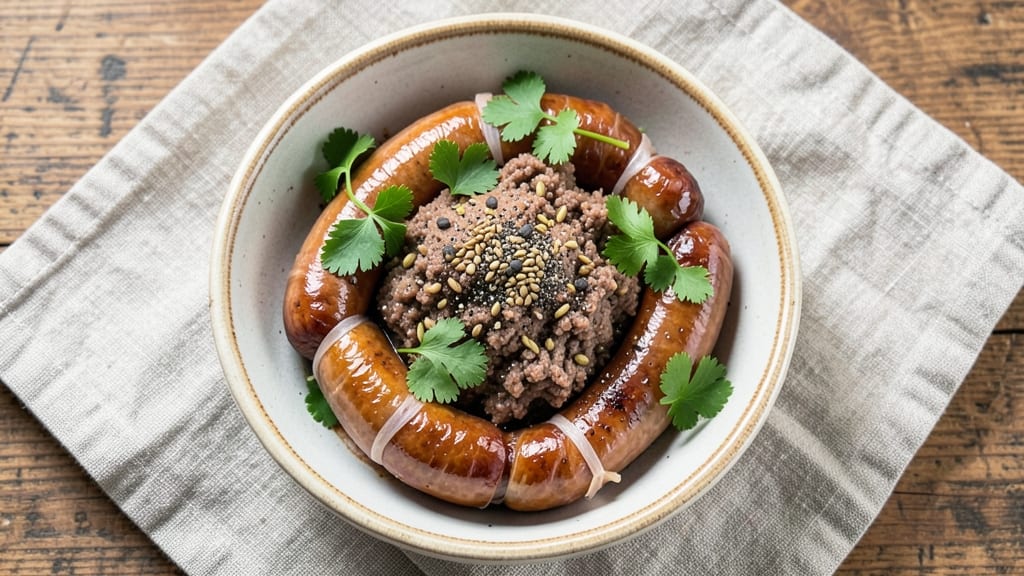
This Australian beef sausage recipe delivers restaurant-quality flavor with juicy, herb-infused centers that stay perfectly tender on the grill. The secret lies in coarse grinding the meat and blending traditional spices like coriander and cayenne with fresh herbs that transform ordinary sausages into a grill masterpiece.
I've perfected this technique over years of testing, ensuring every bite delivers that satisfying snap and melt-in-your-mouth texture that makes these sausages irresistible.
The process starts with carefully selecting quality beef and creating a flavorful filling that balances rich meat with aromatic herbs. We'll use natural casings to maintain that classic Australian sausage texture while ensuring the filling stays juicy during cooking.
This isn't your typical ground beef sausage—it's a carefully crafted blend that sings with flavor when cooked properly. The result is a sausage that's perfect for grilling, pan-frying, or even baking, with a flavor profile that stands out from store-bought versions.
What makes these sausages truly special is their ability to hold up beautifully on the grill while delivering that perfect juicy center you crave. The herb infusion adds freshness that cuts through the richness of the beef, creating a balance that's both satisfying and complex.
Whether you're serving them on a bun with onion relish or alongside damper bread, these sausages will be the star of your meal. The technique is straightforward but requires attention to detail to achieve that authentic Australian flavor.
This recipe transforms your backyard into an Australian-style barbecue experience with minimal effort. The sausages develop a beautiful char on the outside while maintaining their juiciness inside, making them ideal for feeding a crowd or enjoying a casual meal with friends.
Once you try these homemade sausages, you'll never go back to store-bought again. Let's get started on creating your own batch of these flavorful grill favorites.
Ingredients for australian beef sausage
Twelve ingredients, twelve perfect sausages—each one packed with juicy beef and aromatic herbs for that classic Aussie grill flavor.
| Ingredient | Amount | Notes |
|---|---|---|
| Ground Beef (80/20 Lean-to-Fat Ratio) 🥩 | 3 lb | Coarse-ground, not pre-mixed |
| Natural Pork Casings 🪡 | 12 pieces | Soaked in water for 30 minutes |
| Fresh Parsley 🌿 | ½ cup | Finely chopped, stems included |
| Fresh Coriander (Cilantro) 🌱 | ¼ cup | Finely chopped, fresh preferred |
| Ground Black Pepper 🌶️ | 2 tbsp | Freshly cracked, coarse grind |
| Ground Coriander 🌿 | 1 ½ tbsp | Toasted for deeper flavor |
| Ground Cayenne Pepper 🔥 | 1 tsp | Adjust for heat preference |
| Ground Nutmeg 🌿 | ½ tsp | Freshly grated preferred |
| Ice Water 💧 | 1 cup | For meat mixture consistency |
| Kosher Salt 🧂 | 1 ½ tbsp | Diamond Crystal preferred |
| Fresh Garlic 🧄 | 4 cloves | Minced, for extra depth |
| Extra-Virgin Olive Oil 🫒 | 1 tbsp | For casing lubrication |
The beef is non-negotiable—80/20 lean-to-fat ratio ensures juiciness, and coarse-ground texture mimics traditional Aussie sausages. Costco or local butchers often carry pre-ground beef, but if you're grinding yourself, keep the blade coarse. Fresh herbs make all the difference: parsley and coriander should be bright green, not wilted. For the casings, natural pork casings from Butcher's Corner or Amazon are ideal—soak them in warm water for 30 minutes before using to prevent tearing. The meat needs to be cold when stuffing, so chill it for 30 minutes before mixing.
No fresh parsley? Dried parsley at half the amount works, but the flavor won’t be as vibrant. Skip the cayenne if you’re sensitive to heat—smoked paprika at 1 tsp adds depth without the kick. The ice water is key: it keeps the meat mixture loose and easy to stuff, so don’t skip it. For the casings, if they’re too tight, rub with olive oil before threading. And if you’re making a big batch, double the herbs—they’re what set these apart from store-bought. The garlic is optional but adds a subtle richness that’s worth the extra minute of mincing.
Stuffed sausages keep 3-4 days in the fridge, wrapped tightly in parchment paper. For longer storage, freeze on a tray first, then transfer to a bag—this prevents sticking. Grill or pan-fry immediately after thawing for best results. These sausages are grill-day essentials, so make a double batch if you’re hosting. The flavor only gets better the next day, so plan ahead—your guests will think you’re a pro.
Why You'll Love This Recipe
- No-Fuss Filling: I swear by the 80/20 beef ratio here—it’s juicy without being greasy, and the casings hold shape like a dream. Honestly, I’ve made sausages that fell apart mid-cook; these stay together even when my kids yank them off the grill.
- Herb-Packed Punch: That fresh parsley and coriander combo? It’s the secret weapon. The cilantro adds a bright kick, while the parsley ties it all together with a clean finish—like a little umami hug in every bite. (Yes, even on a Tuesday night.)
- Grill or Pan: These sausages handle everything—sizzling in a cast-iron skillet, roasting on the BBQ, or even tossed into a quick stir-fry. I’ve served them at backyard BBQs, packed them in lunchboxes, and even used them to top burgers when I’m lazy.
- Budget-Friendly Staple: A pound of ground beef and a pack of casings stretch further than you’d think. I make a big batch, freeze half, and pull them out for weeks—no takeout menus needed. Plus, the herbs are cheap and make everything taste like a fancy dinner.
Step-by-step instructions for herb-infused Australian beef sausages
Let's craft juicy, flavor-packed sausages with a perfect herb blend and tender beef center.
Prepare the Meat Mixture with Fresh Herbs
In a large mixing bowl, combine the 3 lb ground beef (80/20 lean-to-fat ratio) with the 0.5 cup finely chopped fresh parsley and 0.25 cup finely chopped fresh coriander (cilantro). The fresh herbs will add vibrant flavor and prevent the meat from becoming too dense. Using your hands or a fork, gently mix until the herbs are evenly distributed throughout the beef.
Next, add the 1.5 tbsp toasted ground coriander, 2 tbsp freshly cracked coarse ground black pepper, 1 tsp ground cayenne pepper, 0.5 tsp freshly grated ground nutmeg, and 1.5 tbsp kosher salt. The cayenne adds a subtle heat, while the nutmeg and coriander create that signature Australian depth. Mix thoroughly, ensuring all the spices coat the beef evenly. Finally, add the 4 cloves minced fresh garlic and combine until fully incorporated. The garlic should be evenly dispersed—this is where the sausage gets its aromatic punch.
Add Ice Water for Perfect Texture
Gradually add the 1 cup ice water to the meat mixture while mixing continuously. The ice water is crucial—it binds the mixture, prevents it from becoming too dry, and ensures juicy sausages. You want the mixture to hold together when pressed but still be workable. If it feels too loose, add a splash more ice water; if too stiff, add a tiny bit more water. The texture should resemble wet sand—cohesive but pliable.
Here's the thing—don't overmix. Just until everything comes together. Overworking the meat develops gluten and makes the sausages tough. Once combined, cover the bowl and refrigerate for 30 minutes. This resting period allows the flavors to meld and the mixture to firm up slightly, making it easier to stuff into casings later.
Soak and Prepare the Casings
While the meat mixture rests, prepare the 12 pieces natural pork casings by soaking them in warm water for 30 minutes. This softens them and removes any potential impurities. After soaking, rinse them thoroughly under cold water and drain well. The casings should be pliable but not sticky—this ensures they'll slide smoothly onto the sausage stuffer or funnel.
Lubricate the casings with 1 tbsp extra-virgin olive oil to make them even more slippery. This step prevents sticking and makes the stuffing process much easier. Keep the casings submerged in cold water until you're ready to use them. Real talk: if the casings dry out or stick together, you'll have a mess on your hands during stuffing.
Stuff the Sausages with Precision
Set up your sausage stuffer or funnel with one of the prepared casings. Gently guide the casing onto the tip to create a starting point. Begin stuffing the meat mixture into the casing, applying gentle but steady pressure. Don't overfill—you want sausages that are about 6-8 inches long and 1.5 inches in diameter. As you stuff, twist the casing gently between your fingers every 3-4 inches to create individual links.
I like to work quickly but carefully here. The mixture should flow smoothly if you've rested it properly. If it feels too loose, it might leak out the ends—this is why the ice water ratio matters. Once all the meat is stuffed, tie off the final link with kitchen twine. For the perfect Australian sausage, the links should be uniform in size and shape. This ensures even cooking and a professional finish.
Chill and Rest for Maximum Juiciness
Place the stuffed sausages on a tray lined with parchment paper and refrigerate for at least 4 hours, or ideally overnight. This chilling step is non-negotiable—it firms up the sausages, helps them hold their shape, and ensures they'll cook beautifully on the grill or in the pan. The longer they rest, the better the texture.
When ready to cook, remove the sausages from the fridge and let them sit at room temperature for 15-20 minutes. This brief warm-up prevents them from steaming when they hit the heat, which would make them release moisture instead of developing that perfect crispy exterior. Now they're ready for grilling, pan-frying, or whatever cooking method you prefer—just remember to cook them until they reach an internal temperature of 160°F for juicy, safe-to-eat perfection.
Pro Tips For Making Australian Beef Sausage
- CHILL THE MEAT FIRST: Pull your 80/20 ground beef straight from the fridge and let it sit uncovered for 15 minutes before handling—this prevents the fat from rendering out too fast when you mix it. I used to skip this and end up with dry sausages; the fat needs to stay where it belongs.
- SOAK CASINGS 30 MINUTES: Natural pork casings are stubborn—soak them in warm water (not boiling) for at least 30 minutes before stuffing. This makes them pliable and prevents tears when you’re packing the beef mixture. I learned this after watching my first batch split like overcooked spaghetti.
- STUFF LOOSELY, NOT PACKED: Don’t shove the beef mixture into the casings like you’re forcing a square peg into a round hole. Leave a 1-inch gap at the end of the casing—this gives the sausage room to expand as it cooks and keeps it from bursting. Trust me, your future self will thank you when you’re not cleaning up exploded sausage guts.
- GRILL OVER INDIRECT HEAT: Start your sausages over high heat to sear the outside, then move them to the cooler side of the grill (or lower the heat) once they’re browned. This prevents them from cooking too fast on the outside while staying raw inside—a mistake I made until I realized Australian-style sausages need that gentle finish.
Common mistakes when making perfect results
Overmixing the Meat
I’ve made this mistake more times than I’d admit—overworking the meat mixture turns your sausages into a dense, tough mess. The goal is to combine ingredients just until they’re evenly distributed, not until you’re tired of mixing.
Overmixing develops gluten in the meat, which makes the texture more like a meatloaf than a juicy sausage. Stick to gentle mixing with your hands or a fork until everything comes together, then stop.
The meat should hold its shape when pressed but still feel loose enough to stuff easily. 💪
Skipping the Resting Time
Rushing the 30-minute rest before stuffing or the 4-hour chill afterward is a fast track to disaster. The resting period lets flavors meld and the mixture firm up, making it easier to handle.
Without it, you’ll end up with sausages that fall apart when you try to stuff them or leak filling while cooking. Trust me, the extra time pays off with perfect texture and juiciness. Patience here is key—don’t skip it!
Using Dry or Poor-Quality Casings
Natural pork casings are finicky, and using dry or low-quality ones will make stuffing a nightmare. Always soak them in warm water for 30 minutes before use, and keep them submerged in cold water until ready to stuff.
If they’re sticky or tear easily, they’re not ready. I recommend Butcher’s Corner or Amazon brands—they’re reliable and worth the investment. Dry casings will crack under pressure, and you’ll spend more time fixing them than making sausages. 🪡
Stuffing Too Tightly
Overfilling the casings is a common rookie mistake that leads to burst sausages or uneven cooking. Aim for sausages that are 6-8 inches long and 1.5 inches in diameter. If you stuff them too tightly, the filling will expand and split the casing when cooking.
Leave a little room for the meat to relax—this ensures even cooking and a clean, professional finish. Twist the casings gently every 3-4 inches to create links, but don’t squeeze too hard.
Ignoring the Ice Water
The 1 cup ice water isn’t just a filler—it’s what keeps your sausages juicy and prevents them from becoming dry and crumbly. Without it, the meat mixture will be too stiff to stuff and will release moisture during cooking, leaving you with a sad, shriveled sausage.
The ice water binds the mixture, keeps it loose, and ensures that snap and juiciness you crave. Don’t substitute it with warm water or skip it entirely—your taste buds will thank you. 💧
Cooking from Frozen
If you’ve stored your sausages in the freezer, never cook them straight from the fridge. Thaw them in the refrigerator overnight for even cooking and to prevent steaming, which can make the sausages release moisture instead of developing a crispy exterior.
If you’re in a hurry, you can thaw them in cold water for 20-30 minutes, but always let them sit at room temperature for 15-20 minutes before cooking. This step is non-negotiable—skipping it leads to uneven doneness and a less-than-ideal texture. 🔥
Nutrition facts
Frequently asked questions
Can I use beef-only sausages or do I need to add pork?
This recipe is designed for 100% beef sausages to capture that classic Australian flavor profile. While some recipes blend beef with pork, traditional Aussie sausages rely on beef's rich taste and texture. If you're concerned about dietary restrictions, these beef-only sausages work perfectly for kosher or halal preparations when using certified meat.
What's the best way to cook these sausages?
Grilling is ideal for that perfect char and juicy center, but you can also pan-fry or bake them. For grilling, cook over medium-high heat for 12-15 minutes, turning occasionally, until they reach 160°F internally. For pan-frying, use medium heat with a splash of oil and cook for 10-12 minutes, turning frequently. Baking at 375°F for 25-30 minutes works too.
Can I make these sausages without a sausage stuffer?
You can use a funnel made from a plastic bottle or even a large syringe. For a DIY approach, cut the top off a plastic bottle, insert a casing, and gently press the meat mixture through. Work quickly and keep the meat cold to prevent sticking. A wooden skewer can also help guide the meat into the casing if you're working without specialized tools.
How do I adjust the spice level?
For milder sausages, reduce the cayenne to ½ tsp or omit it entirely. If you love heat, increase to 1.5 tsp or add ½ tsp smoked paprika for depth. Always taste your spice blend before mixing with the meat—this gives you control over the final flavor. The nutmeg adds warmth without heat, so it's safe to keep as-is unless you're sensitive to strong flavors.
Can I substitute fresh herbs with dried ones?
Yes, but use half the amount of dried herbs compared to fresh. For example, use ¼ cup dried parsley instead of ½ cup fresh. Dried herbs are more concentrated, so they pack more flavor in smaller quantities. Toast your dried herbs lightly before adding to enhance their aroma. Fresh herbs provide better texture and vibrancy, but dried works in a pinch.