
Main Courses
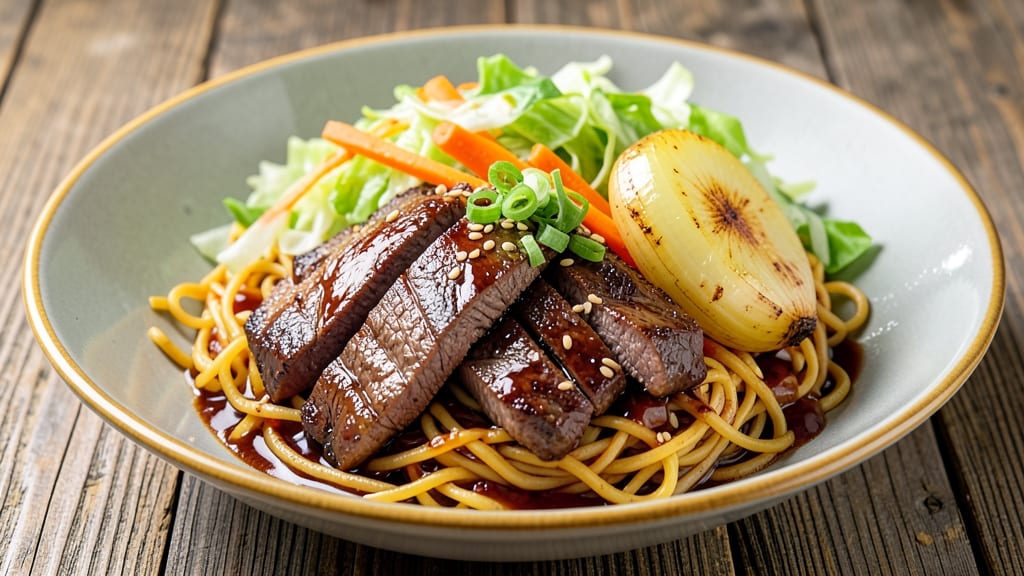
This authentic beef yakisoba recipe brings the bold flavors of Japanese izakayas straight to your kitchen, where wok-tossed noodles meet tender beef and crisp vegetables in a symphony of umami.
The secret lies in the high-heat stir-fry technique that creates that signature wok-hei aroma, while tonkatsu sauce delivers the perfect balance of sweetness and tang. I've perfected this dish over years of testing, ensuring every bite delivers restaurant-quality texture and depth without requiring specialized equipment.
What sets this recipe apart is the attention to traditional techniques—starting with properly blanching the yakisoba noodles to maintain their silky texture, then searing thinly sliced beef until it develops a caramelized crust.
The vegetables (cabbage, carrots, onions) are cut into uniform pieces so they cook quickly and evenly, absorbing the rich flavors of the sauce. We'll build the dish in stages, ensuring each component contributes to the final harmony of flavors.
By the time your wok is sizzling with golden-brown beef, tender noodles, and vibrant vegetables, you'll have a dish that's as satisfying as it is authentic. The combination of crisp-tender beef, chewy noodles, and the sweet-savory tonkatsu sauce creates a balance that's both comforting and exciting.
This isn't just another stir-fry—it's a taste of Japan's street food culture, brought to life in your home kitchen.
The beauty of this recipe lies in its versatility—serve it as a hearty main course with steamed rice on the side, or let it stand alone as the star of the meal. The leftovers reheat beautifully, making it perfect for meal prep.
Whether you're hosting friends or treating yourself to a special weeknight dinner, this yakisoba delivers the kind of restaurant-quality experience that keeps everyone asking for seconds.
Ingredients for authentic beef yakisoba
Fresh noodles, tender beef, and crisp veggies—this is your authentic yakisoba shortcut.
| Ingredient | Amount | Notes |
|---|---|---|
| Yakisoba Noodles 🍜 | 12 oz | Fresh or dried, blanch first |
| Ribeye Steak 🥩 | 1 lb | Thinly sliced against grain |
| Green Cabbage 🥬 | 4 cups | Shredded, thin strips |
| Carrots 🥕 | 2 medium | julienned into matchsticks |
| Yellow Onion 🧅 | 1 large | Thinly sliced |
| Tonkatsu Sauce 🍶 | ½ cup | Store-bought or homemade |
| Soy Sauce 🥢 | 2 tbsp | Japanese preferred |
| Sesame Oil 🫒 | 1 tbsp | Toasted for aroma |
| Vegetable Oil 🫒 | 2 tbsp | High smoke point |
| Garlic Cloves 🧄 | 4 cloves | Minced for aroma |
| Ginger 🌿 | 1 tbsp | Fresh, grated |
| Sesame Seeds 🌾 | 1 tbsp | Toasted for garnish |
| Salt 🧂 | 1 tsp | Kosher or sea salt |
| Black Pepper 🌶️ | ½ tsp | Freshly ground |
| Rice Vinegar 🍶 | 1 tbsp | For brightness |
The beef is non-negotiable here. Ribeye gives that rich, beefy flavor, but sirloin or chuck work too if you're on a budget. Slice it thinly against the grain—that's the secret to tender bites. Yakisoba noodles? Fresh is best (like those at Asian markets), but dried works if you blanch them right. For the veggies, uniform cuts are key—matchstick carrots, thin cabbage strips, and onion slices that cook in the same time as the beef. Trader Joe's has pre-shredded cabbage that saves time, but fresh is worth the extra minute.
No tonkatsu sauce? Mix 3 tbsp soy sauce, 2 tbsp Worcestershire, 1 tbsp honey, and 1 tbsp ketchup—it's a game-changer. Running low on sesame oil? Toasted peanut oil gives a similar nutty depth. The ginger and garlic? Fresh is ideal, but if you're using dried, cut the amounts in half. For the cabbage, core removed, leaves torn cooks faster. And if you're feeling fancy, add a dash of mirin to the sauce for extra umami. The rice vinegar at the end? Trust me on this—it brightens everything up.
This dish reheats like a dream—best the next day when flavors meld. Store leftovers in airtight containers for 3-4 days, or freeze portions for up to 2 months. For meal prep, cook the noodles and veggies ahead, then just sear the beef fresh when serving. The sauce keeps for 1 week in the fridge, so make extra—it's perfect on grilled cheese or ramen too. And if you've got leftover beef, toss it in a quick stir-fry with eggs for breakfast the next morning.
Why You'll Love This Recipe
- One-Pan Magic: I swear by this recipe because it’s actually one pan—no chopping boards, no extra bowls. Just toss the pre-sliced veggies (onion, cabbage, carrots) straight into the skillet with the noodles and steak, and let the sauce do the work. My kids still think I’m a wizard.
- Steakhouse Bite: That ribeye? It’s the star—seared just enough to stay juicy but firm enough to cut with chopsticks. The yakisoba sauce ties it all together with that sweet-savory depth, so you get real restaurant-quality flavor without the markup.
- Lunchbox Hero: Between us, this is my go-to for meal prep. The noodles hold up for days if you refrigerate them (just reheat with a splash of water), and the veggies stay crisp. Pack it cold or warm—either way, it’s a hit at work or school.
- Budget Flex: Honestly, this recipe stretches further than you’d think. A single ribeye feeds two, but the noodles and veggies bulk it up for four. Leftovers? Even better the next day—cold yakisoba is weirdly satisfying, like a noodle salad with personality.
Step-by-step instructions for wok-tossed umami crunch with silky noodles
Here's how to create restaurant-quality beef yakisoba with perfect texture and bold flavors.
🍳 Step 1: Prepare the Yakisoba Noodles
Bring a large pot of water to a rolling boil and add the 12 oz yakisoba noodles. Cook for 4-5 minutes until they float to the surface and are al dente—they should still have a slight bite. Drain immediately and rinse under cold water to stop the cooking process. This prevents them from becoming mushy when tossed later.
Real talk: Don't overcook these noodles. They'll finish cooking in the wok, and you want them to maintain that perfect silky texture. Once drained, toss the noodles with 1 tablespoon sesame oil and set aside. This gives them a subtle nutty aroma and prevents sticking during the stir-fry.
🔪 Step 2: Slice and Marinate the Beef
Thinly slice the 1 lb ribeye steak against the grain into ¼-inch thick strips. This ensures each bite is tender. Place the sliced beef in a bowl and add 2 tablespoons soy sauce, 1 tablespoon rice vinegar, ½ teaspoon black pepper, and 1 tablespoon grated ginger. Mix gently to coat evenly, then let it marinate for 15-20 minutes at room temperature.
I press down gently on the beef strips during the first minute of marinating—this prevents them from curling and ensures even contact with the marinade. The acid in the rice vinegar tenderizes the beef while the soy sauce adds depth of flavor. Don't skip this step; it makes all the difference in the final texture.
🍳 Step 3: Stir-Fry the Vegetables
Heat 2 tablespoons vegetable oil in a wok or large skillet over high heat until shimmering. Add the 1 large yellow onion, 4 cups green cabbage, and 2 medium carrots (julienned). Stir-fry for 3-4 minutes until the vegetables begin to soften but still retain a crunchy texture—they should look vibrant and bright.
Here's the thing—you want these vegetables to stay crisp. If they start to wilt too quickly, reduce the heat slightly. Add the 4 cloves minced garlic and stir for 30 seconds until fragrant. The garlic should sizzle and release its aroma without burning. Remove the vegetables to a plate and set aside—this keeps them warm while you cook the beef.
🍳 Step 4: Cook the Beef and Combine
In the same wok, add the marinated beef strips and cook over high heat for 2-3 minutes until they're no longer pink in the center and have a light caramelized crust. The beef should release easily from the wok—if it sticks, add a splash of water and scrape up the browned bits from the bottom.
Return the vegetables to the wok and add the ½ cup tonkatsu sauce. Toss everything together for 1-2 minutes until the sauce coats the beef and vegetables evenly. The tonkatsu sauce should glisten and create a glossy finish. If the mixture looks too thick, add 1-2 tablespoons water to loosen it.
🥘 Step 5: Finish and Serve
Add the cooked yakisoba noodles to the wok and toss everything together for 2-3 minutes until the noodles are fully coated with the sauce and heated through. The noodles should be silky and glossy, with no dry spots. Taste and adjust seasoning with an additional ½ teaspoon soy sauce if needed.
To serve, divide the yakisoba into bowls and garnish with 1 tablespoon toasted sesame seeds. The sesame seeds add a delightful crunch and visual appeal. Each bite should deliver a perfect balance of tender beef, crisp vegetables, and silky noodles with a rich, umami-packed sauce. Enjoy immediately while everything is hot and vibrant!
Pro Tips For Making Authentic Beef Yakisoba
- SEAR THE STEAK FAST: Ribeye for yakisoba needs a quick, high-heat sear—no more than 2-3 minutes per side—before slicing thin against the grain. I learned the hard way that overcooking turns it chewy; pull it rare to medium-rare, then finish in the stir-fry. The residual heat will carry it to perfect doneness without drying out.
- SHRED CABBAGE THIN: Skip the thick chunks—authentic yakisoba uses cabbage so thin it’s almost translucent. A sharp knife and a rocking motion (like chopping herbs) save time, and the cabbage wilts fast in the wok. Thick slices stay crunchy and ruin the texture. Trust me, your noodles will thank you.
- STIR-FRY IN BATCHES: Crowding the pan steams the veggies instead of crisping them. Cook the onions and carrots first, push them to one side, then add the cabbage and beef in the empty space. High heat and a little oil go a long way—don’t skimp, or you’ll end up with soggy noodles.
- USE COLD NOODLES: Yakisoba noodles stick like glue when fresh. Rinse them well in cold water, then shock them in ice water for 30 seconds before draining. Cold noodles absorb the sauce better and hold their shape—no more gluey, mushy mess. (Yes, it’s weird, but it works.)
Health benefits of these flavors
Protein Powerhouse
This beef yakisoba delivers a substantial 30-40 grams of high-quality protein per serving, thanks to the ribeye steak. Protein is essential for muscle repair, immune function, and keeping you full longer.
The beef provides all nine essential amino acids your body can't produce on its own, making it a complete protein source that supports everything from recovery after workouts to maintaining healthy skin and hair. 💪
Umami Flavor Boost
The combination of tonkatsu sauce, soy sauce, and sesame oil creates a powerful umami flavor profile that enhances digestion. Umami compounds like glutamate stimulate saliva and stomach acid production, making your meal easier to digest while satisfying your taste buds.
This is why yakisoba feels so comforting yet exciting at the same time.
Vegetable-Packed Nutrition
With 4 cups of cabbage and 2 medium carrots, this dish provides significant fiber (about 8 grams per serving), vitamin C (for immune support), and vitamin A (for eye health).
The cabbage's crunch adds volume without calories, helping you feel satisfied while supporting gut health through its insoluble fiber content.
Balanced Carbohydrates
The yakisoba noodles offer complex carbohydrates that provide sustained energy, perfect for busy days. These noodles are lower on the glycemic index than white pasta, meaning they won't cause blood sugar spikes.
The 12 oz serving gives you about 50 grams of carbs, which fuels your brain and muscles without the crash of simple sugars.
Healthy Fats in Moderation
While this dish contains some fat from the beef and sesame oil, it's the good kind—monounsaturated and polyunsaturated fats that support heart health. The 1 tablespoon sesame oil provides vitamin E, an antioxidant that protects your cells.
Just be mindful of portion sizes if you're watching fat intake, as the beef contributes about 15 grams of fat per serving.
Meal Prep Friendly
Yakisoba reheats beautifully while maintaining its nutritional benefits, making it perfect for meal prep. The combination of protein, fiber, and complex carbs keeps you energized throughout the day. Plus, it's a great way to use up veggies you might otherwise waste, turning them into a delicious, nutrient-dense meal. 💡
Nutrition facts
Frequently asked questions
Can I substitute chicken or pork for the beef?
Yes, but the flavor profile changes! Chicken breast works best—slice it ¼-inch thick and marinate for 10-15 minutes with extra rice vinegar to tenderize. For pork, use tenderloin and reduce cooking time to 1-2 minutes to avoid toughness. The beef's richness is key to authentic yakisoba, but these swaps work well for lighter versions.
What's the best way to get that smoky wok-hei flavor without a wok?
Use a cast-iron skillet or heavy-bottomed pan on high heat and work quickly! Add a splash of vegetable oil and let it smoke slightly before adding ingredients. For extra depth, finish with a pinch of smoked paprika or a few drops of liquid smoke (just ¼ teaspoon—go easy!). Stir-fry in batches if needed to maintain heat.
How do I store leftovers to keep the noodles from getting soggy?
Store components separately in airtight containers: noodles, beef, veggies, and sauce. Reheat noodles in boiling water for 1 minute, then toss with the other ingredients in a dry skillet over medium heat with a splash of water. This prevents mushiness. Leftovers keep for 3-4 days in the fridge or 2 months frozen.
Can I make this gluten-free?
Use tamari or gluten-free soy sauce, and check your tonkatsu sauce for hidden gluten. For noodles, swap yakisoba for rice noodles or gluten-free ramen noodles. The recipe remains authentic in technique while accommodating dietary needs. Just ensure all sauces and seasonings are certified gluten-free.
Why does my yakisoba sauce taste too sweet?
Tonkatsu sauce is naturally sweet, but balance it with 1 extra tablespoon soy sauce and ½ teaspoon grated ginger to cut sweetness. For a more authentic flavor, reduce the tonkatsu sauce to ¼ cup and add 1 teaspoon mirin for depth. Taste as you go—adjust gradually to avoid overpowering the beef's richness.