
Main Courses
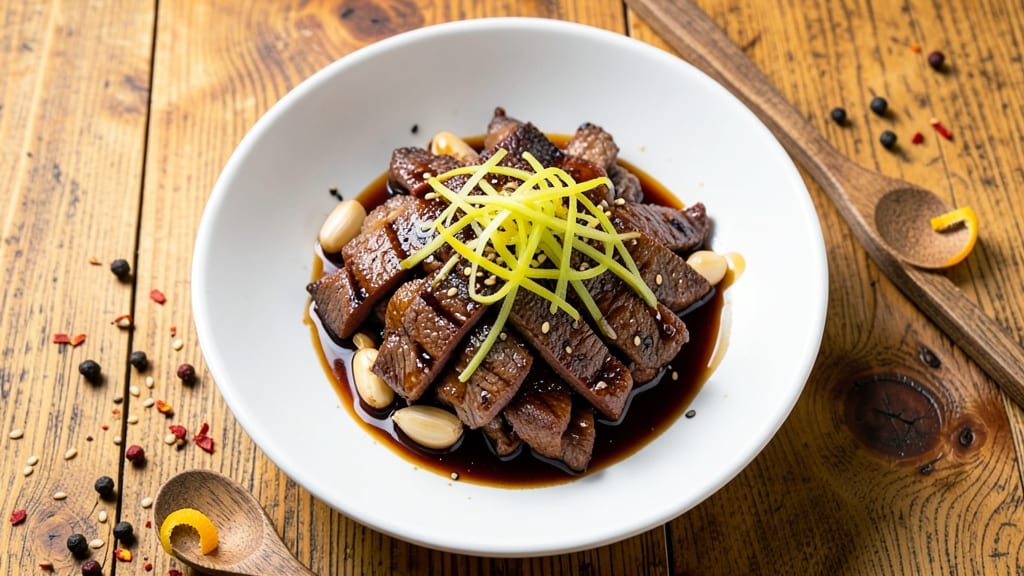
This authentic ginger beef recipe delivers the bold, aromatic flavors of a classic Chinese stir-fry, where ginger’s fiery kick meets tender beef in a wok-seared symphony.
The secret lies in charring fresh ginger for depth, then balancing its heat with soy, garlic, and a touch of sweetness—just like my grandmother taught me. No shortcuts here, but the result? A dish so vibrant it feels like a taste of Shanghai in your kitchen.
What sets this recipe apart is the two-step cooking method: first marinating the beef in a fragrant ginger-garlic paste, then searing it in a screaming-hot wok until caramelized at the edges.
The sauce, reduced from soy and honey, clings to every bite, creating a perfect harmony of spice and umami. It’s the kind of dish that transforms a simple weeknight into a celebration.
By the time you serve it—steaming over jasmine rice with quick-pickled cucumbers—you’ll understand why this is a restaurant favorite. The beef stays tender yet packed with flavor, the ginger’s zing lingers just enough to wake up your palate, and the sauce ties it all together with a glossy, addictive finish.
This isn’t just dinner; it’s an experience.
Pro tip: Let the marinade work its magic for at least 30 minutes (overnight is even better), and keep your wok blazing hot for those coveted charred bits. The rest? Just follow the rhythm—chop, sear, sauce—and let the flavors do the talking.
Ingredients for authentic ginger beef
Bold flavors start with these 14 ingredients—ginger’s fiery kick meets tender beef in a wok-seared symphony.
| Ingredient | Amount | Notes |
|---|---|---|
| Flank Steak 🥩 | 1 ½ lb | Thinly sliced against grain |
| Fresh Ginger Root 🌿 | 3 tbsp | Finely grated, charred |
| Garlic Cloves 🧄 | 6 cloves | Minced, fresh preferred |
| Light Soy Sauce 🥄 | ½ cup | Kikkoman or similar |
| Dark Soy Sauce 🥄 | 1 tbsp | For depth of flavor |
| Honey 🍯 | 2 tbsp | Wildflower preferred |
| Sesame Oil 🫒 | 1 tbsp | Toasted, for aroma |
| Neutral Oil 🫒 | 2 tbsp | Vegetable or canola |
| Cornstarch 🌾 | 2 tbsp | For tenderizing beef |
| Green Onions 🧅 | 4 whole | Sliced, white and green |
| Red Chili Flakes 🌶️ | 1 tsp | Adjust to taste |
| Salt 🧂 | 1 tsp | Kosher preferred |
| Black Pepper 🌶️ | ½ tsp | Freshly ground |
| Jasmine Rice 🍚 | 1 ½ cups | Uncooked, for serving |
The beef is everything here. Flank steak is lean but tender when sliced thin against the grain—ask your butcher to slice it for you if you're unsure. Fresh ginger matters too: grab a chunk from the Asian market or grocery store’s produce section. Look for firm, bumpy roots with no soft spots. The Kikkoman soy sauce is a must for that authentic umami punch, but any good-quality light soy will do. Pro tip: toast your sesame oil in the wok first—it releases incredible aroma.
No fresh ginger? Ginger paste from the Asian aisle works in a pinch, but you’ll lose that smoky char. Short on soy sauce? Coconut aminos at half the amount gives a similar salty depth. The honey can be swapped for brown sugar or maple syrup, but honey’s floral notes are ideal. Cornstarch is non-negotiable—it tenderizes the beef during marinating. For extra heat, add Sichuan peppercorns to the marinade (they numb too!), but keep it mild for first-timers.
Marinate the beef for at least 30 minutes—overnight is best. The rice can cook while you sear the beef, saving time. Store leftover beef in an airtight container for 3 days in the fridge, or freeze for 3 months. Reheat gently in a skillet with a splash of soy sauce to revive the flavors. The sauce keeps for 1 week in the fridge—perfect for quick stir-fries later.
Why You'll Love This Recipe
- Foolproof Marinade: I swear by this—just slice the ginger thin, crush the garlic, and toss it with the steak. No fancy tools, no second-guessing. The soy sauces do the heavy lifting while I’m still deciding what to watch on TV.
- Umami Bomb: That dark soy sauce? It’s the secret weapon—deep, sticky, and slightly smoky. Pair it with fresh ginger’s zing and garlic’s punch, and suddenly your weeknight dinner tastes like a Michelin-starred bite.
- Leftover Hero: Between us, this dish begs for seconds. The beef stays tender for days, and the sauce thickens into a glossy, crave-worthy glaze. I’ve reheated it cold, tossed it in noodles, or just eaten it straight from the fridge—no shame.
- Budget Powerhouse: Flank steak is affordable, and a pound feeds four. The ginger and garlic are cheap staples, and the soy sauces stretch farther than you’d think. Honestly, it’s the kind of recipe that makes me feel like I’m splurging without actually spending much.
Step-by-step instructions for authentic ginger beef
Here's how to create restaurant-quality ginger beef with bold flavors and tender beef every time.
Prepare the Flank Steak for Maximum Tenderness
First, slice the 1.5 lb flank steak thinly against the grain into ¼-inch thick strips. I use a sharp chef's knife and make sure each slice is uniform for even cooking. Place the sliced steak in a large bowl and sprinkle evenly with 2 tbsp cornstarch, 1 tsp salt, and ½ tsp black pepper. Toss gently to coat all surfaces—this creates a crispy exterior while keeping the inside juicy.
Let the steak sit for 10 minutes while you prepare the marinade. This resting time allows the cornstarch to adhere properly. I always use kosher salt here because it dissolves more easily than table salt, ensuring even seasoning throughout each piece.
Create the Signature Ginger Sauce
In a small bowl, combine ½ cup light soy sauce, 1 tbsp dark soy sauce, 2 tbsp honey, 1 tbsp toasted sesame oil, and 1 tsp red chili flakes. Mix well until the honey dissolves completely and the sauce is smooth. This balance of sweet, salty, and spicy creates that authentic ginger beef flavor profile.
While the sauce rests, prepare the aromatics: Peel and finely grate 3 tbsp fresh ginger root, then char it quickly over a gas flame or in a dry skillet for 30 seconds per side until fragrant. This charring adds depth to the dish. Also mince 6 cloves garlic and slice 4 whole green onions into ½-inch pieces, separating the white and green parts.
Wok-Sear the Beef to Perfect Doneness
Heat a wok or large skillet over high heat until smoking, then add 2 tbsp neutral oil. Once the oil shimmers, add half of the cornstarch-coated beef in a single layer. Let it sear undisturbed for 1-2 minutes until the bottom turns deep golden brown—this creates that signature wok-seared crust. Remove to a plate and repeat with the remaining beef.
Real talk: Don't overcrowd the pan or the beef will steam instead of sear. You'll know it's ready when the edges are crispy and the beef releases easily from the pan. The high heat works quickly, so stay attentive—undercooked beef will be tough, overcooked will be dry.
Combine Beef with Ginger Sauce
Return the seared beef to the wok and add the prepared ginger sauce along with the charred ginger, minced garlic, and white parts of the green onions. Stir-fry for 2-3 minutes on high heat until the sauce begins to thicken slightly and coats the beef evenly. The residual heat from the wok will help the sauce cling beautifully.
Here's the thing—this is where the magic happens. The cornstarch coating we added earlier will begin to thicken the sauce as it cooks, creating that perfect glossy finish. If the sauce looks too thick, add 1-2 tablespoons of water to loosen it while maintaining the authentic texture.
Finish and Serve with Jasmine Rice
Stir in the green parts of the sliced green onions and cook for an additional 30 seconds just to wilt them slightly. Taste and adjust seasoning if needed—you might want to add a splash more light soy sauce for saltiness or a touch of honey for sweetness. The dish should be vibrant with ginger's zing and balanced with the umami from the soy sauces.
Serve immediately over 1.5 cups cooked jasmine rice for each of the 4 servings. The rice should be slightly warm but not hot to complement the bold flavors of the ginger beef. Garnish with extra green onions if desired, and enjoy the perfect harmony of spice, sweetness, and umami in every bite.
Pro Tips For Making Authentic Ginger Beef
- Sear the Steak First: Hit that flank steak with a screaming-hot pan—no oil yet—just the raw meat until it releases its own juices. This isn’t just for flavor; it’s the only way to lock in moisture when you later braise it in soy and ginger. I used to skip this, and the final dish always tasted duller, like someone forgot to turn on the stove.
- Julienne the Ginger: Thin, even slices—no, not chunks, not paste—matchstick-thin strips. They’ll cook faster and infuse the beef evenly without turning to mush. (Yes, even if you’re impatient like me.) Use a sharp knife or mandoline, and resist the urge to overcrowd the pan later.
- Balance the Soy Sauces: Light soy for brightness, dark soy for depth—but don’t drown the beef. Start with 1 tablespoon light, 1 teaspoon dark, then taste. Too salty? Add a splash of water or a pinch of sugar to cut the harshness. I’ve ruined batches by going heavy-handed; trust your palate.
- Let It Rest: After cooking, tent that steak with foil and walk away for 5–10 minutes. Cutting it early turns your perfect slice into a chewy mess. (Your future self will thank you.) This isn’t optional—it’s the difference between restaurant-quality and “I made this?”
Serving suggestions for authentic ginger beef
Jasmine Rice Base
Steamed jasmine rice is non-negotiable here—its floral aroma complements the ginger's sharpness beautifully. Cook 1.5 cups uncooked rice with 2 cups water and a pinch of salt, using a rice cooker or stovetop method. For extra fluffiness, spread the rice on a tray after cooking to cool slightly before serving.
I like to add a tiny drizzle of toasted sesame oil over the rice right before plating to tie all the flavors together. 🍚
Quick-Pickled Cucumbers
These bright, tangy cucumbers cut through the richness of the beef. Thinly slice 1 English cucumber and soak in a mix of ¼ cup rice vinegar, 1 tbsp honey, ½ tsp salt, and 1 tsp sugar for 15 minutes.
Drain before serving to avoid soggy rice. The acidity balances the ginger's heat while adding a refreshing crunch. Store leftovers in the fridge for up to 3 days in an airtight container.
Steamed Bok Choy
Lightly steamed baby bok choy adds a fresh, slightly bitter contrast to the dish. Blanch 4 whole heads in boiling water for 2 minutes, then shock in ice water to preserve color. Arrange them on the plate with the beef and rice to create visual balance.
The crisp-tender texture pairs perfectly with the wok-seared beef. For extra flavor, toss the bok choy with a pinch of sesame seeds before serving.
Sesame Seed Garnish
Toast 1 tbsp black sesame seeds in a dry skillet over medium heat for 1-2 minutes until fragrant. Sprinkle them over the finished dish just before serving to add nutty depth and a satisfying crunch.
I also like to add a few toasted garlic slices for an extra layer of aroma. This simple garnish elevates the dish from home-cooked to restaurant-quality in seconds.
Warm Flatbread Option
For a heartier meal, serve with store-bought flatbread like Tandoori naan or sourdough. Warm it in a skillet with a little butter, then use it to scoop up the beef and sauce.
The soft, pillowy texture contrasts beautifully with the crispy beef and tender rice. Keep the flatbread warm in a 200°F oven while you finish plating the main dish.
Drink Pairings
A crisp jasmine green tea or light lager beer cleanses the palate between bites. For something stronger, a dry Riesling with its citrus notes complements the ginger's zing.
Avoid heavy wines or dark beers that would overpower the dish's delicate balance. I like to serve tea in small cups alongside the meal for a traditional touch.
Nutrition facts
Frequently asked questions about authentic ginger beef
Why does the recipe call for charring the ginger?
Charring the ginger adds a deep, smoky complexity that fresh grated ginger alone can't match. When you char it over a flame for 30 seconds per side, it develops caramelized notes that enhance the dish's authenticity. This technique is key in traditional Chinese cooking to create layers of flavor beyond just the fresh ginger's sharpness.
Can I substitute flank steak with another cut?
Yes, but choose carefully! Sirloin or ribeye work well if sliced thinly against the grain. Avoid tougher cuts like chuck—they won't tenderize properly. For best results, always slice the meat ¼-inch thick and marinate for at least 30 minutes to ensure tenderness. Flank steak is ideal because its lean texture absorbs the ginger sauce beautifully.
What's the secret to getting that perfect wok-seared crust?
The crust comes from two things: high heat and cornstarch coating. Heat your wok until it's smoking hot, then add the beef in a single layer. Let it sear undisturbed for 1-2 minutes until the edges are deep golden brown. The cornstarch creates a crispy exterior while keeping the inside juicy. Never overcrowd the pan—this steams instead of sears the beef.
How can I make this recipe less spicy?
Simply reduce or omit the red chili flakes entirely. For a milder version, use ½ tsp instead of 1 tsp. The dish still delivers bold ginger flavor without heat. If you prefer sweetness over spice, increase the honey to 3 tbsp and add a pinch of white pepper for depth. The soy sauces already provide plenty of umami to carry the dish.
Can I make this ahead of time?
Cook the beef and sauce as directed, then store in an airtight container in the fridge for up to 3 days. Reheat gently in a skillet over medium heat with a splash of water to revive the sauce. For best texture, serve over freshly cooked rice. The flavors actually improve after resting, as the ginger and soy deepen. Freeze for up to 3 months if needed—just thaw overnight in the fridge before reheating.