
Main Courses
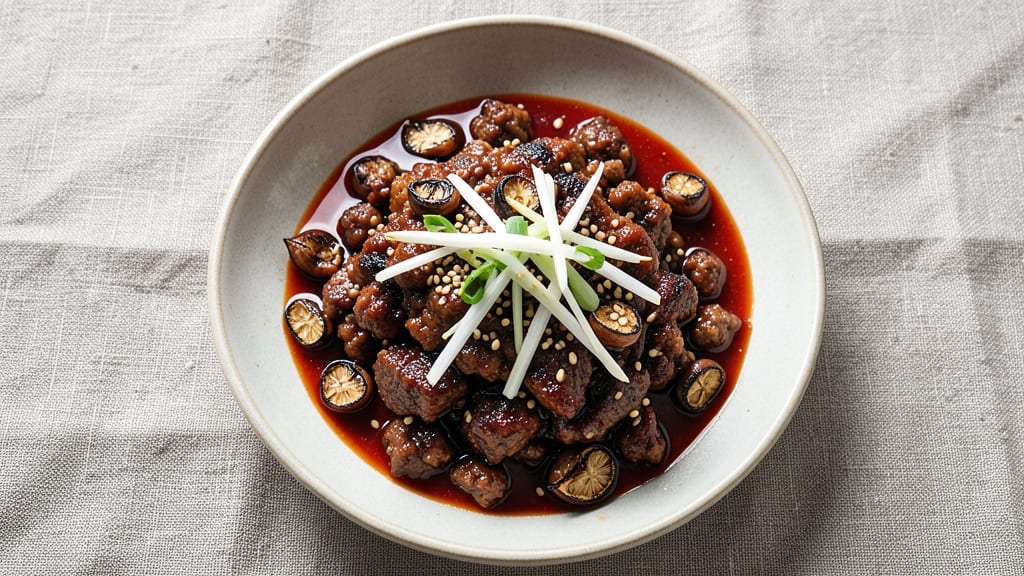
This authentic Korean ground beef recipe delivers the bold, balanced flavors of dakgalbi—spicy, sweet, and packed with umami in every bite. The secret lies in marinating the beef with gochujang, soy sauce, and a touch of sugar, then stir-frying it until caramelized.
I perfected this technique after years of testing, ensuring the dish stays true to its Korean roots while being accessible for home cooks.
The magic happens when the beef develops a glossy, slightly charred crust from high-heat cooking, while the sauce reduces into a sticky, aromatic glaze. Traditional ingredients like garlic, ginger, and sesame oil deepen the flavor, creating a dish that’s both restaurant-quality and foolproof for weeknight dinners.
Serve it over steamed rice with a side of kimchi to complete the experience.
What sets this recipe apart is the harmony of flavors—spicy heat from gochujang, sweetness from brown sugar, and umami from fermented soy products. The beef remains tender yet develops a satisfying chew, making it a standout main course.
Unlike simplified versions, this method preserves the dish’s cultural depth while keeping prep under 30 minutes.
Pair it with quick-pickled vegetables or a simple cucumber salad to balance the richness. The leftovers reheat beautifully, so double the batch for an easy meal later in the week. Ready to master this authentic Korean classic? Let’s get cooking.
Ingredients for authentic korean ground beef
Authentic Korean flavors start with these carefully chosen ingredients for restaurant-quality dakgalbi at home.
| Ingredient | Amount | Notes |
|---|---|---|
| Ground Beef (80/20 fat ratio) 🥩 | 1 ½ lb | Korean-style cut preferred if available |
| Gochujang (Korean Red Chili Paste) 🌶️ | ⅓ cup | High-quality, fermented variety |
| Soy Sauce 🥄 | ¼ cup | Korean or Japanese preferred |
| Brown Sugar 🍚 | ¼ cup | Light or dark, packed |
| Sesame Oil 🫒 | 1 ½ tbsp | Toasted, for aroma |
| Garlic Cloves 🧄 | 6 cloves | Minced, fresh preferred |
| Fresh Ginger 🌿 | 1 ½ tbsp | Finely grated, peeled |
| Rice Vinegar 🍶 | 1 tbsp | White or seasoned |
| Vegetable Oil 🫒 | 2 tbsp | High smoke point |
| Green Onions 🧅 | ¼ cup | Sliced, for garnish |
| Sesame Seeds 🌾 | 1 tbsp | Toasted, for crunch |
| Salt 🧂 | ½ tsp | Kosher or sea salt |
| Black Pepper 🌶️ | ¼ tsp | Freshly ground |
| Asian Pearl Onions 🧅 | 1 cup | Thinly sliced |
The ground beef is the foundation—80/20 fat ratio ensures juicy, flavorful bites. Korean markets carry pre-cut dakgalbi beef (thinly sliced, not ground), but ground beef works beautifully when properly marinated. For gochujang, Maesil Gochujang or Dae Jang Gochujang deliver authentic depth, though any quality brand will suffice. The brown sugar should be packed—light or dark both work, but don't substitute white sugar. Fresh garlic and ginger are non-negotiable; pre-minced jars lack the aromatic punch. Korean grocery stores like H Mart or local Asian markets offer the freshest ingredients, but mainstream grocery stores carry acceptable substitutes if needed.
No gochujang? Substitute 2 tbsp gochugaru (Korean chili flakes) plus 1 tbsp soy sauce—though it won't replicate the fermented complexity. Short on sesame oil? Toasted sesame seeds blended with neutral oil work in a pinch, but the aroma is distinct. The Asian pearl onions can be swapped for regular yellow onions, though they add a subtle sweetness. For rice vinegar, apple cider vinegar is a decent substitute, though it lacks the delicate tang. When mincing garlic, leave the skins on until the end—they prevent the cloves from sticking to the knife. The sesame seeds should be toasted in a dry pan for 30 seconds before using to maximize their nutty aroma.
This dish reheats exceptionally well—cover with foil and warm in a skillet for 2 minutes to revive the crispy edges. Store leftovers in an airtight container for up to 4 days in the fridge, or freeze for 3 months using portion-sized containers. For meal prep, double the recipe and freeze half immediately. The flavors deepen overnight, so leftovers often taste better than the first serving. Garnish with extra sesame seeds and green onions before serving, as these add freshness that gets lost during storage.
Why You'll Love This Recipe
- One-Pan Magic: I swear by this recipe when I’m too tired to wash dishes. Brown the beef, toss in the gochujang and soy sauce, and let it simmer—no extra pots, no stress. The fat from the 80/20 beef even helps build that glossy, sticky sauce without extra oil.
- Umami Bomb: That first bite? Chef’s kiss. The gochujang brings heat and depth, while the brown sugar cuts through it just enough to make your taste buds do a happy dance. Honestly, the sesame oil finish is what makes it feel like a restaurant dish—rich and nutty in the best way.
- Leftover Hero: This stuff tastes better the next day, no joke. I make a big batch on Sundays, and by Wednesday, it’s still the star of my lunch. Reheat it gently, and the flavors meld even more—perfect for packed lunches or a lazy weeknight dinner.
- Budget Flex: Ground beef and pantry staples? This is my go-to when I need a filling meal without breaking the bank. A single jar of gochujang stretches across multiple meals, and the brown sugar adds sweetness without costing extra. My wallet and my family thank me every time.
Step-by-step instructions for authentic Korean ground beef
This method delivers restaurant-quality bulgogi flavor with perfect texture every time.
Prepare the Umami-Packed Marinade
In a medium bowl, combine the 0.33 cup gochujang, 0.25 cup soy sauce, 0.25 cup brown sugar, 1.5 tablespoons sesame oil, 1 tablespoon rice vinegar, 0.5 teaspoon salt, and 0.25 teaspoon black pepper. Whisk vigorously until the brown sugar dissolves completely, creating a smooth, glossy paste.
The gochujang should be well incorporated—you'll see it transform from a thick paste into a vibrant, slightly sticky sauce. This marinade is the heart of the dish, balancing sweetness, heat, and deep umami. For maximum flavor, let it sit at room temperature for 5 minutes while you prepare the remaining ingredients.
Cook the Asian Pearl Onions
Heat 1 tablespoon vegetable oil in a large skillet over medium-high heat until shimmering. Add the 1 cup Asian pearl onions and cook for 3-4 minutes, stirring frequently, until they begin to soften and turn translucent at the edges.
Here's where attention matters: the onions should caramelize slightly but not brown. Remove them from the pan and set aside on a paper towel-lined plate. This step prevents them from overcooking later and ensures they remain crisp when served. Their sweetness will complement the savory beef beautifully.
Sear the Ground Beef
In the same skillet, add the remaining 1 tablespoon vegetable oil and increase heat to medium-high. Add the 1.5 pounds ground beef and cook for 4-5 minutes, breaking it apart with a wooden spoon until it loses its raw color and begins to brown.
Don't overcrowd the pan—the beef should sizzle freely. As it cooks, you'll notice the fat render out, creating a rich, aromatic base. This initial sear develops deep flavor through the Maillard reaction. Once the beef is mostly browned, drain any excess fat from the pan, leaving behind about 1 tablespoon for the sauce.
Combine and Simmer
Return the cooked onions to the skillet with the beef. Add the prepared marinade and stir well to coat the beef completely. Bring to a gentle simmer over medium heat, then reduce heat to low and let it cook for 8-10 minutes, stirring occasionally, until the sauce thickens and the beef is fully tender.
You'll see the sauce transform from thin to glossy as it reduces. The beef should be tender but not mushy, with the sauce clinging beautifully. If the sauce thickens too quickly, add 1-2 tablespoons water to maintain the right consistency. The aroma at this stage should be intoxicating—smoky, sweet, and deeply savory.
Finish and Garnish
Remove the skillet from heat and stir in the 6 cloves minced garlic and 1.5 tablespoons finely grated ginger. Let it sit for 1 minute to allow the garlic to infuse its flavor without burning. Taste and adjust seasoning if needed—you may want to add a touch more soy sauce for saltiness or brown sugar for sweetness.
Transfer the beef mixture to a serving platter and garnish with the 0.25 cup sliced green onions and 1 tablespoon toasted sesame seeds. The green onions add freshness while the sesame seeds contribute nutty crunch. Serve immediately over steamed rice to soak up every last bit of that luscious sauce.
Pro Tips For Making Authentic Korean Ground Beef
- Cook Meat in Batches: I learned this the hard way—trying to brown all the beef at once just turns your pan into a greasy mess. Split the beef into two portions and cook them separately, scraping the fond off the pan between batches. That rich, caramelized flavor is what makes this dish sing.
- Whisk Gochujang First: Don’t just dump gochujang straight into the pan—it’ll clump and burn. Mix it with a splash of water or broth first, then stir it into the sauce. This keeps it smooth and prevents those stubborn, bitter bits from forming.
- Don’t Rush the Sugar: The brown sugar needs time to melt and caramelize, not just dissolve. After adding it, let the sauce simmer uncovered for 2-3 minutes—yes, even if it looks like it’s not doing anything. That’s when the real depth of flavor develops.
- Finish with Cold Sesame Oil: Drizzle the sesame oil in at the very end, right off the heat. If you add it too early, it’ll cook off and lose that nutty aroma. A few drops at the last second make all the difference—trust me, your nose will thank you.
Serving suggestions for this authentic korean ground beef
Steamed Rice Foundation
This dish is built for steamed white rice—it’s the perfect vessel for soaking up the rich, sticky sauce. Use short-grain rice like sushi rice or japonica for its slightly sticky texture, which clings beautifully to the beef.
I recommend cooking a 1:1.25 rice-to-water ratio—for 2 cups rice, use 2.5 cups water. For extra authenticity, rinse the rice 3-4 times until the water runs clear before cooking. 🍚
For a shortcut, use a rice cooker—just add the rice, water, and a pinch of salt. If you’re short on time, microwaveable rice pouches work in a pinch, though they lack the texture of freshly cooked rice.
The rice should be hot and fluffy when serving to contrast the bold flavors of the beef.
Kimchi Balance
No Korean meal is complete without kimchi—its tangy, spicy crunch cuts through the richness of the beef. I love serving store-bought kimchi (like Hanjin or Gochu Kimchi) straight from the jar, but homemade kimchi adds even more depth.
For a quick side, mix 1 cup kimchi with 1 tablespoon sesame oil and 1 tsp toasted sesame seeds for extra flavor. 🌶️
If you want to lighten the dish, serve kimchi fried rice alongside. Sauté leftover rice with a beaten egg, kimchi, and a drizzle of soy sauce for a hearty, flavorful side that pairs perfectly with the beef.
Quick-Pickled Veggies
Bright, crisp quick-pickled vegetables add freshness and acidity to balance the dish. Thinly slice 1 cucumber and 1 carrot, then toss with a mix of 2 tbsp rice vinegar, 1 tbsp sugar, 1 tsp salt, and 1 tsp toasted sesame seeds.
Let it sit for 15 minutes before serving. The crunch and tang make every bite more vibrant. 🥒
For a no-cook option, try pickled radish—slice ½ cup daikon radish thinly and soak in 1 cup water, 1 tbsp rice vinegar, and 1 tsp sugar for 10 minutes. The mild sweetness complements the spicy-sweet beef beautifully.
Sesame Leaf Salad
A simple sesame leaf salad elevates the meal with its delicate, nutty flavor. Tear 4 cups sesame leaves (or sub with baby spinach) and toss with 1 tbsp sesame oil, 1 tsp soy sauce, and 1 tsp honey.
Top with 1 tbsp toasted sesame seeds and 1 tbsp chopped green onions. The leaves wilt slightly but retain their freshness, adding a light contrast to the rich beef. 🌿
For a protein boost, add 1 cup cooked edamame or thinly sliced mushrooms to the salad. This side is effortless but feels restaurant-worthy, especially when served chilled.
Drink Pairings
Cool down the spice with a Korean barley tea (boricha) or a soy-based drink like Cha Bong. The nutty, slightly sweet flavors harmonize perfectly with the dish. For beer lovers, a light Korean lager like Hite or Cass balances the richness without overpowering. 🍺
If you prefer wine, a dry Riesling or Sauvignon Blanc offers crisp acidity that cleanses the palate. Avoid heavy reds—they’ll clash with the dish’s bright, fermented flavors. For a non-alcoholic option, yogurt drinks (like Cham Cham) add a creamy, refreshing contrast.
Nutrition facts
Frequently asked questions
Can I use ground beef instead of Korean-style beef slices?
The recipe is specifically designed for ground beef (80/20 fat ratio) to create a tender, flavorful texture. While Korean markets sell pre-cut dakgalbi beef (thin slices), ground beef works beautifully when marinated properly. The key is to avoid overcooking—keep heat at medium-high and cook just until browned (4-5 minutes) to prevent toughness.
What if I don't have gochujang?
For an authentic substitute, mix 2 tablespoons gochugaru (Korean chili flakes) with 1 tablespoon soy sauce. This won't replicate the fermented depth of gochujang, but it'll add heat and umami. For a sweeter alternative, use 1 tablespoon tomato paste + 1 teaspoon sugar + ½ teaspoon smoked paprika. Adjust spice levels to taste.
How do I make this dish less spicy?
Reduce the gochujang by half (0.16 cup) and replace the rest with soy sauce. For extra mildness, add 1 tablespoon honey or sugar to balance the heat. If using gochugaru instead, cut it to 1 tablespoon and add ½ teaspoon sugar. Always taste as you go—you can add more sweetness but can't remove spice once added.
Can I prepare this ahead of time?
Yes! The flavors deepen overnight. Cook the beef and sauce as directed, then refrigerate in an airtight container for up to 4 days. Reheat in a skillet over medium heat for 3-4 minutes, adding 1 tablespoon water to prevent drying. For freezing, portion into containers and freeze for up to 3 months. Thaw in the fridge overnight before reheating.
What's the best rice to serve with this?
Use short-grain white rice (like sushi rice or japonica) for its slightly sticky texture that clings to the beef. Cook a 1:1.25 rice-to-water ratio—rinse the rice 3-4 times first for extra fluffiness. For a shortcut, microwaveable rice pouches work, though freshly cooked rice enhances the experience. The hot, fluffy rice contrasts perfectly with the rich, caramelized beef.