
Main Courses
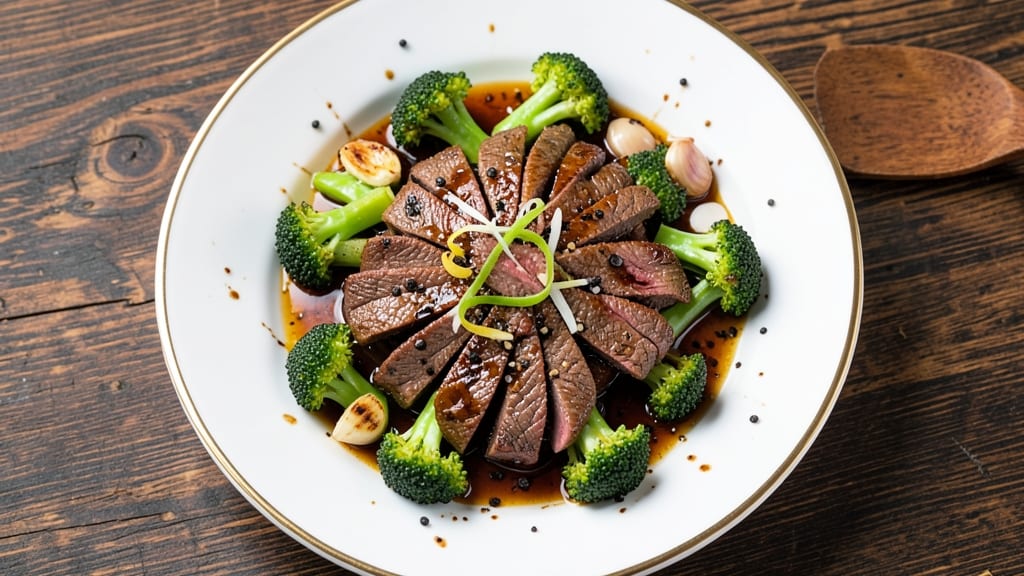
This authentic Thai beef and broccoli recipe delivers the bold, balanced flavors of street-side Thai cuisine right to your stovetop—where umami-rich oyster sauce meets bright ginger, garlic, and just enough chili for heat.
The secret lies in high-heat stir-frying and a sauce that marries sweet, salty, and spicy notes into every bite. I developed this version after years of refining restaurant-style techniques at home, ensuring the beef stays tender while the broccoli achieves that perfect crisp-tender texture.
What sets this dish apart is the authentic Thai technique of velvetizing the beef—quickly searing it in small batches to render fat while keeping the center juicy—before tossing it with vibrant broccoli florets.
The sauce, a harmonious blend of oyster sauce, soy sauce, and a touch of palm sugar, coats everything in a glossy, aromatic glaze that clings perfectly. Garnishes like fresh cilantro and toasted sesame seeds add freshness and texture, while a squeeze of lime brightens every plate.
By the time you serve this dish, you’ll have a restaurant-quality meal that’s rich in flavor but simple to execute. The beef emerges tender yet slightly charred at the edges, while the broccoli holds its shape with just a hint of crunch.
Serve it over steamed jasmine rice to soak up every last drop of that complex sauce—this is the kind of dish that turns weeknight dinners into flavorful experiences.
For those who love Thai food but want a foolproof home version, this recipe delivers without requiring hard-to-find ingredients. The marinade (if used) enhances depth, but even skipping it won’t compromise the final result. Let’s get cooking—your taste buds will thank you.
Ingredients for authentic thai beef and broccoli
Here's everything you need to recreate that bold Thai restaurant flavor at home.
| Ingredient | Amount | Notes |
|---|---|---|
| Flank Steak 🥩 | 1 lb | Thinly sliced against grain |
| Broccoli Florets 🥦 | 1 ½ lbs | Cut into bite-sized pieces |
| Oyster Sauce 🍶 | 3 tbsp | High-quality brand preferred |
| Soy Sauce 🥢 | 2 tbsp | Light or dark variety |
| Palm Sugar 🍯 | 1 ½ tbsp | Or substitute brown sugar |
| Garlic Cloves 🧄 | 6 cloves | Minced for sauce |
| Fresh Ginger 🌿 | 1 ½ tbsp | Finely grated, fresh preferred |
| Chili Flakes 🌶️ | 1 tsp | Adjust for heat preference |
| Sesame Oil 🫒 | 1 tbsp | Toasted for aroma |
| Vegetable Oil 🫒 | 3 tbsp | High smoke point preferred |
| Fresh Cilantro 🌿 | ¼ cup | Chopped for garnish |
| Toasted Sesame Seeds 🌰 | 1 tbsp | For garnish |
| Lime Wedges 🍋 | 2 whole | For serving |
| Salt 🧂 | ½ tsp | Kosher or sea salt |
| Black Pepper 🌶️ | ¼ tsp | Freshly ground |
The beef makes or breaks this dish—flank steak is ideal because it's lean but tender when sliced thin. Ask your butcher to slice it against the grain if they won't do it for you. For broccoli, fresh is best—look for bright green florets with tight buds. The oyster sauce is non-negotiable here; Lee Kum Kee is my go-to, but any quality brand works. Fresh ginger and garlic should smell vibrant—if they're musty, skip them. And don't grab the cheap sesame oil; Kadoya or Trader Joe's toasted sesame oil adds that authentic aroma.
No oyster sauce? Soy sauce plus a splash of fish sauce gets you close, though it won't be identical. Running short on palm sugar? Brown sugar works in a pinch, but the flavor will be slightly different. Fresh ginger too spicy? Use half the amount and add more garlic for balance. The chili flakes can be swapped for Sichuan peppercorns if you want a numbing kick instead of heat. For the sesame oil, toast it in a dry pan for 30 seconds before adding to the sauce—this boosts the aroma dramatically. And if you're using pre-cut broccoli, pat it dry first to prevent soggy stir-frying.
This dish tastes even better the next day—store leftovers in an airtight container for up to 3 days in the fridge. The sauce thickens as it cools, so add a splash of water when reheating. For meal prep, portion the beef and broccoli separately—they reheat differently. Freeze for up to 3 months by storing components separately in airtight containers. The lime wedges should be added fresh when serving, so keep them separate until the last minute—they'll keep for 1 week in the fridge if stored properly.
Why You'll Love This Recipe
- One-Pan Magic: I swear by this—just slice the steak thin, toss in broccoli florets, and let the sauce do the work. No chopping boards to clean, no extra pots, and the broccoli stays perfectly bright while the beef caramelizes in the pan.
- Umami Bomb: That combo of oyster and soy sauce? It’s like a flavor explosion. The palm sugar adds just enough sweetness to balance the salty-savory depth, while the garlic and chili (if you add it) give it a little kick that lingers.
- Lunchbox Hero: Between us, this is my go-to for meal prep. The leftovers reheat beautifully—steak stays tender, broccoli crisp—so I pack it for work or school lunches all week. (Yes, even on a Tuesday night.)
- Budget Stretch: Flank steak is affordable, and a single batch feeds four. Broccoli’s cheap, the sauce ingredients are pantry staples, and it’s way better than takeout. I make it when I’m broke, and honestly? No one can tell.
Step-by-step instructions for authentic Thai beef and broccoli
Here's how to create restaurant-quality Thai beef and broccoli with perfect balance and texture.
Prepare the Flank Steak for Maximum Tenderness
Begin by slicing the 1 lb flank steak thinly against the grain into ¼-inch thick strips. This is crucial for tender bites—thin slices cook quickly and stay juicy. Place the sliced steak in a bowl and add 0.5 tsp salt, 0.25 tsp black pepper, and 1 tbsp sesame oil. Toss gently to coat evenly, then let it marinate for 15-20 minutes at room temperature. This resting period ensures even cooking and prevents the meat from curling during stir-frying.
While the steak marinates, cut the 1.5 lbs broccoli florets into bite-sized pieces. I like to keep the stems attached for better texture, but if you prefer uniform florets, trim them to 1-inch lengths. Set aside—you'll cook the broccoli separately for perfect al dente texture.
Build the Flavor-Packed Sauce
In a small bowl, combine 3 tbsp oyster sauce, 2 tbsp soy sauce, 1.5 tbsp palm sugar, 6 cloves minced garlic, and 1.5 tbsp finely grated fresh ginger. Mix well until the sugar dissolves completely. This sauce is the heart of your dish—it delivers that perfect balance of umami, sweetness, and aromatic depth. Taste and adjust: add a pinch more sugar if you prefer sweeter, or a splash of soy sauce for extra savory punch.
In a separate small bowl, mix 1 tsp chili flakes with 1 tbsp toasted sesame seeds. This spicy-sesame blend adds authentic Thai heat and nutty depth. You'll sprinkle this on top at the end, so don't overdo it here—just enough to infuse the aroma.
Stir-Fry the Broccoli to Perfect Al Dente
Heat 3 tbsp vegetable oil in a 14-inch wok or large skillet over medium-high heat until shimmering. Add the broccoli florets in a single layer and stir-fry for 3-4 minutes, tossing constantly. You want them to stay vibrant green with just a hint of color—bright green with slight blistering is ideal. Overcooking turns broccoli mushy, so keep your eyes on it. Remove the broccoli and set aside, leaving the wok hot for the beef.
Here's the thing—broccoli cooks faster than beef, so timing is everything. If your wok isn't hot enough, the oil will steam the broccoli instead of searing it. You'll know it's ready when the oil is hot enough to sizzle when a floret hits it.
Cook the Beef with Perfect Texture
Working quickly, add the marinated steak strips to the hot wok in a single layer. Let them sear undisturbed for 30-45 seconds until they develop a deep golden brown crust on one side. This initial sear locks in juices and creates that beautiful caramelized flavor. Then stir and cook for another 1-2 minutes until the beef is just cooked through—it should still have a slight pink center. Overcooking makes flank steak tough.
Don't overcrowd the wok! Cook the beef in batches if needed, setting aside the first batch while you finish the second. You want the meat to sizzle and brown properly, not steam. The residual heat will carry it to perfect doneness.
Combine and Finish with Authentic Touches
Return the broccoli to the wok with the beef. Pour the sauce over everything and stir vigorously for 1-2 minutes until everything is evenly coated and heated through. Taste and adjust seasoning—you might need a splash more soy sauce or a pinch of sugar to balance the flavors. The sauce should coat the back of a spoon but still be slightly glossy, not thick and pasty.
Turn off the heat and stir in the 0.25 cup chopped fresh cilantro. This adds freshness that cuts through the richness. Divide the beef and broccoli among plates, garnishing each serving with lime wedges and the spicy-sesame seed mixture. Serve immediately with steamed jasmine rice to soak up all that delicious sauce.
Pro Tips For Making Authentic Thai Beef And Broccoli
- Slice Against the Grain: Flank steak’s tough fibers run diagonally—cut it perpendicular to those lines for tender bites. I used to ignore this and ended up with chewy strips; now I slice thinly after cooking, and the meat practically melts.
- Blanch Broccoli First: Toss florets in boiling water for 30 seconds, then ice bath—keeps them bright green and prevents mush. Sounds fussy, but it guarantees crisp texture when stir-fried later, especially if you’re adding them back to a hot pan.
- Salt the Steak Early: Season flank steak 20 minutes before cooking with soy sauce and a pinch of salt. Lets the marinade penetrate deeper than last-minute tossing—my lazy attempts always left the center bland.
- Deglaze with Palm Sugar: After searing the beef, scrape up those browned bits with a splash of water, then add palm sugar before oyster sauce. The caramelized sugar adds depth—skip this, and the sauce tastes flat, even with all the right ingredients.
Pro cooking tips for authentic thai beef and broccoli
High-Heat Wok Mastery
Your wok must be ripping hot before adding oil—test it by flicking a few drops of water that sizzle and evaporate instantly. I use a 14-inch carbon steel wok (like Mauviel) because it retains heat better than stainless steel.
For electric stoves, preheat the wok directly on the burner for 3-5 minutes before adding oil. If you don't have a wok, a heavy-bottomed cast iron skillet works too, but keep the heat at medium-high to prevent hot spots. 🔥
Velvetizing the Beef
This Thai technique transforms tough flank steak into tender, melt-in-your-mouth bites. After searing one side for 30-45 seconds, flip the beef and cook for just 1-2 minutes total—it should be slightly pink inside. Overcooking releases juices that turn the sauce watery.
I like to use tongs instead of a spatula to flip the beef—it gives better control. If your beef curls, gently press it flat with the tongs before adding sauce. 🥩
Sauce Consistency Secrets
The sauce should coat the back of a spoon but remain pourable—think light syrupy consistency. If it's too thick, add ½ tsp water at a time while stirring.
For extra depth, I toast 1 tsp cornstarch in a dry pan for 30 seconds, then whisk it into the sauce during the final 30 seconds of cooking. This creates a natural gloss without altering the authentic flavor.
Taste as you go—Thai sauces should balance sweet, salty, and umami perfectly. 🍶
Broccoli Timing Tricks
Broccoli cooks 30-60 seconds faster than beef, so remove it early and set aside. For extra crisp-tender texture, I blanch the florets in boiling water for 30 seconds before stir-frying—this jumpstarts the cooking process.
When reheating later, add the broccoli back to the wok with the beef only in the final 1 minute of cooking to prevent sogginess. Pro tip: Use fresh broccoli—frozen florets release too much moisture. 🥦
Garnish Like a Pro
Fresh cilantro and toasted sesame seeds aren't just decoration—they add layers of flavor. I pulse 0.25 cup cilantro in a food processor for 2 seconds to create a fine texture that blends better.
For the sesame seeds, toast them in a dry pan over medium heat for 1 minute until fragrant, then mix with 1 tsp chili flakes. Sprinkle this mixture over each plate right before serving to preserve the aroma.
A squeeze of lime brightens the dish instantly—always serve with wedges. 🌿
Heat Control Hacks
Thai stir-fries rely on high, even heat. If your burner has hot spots, rotate the wok every 30 seconds. For gas stoves, use the outer ring of the burner for even distribution. Electric stoves? Place the wok slightly off-center to avoid cold spots.
I keep a small bowl of water nearby—if the oil starts smoking excessively, add 1 tsp water to lower the temperature instantly. Never add cold ingredients to a hot wok—let everything come to room temperature first. ⚡
Nutrition facts
Frequently asked questions
Can I substitute flank steak with another cut of beef?
Yes, but choose thinly sliced cuts that stay tender when cooked quickly. Sirloin or ribeye work well—just slice against the grain into ¼-inch strips. Avoid tougher cuts like chuck or round, which won’t yield the same melt-in-your-mouth texture. Flank steak is ideal because its lean, fibrous nature breaks down perfectly with the marinade and high-heat cooking.
How do I adjust the heat level in this recipe?
Start with 1 tsp chili flakes for mild heat, then increase to 1.5 tsp for medium, or 2 tsp for spicy. For a different kind of heat, swap chili flakes for ½ tsp Sichuan peppercorns (toasted and crushed) for a numbing sensation. Always taste the sauce before serving—you can add more chili or lime juice to balance flavors.
What’s the best way to reheat leftovers without drying out the beef?
Reheat in a covered skillet over medium-low heat with 1 tbsp water for 2-3 minutes until warmed through. The steam prevents drying. For microwave reheating, cover with a damp paper towel and heat for 45-60 seconds. Add a splash of water or soy sauce to restore moisture. Leftovers keep well for 3 days in the fridge.
Can I make this dish vegetarian?
Replace the beef with extra-firm tofu (pressed, cubed, and pan-fried until crispy) or mushrooms (shiitake or oyster). For texture, add 1 tbsp soy sauce to the tofu marinade. The sauce and broccoli will still shine—just reduce the cooking time by 1-2 minutes since plant-based proteins cook faster.
Why does my sauce turn watery when cooking?
This usually happens when the beef releases too many juices or the sauce isn’t reduced enough. Cook the beef in small batches to control juices, and always reduce the sauce by simmering uncovered for 1-2 minutes before adding it to the wok. For extra thickness, toast 1 tsp cornstarch in a dry pan, then whisk into the sauce during the final 30 seconds of cooking.