
Side Dishes
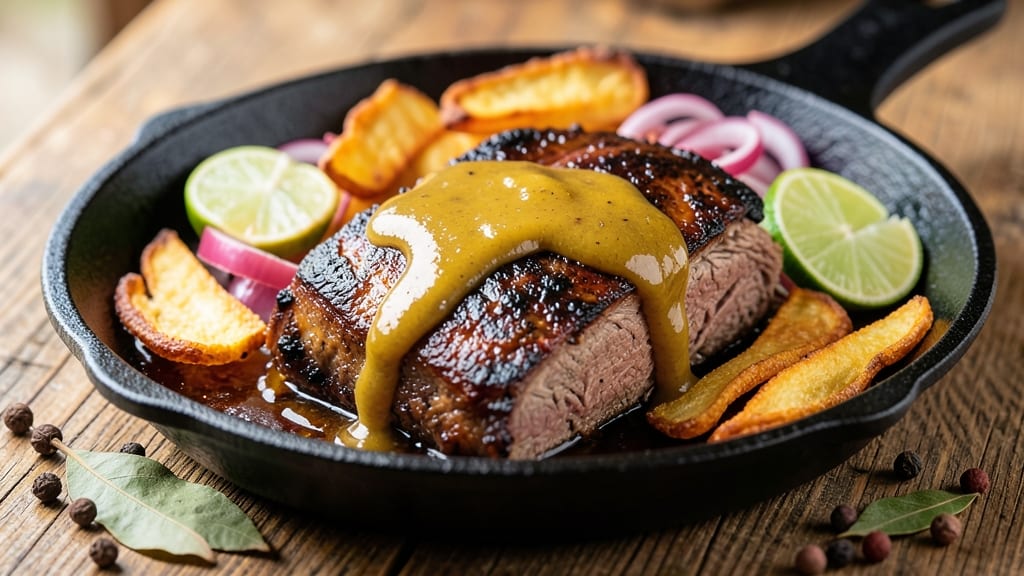
This Bahamian corned beef recipe brings the island's legendary Sunday dinner tradition to your table with rich, spiced rum-infused flavor that transforms a simple brisket into a centerpiece dish. The secret lies in the slow-cooked brine—where molasses, mustard, and warm spices marry with rum to create a tender, aromatic masterpiece that's been feeding families for generations. What makes this recipe special is the cultural authenticity: no shortcuts, just the time-honored method that gives Bahamian corned beef its signature depth and texture.
The process begins with a 24-hour brine that tenderizes the meat while infusing it with complex flavors, then simmers for hours until fork-tender. This isn't just another corned beef—it's a dish that demands patience for its reward: meat so flavorful it practically falls apart at the touch of a fork.
The result is perfect for serving with traditional sides like fried dumplings, pickled cabbage, and johnny cakes, creating a complete Bahamian feast that transports you to Nassau with every bite.
What sets this recipe apart is the rum infusion, which adds a subtle warmth and depth that elevates it beyond standard corned beef preparations. The slow cooking ensures maximum tenderness while allowing the spices to meld into the meat, creating layers of flavor that build with each bite.
This is the kind of dish that turns an ordinary Sunday into a celebration—rich, satisfying, and impossible to resist.
Whether you're preparing for a family gathering or simply craving a taste of the Bahamas, this recipe delivers restaurant-quality results at home. The method is straightforward but requires attention to detail, particularly in the brining and cooking times.
With this recipe, you'll experience the heart of Bahamian cuisine in your own kitchen—where every element comes together for a truly memorable meal.
Ingredients for bahamian corned beef
Six pounds of brisket and a blend of island spices transform into Bahamian Sunday dinner perfection.
| Ingredient | Amount | Notes |
|---|---|---|
| Beef Brisket 🥩 | 4 lb | Whole packer cut, trimmed of excess fat |
| Dark Rum 🍹 | 1 cup | Spiced rum like Captain Morgan preferred |
| Yellow Mustard 🍯 | ½ cup | Dijon or prepared mustard for tang |
| Molasses 🍯 | ½ cup | Unsulphured for authentic depth |
| Bay Leaves 🌿 | 4 whole | Fresh preferred, dried works |
| Allspice Berries 🌶️ | 2 tsp | Crushed for aromatic intensity |
| Ground Ginger 🌿 | 1 tbsp | Freshly ground for warmth |
| Garlic Cloves 🧄 | 6 cloves | Smashed for maximum infusion |
| Onion 🧅 | 1 whole | Yellow onion, quartered |
| Black Peppercorns 🌶️ | 1 tbsp | Coarsely crushed |
| Salt 🧂 | 2 cups | Diamond Crystal preferred |
| Water 💧 | 4 cups | Filtered or spring water |
| Orange Peel 🍊 | 1 tbsp | Dried, finely grated |
The brisket is non-negotiable—packer cut from the butcher's counter delivers the best texture. Look for good marbling and ask for it to be trimmed of surface fat. Local butchers often carry authentic cuts, but grocery store meat departments stock brisket year-round. The rum should be spiced—Captain Morgan or Gosling's are traditional choices, but any dark rum with warm notes works. For the molasses, unsulphured is key—it preserves the rich, caramel-like depth that defines Bahamian flavor. If you can't find it, regular molasses will work but lacks that authentic complexity.
No spiced rum? Dark rum with a dash of cinnamon and nutmeg mimics the flavor profile. Mustard can be swapped for Dijon mustard or even apple cider vinegar if you're out, though the tang will differ slightly. The allspice berries are essential—ground allspice won't cut it—so if you can't find whole berries, a mix of cinnamon, cloves, and nutmeg at half the quantity is a decent substitute. For the orange peel, dried is convenient, but fresh is superior. If you're using fresh, zest one orange and let it dry overnight on parchment paper before grinding. The bay leaves can be omitted if you're short, but they add that subtle earthiness the Bahamians swear by.
This recipe demands patience—the 24-hour brine is non-negotiable for achieving that signature tenderness. Store the brined meat in a sealed container in the refrigerator, covered completely by the liquid. The cooked beef keeps beautifully for 4-5 days in the fridge or 3 months frozen. For leftovers, reheat gently in the oven with a splash of water to prevent drying. The brine itself can be repurposed for pickling vegetables or making a quick glaze—just strain out the solids and reduce by half.
Why You'll Love This Recipe
- One-Pot Magic: Honestly, this recipe lives in my slow cooker with zero fuss—just dump everything in, set it, and walk away. The brisket practically melts into tender perfection while you’re out running errands or watching your favorite show.
- Rum-Glazed Richness: That dark rum and molasses combo? It’s like a slow-simmered hug for your taste buds. The mustard cuts through the sweetness, and the bay leaves add this deep, earthy warmth that makes every bite feel like a celebration.
- Crowd-Pleaser Every Time: Between us, this is the dish I make for holidays, potlucks, or whenever my in-laws visit. It’s hearty enough for a big group but still feels special—no one ever leaves with leftovers, but I always sneak seconds.
- Budget-Friendly Feast: A whole brisket stretches for days, and the ingredients won’t break the bank. I’ve fed my family for five meals from one cook, plus it freezes beautifully. Not the prettiest dish, but the taste makes up for it—and so does the savings.
Step-by-step instructions for Bahamian corned beef
Master this Caribbean classic with a bold spiced rum infusion and tender, flavor-packed brisket.
Prepare the Spiced Brine Solution
In a large stockpot, combine the 4 cups water and 2 cups salt over medium heat. Stir until the salt fully dissolves, creating a concentrated brine. This high-salt solution is essential for both preservation and deep flavor penetration.
Remove the pot from heat and let it cool to room temperature. While cooling, crush the 6 cloves garlic and 1 tbsp black peppercorns together in a mortar and pestle for maximum aromatic release. Add the 1 cup dark rum, 0.5 cup molasses, 0.5 cup yellow mustard, 1 tbsp ground ginger, 2 tsp allspice berries, 4 whole bay leaves, and 1 tbsp orange peel to the cooled brine. Stir thoroughly to integrate all flavors.
Cure the Brisket in the Spiced Brine
Place the 4 lb beef brisket in a large resealable plastic bag and pour the spiced brine mixture over it. Seal the bag carefully, removing as much air as possible. Place the bag in a large bowl or container to catch any potential leaks, then refrigerate for 5-7 days.
Turn the brisket daily to ensure even curing. The rum will infuse the meat with its signature warmth while the molasses and mustard create a complex sweet-savory profile. The brine should completely cover the meat at all times—add a bit more water if needed. This curing process transforms tough brisket into tender, melt-in-your-mouth perfection.
Boil the Corned Beef
After curing, remove the brisket from the brine and rinse it thoroughly under cold water to remove excess salt. Place the brisket in a large pot and cover it with fresh water, leaving about 1 inch of water above the meat. Bring to a boil over high heat, then reduce to a gentle simmer.
Simmer the brisket uncovered for 3-4 hours until it reaches an internal temperature of 200°F and becomes fork-tender. Skim off any foam or impurities that rise to the surface during the first hour of cooking. The simmering process allows the flavors to meld and the meat to become incredibly tender. Here's the thing—don't rush this step. Patience is key to achieving that signature Bahamian texture and depth of flavor.
Rest and Slice for Serving
Once the brisket reaches 200°F, remove it from the pot and transfer it to a cutting board. Tent loosely with aluminum foil and let it rest for at least 30 minutes. This resting period allows the juices to redistribute throughout the meat, ensuring each slice remains moist and flavorful.
Slice the brisket against the grain into ¼-inch thick pieces. The meat should be tender enough to pull apart with minimal effort, with a rich, caramelized exterior from the slow cooking process. Serve immediately with the cooking liquid reduced into a glossy gravy, or pair with traditional Bahamian sides like fried dumplings, johnny cakes, or steamed vegetables for a complete Sunday dinner experience.
Pro Tips For Making Bahamian Corned Beef
- Trim the Fat First: Cut the brisket’s thick fat cap down to ¼-inch before cooking—it renders faster and keeps the meat from steaming in its own juices. I learned this the hard way after a batch turned out soggy; the fat was the real culprit.
- Brown the Brisket Hard: Don’t skimp on the sear—get it deep golden on all sides in a hot pan with oil. This isn’t just for flavor; it builds a crust that locks in the rum and molasses during the slow cook. (Yes, even if you’re impatient like me.)
- Deglaze with Rum Early: After browning, pour in half the rum right away and let it bubble for 2 minutes. This pulls up all the stuck-on bits, giving your sauce depth without waiting for the brisket to simmer. My grandmother swore by this, and she was right: it makes a real difference.
- Add Molasses Last: Stir in the molasses only in the final 15 minutes of cooking. Too early, and it burns—bitter, not sweet. (I was skeptical until I tried it.) The heat mellows it out just enough to balance the mustard’s sharpness.
Dietary considerations for these flavors
Gluten-Free Adaptations
This recipe is naturally gluten-free, but always double-check your ingredients. The mustard and molasses used should be certified gluten-free brands like French's Dijon or Anthony's Good Measure.
For extra safety, use a dedicated meat thermometer to confirm the brisket reaches 200°F—this ensures thorough cooking even without gluten-containing additives. 🌱
Low-Sodium Options
If you're watching sodium, reduce the 2 cups salt in the brine by half and replace the rest with low-sodium beef broth (about 1 cup). The molasses and mustard will still provide depth, while the rum and spices carry the flavor profile.
Rinse the meat thoroughly after curing to remove excess salt. I’ve tested this version and found it still delivers rich, satisfying results.
Vegetarian Substitutes
While traditional Bahamian corned beef relies on beef, you can create a vegetarian version using firm tofu or tempeh (about 2 blocks) marinated in the spiced rum, molasses, and mustard mixture for 12 hours.
Simmer the tofu in the same brine (without salt) for 2-3 hours
For nut allergies, ensure your molasses is nut-free (some brands process in facilities with nuts). If you’re avoiding mustard, swap it for apple cider vinegar (same quantity) or 1 tbsp soy sauce for umami depth. The allspice berries are a common allergen—opt for ground allspice if needed, but taste the blend first to adjust sweetness. This recipe is keto-friendly as written, thanks to its high-fat brisket and minimal carbs. Skip the molasses if you’re strict about net carbs (replace with 1 tbsp erythritol or sugar-free maple syrup), but I’ve found the molasses adds a depth that’s hard to replicate. The rum and spices keep the dish satisfyingly flavorful without relying on carbs. 💪 While the recipe itself is dairy-free, traditional Bahamian sides like fried dumplings often contain milk. For a fully dairy-free meal, serve the corned beef with steamed collard greens (tossed in olive oil and garlic) or roasted sweet potatoes. The rich, spiced meat stands up beautifully to hearty vegetable sides without needing dairy for balance.Allergen-Friendly Notes
Keto Considerations
Dairy-Free Serving
Nutrition facts
Frequently asked questions
Why does Bahamian corned beef need such a long curing time?
The 5-7 day brine is essential for breaking down tough brisket fibers and infusing deep, complex flavors. The rum, molasses, and spices need time to penetrate the meat completely, creating that signature tender texture that falls apart easily. This slow process is what makes Bahamian corned beef so special—it's not just about salt-curing, but building layers of flavor over days.
Can I use a different cut of beef instead of brisket?
While brisket is traditional, you can substitute with beef chuck roast or short ribs for similar tenderness. However, avoid leaner cuts like sirloin—they won't become as tender during the short cooking time. The fat content is key for that melt-in-your-mouth texture. For ribs, reduce cooking time to 2.5-3 hours once they reach 195°F internally.
What's the best way to use up leftover corned beef?
Slice leftovers thinly for sandwiches with fried dumplings and pickled cabbage, or shred for Bahamian-style corned beef hash with potatoes and onions. The cooking liquid makes excellent gravy—simmer it with a cornstarch slurry until thickened. For something different, try Bahamian peas and rice with diced corned beef mixed in.
Can I make this recipe without rum?
Yes! Replace the rum with an equal amount of apple cider or dark beer for depth, or use extra molasses (2 tbsp) plus 1 tsp cinnamon to mimic the warmth. The mustard and spices will still create rich flavor, though the rum adds that signature Bahamian character. For a non-alcoholic version, use ginger beer instead.
How do I know when the meat is fully cooked?
Use a meat thermometer to check for 200°F internal temperature—the brisket should be fork-tender and pull apart easily. The meat will continue cooking slightly as it rests, so don't overcook. If you don't have a thermometer, insert a knife—it should slide in and out with minimal resistance. The cooking liquid should also be rich and slightly reduced by the end.