
Main Courses
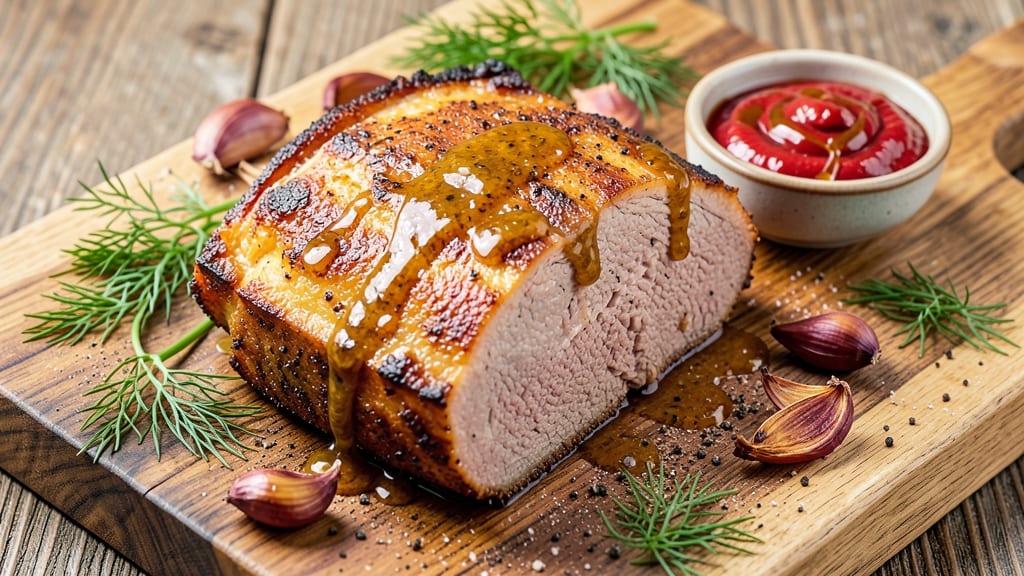
Baked corned beef with mustard transforms a simple roast into a showstopper with a mustard-kissed crust and fork-tender meat that falls apart at the touch of a fork. This recipe preserves all the rich, savory depth of traditional corned beef while adding a bright, tangy twist that elevates every bite. The secret lies in a simple yet effective mustard rub that caramelizes beautifully in the oven, creating a crust that’s both crisp and irresistibly flavorful.
The process is straightforward but yields restaurant-quality results: a 3- to 4-pound brisket slow-baked until tender, basted with a honey-mustard glaze that deepens in flavor as it cooks. No brining is required—just a few key steps to ensure the meat stays juicy and the crust stays golden.
The mustard not only adds a tangy punch but also helps tenderize the meat, making it easier to slice and serve.
By the time it’s done, you’ll have a centerpiece dish that’s rich, aromatic, and packed with flavor—perfect for St. Patrick’s Day, game day, or a cozy Sunday dinner. The mustard-kissed crust adds a layer of complexity that balances the beef’s natural richness, while the tender interior melts in your mouth.
Serve it with classic sides like cabbage, potatoes, or crusty bread to soak up every last bit of that delicious glaze.
This recipe is designed to be foolproof, with clear instructions for timing, temperature, and resting to ensure perfect results every time.
Whether you’re cooking for a crowd or treating yourself to a special meal, this baked corned beef with mustard delivers the kind of satisfaction that turns a simple dinner into an unforgettable experience.
Ingredients for baked corned beef recipe with mustard
Six essential ingredients transform a simple brisket into a mustard-kissed centerpiece with restaurant-quality tenderness.
| Ingredient | Amount | Notes |
|---|---|---|
| Beef Brisket 🥩 | 3 ½ lb | Whole packer cut, trimmed of excess fat |
| Yellow Mustard 🍯 | ½ cup | Dijon or whole-grain preferred |
| Honey 🍯 | ¼ cup | Wildflower or clover variety |
| Garlic Cloves 🧄 | 6 cloves | Minced for rub |
| Onion Powder 🧅 | 1 tbsp | Freshly ground preferred |
| Ground Black Pepper 🌶️ | 1 ½ tsp | Freshly cracked preferred |
| Kosher Salt 🧂 | 1 ½ tsp | Diamond Crystal preferred |
| Olive Oil 🫒 | 2 tbsp | Extra-virgin for richness |
| Apple Cider Vinegar 💧 | 1 tbsp | For tangy depth |
| Green Cabbage 🥬 | 1 small | Shredded for serving |
| Russet Potatoes 🥔 | 2 large | For roasting |
| Carrots 🥕 | 4 medium | Whole or sliced |
The brisket cut is everything here—look for the whole packer cut with good marbling at your butcher or grocery store's meat counter. Costco or Whole Foods often carry high-quality briskets, but the regular supermarket section works too. Trim excess fat to about 1/4-inch thickness—this ensures even cooking and a crisp crust. For the mustard, Dijon or whole-grain gives better texture than smooth varieties. The honey should be real, not that cheap processed stuff—local honey from a farmers market adds subtle floral notes that pair perfectly with the mustard.
No Dijon mustard? Yellow mustard with a splash of vinegar works in a pinch. Short on honey? Maple syrup at a 1:1 ratio keeps the sweetness balanced. The garlic can be pre-minced from a jar (it's fine), but freshly minced has more punch. For the sides, red potatoes or Yukon Golds hold up better than russets when roasted alongside the beef. The cabbage should be fresh—green or red both work, but avoid pre-shredded bags since they wilt faster. Need to prep ahead? The rub can be mixed and stored for 1 week in the fridge.
This dish reheats beautifully—350°F for 15-20 minutes covered with foil. The brisket stays tender for 4-5 days in the fridge, while the sides keep for 3 days. For large gatherings, double the sides and reheat separately. The mustard glaze caramelizes best when made fresh, but you can prep the rub and glaze components separately and assemble just before baking. Portion the sides into containers for easy reheating—just toss them in the oven while you warm the beef.
Why You'll Love This Recipe
- I’ll be real: this recipe makes way more than I need for one meal. The good news? The next day, that beef gets even better—tender, juicy, and perfect for sandwiches or hash. My freezer’s always stocked with portions because it reheats like a dream.
- One-Pan Magic: Honestly, I love a recipe that doesn’t require a million dishes—just a sheet pan, some brisket, and that tangy honey-mustard glaze. The onions caramelize right alongside the beef, so you’re basically getting two sides in one go. (Yes, even on a Tuesday night.)
- Sweet-Savory Bomb: Between us, that combo of yellow mustard and honey? It’s the kind of flavor that makes you pause mid-bite. The garlic cloves roast into soft, aromatic nubs while the onion powder adds this subtle warmth—like a hug in sauce form.
- Leftovers That Win: I’ll be real: this recipe makes way more than I need for one meal. The good news? The next day, that beef gets even better—tender, juicy, and perfect for sandwiches or hash. My freezer’s always stocked with portions because it reheats like a dream.
Step-by-step instructions for baked corned beef with mustard
This method delivers fork-tender beef with a mustard-kissed crust every time.
Prepare the Brisket and Seasoning Rub
Pat the 3.5 lb Beef Brisket completely dry with paper towels, removing any remaining moisture from the surface. This drying step is crucial for developing that signature mustard crust. Place the brisket fat-side up on a cutting board and trim any excess fat, leaving about ¼ inch thickness for flavor and moisture.
In a small bowl, combine 0.5 cup Yellow Mustard, 0.25 cup Honey, 1 tbsp Onion Powder, 1.5 tsp Ground Black Pepper, 1.5 tsp Kosher Salt, 6 cloves Garlic Cloves (minced), and 1 tbsp Apple Cider Vinegar. Mix until fully incorporated, creating a thick, aromatic paste. Spread this mixture evenly over all sides of the brisket, pressing it into the meat so it adheres well. Cover with plastic wrap and refrigerate for at least 2 hours (or overnight for deeper flavor penetration).
Preheat and Sear the Brisket
Preheat your oven to 325°F. Heat 2 tbsp Olive Oil in a large oven-safe skillet or Dutch oven over medium-high heat until shimmering. Place the brisket in the skillet, fat-side down, and sear for 8-10 minutes until the bottom develops a deep golden-brown crust. Flip the brisket and sear the other side for another 6-8 minutes. This step creates a flavorful foundation and helps the mustard crust form properly.
Once seared, transfer the skillet to the preheated oven. The brisket should be placed fat-side up to allow the rendered fat to baste the meat as it cooks. Bake uncovered for 2 hours, maintaining the 325°F temperature. This slow cooking ensures the meat becomes fork-tender without drying out.
Prepare and Add the Vegetables
While the brisket is baking, prepare the vegetables. Peel and cut the 2 large Russet Potatoes into 1-inch chunks, and slice the 4 medium Carrots into ½-inch rounds. Shred the 1 small Green Cabbage into thin strips. Toss the potatoes and carrots with 1 tbsp Olive Oil, 1 tsp Kosher Salt, and ½ tsp Ground Black Pepper. Spread them evenly around the brisket in the skillet, creating a single layer. Add the shredded cabbage on top of the potatoes and carrots, ensuring it doesn't overcrowd the pan.
Return the skillet to the oven and continue baking for an additional 1 hour 30 minutes until the brisket reaches an internal temperature of 200-205°F and the vegetables are tender. The mustard crust should be caramelized and sticky, indicating it's fully developed. If the crust starts to dry out before the brisket is done, tent the skillet loosely with foil for the last 30 minutes of cooking.
Rest and Serve
Remove the brisket from the oven and transfer it to a cutting board. Tent it loosely with foil and let it rest for 15-20 minutes before slicing. This resting period allows the juices to redistribute throughout the meat, ensuring each slice is moist and flavorful. Use a sharp carving knife to slice the brisket against the grain into ¼-inch thick pieces.
Serve the brisket with the roasted potatoes, carrots, and cabbage. The mustard-kissed crust should be sticky and slightly caramelized, while the meat should be fork-tender and rich. The vegetables will be perfectly tender with a slight crispness from the oven. This dish serves 6 and pairs beautifully with a simple side of mustard sauce or crusty bread.
Pro Tips For Making Baked Corned Beef Recipe With Mustard
- Start with Cold Mustard: Don’t let that yellow mustard sit in a warm pan—it’ll turn into a gluey mess. Mix it with honey and garlic after the brisket is in the oven, so the flavors stay bright and don’t scorch.
- Salt the Brisket 24 Hours Early: I learned this the hard way—skipping the overnight salt cure means dry, flavorless meat. Pat the brisket dry, then rub it with kosher salt (about 1 teaspoon per pound) and let it rest uncovered in the fridge. Trust me, it’s worth the wait.
- Baste with Pan Juices: Don’t ignore those browned bits at the bottom of the pan—they’re liquid gold. Every 45 minutes, spoon them over the brisket while it bakes. It keeps the meat moist and adds depth to the mustard glaze.
- Use a Meat Thermometer: Guessing won’t cut it here. Pull the brisket when the internal temp hits 195°F—any lower and it’ll be tough, any higher and it’ll turn to shoe leather. (Yes, even if it looks undercooked.)
Make-ahead tips for this recipe
Prep Ahead for Stress-Free Cooking
Start your mustard rub the night before—mix all ingredients in a bowl and store it in an airtight container in the fridge. This gives flavors time to meld, and you can simply spread it on the brisket the next morning.
I like to prep my vegetables too: chop potatoes and carrots, then store them in a sealed container with a damp paper towel to prevent drying. The cabbage can be shredded and refrigerated separately.
This way, you only need to focus on searing and baking on the day of the meal. 📅
Brisket Prep Timeline
For maximum flavor, let the brisket sit in the refrigerator uncovered for 1-2 hours after applying the mustard rub. This helps the crust form better.
I recommend searing it the same day you plan to bake, but if you must prep ahead, you can refrigerate the rubbed brisket (uncovered) for up to 12 hours. Just bring it to room temperature before searing to ensure even cooking.
The mustard will caramelize beautifully, creating that signature crust. ⏰
Vegetable Prep Shortcuts
Save time by roasting your potatoes and carrots separately in the oven while the brisket rests. Toss them with olive oil, salt, and pepper, then roast at 400°F for 25-30 minutes until tender.
The cabbage can be sautéed in a skillet with a splash of apple cider vinegar and butter for 10-12 minutes while the brisket rests. This keeps everything hot and ready to serve without overcrowding your oven. 🥔
Make-Ahead Serving Suggestions
Slice the brisket and store it in an airtight container with any leftover pan juices. It reheats beautifully at 350°F for 15-20 minutes covered with foil.
For the sides, potatoes and carrots reheat well in the microwave for 1-2 minutes, while cabbage is best fresh or quickly sautéed. I like to serve the brisket with a side of mustard sauce made from the leftover glaze—simply simmer 2 tbsp of the mustard mixture with 1 tbsp butter for 3-4 minutes. 💛
Freezing for Future Meals
This dish freezes remarkably well! Wrap the cooked brisket tightly in plastic wrap, then place it in a freezer bag with any leftover juices. It keeps for up to 3 months. Thaw overnight in the fridge, then reheat as directed.
The vegetables don’t freeze as well, so I recommend prepping them fresh when you’re ready to serve. The mustard-kissed flavor actually improves after freezing, making it perfect for lazy Sundays or unexpected company. ❄️
Nutrition facts
Frequently asked questions
Can I use Dijon mustard instead of yellow mustard?
Dijon mustard adds a more complex, slightly tangy flavor that pairs beautifully with the beef. Use the same 0.5 cup measurement, but note that Dijon has a finer texture and may require slightly less honey (0.2 cup) to balance sweetness. The crust will still caramelize perfectly.
Why does the brisket need to rest before slicing?
Resting allows the meat's juices to redistribute, preventing them from running out when you cut. A 15-20 minute rest at room temperature keeps each slice tender and moist. If you're impatient, slice against the grain immediately—but expect slightly drier edges.
What if my mustard crust isn't forming properly?
Check these three things:
- The brisket must be completely dry before applying the rub,
- Your oven should be at 325°F (not higher), and
- The skillet needs to be oven-safe. If it's still not working, try adding 1 tbsp cornstarch to the mustard mixture for extra stickiness.
Can I make this in a regular oven instead of a Dutch oven?
Yes! Transfer the seared brisket to a roasting pan and place the vegetables around it. Use a meat thermometer to monitor the internal temperature. The cooking time may increase slightly (30-45 minutes longer) since there's less natural basting from rendered fat.
What's the best way to reheat leftovers?
Slice the brisket and reheat in a covered skillet with 1 tbsp water over low heat for 10 minutes. For sides, microwave potatoes/carrots for 1-2 minutes (covered) and cabbage for 30 seconds. Never reheat in the oven uncovered—it dries out the meat.