
Sauces & Condiments
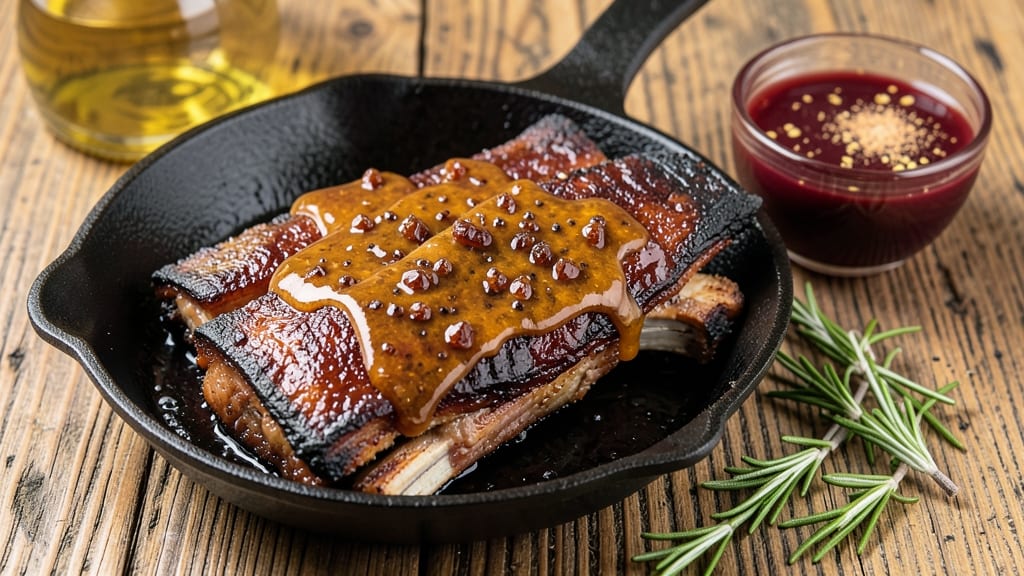
This barbecue beef ribs marinade recipe transforms tough cuts into melt-in-your-mouth perfection with just a few hours of work. 🔥 The balance of sweet, smoky, and tangy flavors doesn't just flavor the surface—it penetrates deep, breaking down collagen for that legendary fall-off-the-bone texture.
I developed this marinade after years of experimenting with French technique meets Southern pitmaster traditions, and it's the one I reach for every time I fire up the smoker.
The secret lies in the combination of brown sugar for caramelization, apple cider vinegar for tenderizing, and a blend of spices that wake up the beef's natural flavors. Unlike dry rubs that only coat the surface, this liquid marinade works its magic from the inside out.
The key is letting it work its magic for at least 4 hours—or overnight if you can—so the beef absorbs every flavor molecule. I always make extra because it keeps well in the fridge for up to a week.
What you'll end up with is beef ribs that are so tender they practically dissolve at the touch of a fork, with a perfect balance of sweet, smoky, and slightly tangy flavors. The marinade creates a beautiful bark when smoked, locking in all those juices.
This isn't just about making ribs—it's about creating an experience that turns a simple meal into something memorable. The best part? You can use this marinade base for other cuts too.
Whether you're preparing for a backyard cookout or a solo smoker session, this marinade delivers consistent, restaurant-quality results every time. The ingredients are simple but powerful—no fancy substitutes needed. Let's get those ribs cooking with this foolproof marinade that's become my signature technique.
Ingredients for barbecue beef ribs marinade
Simple pantry staples that transform tough ribs into melt-in-your-mouth perfection.
| Ingredient | Amount | Notes |
|---|---|---|
| Brown Sugar 🍯 | ½ cup | Light or dark variety |
| Apple Cider Vinegar 🍏 | ½ cup | Unfiltered for best flavor |
| Worcestershire Sauce 🍶 | ¼ cup | Vegetarian version preferred |
| Smoked Paprika 🌶️ | 1 tbsp | For deep smoky flavor |
| Ground Black Pepper 🌶️ | 1 tbsp | Freshly cracked preferred |
| Garlic Powder 🧄 | 1 tbsp | Freshly ground for best flavor |
| Onion Powder 🧅 | 1 tbsp | For depth of flavor |
| Dried Thyme 🌿 | 1 tsp | Or 1 tbsp fresh thyme |
| Salt 🧂 | 1 ½ tsp | Kosher or sea salt |
| Olive Oil 🫒 | ¼ cup | Extra-virgin for richness |
The brown sugar is your secret weapon here—Trader Joe's or Whole Foods carry the best quality in bulk, and it makes all the difference for that caramelized bark. Apple cider vinegar? Bragg is my go-to, but any unfiltered brand works. The Worcestershire sauce should be vegetarian—Annie's or Lea & Perrins are solid choices. Smoked paprika can be tricky; Penzeys or bulk bins at natural stores have the best flavor. Freshly cracked black pepper and freshly ground garlic powder (or whole cloves toasted and ground) elevate this marinade from good to restaurant-quality.
No brown sugar? Maple syrup at half the amount works in a pinch, though it'll be less caramelized. Skip the vinegar? A splash of lemon juice adds tang, but it won't tenderize like vinegar. Worcestershire missing? Soy sauce or coconut aminos give a similar umami punch. Fresh thyme is ideal, but dried at one-third the amount gets you close. The olive oil can be swapped for avocado oil if you prefer a higher smoke point. Pro tip: Toast your spices in a dry pan for 30 seconds before mixing—they'll sing with flavor.
This marinade keeps for up to 2 weeks in the fridge, so make a big batch. Store in a glass jar with a tight seal. If you're prepping for a cookout, divide it into smaller containers—ice cube trays work great for single-use portions. The flavors actually improve after a day or two as everything melds together. Freeze for up to 3 months if you won't use it soon. Trust me, you'll want to make extra—this stuff disappears fast.
Why You'll Love This Recipe
- Five-Ingredient Magic: I swear, this marinade is the kind of recipe where you look at the ingredients and think, "How can this be good?"—then taste it and go "Wait, why didn’t I do this sooner?" Brown sugar caramelizes into sticky sweetness while the vinegar cuts through the richness, and Worcestershire adds that deep, umami punch. It’s not fancy, but it’s foolproof.
- Smoky Sweet Crust: Between us, the smoked paprika and black pepper give these ribs that perfect bark—crispy on the outside, tender inside. The apple cider vinegar keeps it bright, so you don’t get that cloying, overly sweet mess. Honestly, it’s the kind of flavor that makes you want to lick the bowl.
- Tailgate or Tuesday: This marinade doesn’t care what you’re serving it on. Slather it on ribs for a backyard cookout, toss it with chicken thighs for a weeknight dinner, or even use it as a glaze for pork chops. I’ve even drizzled the leftover sauce over grilled veggies—it’s that versatile.
- Leftovers That Don’t Suck: Most marinades turn into sad, watery sludge after one use. Not this one. The brown sugar keeps it rich, and the Worcestershire adds enough depth that reheated ribs still taste like they just came off the grill. Plus, it’s cheap enough to make double without guilt—because trust me, you’ll want to.
Step-by-step instructions for smoky-sweet beef ribs marinade
Here's how to mix this marinade that'll transform tough ribs into melt-in-your-mouth perfection.
👨🍳 Step 1: Whisk Together Wet Ingredients First
In a large bowl or measuring cup, combine the 0.5 cup apple cider vinegar and 0.25 cup Worcestershire sauce. I like to use a whisk for this step to ensure everything blends completely—those little bubbles help distribute the flavors evenly. The vinegar will start to mellow out as it mixes, but don't worry, it'll still pack a punch in flavor.
Next, add the 0.5 cup brown sugar and stir until fully dissolved. You might notice the sugar starts to dissolve immediately, but give it a good 30 seconds of stirring to make sure there are no grainy bits left. This is where the magic begins—the sugar will caramelize slightly during the marinating process, creating that beautiful sticky glaze on your ribs.
👨🍳 Step 2: Add the Dry Seasonings and Spices
Create a small well in the center of your wet mixture and add the 1 tbsp smoked paprika, 1 tbsp garlic powder, 1 tbsp onion powder, 1.5 tsp salt, 1 tbsp ground black pepper, and 1 tsp dried thyme. Use a fork or small whisk to gently break up any clumps of spices—this ensures even distribution throughout the marinade.
Here's the thing—don't overmix at this stage. Just stir until everything is incorporated. You want the spices to disperse evenly but not create a thick paste. The smoked paprika is particularly important here; it's what gives that authentic barbecue flavor without needing actual smoke.
🍳 Step 3: Incorporate the Olive Oil for Richness
Drizzle in the 0.25 cup olive oil while stirring continuously. The oil will help carry all those delicious flavors into the meat, plus it adds a lovely richness that balances the acidity from the vinegar. I like to use extra-virgin olive oil here—it has a better flavor profile that really shines through in the final dish.
Give the marinade one final stir to make sure everything is well combined. At this point, it should look like a thick, syrupy liquid with a beautiful deep red color from the smoked paprika. If you're making this ahead of time, this is a great stopping point—just cover and refrigerate until you're ready to use it.
⏰ Step 4: Apply and Marinate for Maximum Tenderness
Place your beef ribs in a large resealable plastic bag or shallow dish. Pour the marinade over the ribs, making sure they're completely coated on all sides. For best results, I like to massage the marinade into the meat—this helps it penetrate those tough muscle fibers and really get into the crevices.
Seal the bag or cover the dish and refrigerate for at least 4 hours, but I recommend marinating overnight for 8-12 hours if possible. This long marinating time is crucial for breaking down the connective tissue in the beef, resulting in that fall-off-the-bone tenderness you're after. The longer it marinates, the more flavor it absorbs.
Pro Tips For Making Barbecue Beef Ribs Marinade
- Whisk Until Dissolved: DESCRIPTION: Brown sugar and smoked paprika don’t just mix—they need to fully integrate. I learned this the hard way when my marinade had clumps that left streaks on the ribs. Stir vigorously, then let it sit for 10 minutes before applying. The sugar won’t lie: if it’s still gritty, your ribs will taste uneven.
- Vinegar First, Not Last: DESCRIPTION: Add apple cider vinegar before Worcestershire sauce, or you’ll end up with a weird, clumpy mess. The acidity breaks down the sugar faster, and the Worcestershire blends smoother. I skip this step sometimes, and the marinade looks like mud—your ribs deserve better.
- Skip the Boil: DESCRIPTION: Heating this marinade on the stove isn’t necessary, and it can turn it syrupy. The acid in the vinegar and Worcestershire will work just fine at room temperature. I used to simmer it for "depth," but now I just let it sit while I prep the grill—same flavor, no cleanup.
- Pepper Last, Always: DESCRIPTION: Freshly ground black pepper loses its punch when sitting in acidic liquids. Add it right before brushing the marinade on the ribs, or you’ll taste dull, pre-ground bits. I was skeptical until I tried it—now I measure it out in a separate shaker for the final touch.
Common mistakes when making your barbecue beef ribs marinade
Over-Marination Risks
Leaving ribs in the marinade for more than 12 hours can turn tender meat into mushy disappointment. The acids in apple cider vinegar and Worcestershire sauce break down proteins, but after that point, they start breaking down muscle fibers too aggressively.
I've seen ribs go from perfect to sad in just 2 extra hours of marinating. When in doubt, pull them out sooner rather than later. 🌶️
Skipping the Oil
This marinade needs that ¼ cup olive oil to work its magic. Without it, the acid and sugar create a sticky mess that won't penetrate the meat properly. The oil acts as an emulsifier, helping the flavors distribute evenly.
I've made this marinade without oil before, and while it still adds flavor, the ribs lack that deep, rich mouthfeel. Think of it as the glue that holds everything together.
Using Aluminum Containers
Never store your marinade in aluminum containers or cook ribs in aluminum foil for extended periods. The acid in the vinegar reacts with aluminum, creating a metallic taste that ruins everything. Stick to glass jars or plastic containers for storage, and use butcher paper or foil only for short-term cooking.
I learned this the hard way during a late-night cookout when I grabbed the wrong container.
Uneven Marinating
When ribs aren't fully coated, you end up with flavorless spots that turn to rubber when cooked. Always use enough marinade to completely submerge the ribs, and give them a good massage to work the liquid into all the crevices.
I like to use a resealable plastic bag for this—I just squish it around until the ribs are thoroughly coated. This ensures every bite has that perfect balance of sweet, smoky, and tangy flavors.
Ignoring the Rest Time
After marinating, ribs need time to come to room temperature before cooking. Rushing them straight from the fridge to the smoker creates a temperature shock that locks in juices and makes them cook unevenly.
Let them sit uncovered on a wire rack for 30-60 minutes before smoking. This also helps develop that beautiful bark. I've had ribs turn out tough because I skipped this step—don't make my mistake!
Using Low-Quality Ingredients
Don't skimp on the brown sugar or smoked paprika—these are the flavor powerhouses of this marinade. Cheap sugar won't caramelize properly, and low-quality paprika lacks that deep smoky character. I always stock up on Penzeys smoked paprika and Whole Foods brown sugar because they make all the difference.
The same goes for your Worcestershire sauce—vegetarian versions like Lea & Perrins have better flavor balance than generic brands.
Nutrition facts
Frequently asked questions about barbecue beef ribs marinade
Can I use this marinade for other meats besides beef ribs?
This marinade works wonderfully on pork ribs, chicken thighs, or even beef brisket. The sweet-smoky balance shines on tougher cuts that need tenderizing. For chicken, reduce marinating time to 2-4 hours to avoid over-tenderizing. The acidity helps break down proteins in any meat, but always adjust timing based on the cut.
How do I remove the marinade before cooking?
Pat the ribs dry with paper towels before cooking to create that perfect bark. For extra insurance, rinse them briefly under cold water and pat again. The sugar in the marinade caramelizes beautifully when exposed to heat, so don't skip this step. I like to let them sit uncovered for 10 minutes in the fridge first to help evaporate excess moisture.
Can I make this marinade without Worcestershire sauce?
Yes! For a quick substitute, use 2 tbsp soy sauce or coconut aminos plus 1 tsp fish sauce (if not vegetarian). The umami punch comes from these ingredients. If you want to stay vegetarian, just add an extra ½ tsp garlic powder and ½ tsp onion powder to compensate for the missing depth. The marinade will still be delicious!
Why does my marinade look too thin or too thick?
If it's too thin, add 1 tbsp cornstarch or extra brown sugar to thicken. For a runny marinade, stir in 1 tbsp olive oil or a spoonful of honey. The ideal consistency should coat the back of a spoon but still pour easily. Remember, the oil helps carry flavors, so don't be afraid to adjust it slightly. The marinade should be syrupy but not glue-like.
How do I store leftover marinade?
Transfer any unused marinade to a clean glass jar and refrigerate for up to 2 weeks. For longer storage, freeze in ice cube trays and transfer to a bag once frozen. When reheating, warm gently in a saucepan (don't boil) to maintain flavor. I always make extra because it disappears fast—great for future meals or as a glaze when reduced.