
Sauces & Condiments
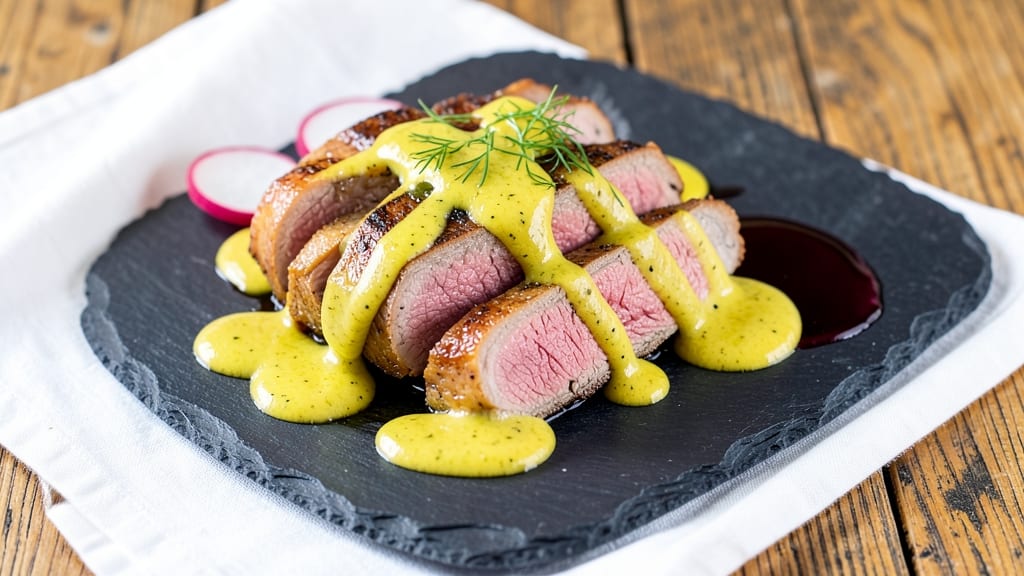
This Barefoot Contessa beef tenderloin with horseradish sauce delivers restaurant-quality results with a bold, tangy kick that transforms simple beef into an unforgettable centerpiece.
The secret lies in perfectly searing the tenderloin to lock in juices while creating a caramelized crust, then finishing it in the oven for medium-rare perfection. That signature horseradish sauce—creamy, sharp, and just spicy enough—cuts through the richness without overpowering the beef's natural elegance.
The recipe begins with a foolproof searing technique that ensures every bite stays tender and succulent, followed by a precise roasting time that guarantees a juicy interior with a golden exterior.
Meanwhile, the horseradish sauce comes together in minutes using just five ingredients: cream cheese, sour cream, fresh horseradish, Dijon mustard, and a touch of lemon. The sauce's bright acidity and subtle heat elevate the beef, making each slice feel like a special occasion.
What you’ll end up with is a platter-worthy dish that’s elegant enough for dinner parties but simple enough for weeknight dinners. The horseradish sauce adds a sophisticated contrast to the beef’s richness, while the tenderloin’s melt-in-your-mouth texture makes it impossible to resist.
Serve it with roasted garlic mashed potatoes or a crisp green salad to complete the meal.
This recipe is designed to impress without stress—no complicated techniques, just a method that delivers restaurant-quality results at home. Whether you're cooking for guests or treating yourself, the combination of perfectly cooked beef and that zesty horseradish sauce will leave everyone asking for seconds.
Ingredients for barefoot contessa beef tenderloin with horseradish sauce
Six ingredients transform beef tenderloin into a restaurant-worthy centerpiece with bold horseradish sauce.
| Ingredient | Amount | Notes |
|---|---|---|
| Beef Tenderloin 🥩 | 3 lb | Center-cut, trimmed of fat |
| Kosher Salt 🧂 | 1 ½ tbsp | Diamond Crystal preferred |
| Freshly Ground Black Pepper 🌶️ | 1 tsp | Coarse grind for texture |
| Extra-Virgin Olive Oil 🫒 | ½ cup | High-quality, fruity variety |
| Unsalted Butter 🧈 | ½ cup | Cold, cubed for searing |
| Fresh Horseradish Root 🌿 | 2 oz | Freshly grated for sauce |
| Cream Cheese 🧀 | 8 oz | Room temperature for blending |
| Sour Cream 🥛 | ½ cup | Full-fat for creaminess |
| Dijon Mustard 🍯 | 1 tbsp | Mild or strong variety |
| Fresh Lemon Juice 🍋 | 1 tbsp | From 1 small lemon |
| Garlic Cloves 🧄 | 4 cloves | Minced for sauce |
| Fresh Thyme Leaves 🌿 | ¼ cup | Chopped for garnish |
The beef tenderloin is the star—center-cut and trimmed for maximum tenderness. Whole Foods Market or high-end butchers carry the best quality, often vacuum-sealed to preserve freshness. Look for vibrant color and good marbling; avoid any cuts with grayish tones or excessive fat. The horseradish root should be firm and white—avoid any with soft spots or yellowing. For the sauce ingredients, Philadelphia cream cheese and full-fat sour cream are non-negotiable for that signature creamy texture. The Dijon mustard adds depth, so Maille or Amoyada brands deliver the best flavor profile.
No fresh horseradish root? Prepared horseradish at half the amount works in a pinch, though it lacks the bright, peppery kick. Substituting cream cheese? Greek yogurt or mascarpone adds tanginess but may alter texture slightly. For the beef, ribeye steak can replace tenderloin if needed—just increase cooking time by 5-7 minutes. The olive oil and butter should be high-quality, cold-pressed for optimal searing. If you're short on time, pre-minced garlic from a jar works, though fresh is always preferred for that aromatic punch.
The beef tenderloin should be used within 3-4 days of purchase for best results—store it wrapped in paper towels in the fridge. The sauce ingredients keep well: horseradish root lasts 2 weeks in the fridge, while cream cheese and sour cream can be frozen for up to 3 months. Once prepared, the horseradish sauce stays fresh for 5 days when refrigerated in an airtight container. For leftovers, slice the beef thinly and reheat gently in the oven to maintain moisture. Portion the sauce into small containers for easy use in future recipes.
Why You'll Love This Recipe
- Two-Ingredient Magic: The secret’s in the butter and oil—just sear that tenderloin until it’s golden, then let it rest. No fancy marinades, no stress. The horseradish sauce ties it all together with that perfect tangy kick, and honestly? That’s all you need for restaurant-quality results.
- Weeknight Hero: Between us, this is the dish I pull out when I’m too tired to think. Toss the beef in salt and pepper, let it rest while I chop veggies or open a bottle of wine—no hovering, no babysitting. By the time it’s done, I’ve already set the table.
- Leftovers That Don’t Suffer: I swear by this for meal prep. Slice the cooled tenderloin thin, and those leftovers reheat like a dream—tender, juicy, and still packed with flavor. Serve it on toast with a fried egg for breakfast, or toss it into a salad for lunch. It’s that versatile.
- Horseradish Sauce Wins: That creamy, spicy horseradish sauce? It’s my go-to for special occasions without the fuss. The butter and olive oil base keeps it rich but light, and the horseradish cuts through the richness like a breath of fresh air. Guests always ask for the recipe—then I just smile and say, “It’s easier than it looks.”
Step-by-step instructions for beef tenderloin with horseradish sauce
Master this technique for a perfectly seared exterior and tender, juicy interior with a bright horseradish sauce.
Prepare the Beef Tenderloin for Cooking
Remove the beef tenderloin from the refrigerator and let it sit at room temperature for 30 minutes before cooking. This ensures even cooking throughout. Pat the surface dry with paper towels—this step is critical for achieving that perfect sear and crispy exterior. Using a sharp boning knife, trim any remaining fat or silver skin from the surface, leaving the meat clean and ready for seasoning.
In a small bowl, combine the 1.5 tablespoons kosher salt and 1 teaspoon freshly ground black pepper. Generously rub this mixture over the entire surface of the beef tenderloin, pressing the seasoning into the meat so it adheres well. Let the seasoned tenderloin rest uncovered on a wire rack set over a baking sheet for another 15 minutes—this final resting period helps the seasoning penetrate slightly and ensures the meat cooks evenly.
Sear the Beef Tenderloin to Perfection
Preheat your oven to 450°F. Heat a heavy oven-safe skillet, such as cast iron, over medium-high heat until it's very hot. Add the 0.5 cup extra-virgin olive oil and 0.5 cup unsalted butter, allowing them to melt and foam together. Once the butter has stopped foaming and the oil shimmers, carefully place the beef tenderloin in the skillet.
Sear the beef for 4-5 minutes per side, pressing down gently with a metal spatula to ensure even contact with the pan. You're looking for a deep, golden-brown crust that develops quickly—the meat should release easily from the skillet when ready. Once seared on all sides, transfer the skillet to the preheated oven. Roast the beef for 15-20 minutes for medium-rare, or until the internal temperature reaches 125°F on a meat thermometer inserted into the thickest part of the tenderloin.
Prepare the Horseradish Sauce
While the beef roasts, prepare the sauce by grating the 2 ounces fresh horseradish root using a fine grater or food processor. Transfer the grated horseradish to a mixing bowl and add the 8 ounces room-temperature cream cheese, 0.5 cup sour cream, 1 tablespoon Dijon mustard, 1 tablespoon fresh lemon juice, and 4 minced garlic cloves. Using a hand mixer or whisk, blend the ingredients together until smooth and fully combined. Taste and adjust the seasoning with additional salt or pepper if needed.
The sauce should be thick but pourable, with a bright, tangy kick from the horseradish. If it's too thick, thin it slightly with a splash of warm water or additional lemon juice. Cover the bowl and set it aside while the beef finishes cooking—this sauce will only get better as it sits, allowing the flavors to meld together.
Rest and Slice the Beef Tenderloin
Remove the beef tenderloin from the oven and transfer it to a cutting board. Let it rest for 10-15 minutes before slicing—this resting period is essential for redistributing the juices throughout the meat, ensuring each slice is tender and juicy. While the beef rests, preheat your serving platter in the oven for 5 minutes to keep it warm.
Using a sharp carving knife, slice the beef tenderloin into 1-inch thick medallions, cutting against the grain for maximum tenderness. Arrange the slices on the preheated platter and drizzle generously with the prepared horseradish sauce. Garnish with the 0.25 cup chopped fresh thyme leaves for a pop of color and aromatic finish. Serve immediately, allowing guests to enjoy the perfect balance of tender, juicy beef and the bright, zesty horseradish sauce.
Pro Tips For Making Barefoot Contessa Beef Tenderloin With Horseradish Sauce
- Use a Meat Thermometer: The Barefoot Contessa recipe calls for medium-rare (130°F internal temp), but I’ve seen people pull it out at 125°F and wonder why it’s still chewy. A good thermometer takes the guesswork out—insert it sideways into the thickest part, and don’t trust the color. (Yes, even if you’ve cooked beef a hundred times.)
- Salt the Butter Generously: The recipe says “unsalted butter,” but I learned this the hard way—if you’re using it for basting, add a pinch of kosher salt to the butter before melting. That extra salt makes a real difference when it coats the meat. (Your future self will notice.)
- Sear in Batches: A whole tenderloin is heavy, and crowding the pan drops the temperature like a rock. Sear it in two batches if needed—high heat, no rushing. The crust forms faster when the pan is screaming hot, and that’s what you’re after.
- Save the Horseradish Juice: When grating fresh horseradish, don’t toss the juice—strain it and mix it into the sauce. It adds brightness and cuts through the richness of the butter. (I used to waste it, then realized it was the missing piece.)
Serving suggestions for this barefoot contessa beef tenderloin with horseradish sauce
Elegant Plating Ideas
For a restaurant-worthy presentation, arrange the beef medallions on a large wooden board or slate platter—the rustic texture contrasts beautifully with the rich beef. Drizzle the horseradish sauce in a zigzag pattern over the slices, then sprinkle with chopped fresh thyme and a pinch of flaky sea salt.
Add a few rosemary sprigs for an aromatic touch that ties into the sauce's herbal notes. 🌿
Classic Side Pairings
Creamy garlic mashed potatoes are a must—their smooth texture and rich flavor complement the beef's tenderness. For a lighter option, serve roasted asparagus with a squeeze of lemon and a sprinkle of Parmesan cheese. Both sides balance the dish's richness while keeping the meal cohesive. I often roast the asparagus at 425°F for 12 minutes with 1 tablespoon olive oil and 1 clove minced garlic.
Wine Pairings
A bold red wine like Cabernet Sauvignon or Merlot stands up to the beef and sauce's intensity. For a white option, try a Chardonnay with oaky notes—it cuts through the horseradish's heat while harmonizing with the beef.
I recommend a Napa Valley Cabernet or a California Chardonnay for the best balance. Serve the wine slightly chilled to enhance its crispness against the rich flavors. 🍷
Bread Service
Offer crusty baguette slices or garlic bread on the side for soaking up any extra horseradish sauce. Toast the bread until golden and rub with a garlic clove and butter before serving.
This adds a casual yet sophisticated touch to the meal, perfect for guests who want to enjoy every bit of flavor. For extra elegance, arrange the bread on a small ceramic platter alongside the beef.
Garnish Upgrades
Elevate the dish with microgreens or edible flowers like nasturtiums for a pop of color and freshness. A few cracked black peppercorns scattered on top add a subtle visual contrast.
For a final touch, drizzle a thin stream of reduced balsamic glaze alongside the horseradish sauce—it adds a sweet-tangy contrast that guests will love. 💫
Family-Style Serving
For a communal dining experience, place the beef and sauce in the center of the table with individual serving spoons. Let guests assemble their plates with the beef, sauce, and sides. This interactive approach keeps the meal lively and encourages everyone to enjoy the dish together.
Serve with warm dinner rolls and a small bowl of extra horseradish sauce for those who want more heat.
Nutrition facts
Frequently asked questions
Can I substitute fresh horseradish root with prepared horseradish?
Yes, but the flavor will be different. Use half the amount of prepared horseradish (about 1 tablespoon) since it's more concentrated. Fresh horseradish gives a brighter, peppery kick that's essential for the authentic Barefoot Contessa taste. If you must use prepared, add a pinch of extra black pepper to compensate for the missing freshness.
How do I adjust cooking time for a thicker or thinner tenderloin?
Cooking time depends on thickness. For a 1.5-inch thick tenderloin, aim for 15-20 minutes at 450°F after searing. For every 0.5-inch thicker, add 5 minutes to roasting time. Always use a meat thermometer—125°F for medium-rare. A thicker cut may need 25-30 minutes total oven time after searing.
Why did my beef turn out dry?
Overcooking or skipping the rest time are the most common causes. Never cook past 130°F for medium-rare. Always rest the beef for 10-15 minutes before slicing—this redistributes juices. Also ensure your meat thermometer is accurate and placed in the thickest part. For extra moisture, baste the beef with its own juices during roasting.
Can I make the horseradish sauce ahead of time?
The sauce actually improves when made 1-2 days ahead. Store it in an airtight container in the fridge, and stir before serving. The flavors meld beautifully, making it even more vibrant. For best results, bring it to room temperature before drizzling over the warm beef. The sauce can also be frozen for up to 3 months—just thaw in the fridge overnight.
What's the best way to reheat leftover beef tenderloin?
Slice the beef thinly and reheat in a 350°F oven for 10-15 minutes on a wire rack over a baking sheet. This prevents drying out. For the sauce, warm it gently in a saucepan over low heat or microwave in 20-second bursts. Never reheat sauce in the microwave on high power—it can make it grainy. Serve with fresh horseradish sauce on the side for extra zing.