
Main Courses
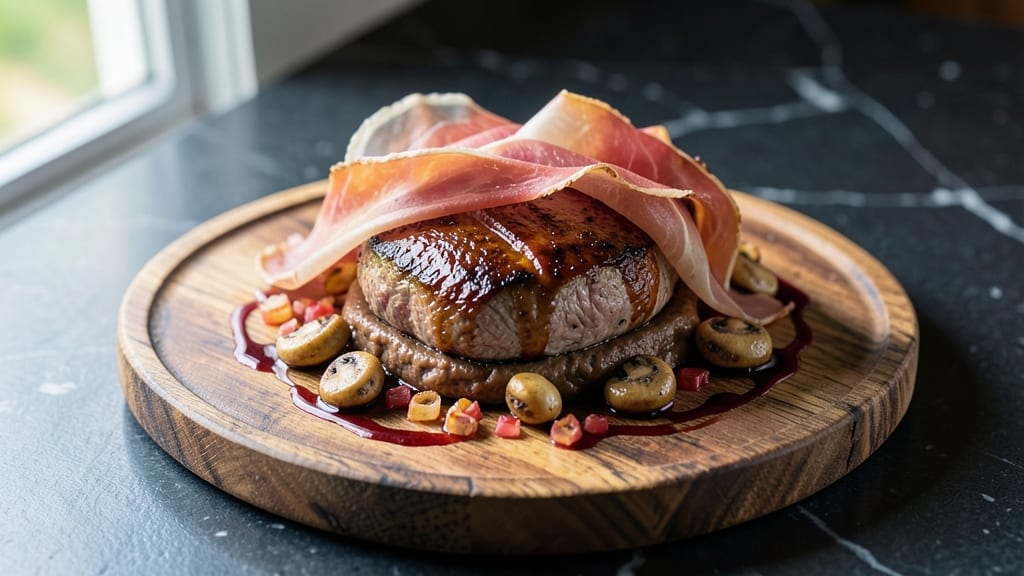
The Barefoot Contessa's beef Wellington recipe transforms a simple beef tenderloin into a showstopping centerpiece that feels like a Michelin-starred meal. This classic dish combines perfectly seared beef, rich mushroom duxelles, and delicate puff pastry to create a restaurant-worthy masterpiece.
The key lies in precise technique—searing the beef to lock in juices, cooking the mushrooms until they release their earthy flavors, and assembling everything with care to ensure a golden, crisp crust.
What sets this recipe apart is the balance of flavors and textures: tender, juicy beef at the heart, surrounded by finely chopped mushrooms that add depth, all encased in a flaky, buttery pastry.
The secret to success begins with properly preparing the beef—searing it until it develops a deep mahogany crust before wrapping it in prosciutto and pâté. Meanwhile, the mushroom duxelles must cook down slowly to achieve the perfect consistency, neither dry nor mushy.
By the time it emerges from the oven, your Wellington will be a sight to behold—golden, crisp, and irresistible. The aroma alone will have everyone gathered around the table, and the first bite delivers layers of flavor that make it worth every effort.
This isn’t just a dish; it’s an experience that elevates any special occasion.
Perfect for holidays, dinner parties, or when you want to impress without the fuss of a complicated recipe. The steps are methodical, but the result is pure elegance. Let’s get started on creating your own masterpiece.
Ingredients for barefoot contessa beef wellington
Elevate your dinner with these premium ingredients for a Michelin-worthy Beef Wellington.
| Ingredient | Amount | Notes |
|---|---|---|
| Beef Tenderloin 🥩 | 1 ½ lb | Center-cut, trimmed of fat |
| Prosciutto di Parma 🥓 | 8 oz | Thinly sliced, high-quality |
| Dijon Mustard 🍯 | 2 tbsp | For sealing the beef |
| Pâté 🍖 | ½ cup | High-quality liver pâté |
| Cremini Mushrooms 🍄 | 1 lb | Finely chopped, stems removed |
| Shallots 🧅 | 2 whole | Minced, finely chopped |
| Garlic Cloves 🧄 | 4 cloves | Minced, peeled |
| Fresh Thyme 🌿 | ¼ cup | Leaves only, chopped |
| Fresh Parsley 🌿 | ¼ cup | Chopped, for garnish |
| Unsalted Butter 🧈 | ½ cup | Cold, cubed for mushrooms |
| Dry White Wine 🍷 | ½ cup | High-quality, dry |
| Chicken Stock 🍲 | ½ cup | Homemade or quality store-bought |
| Puff Pastry 🥧 | 1 sheet | Store-bought or homemade |
| Diamond Crystal Kosher Salt 🧂 | 1 tsp | For seasoning |
| Freshly Ground Black Pepper 🌶️ | ½ tsp | For seasoning |
The beef tenderloin is the heart of this dish—center-cut and trimmed for optimal tenderness. Source it from a trusted butcher or high-end grocery store like Whole Foods or Eataly, where you can verify the quality. Look for a piece with even grain and minimal fat, ensuring it’s fresh and properly aged. The prosciutto should be thinly sliced and high-quality, such as Prosciutto di Parma—avoid the pre-sliced deli variety, as it lacks depth. For the pâté, high-end liver pâté from specialty stores like Dehli or Gourmet Garage delivers the rich, velvety texture essential for sealing the beef. Freshness is critical here: mushrooms should be firm and dry, while herbs should have a vibrant color and no wilting.
No prosciutto di Parma? High-quality jamón ibérico works as a substitute, though the flavor profile differs slightly. For the pâté, chicken liver pâté can be used in a pinch, but it lacks the depth of traditional liver pâté. If you’re short on time, pre-minced shallots and garlic from a jar work, though fresh is ideal for maximum flavor. The dry white wine should be something you’d drink—Sauvignon Blanc or Pinot Grigio are classic choices. For the chicken stock, homemade is ideal, but Kitchen Basics or Pacific Foods brands offer reliable store-bought options. The puff pastry can be homemade or store-bought—brands like Pepperidge Farm or All-Butter Puff Pastry from Williams Sonoma are excellent choices for a reliable crust.
The mushroom duxelles should be made a day ahead and stored in an airtight container in the fridge for up to 3 days, allowing flavors to meld. The prosciutto and pâté can be prepped 24 hours in advance and kept wrapped in plastic. The assembled Wellington can be refrigerated for up to 24 hours before baking, which enhances flavor development. Once baked, it’s best served immediately, but leftovers can be reheated in a 350°F oven for 15-20 minutes to restore crispiness. For long-term storage, freeze the unbaked Wellington for up to 2 months, thawing overnight in the fridge before baking.
Why You'll Love This Recipe
- No-Fuss Wrap: The prosciutto and pâté do all the work—just slice, layer, and tie. No rolling pin, no stress, and zero risk of a wonky shape. That’s right, even if your kitchen looks like a tornado hit it, this holds together.
- Umami Bomb: The prosciutto di Parma melts into the beef like a dream, while the Dijon mustard adds that tangy kick. Then there’s the mushrooms—sautéed until they’re golden and jammy—wrapping the whole thing in this rich, savory hug. Honestly, it’s the kind of flavor that makes you close your eyes mid-bite.
- Date Night Ready: Sure, it looks fancy, but it’s actually my go-to for when I want to impress without slaving away. Roast it, plate it with a simple red wine reduction, and suddenly? You’re serving restaurant-quality without the pretension. (Yes, even on a Tuesday night.)
- Leftovers Win: The first night is always the star, but the second? Just as good. Slice the cooled beef thin, toss it in a pan with butter and thyme, and you’ve got a weeknight lunch that still feels special. Not the prettiest, but the taste makes up for it every time.
Step-by-step instructions for beef Wellington with mushroom duxelles
Master this classic technique for restaurant-quality Beef Wellington at home.
Prepare the Beef Tenderloin
Begin by trimming the 1.5 lb beef tenderloin of any visible fat, leaving a clean surface for the mustard seal. Pat it dry with paper towels—this ensures maximum adhesion for the pâté and prosciutto layers. Using a sharp knife, make a shallow crosshatch pattern on the surface to create texture for better grip.
Spread 2 tbsp Dijon mustard evenly over the entire surface, then layer 8 oz thinly sliced prosciutto di Parma evenly across the top. Press gently to adhere. Next, spread 0.5 cup pâté over the prosciutto, creating a smooth, even coating. Roll the beef tightly in plastic wrap and refrigerate for at least 1 hour to firm up the filling and allow flavors to meld.
Create the Mushroom Duxelles
In a large skillet, melt 0.5 cup unsalted butter over medium heat. Add the 1 lb finely chopped cremini mushrooms and cook for 10-12 minutes until all moisture has evaporated and the mushrooms are deeply browned. Stir in the 2 minced shallots and 4 minced garlic cloves, cooking for an additional 2 minutes until fragrant.
Remove the skillet from heat and stir in 0.25 cup chopped fresh thyme, 1 tsp Diamond Crystal kosher salt, and 0.5 tsp freshly ground black pepper. Let the mixture cool completely before using—this prevents the pastry from becoming soggy when wrapped around the beef. The duxelles should be finely textured with no visible moisture.
Assemble the Wellington
Preheat your oven to 425°F. Unroll the 1 sheet puff pastry and place it on a lightly floured surface. Spread the cooled mushroom duxelles evenly over the center of the pastry, leaving a 1-inch border around the edges. Unwrap the beef tenderloin and place it in the center of the duxelles, rolling the pastry up tightly around it to completely enclose.
Seal the seam by pinching the edges firmly with your fingers. Brush the exterior with a beaten egg wash (1 egg + 1 tbsp water) for a golden finish. Place the Wellington seam-side down on a parchment-lined baking sheet and score the top in a diamond pattern with a sharp knife for decorative ventilation.
Bake to Perfection
Bake the Wellington for 35-40 minutes until the pastry is deep golden brown and the internal temperature of the beef reaches 125°F (medium-rare). For extra flavor, deglaze the baking sheet with 0.5 cup dry white wine and 0.5 cup chicken stock during the last 10 minutes of baking, scraping up browned bits to create a pan sauce.
Transfer the Wellington to a cutting board and let it rest for 15 minutes before slicing. This resting period allows the juices to redistribute, ensuring each slice remains tender and flavorful. Garnish with 0.25 cup chopped fresh parsley before serving, and serve immediately with the reduced pan sauce spooned over the top.
Pro Tips For Making Barefoot Contessa Beef Wellington
- CHILL THE PÂTÉ: Spread the pâté on the beef cold—right out of the fridge. Warm pâté spreads like glue and won’t stick properly to the prosciutto or beef, making your Wellington fall apart when you slice. I learned this the hard way after my first attempt looked like a sad, gloppy mess.
- SEAR THE MUSHROOMS FIRST: Sauté the cremini mushrooms until they’re deep brown, not just soft. This builds flavor before they get tucked into the prosciutto blanket. Skip this, and your Wellington will taste like it’s missing something—even if everything else is perfect.
- WRAP TIGHT WITH PARCHMENT: Use two layers of parchment paper when wrapping the Wellington—one under the prosciutto, one over. The prosciutto alone won’t hold the shape, and if it shifts, your slices will look like they were cut with a chainsaw. Trust me, your guests will notice.
- DON’T OVERMIX THE DUXELLE: After cooking the mushrooms with shallots, stop blending when it’s chunky. The Barefoot Contessa’s duxelles should have texture, not a smooth paste. If you puree it too much, the Wellington loses that luxurious, meaty bite that makes it special.
Troubleshooting great barefoot contessa beef wellington
Pastry Not Rising
If your puff pastry isn’t puffing properly, it’s often due to under-chilled dough or oven temperature fluctuations. Make sure your pastry sheet has been refrigerated for at least 30 minutes before baking—this prevents premature rising.
I recommend using a digital thermometer to confirm your oven is at 425°F (some ovens run hot or cold). Also, avoid opening the oven door during the first 20 minutes of baking, as the sudden temperature drop can cause collapse. 🌡️
Beef Overcooked
Medium-rare beef should reach 125°F internal temperature, but it’s easy to overcook. Use a meat thermometer inserted into the thickest part of the beef—never guess by color. If your Wellington finishes baking and the beef is past 130°F, it’s likely overdone.
To salvage it, slice thinly and serve with a red wine reduction to mask dryness. For future attempts, reduce baking time by 5 minutes and check temperature earlier. ⏰
Soggy Pastry
Soggy pastry usually means excess moisture from the mushroom duxelles or beef juices. Always let your duxelles cool completely before assembling—warm mushrooms release steam that weakens the pastry. I also recommend blind-baking the pastry shell for 5 minutes before adding the beef, creating a barrier.
Another trick? Brush the pastry with egg wash after sealing the Wellington to seal in moisture. 🥧
Prosciutto Not Sticking
If your prosciutto keeps slipping off during assembly, the beef surface needs better adhesion. First, ensure the beef is completely dry—pat it with paper towels until bone-dry. Next, spread the Dijon mustard in a thin, even layer—thick spots create gaps.
For extra grip, lightly score the beef surface in a crosshatch pattern before adding prosciutto. Press firmly with your fingers to adhere, then refrigerate for at least 1 hour to set. 🥓
Duxelles Too Dry
Overcooked duxelles lose moisture and become grainy. To fix this, reduce heat to medium-low once mushrooms start releasing liquid, and cover the skillet to trap steam. Stir frequently to prevent burning.
If your duxelles are already too dry, revive them by adding 1 tbsp chicken stock and letting it absorb for 5 minutes off the heat. For future batches, aim for 10-12 minutes of cooking time—no more! 🍄
Uneven Cooking
Uneven doneness often happens when the Wellington isn’t centered on the baking sheet or the oven isn’t preheated long enough. Place your Wellington on a parchment-lined sheet and position it centered in the oven for even heat distribution.
Preheat your oven for at least 20 minutes before baking. If one side cooks faster, rotate the pan halfway through baking. For extra insurance, use an oven thermometer to confirm accuracy. 🔥
Nutrition facts
Frequently asked questions
Can I substitute prosciutto di Parma in this recipe?
Yes, but choose carefully! If you can't find prosciutto di Parma, opt for high-quality jamón ibérico or thinly sliced dry-cured ham (like Black Forest ham). Avoid pre-sliced deli ham—it lacks the depth of flavor and won't hold up as well during baking. The key is using a ham that's naturally fatty but not overly salty.
How far ahead can I prepare the mushroom duxelles?
Make the duxelles 1-3 days ahead for maximum flavor development. Store it in an airtight container in the refrigerator. The flavors meld beautifully over time, and it prevents last-minute kitchen chaos. Just make sure it's completely cooled before refrigerating to avoid condensation.
What's the best way to reheat leftover Beef Wellington?
Reheat in a 350°F oven for 15-20 minutes to restore crispiness. Place it on a baking sheet with a splash of beef stock in the pan to prevent drying. For a quick option, wrap the slices in foil and warm in the oven for 10 minutes, then finish under a broiler for 1-2 minutes to crisp the edges. Never microwave—it ruins the texture!
Can I make this recipe without puff pastry?
While traditional, you can adapt it! Use homemade pie crust or store-bought phyllo dough for a different texture. For phyllo, brush each layer with melted butter and wrap tightly around the beef. The cooking time will vary—phyllo bakes faster (25-30 minutes) while pie crust needs 40-45 minutes. The flavor remains rich, but the presentation changes.
How do I adjust this for a larger group?
Double the recipe using a 3 lb beef tenderloin and two sheets of puff pastry. Increase the duxelles to 2 lbs mushrooms and adjust the wine/stock to 1 cup each. Bake on a larger sheet pan and increase time by 5-10 minutes. For serving, slice the Wellington into 1-inch thick portions to ensure even cooking throughout.