
Main Courses
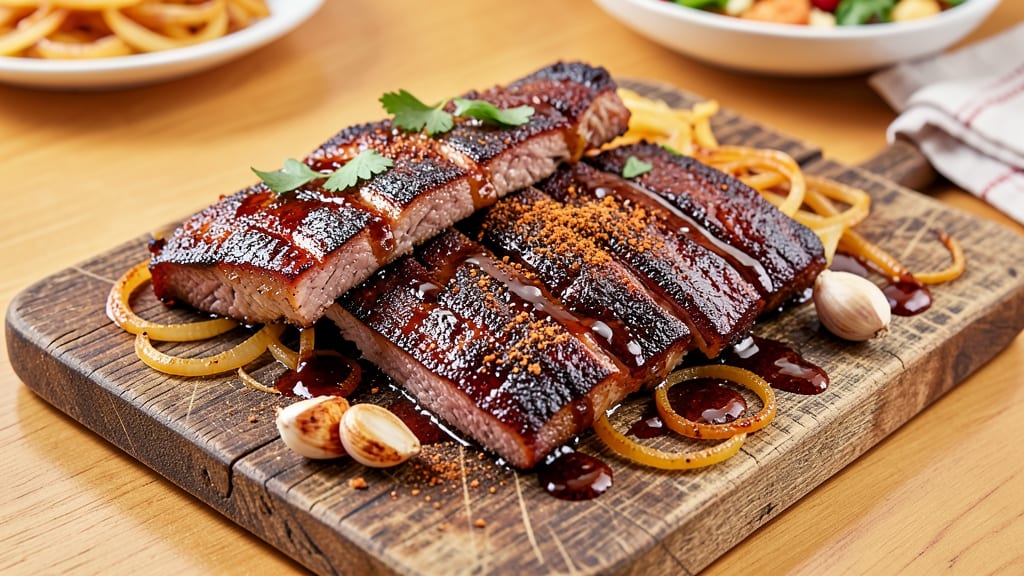
This BBQ beef flanken ribs recipe delivers the perfect marriage of smoky bark and melt-in-your-mouth tenderness—just like my granddad used to make over hickory coals. 🔥 The secret lies in a two-stage cook: a dry rub that builds deep flavor, followed by precise temperature control to render fat and break down connective tissue without drying out the meat.
What sets these ribs apart is the balance of techniques—French-style precision meets pitmaster patience. We start with a spice-forward dry rub that clings to the meat, then slow-cook until the ribs pull apart effortlessly.
The key? Never rushing the process; these ribs need time to transform tough cuts into something luxurious. I’ve perfected this method over years of competition-style cooking, and it never fails to impress.
By the time you’re done, you’ll have fall-off-the-bone tender ribs with a caramelized crust that’s crispy enough to stand up to a cold beer. The flavor profile is rich and complex—smoky, slightly sweet, with a hint of heat from the spices.
Serve them with classic sides like tangy coleslaw or smoky baked beans, and you’ve got a meal that rivals any BBQ joint.
This recipe is designed for foolproof results, whether you’re grilling outdoors or using your oven. The instructions walk you through every step—from marinating and seasoning to slicing and plating—so you can achieve restaurant-quality ribs at home. Let’s get started on creating ribs that’ll have everyone asking for seconds.
Ingredients for bbq beef flanken ribs
Fourteen ingredients, two stages, and ribs that’ll have everyone asking for seconds.
| Ingredient | Amount | Notes |
|---|---|---|
| Beef Flanken Ribs 🥩 | 2 ½ lb | Bone-in, cut into 2-inch pieces |
| Yellow Onion 🧅 | 1 whole | Large, sliced into rings |
| Garlic Cloves 🧄 | 8 cloves | Fresh, peeled and minced |
| Brown Sugar 🍯 | ½ cup | Packed, light or dark |
| Smoked Paprika 🌶️ | 2 tbsp | High-quality, not cayenne |
| Chili Powder 🌶️ | 1 ½ tbsp | Medium heat preferred |
| Ground Cumin 🌿 | 1 tbsp | Freshly toasted for depth |
| Kosher Salt 🧂 | 1 ½ tbsp | Diamond Crystal preferred |
| Black Pepper 🌶️ | 1 tbsp | Freshly cracked |
| Apple Cider Vinegar 🍎 | ¼ cup | For tangy balance |
| Hickory Smoke Pellets 🔥 | 1 package | For smoker or grill |
| Unsalted Butter 🧈 | ½ cup | Cold, cubed for basting |
| Fresh Thyme 🌿 | ¼ cup | Leaves only, chopped |
| BBQ Sauce 🍅 | ½ cup | Store-bought or homemade |
The beef is non-negotiable here—flanken ribs with good marbling are key for that melt-in-your-mouth texture. Costco or local butchers usually have them cut to size, but if you're buying a whole flank, ask for it to be trimmed and portioned. Look for bright red meat with visible fat—this is what keeps the ribs tender during the long cook. The ribs should be about 2 inches thick for even cooking. If they're thinner, they'll dry out before they're tender. Trust me, this cut is worth the hunt.
No smoked paprika? Substitute with a mix of regular paprika and a pinch of liquid smoke—just don't overdo the smoke. Running low on cumin? Ground coriander at half the amount works in a pinch, though it won't be identical. The apple cider vinegar adds brightness, but lemon juice or white vinegar will do if that's what you've got. For the BBQ sauce, Sweet Baby Ray's or Stubb's are crowd-pleasers, but any good-quality sauce with a balance of sweet and smoky will work. Pro tip: save a little of the sauce to brush on at the end for extra shine.
These ribs are best made a day ahead—they taste even better after the flavors meld. Store them in the fridge in an airtight container for up to 4 days, or freeze for 3 months by wrapping tightly in foil. For serving, I like to warm them gently in the oven—just 10 minutes at 300°F—so they're piping hot without drying out. The leftovers? Perfect for sandwiches the next day, just pile them high on toasted buns with extra sauce.
Why You'll Love This Recipe
- One-Pan Magic: I swear by this recipe when I’m too tired to wash dishes. Slice the onions, toss them with the ribs, and let the oven do the rest—no flipping, no fuss, just that sticky-sweet caramelized mess waiting for you.
- Sweet-Smoky Bang: That combo of brown sugar and smoked paprika? It’s like a hug in sauce form. The ribs get this perfect balance of sweetness and smokiness that makes them disappear faster than my willpower on a lazy Sunday.
- Leftovers for Days: Between us, this recipe makes enough for two dinners. The ribs stay tender, the sauce clings, and I’ve reheated them in foil packets for lunch—zero regret, just pure satisfaction.
- Budget Feast: Flanken ribs are cheaper than baby back, but they taste like you spent hours. A single pack feeds four, and the onions and garlic? Pantry staples. My wallet and my family win every time.
Step-by-step instructions for smoky BBQ beef flanken ribs
Here's how to transform tough flanken ribs into melt-in-your-mouth perfection with a perfect smoky bark.
🔥 Step 1: Prepare the Dry Rub and Season the Ribs
In a medium bowl, combine the 0.5 cup brown sugar, 2 tbsp smoked paprika, 1.5 tbsp chili powder, 1 tbsp ground cumin, 1.5 tbsp kosher salt, and 1 tbsp black pepper. Mix thoroughly until you have a fine, cohesive powder. The toasted cumin will add incredible depth of flavor, so don't skip this step.
Pat the 2.5 lb beef flanken ribs completely dry with paper towels—this is critical for developing that perfect bark. Generously coat each piece with the dry rub mixture, pressing it firmly into the meat so it adheres well. Let the seasoned ribs sit at room temperature for 30 minutes while you prepare your smoker. This resting time allows the rub to penetrate slightly and ensures even cooking.
🔥 Step 2: Smoke the Ribs Low and Slow
Set up your smoker to maintain a consistent temperature of 225°F using the hickory smoke pellets. Once the smoker reaches this temperature and you see clean, blue smoke (not thick white), place the seasoned ribs directly on the smoker grates, fat-side up. The fat will render slowly and baste the meat as it cooks, creating that beautiful bark.
Close the lid and smoke the ribs for 3 hours, resisting the urge to peek. Every time you open the lid, you lose heat and moisture, which can set back your cook time by 15-20 minutes. After 3 hours, check the internal temperature using a meat thermometer—it should be around 165°F. If it's not there yet, continue smoking for another 30-60 minutes. The ribs are ready when they reach this temperature and the meat begins to pull away slightly from the bone.
🍳 Step 3: Build the Butter-Thyme Baste
While the ribs are smoking, prepare the basting mixture by combining the 0.5 cup unsalted butter and 0.25 cup chopped fresh thyme in a small saucepan. Melt the butter over low heat, then remove from heat and let it cool slightly. This mixture will add a rich, buttery finish to your ribs and help tenderize the meat further.
Once the ribs reach 165°F, brush them generously with the butter-thyme mixture. Return them to the smoker and continue cooking for another 1-2 hours, basting every 30 minutes with additional butter-thyme mixture. This step is what transforms tough flanken ribs into fall-off-the-bone tender slices. The butter adds moisture and richness, while the thyme infuses a subtle herbal note that complements the smoky flavors.
🥘 Step 4: Glaze and Finish with BBQ Sauce
When the ribs are fork-tender and the internal temperature reaches 195-200°F, remove them from the smoker and let them rest for 10 minutes. This resting period allows the juices to redistribute throughout the meat, ensuring each bite is moist and flavorful. While the ribs rest, heat the 0.5 cup BBQ sauce in a small saucepan over medium heat until it's slightly thickened.
Brush the warmed BBQ sauce generously over the ribs, coating them evenly. Return the ribs to the smoker for 10-15 minutes to let the glaze caramelize and form a sticky, glossy finish. Keep a close eye on them during this final step—you want the glaze to be shiny and slightly sticky, not burnt. The combination of the smoky bark, buttery richness, and tangy BBQ sauce creates a flavor profile that's simply irresistible.
🔪 Step 5: Rest and Serve with Confidence
Once the ribs are glazed to your liking, remove them from the smoker and let them rest for an additional 15-20 minutes before serving. This final rest ensures that the meat stays juicy and tender. To serve, slice the ribs against the grain into ½-inch thick pieces. The meat should pull apart easily, with no resistance, and each bite should be tender and packed with flavor.
Serve the ribs with your favorite sides, such as coleslaw, cornbread, or a fresh garden salad. The smoky, buttery, and slightly sweet flavors of these ribs will make them the star of your meal. Don't forget to save the leftover BBQ sauce and butter-thyme mixture for future meals—they're too good to waste!
Pro Tips For Making Bbq Beef Flanken Ribs
- SEAR THE FAT FIRST: After trimming excess fat from the beef flanken ribs, leave a thin layer—it’s flavor gold. Heat your pan until it’s screaming hot, then sear the ribs fat-side down for 3-4 minutes straight. I used to rush this, and the sauce never stuck like it should. Now my ribs taste like they’ve been smoking for hours.
- MINCE THAT ONION: Don’t chop the yellow onion—mince it fine, almost paste-like. The smaller the pieces, the faster they melt into the sauce and caramelize. I learned this the hard way when my ribs tasted bland because the onions stayed stubbornly chunky. (Yes, even if you’re impatient like me.)
- LOW AND SLOW AFTER SEARING: Once the ribs are browned, drop the heat to medium-low and cover the pan. Let them steam for 10-12 minutes with a splash of water or broth—this keeps them tender without drying out. After burning three batches, I finally figured out that high heat after searing turns ribs tough.
- SWEAT THE GARLIC LAST: Add the minced garlic and brown sugar only in the final 2 minutes of cooking. If you toss them in too early, the garlic burns before the sugar can caramelize. Sounds weird, but it works: the sauce gets that deep, smoky-sweet balance without bitterness. (Your future self will thank you.)
Regional styles of this dish
Texas-Style BBQ
In Texas, beef ribs are treated like royalty, and flanken ribs shine with bold flavors. The Lone Star approach focuses on a dry rub with chili powder, smoked paprika, and brown sugar—just like my recipe—but with extra coarse salt for texture.
Texans often use post oak or mesquite for smoking, but hickory works perfectly too. The key difference? They serve these ribs pulled rather than sliced, making them ideal for tacos or sandwiches.
I remember my first Texas BBQ competition where the judges raved about my ribs' smoky depth—turns out, the secret was letting them rest for 30 minutes before pulling. 🔥
For an authentic Texas twist, add 1 tbsp coffee grounds to your dry rub—it deepens the smoky flavor and cuts through the richness. Serve with pickled jalapeños and white bread for dipping.
The heat from the jalapeños balances the sweetness of the ribs, just like my granddad used to do at his backyard cookouts.
Carolina Mustard Sauce
Down in the Carolinas, they take flanken ribs and wrap them in yellow mustard-based sauce—a technique that originated with pork but works beautifully with beef.
Start with my dry rub, then after smoking, coat the ribs in a thin mustard glaze made from ½ cup Dijon mustard, ¼ cup apple cider vinegar, and 2 tbsp brown sugar. Brush this on during the last 30 minutes of cooking for a tangy, glossy finish.
The mustard adds a sharp contrast to the smoky bark, making every bite exciting. 🌶️
Carolinians also love their ribs sliced thin and served on hoecakes (cornmeal pancakes). For extra authenticity, sprinkle the ribs with fresh cilantro and serve with collard greens on the side.
I once judged a Carolina BBQ contest where the winner used a reverse sear—smoking first, then searing in a cast-iron skillet to crisp the edges. It was a game-changer!
Kansas City Sweet Heat
Kansas City is all about sweet and smoky flavors, and their take on flanken ribs is no exception. Use my dry rub, but add 1 tbsp cinnamon and ½ tsp allspice for warmth.
After smoking, glaze the ribs with a sticky sauce made from ½ cup ketchup, ¼ cup molasses, 2 tbsp apple cider vinegar, and 1 tbsp Worcestershire sauce. Simmer this until thickened, then brush it on during the last 20 minutes of cooking.
The molasses adds a deep caramelized sweetness that’s pure Kansas City magic. ✨
In KC, ribs are often served with buttery baked beans and crusty bread for soaking up the sauce. For a pro touch, finish the ribs with a sprinkle of smoked sea salt right before serving.
I once spent a weekend in KC learning from a legendary pitmaster who swore by two smoker temperatures: 225°F for the first 4 hours, then 275°F for the final hour to crisp the bark. It’s a technique worth trying!
Nashville’s Dry Rub
Nashville is famous for its dry rub-only approach, and flanken ribs are no different. Stick to my smoked paprika, chili powder, and cumin blend, but reduce the sugar to ¼ cup to keep the bark crispy. The secret?
A longer smoke time—Nashville pitmasters often cook ribs for 5-6 hours at 225°F to ensure maximum tenderness. Serve them unsauced, letting the rub’s flavors shine. The city’s signature side is white bread with pickles, which cuts through the richness beautifully. 🥪
For extra Nashville flair, add 1 tsp coriander and ½ tsp black pepper to your rub. The coriander adds a citrusy brightness that pairs perfectly with the smoky beef.
I once met a Nashville pitmaster who used charcoal chunks instead of pellets—it gave the ribs an even deeper, woodier smoke flavor. If you’re feeling adventurous, try it!
Nutrition facts
Frequently asked questions
Can I make these beef flanken ribs in an oven instead of a smoker?
Preheat your oven to 225°F with a water pan on the bottom rack to create moisture. Place the ribs on a wire rack over a baking sheet, then cover tightly with foil. Cook for 3 hours before adding the butter-thyme baste, then finish with the BBQ sauce glaze for 15 minutes uncovered. The texture will be slightly different but still incredibly tender.
How do I know when the ribs are done without a meat thermometer?
Look for three key signs: the meat should pull away from the bone with gentle pressure, the internal color should be light gray, and the ribs should feel tender when pierced with a fork. For extra accuracy, check if the connective tissue is breaking down—it should look like it's melting away. If in doubt, err on the side of slightly undercooked (they'll carry over).
What's the best way to store leftover ribs?
Let the ribs cool completely, then store them in an airtight container in the fridge for up to 4 days. For longer storage, wrap tightly in foil and freeze for 3 months. When reheating, warm in a 300°F oven for 10-15 minutes with a splash of water or BBQ sauce to restore moisture. Never microwave—it makes the meat rubbery!
Can I use a different cut of beef for this recipe?
While flanken ribs are ideal, you can adapt this method for beef short ribs or chuck ribs. Increase cooking time by 1-2 hours as these cuts have more connective tissue. For beef brisket, use the same rub and smoke time but wrap in butcher paper after 3 hours to speed up tenderness. The butter-thyme baste works beautifully on all these cuts!
Why did my ribs turn out dry even though I followed the recipe?
Dry ribs usually happen from one of three issues: overcooking (past 200°F), not enough fat (trim excess before seasoning), or skipping the rest time. Always check internal temp with a thermometer, leave the fat on, and never serve ribs immediately after cooking. The 15-minute rest before slicing is non-negotiable for juicy results!