
Main Courses
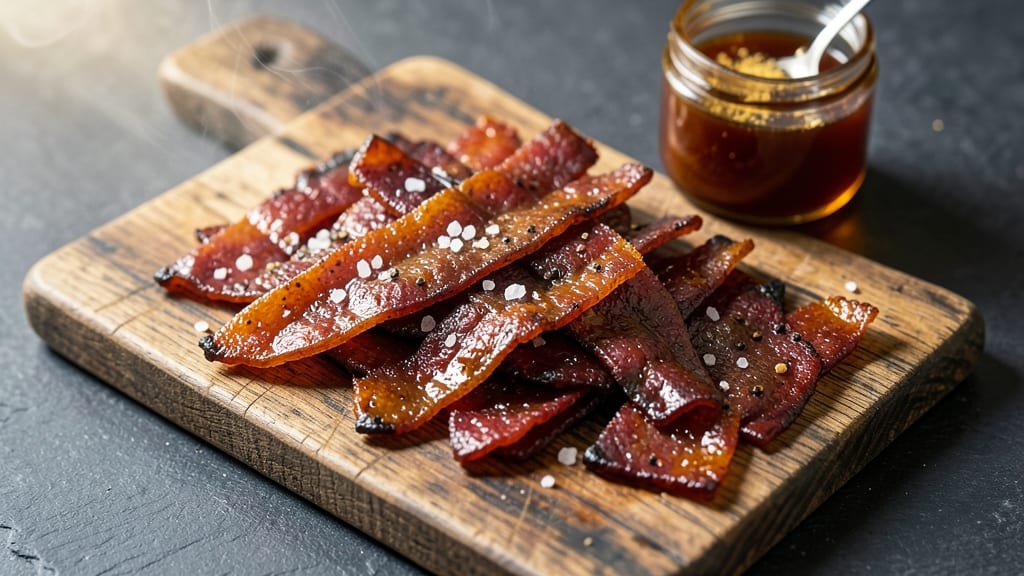
This BBQ beef jerky recipe transforms tough cuts into chewy, smoky protein bites using your dehydrator as the secret weapon. 🔥 As a pitmaster who grew up on slow-cooked ribs, I know how to build deep, complex flavors that make jerky taste like it came straight from the smoker.
The key? A well-balanced marinade and precise dehydrating technique that ensures every bite stays tender yet firm.
We'll start with lean beef slices marinated in a blend of sweet and smoky BBQ spices, then dehydrate at 160°F for 4-6 hours until perfectly chewy.
This method preserves all the rich, caramelized flavors while creating a shelf-stable protein that's ready for backpacking trips, game day snacks, or healthy snacking at home. The dehydrator's gentle heat ensures even drying without overcooking the edges.
What you'll end up with is jerky that's boldly seasoned, deeply flavorful, and perfectly chewy—each piece packed with that signature smoky-sweet BBQ taste.
The beauty of this recipe is its versatility: make a big batch for meal prep, gift it to friends, or keep it on hand for quick protein boosts. Safety is critical, so we'll cover proper storage and handling to ensure your jerky stays delicious for weeks.
This recipe isn't just about the jerky itself—it's about mastering the dehydrator as a precision cooking tool. Whether you're a seasoned jerky maker or trying it for the first time, these steps will give you restaurant-quality results every time. Let's get started on creating your own smoky, protein-packed bites.
Ingredients for bbq beef jerky recipe dehydrator
Lean beef, bold spices, and dehydrator magic transform simple ingredients into smoky protein bites.
| Ingredient | Amount | Notes |
|---|---|---|
| Lean Beef Top Round Roast 🥩 | 1 ½ lb | Sliced 1/4-inch thick, against grain |
| Brown Sugar 🍯 | ¼ cup | Light or dark, packed |
| Smoked Paprika 🌶️ | 2 tbsp | High-quality for smoky depth |
| Ground Black Pepper 🌶️ | 1 ½ tbsp | Freshly cracked for intensity |
| Kosher Salt 🧂 | 1 tbsp | Diamond Crystal preferred |
| Garlic Powder 🧄 | 1 tbsp | Freshly ground preferred |
| Onion Powder 🧅 | 1 tbsp | For balanced sweetness |
| Cayenne Pepper 🔥 | ½ tsp | Adjust for heat preference |
| Apple Cider Vinegar 🍎 | ¼ cup | For tenderizing and tang |
| Worcestershire Sauce 🍶 | 2 tbsp | Vegetarian version if needed |
| Extra-Virgin Olive Oil 🫒 | 2 tbsp | For even marinade coating |
| Lemon Juice 🍋 | 2 tbsp | Freshly squeezed |
The beef is everything here—top round roast is lean enough to dehydrate properly without turning rubbery. Look for well-marbled cuts at Costco or your butcher's counter; the marbling adds subtle richness without extra fat. Slice against the grain for that signature chewy texture. If you can't find top round, sirloin or flank steak work too, just trim any visible fat. The key is keeping the slices even thickness—use a meat slicer if you're serious about consistency. For the spices, Penzeys bulk bins are my go-to for maximum freshness, but the grocery store stuff works in a pinch.
No smoked paprika? Substitute 1 tbsp regular paprika plus 1/2 tsp liquid smoke—it's not identical, but close. Running low on Worcestershire? A splash of soy sauce plus a pinch of sugar mimics the umami depth. The apple cider vinegar is non-negotiable for tenderizing, but white vinegar in a bind works too. For the heat, swap cayenne with red pepper flakes at half the amount. Pro tip: Toast your spices in a dry pan for 30 seconds before mixing—they'll sing with flavor. And if you're making a big batch, double the marinade and use a ziplock bag for even coating.
Marinated beef stays fresh for up to 24 hours in the fridge, but don't over-marinate or it'll get mushy. The dehydrator does the heavy lifting here—160°F for 4-6 hours until edges are dry but centers stay pliable. Store finished jerky in airtight containers or vacuum-sealed bags for up to 2 weeks at room temp, or freeze for 3 months. For backpacking, portion into small bags—they'll keep for weeks without refrigeration. And if you're gifting? Cellophane bags with ribbon make it look restaurant-quality.
Why You'll Love This Recipe
- Five-Ingredient Magic: I swear by this combo—lean beef, brown sugar, and smoked paprika do all the heavy lifting. No fancy marinades or last-minute shopping trips, just slice, season, and dehydrate.
- Dehydrator Perfection: That crispy, chewy texture? Pure reward for 6-8 hours of hands-off time. I set it and forget it while I handle the rest of dinner—no babysitting required.
- Snack Attack Ready: Honestly, the best part is grabbing a strip straight from the bag. It’s my go-to for road trips, gym bags, or when I’m craving something salty but don’t want to cook. Zero guilt, all flavor.
- Budget-Friendly Protein: A pound of top round goes a long way, and the spices cost pennies. I make batches that last weeks—perfect for when I’m trying to save money but still want to eat well. Plus, it’s way cheaper than pre-packaged jerky.
Step-by-step instructions for dehydrator BBQ beef jerky
Here's how to transform lean beef into smoky, spice-packed jerky using your dehydrator.
🔪 Step 1: Slice the Beef Against the Grain
Start with the 1.5 lb lean beef top round roast—this cut is ideal for jerky because it's lean but still tender when sliced properly. Remove any visible fat or silver skin, as these won't dehydrate evenly. Place the beef in the freezer for 15-20 minutes to firm up before slicing.
Using a sharp boning knife, slice the beef ¼-inch thick against the grain. The grain runs horizontally across the muscle fibers, so you'll see long lines in the meat. Cutting against these lines ensures the jerky stays tender and chewy rather than tough. Arrange the slices on a plate and refrigerate while you prepare the marinade.
👨🍳 Step 2: Mix the Flavor-Packed Marinade
In a large bowl, combine the 0.25 cup brown sugar, 2 tbsp smoked paprika, 1.5 tbsp ground black pepper, 1 tbsp kosher salt, 1 tbsp garlic powder, 1 tbsp onion powder, and 0.5 tsp cayenne pepper. Mix these dry ingredients thoroughly to distribute the spices evenly—the smoked paprika and cayenne will give your jerky that signature BBQ kick.
In a separate measuring cup, whisk together the 0.25 cup apple cider vinegar, 2 tbsp Worcestershire sauce, 2 tbsp extra-virgin olive oil, and 2 tbsp lemon juice. The vinegar tenderizes the beef while adding tang, and the Worcestershire sauce deepens the umami flavor. Pour the wet ingredients over the dry and stir until you have a thick, paste-like marinade that clings to the beef.
🥘 Step 3: Marinate the Beef for Maximum Flavor
Transfer the ¼-inch beef slices to a resealable plastic bag or glass container. Pour the marinade over the beef, ensuring each slice is fully coated. Seal the bag and massage the marinade into the meat, pressing it between your fingers to guarantee even distribution. Let the beef marinate in the refrigerator for at least 12 hours, though 24 hours yields the most flavorful results.
Here's the thing—don't skip this step. The marinade doesn't just add flavor; it also tenderizes the beef and helps prevent it from drying out too quickly in the dehydrator. If you're short on time, you can marinate for 4-6 hours in the fridge, but the longer it sits, the better the jerky will taste.
🔥 Step 4: Arrange and Dehydrate the Jerky
Preheat your dehydrator to 160°F—this low temperature ensures the jerky dries slowly and evenly without cooking. Line the dehydrator trays with parchment paper or silicone dehydrator mats to prevent sticking. Arrange the marinated beef slices in a single layer, ensuring they don't overlap. Overlapping slices can trap moisture and create uneven drying.
Run the dehydrator for 4-6 hours, then check the jerky. It should be slightly pliable but not sticky. If it still feels damp, return it to the dehydrator for another 1-2 hours. The jerky is done when it's dry to the touch and no longer sticky—this usually takes 6-8 hours total, depending on your dehydrator's efficiency. For a firmer texture, dehydrate for an additional 1-2 hours until the jerky snaps when bent.
⏰ Step 5: Cool, Store, and Enjoy
Once the jerky is fully dehydrated, remove it from the dehydrator and let it cool completely on a wire rack. This cooling step prevents condensation from forming in your storage container. Once cooled, transfer the jerky to an airtight container or resealable bag. Store it in a cool, dry place for up to 2 weeks or in the freezer for up to 6 months to preserve freshness.
Here's where it gets fun—slice the jerky into your desired shapes before storing. You can cut it into strips for easy snacking or leave it in larger pieces for heartier portions. Each bite should deliver a perfect balance of smoky, sweet, and tangy flavors with a satisfying chew. The longer it stores, the more concentrated the flavors become, making it an ideal protein-packed snack for on-the-go.
Pro Tips For Making Bbq Beef Jerky Recipe Dehydrator
- Freeze Before Slicing: I learned this the hard way—skipping the freeze step means uneven slices that won’t dry consistently. Lay the beef flat on a tray, cover with plastic, and freeze solid (about 2 hours). Then slice against the grain into ¼-inch strips. The cold meat stays firm, and the strips hold their shape in the dehydrator.
- Preheat to 165°F: Your dehydrator’s default setting is probably too low. Crank it up to 165°F for the first 3 hours—this kicks off the drying process fast and prevents surface gummy spots from the brown sugar. After that, drop to 145°F to finish; this two-stage approach keeps the jerky from turning into leather.
- Pat Dry with Paper Towels: Wet slices = soggy jerky. After marinating, blot each strip thoroughly with paper towels, pressing firmly. I used to skip this, and the sugar would just dissolve into a sticky mess. Even if the marinade looks wet, take the extra 5 minutes—your future self will thank you.
- Use a Meat Tenderizer First: Top round can be tough, and skipping this step means jerky that’s chewy even when fully dried. Pound each slice once with a meat mallet before seasoning—just enough to break up fibers without tearing. This shortcut makes the dehydrating process faster and the final texture more tender. (Yes, even if you’re impatient like me.)
Regional styles of this bbq beef jerky recipe dehydrator
Southern Smokehouse Style
This is my go-to variation, inspired by my family's backyard cookouts growing up. For an authentic Southern touch, swap the Worcestershire sauce for 2 tbsp liquid smoke and add 1 tbsp brown mustard to the marinade.
The liquid smoke deepens the smoky profile, while the mustard adds a tangy kick that reminds me of my grandpa's secret rub. 🔥 Use top round roast and dehydrate at 160°F for 5-6 hours—this method gives you jerky with that classic BBQ competition texture.
Texas-Style Spicy Kick
For those who love heat, this Texas-inspired version cranks up the cayenne to 1 tbsp and adds 1 tbsp chili powder to the marinade. I also toss in 1 tsp ground cumin for earthy depth and a pinch of cinnamon for warmth.
The result? Jerky with a fiery, complex flavor profile that's perfect for game day. Slice the beef ¼-inch thick and dehydrate at 165°F for 6-7 hours—the higher temp helps intensify the spices while keeping the meat tender.
Hawaiian Sweet & Tangy
This tropical twist replaces the Worcestershire sauce with 2 tbsp pineapple juice and adds 1 tbsp soy sauce for umami. Toss in 1 tsp ground ginger and ½ tsp garlic powder for a bright, zesty flavor.
The marinade should have a sticky, glossy texture—this helps the Hawaiian flavors cling to the beef. Dehydrate at 155°F for 5-6 hours to preserve the sweetness without over-drying. It's a great option for backpacking trips or as a sweet-savory snack.
Italian Herb & Garlic
For a Mediterranean-inspired variation, replace the smoked paprika with 1 tbsp dried oregano and 1 tbsp dried basil. Add 2 minced garlic cloves to the marinade and a splash of 1 tbsp balsamic vinegar for depth.
The result is jerky with a fragrant, herby profile that's perfect for antipasto platters. Dehydrate at 160°F for 6 hours—this method keeps the herbs vibrant while creating a chewy texture. Pair it with a crisp white wine for a unique appetizer.
Breakfast Sausage Jerky
This savory twist swaps beef for pork shoulder, sliced ¼-inch thick. Use 1 tbsp sage, 1 tsp fennel seeds, and ½ tsp nutmeg in the marinade, along with 1 tbsp apple cider vinegar and 1 tbsp honey for sweetness.
The fennel and sage give it a breakfast sausage vibe, while the honey adds a subtle caramelized note. Dehydrate at 160°F for 7-8 hours—this longer time ensures the pork dries evenly without losing its rich flavor. It's a fantastic protein-packed snack for breakfast or a post-workout boost.
Nutrition facts
Frequently asked questions
Can I use a different cut of beef besides top round?
While top round is ideal, you can use sirloin, flank steak, or even eye of round. The key is choosing a lean cut with minimal fat—trim any visible fat before slicing. For extra tenderness, marinate for 24 hours and slice ¼-inch thick against the grain. Avoid fatty cuts like ribeye or chuck, as they won't dehydrate evenly.
What if my dehydrator doesn't go below 160°F?
No problem! If your dehydrator only goes up to 165°F, just dehydrate for 5-6 hours instead of 6-8. The higher temp will speed things up, but check frequently to avoid over-drying. For ovens, set to 170°F with the door propped open to allow moisture escape—this mimics dehydrator conditions.
How do I know when the jerky is fully dehydrated?
Test for doneness by bending a piece—it should snap but not crumble. The edges should be dry, and the center should feel slightly moist but not sticky. If it's still damp, return it for 1-2 more hours. Pro tip: Use a meat thermometer—jerky is done when internal temp reaches 145°F (safe for consumption).
Can I add fruit or sweet ingredients to balance the heat?
Yes! Try adding 1 tbsp honey or 2 tbsp pineapple juice to the marinade for sweetness. For tropical flavors, swap Worcestershire for soy sauce plus pineapple juice. Just reduce the brown sugar slightly to balance flavors. The key is maintaining the vinegar base for proper tenderizing—don't replace it entirely.
Why did my jerky turn out rubbery?
Rubbery jerky usually means it was over-dehydrated or the beef was too thick. Always slice ¼-inch thick against the grain and dehydrate at 160°F for 4-6 hours max before checking. If using a hotter dehydrator, reduce time by 1-2 hours. For extra tenderness, marinate for 24 hours and avoid overcrowding trays.