
Main Courses
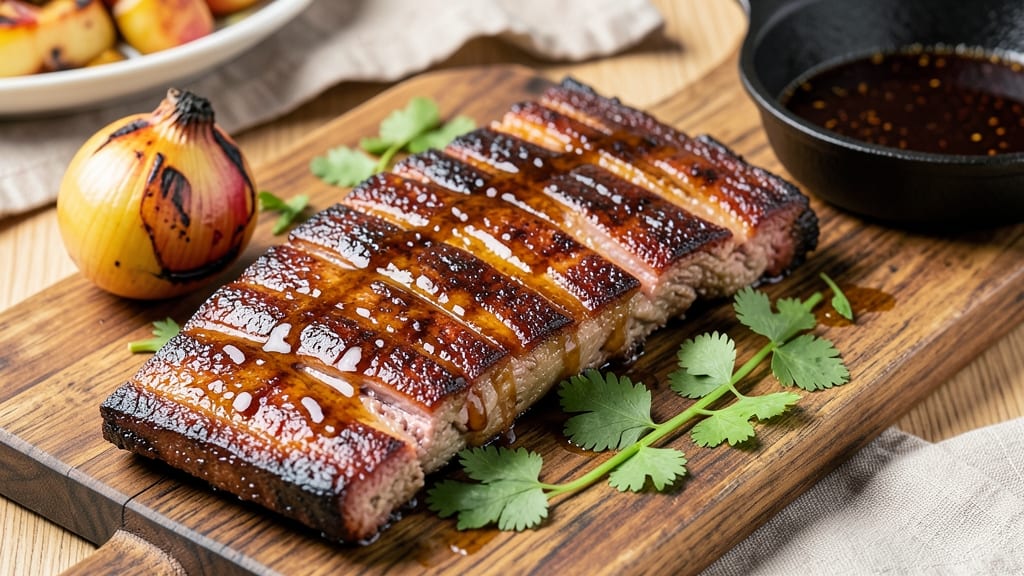
This three-stage BBQ beef spare ribs recipe transforms tough meat into fall-off-the-bone perfection using time-tested barbecue techniques. I've spent years perfecting the balance between smoky depth and sticky-sweet glaze—this isn't your average backyard cookout, but a restaurant-quality result you can achieve at home.
The secret lies in patience: slow smoking, careful wrapping, and that final glaze application that makes everyone reach for seconds.
We'll use the classic 3-2-1 method—three hours uncovered for bark development, two hours wrapped for tenderization, and one hour basted with glaze for caramelization. This approach ensures crispy edges while keeping the meat juicy inside, with a bark that's impossible to resist.
The glaze? A perfect blend of brown sugar, molasses, and apple cider vinegar that creates that signature sticky-sweet finish barbecue lovers crave.
What you'll end up with is ribs so tender they practically melt in your mouth, with a glossy glaze that clings to every surface. The aroma alone will have your neighbors showing up uninvited—this is the kind of dish that turns casual cookouts into legendary gatherings.
Every bite delivers that perfect combination of smoky, sweet, and savory flavors that define great barbecue.
Whether you're preparing for a weekend feast or testing your smoking skills, this recipe delivers consistent results. The beauty of this method is its flexibility—you can adapt it to any smoker, grill, or even your oven with a little creativity.
Let's get started on creating ribs that will have everyone asking for the recipe.
Ingredients for bbq beef spare ribs recipe barbecue
Six ingredients transform tough ribs into melt-in-your-mouth barbecue perfection with smoky depth and sticky-sweet glaze.
| Ingredient | Amount | Notes |
|---|---|---|
| Beef Spare Ribs 🍖 | 4 lb | Bone-in, meaty ends preferred |
| Yellow Onion 🧅 | 1 whole | Cut into wedges for smoking |
| Apple Cider Vinegar 🍏 | ¼ cup | For tangy depth in glaze |
| Brown Sugar 🍚 | 1 cup | Packed, dark variety |
| Molasses 🍯 | ¼ cup | Unsulphured preferred |
| Smoked Paprika 🌶️ | 2 tbsp | For deep smoky flavor |
| Garlic Powder 🧄 | 1 tbsp | Freshly ground preferred |
| Onion Powder 🧅 | 1 tbsp | For dry rub balance |
| Ground Black Pepper 🌶️ | 1 tbsp | Freshly cracked |
| Kosher Salt 🧂 | 1 tbsp | Diamond Crystal preferred |
| Aluminum Foil 📄 | 1 sheet | Heavy-duty for wrapping |
| Butter 🧈 | ½ cup | Unsalted, softened for wrap |
| Wood Chips 🌳 | 2 cups | Hickory or cherry preferred |
| Water 💧 | ½ cup | For soaking wood chips |
The ribs are the star—meaty ends are non-negotiable for that signature flavor. Grab bone-in spare ribs from Costco or your local butcher—they'll have the best marbling. If you're buying a whole packer, trim excess fat but leave the membrane on for moisture retention. For wood chips, hickory or cherry gives that classic BBQ aroma, but fruitwoods like apple add subtle sweetness. Soak them for 30 minutes before using to prevent flare-ups. The brown sugar should be packed—light brown works too, but dark gives deeper caramelization.
No apple cider vinegar? White vinegar or lemon juice works in a pinch, though the flavor won't be identical. Molasses substitutes? Maple syrup at half the amount adds sweetness but lacks the deep complexity. The dry rub is flexible—swap smoked paprika for regular if needed, but garlic powder is essential for that barbecue punch. For the wrap, butter and foil are classic, but you can use apple juice or beer instead of butter for a different twist. Just keep the foil tight to trap steam.
Store leftover ribs in the fridge for 3-4 days—they reheat beautifully wrapped in foil with a splash of water. For longer storage, freeze them up to 3 months (wrap tightly in foil first). The dry rub keeps for 6 months in an airtight container, so make extra. Glaze leftovers? Just reheat with a splash of water to loosen it up. These ribs are even better the next day as flavors meld—plan accordingly!
Why You'll Love This Recipe
- Five-Ingredient Magic: I swear by this combo—beef ribs, onion, vinegar, brown sugar, and molasses. That’s it. No fancy marinades or 10-step processes. The vinegar tenderizes while you sleep (yes, overnight), and the molasses gives it this deep, sticky-sweet glaze that’s ridiculously hard to stop eating.
- Smoky-Sweet Obsession: Between us, the caramelized onions and that molasses glaze? It’s like biting into a rib that’s been kissed by a campfire and hugged by a bakery. The apple cider vinegar cuts through the richness, so it’s never cloying—just pure, smoky-sweet satisfaction.
- Tailgate to Tuesday: Honestly, this recipe works everywhere. Pack it for a picnic, throw it on the grill for game day, or serve it at a family dinner when you’re too tired to fuss. The leftovers? Even better the next day—crispy edges soften just enough to melt in your mouth.
- Budget Flex: I’ve spent way more on ribs that tasted half as good. This recipe stretches a pack of spare ribs into three meals without breaking the bank. The onions and vinegar are pantry staples, and molasses? A dollar at the grocery store. Feeds four for less than takeout, and you get to brag about making it yourself.
Step-by-step instructions for BBQ beef spare ribs
This three-stage process transforms tough ribs into melt-in-your-mouth perfection with a sticky-sweet glaze.
Prepare the Ribs and Build the Dry Rub
Start by removing the membrane from the ribs—this thin layer keeps flavor from penetrating. Slide a butter knife under it near the bone, then pull it free with a paper towel. Rinse the ribs and pat them completely dry with paper towels; moisture is the enemy of good bark.
In a bowl, combine the 2 tablespoons smoked paprika, 1 tablespoon garlic powder, 1 tablespoon onion powder, 1 tablespoon ground black pepper, and 1 tablespoon kosher salt. Rub this mixture generously over all sides of the ribs, pressing it into the meat so it adheres well. Let them sit at room temperature for 30 minutes while you prepare the smoker—this helps the rub penetrate and creates better bark.
Smoke the Ribs Low and Slow
Soak the 2 cups wood chips in the 0.5 cup water for at least 30 minutes before smoking. Set up your smoker for 225°F using hickory or cherry wood. Place the ribs bone-side down on the smoker grate and arrange the 1 whole yellow onion wedges around them—this adds moisture and flavor as they cook.
Smoke the ribs undisturbed for 6 hours, maintaining the 225°F temperature. You'll know they're ready when they reach an internal temperature of 170°F at the thickest part. The bark should be dark mahogany and the meat should pull away from the bone slightly when probed. Resist the urge to peek—the more you open the smoker, the longer it takes to cook.
Wrap and Rest for Tender Perfection
Once the ribs reach 170°F, remove them from the smoker and wrap them tightly in the 1 sheet aluminum foil. Place the 0.5 cup softened butter in the center of the foil before wrapping—this bastes the meat as it rests. Return the ribs to the smoker and cook for another 1-2 hours until they reach 203°F internally.
This resting stage is critical—it allows the collagen to break down completely, transforming tough connective tissue into rich, gelatinous goodness. When the ribs probe like butter, remove them from the smoker and let them rest for 15 minutes before slicing between the bones.
Create the Sticky-Sweet Glaze
While the ribs rest, combine the 1 cup packed brown sugar, 0.25 cup molasses, and 0.25 cup apple cider vinegar in a saucepan. Bring to a simmer over medium heat and cook for 10-12 minutes, stirring occasionally, until it thickens to a glaze consistency. The mixture should coat the back of a spoon and smell richly caramelized.
Brush this glaze generously over the sliced ribs, coating each piece thoroughly. The acidity from the vinegar cuts through the sweetness while the molasses adds depth. Serve immediately while the glaze is still warm and sticky—this is when it's most flavorful.
Pro Tips For Making Bbq Beef Spare Ribs Recipe Barbecue
- SEAR THE RIB BONE-SIDE DOWN: After trimming excess fat, lay the ribs bone-side down in the pan first—this renders fat and builds flavor faster than flipping constantly. I learned this the hard way when my ribs turned out greasy instead of caramelized.
- CHAR THE ONIONS FIRST: Dice the yellow onion extra fine (¼-inch pieces) and cook them in the same pan until deeply browned before adding liquid—this adds a smoky depth the recipe won’t get otherwise. Skip this, and your sauce will taste flat.
- DON’T RUSH THE VINEGAR: When adding apple cider vinegar, let it simmer uncovered for 3-4 minutes to cook off the sharpness before adding brown sugar and molasses—this balances the tang instead of making it taste raw. (Yes, even if you’re impatient like me.)
- BASTE WITH THE MOLASSES LAST: Hold off on brushing the ribs with the molasses-browned sugar glaze until the last 10 minutes of cooking—it burns easily and sticks better when the ribs are hot. I used to add it too early and ended up with a bitter mess.
Common mistakes when making your bbq beef spare ribs recipe barbecue
Overcooking the Ribs
I’ve seen so many cooks rush the process and end up with dry, stringy ribs. The key is patience—don’t rush the 3-2-1 method. If you wrap the ribs too early (before they hit 170°F), you’ll trap moisture inside and slow the cooking process, leading to uneven doneness.
The internal temperature should reach 203°F before you call them done. Trust me, those extra hours make all the difference. 💪
Skipping the Membrane
One of the biggest mistakes I see is leaving the membrane intact. That thin, silvery layer on the bone side acts like a barrier, preventing smoke and rub from penetrating the meat. Use a butter knife to slide it off—it’s easier than it looks!
If you skip this step, your ribs will taste bland and lack that deep, smoky flavor. Pro tip: Rinse the ribs after removing the membrane to wash away any lingering residue. 🧂
Ignoring the Resting Phase
After wrapping, many cooks can’t wait to slice into those ribs—big mistake! The 15-minute rest is crucial for redistributing juices and letting the meat relax. If you skip this, you’ll end up with dry slices and lost flavor.
I’ve learned this the hard way—once, I sliced into ribs too soon and they were almost dry. Now, I always set a timer and let them rest, no matter how tempting it is to dig in early. ⏰
Inconsistent Smoker Temperature
Fluctuating temperatures are the enemy of perfect ribs. If your smoker dips below 225°F or spikes too high, you’ll end up with uneven cooking—some parts overdone, others undercooked. Invest in a good smoker thermometer (like the Traeger Pellet Grill Thermometer) to keep temps steady.
I’ve had my share of temperature swings, especially when using charcoal smokers, but a reliable thermometer saves the day every time. 🌡️
Using the Wrong Wood Chips
Not all wood chips are created equal. While hickory and cherry are classics, using fruitwoods like apple or peach can add unwanted sweetness that clashes with the glaze. Stick to hickory or cherry for that classic BBQ smoke flavor.
Also, soak your wood chips for at least 30 minutes before using—they burn faster when dry, leading to flare-ups and uneven smoke. Trust me, dry chips are a rookie mistake I’ve made more times than I’d admit. 🌳
Overloading the Smoker
Crowding the ribs on the smoker grate can lead to uneven cooking and poor bark formation. Leave at least 1 inch of space between racks and avoid stacking too many ribs in one layer.
I’ve had to restart entire batches because I packed them too tightly—now, I space them out like a pro. If you’re short on space, cook in batches and keep the first batch warm in the oven while you finish the rest. 🔥
Nutrition facts
Frequently asked questions
Can I use beef spare ribs from the store for this recipe?
Yes, but choose bone-in, meaty-end spare ribs for the best results. Look for packs labeled "spare ribs" (not baby back ribs) at your local butcher or grocery store's meat department. The meaty ends are where all the flavor lives! For extra flavor, ask your butcher to trim excess fat but leave the membrane intact until you're ready to prep them.
What if I don't have a smoker? Can I make these in the oven?
Use a low-and-slow oven method at 225°F with a water pan for moisture. Place the ribs on a rack over the pan and cook for 4-5 hours until they reach 170°F internally. Then wrap them in foil with butter and cook another 1-2 hours until they reach 203°F. The oven method works perfectly for this recipe!
How do I know when the ribs are done?
Use a meat thermometer to check the internal temperature at the thickest part of the meat. They're ready when they reach 203°F after the wrapping stage. The meat should pull away from the bone easily and feel tender when probed. The bark should be dark mahogany and crispy. Pro tip: If you don't have a thermometer, the "wobble test" works—gently shake the ribs; if they move freely, they're done!
Can I make the glaze ahead of time?
Yes, but make it fresh the day you plan to serve the ribs. The glaze thickens as it cools, so reheat it gently with a splash of water until it reaches a pourable consistency. For best results, brush it on just before serving when it's still warm and sticky. The fresh glaze makes all the difference in that signature caramelized finish!
What sides pair best with these ribs?
Classic BBQ sides work perfectly: creamy coleslaw, cornbread, baked beans, or grilled vegetables. For a lighter option, try a fresh cucumber salad with a tangy vinaigrette. The smoky-sweet ribs pair beautifully with anything that can stand up to their rich flavor. Don't forget drinks—iced tea or a cold beer completes the meal!