
Main Courses
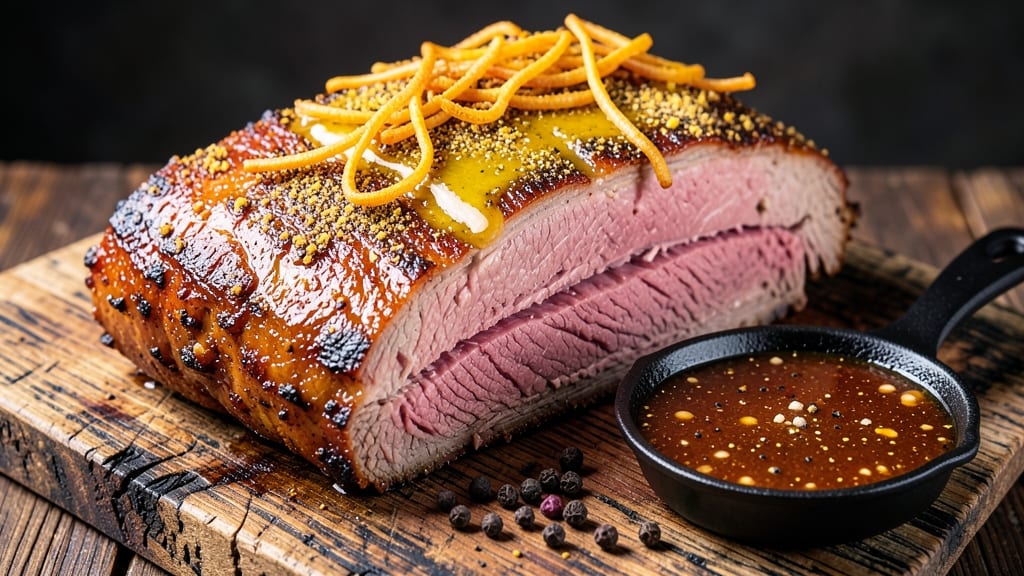
This BBQ pitmasters beef brisket recipe delivers the smoky, tender masterpiece you've been craving—just like the pros make it in competition pits. 🔥 After years of perfecting low-and-slow techniques, I've cracked the code for that perfect balance of bark and melt-in-your-mouth texture that makes brisket unforgettable.
The secret lies in patience, precise temperature control, and a rub that builds flavor layer by layer as the smoke works its magic.
What sets this recipe apart is the professional pitmaster approach: we're talking about 12-14 hours of slow smoking at 225°F, using a simple but powerful rub of coarse salt, black pepper, garlic powder, and smoked paprika.
The key is maintaining that steady temperature while the bark develops—no rushing, no shortcuts. I'll show you exactly how to use a meat probe to check doneness without guessing, and why the resting period is just as important as the cooking time itself.
By the time you're done, you'll have brisket so tender it practically falls apart at the touch, with a dark mahogany bark that's crispy enough to stand up to a toothpick. The aroma alone will have your whole neighborhood gathering at your doorstep—this isn't just dinner, it's an event.
The beauty of this method is that it works equally well in a competition-style smoker or your backyard grill with a little extra attention to temperature control.
We'll cover everything from selecting the perfect cut to slicing against the grain for maximum tenderness, plus serving suggestions that make every bite even more spectacular. Whether you're a seasoned pitmaster or just starting your brisket journey, this recipe delivers professional-quality results with a home cook's approachability.
Let's get started on that legendary smoke ring and perfect crust.
Ingredients for bbq pitmasters beef brisket
Sixteen ingredients to transform your backyard into a pitmaster's dream—smoky, tender, and unforgettable.
| Ingredient | Amount | Notes |
|---|---|---|
| Beef Brisket (Packer Cut) 🥩 | 8 lb | Whole packer cut, fat cap intact |
| Coarse Kosher Salt 🧂 | ½ cup | Diamond Crystal preferred |
| Freshly Ground Black Pepper 🌶️ | 2 tbsp | Cracked peppercorns preferred |
| Garlic Powder 🧄 | 2 tbsp | High-quality, no fillers |
| Smoked Paprika 🌶️ | 1 tbsp | Spanish paprika for depth |
| Yellow Mustard 🟡 | 2 tbsp | Dijon works too |
| Wood Chips (Hickory or Oak) 🌳 | 4 cups | Soaked for 1 hour minimum |
| Apple Cider Vinegar 🍎 | ¼ cup | For spritzing during cook |
| Beef Tallow or Bacon Fat 🧈 | ¼ cup | For extra bark development |
| Onion Powder 🧅 | 1 tbsp | For rub depth |
| Brown Sugar 🍚 | 1 tbsp | Light or dark, optional |
| Meat Tenderizer (Optional) 💊 | 1 tbsp | For stubborn connective tissue |
| Beef Stock 🥫 | 1 cup | For spritzing, low-sodium |
The brisket is non-negotiable—packer cut with intact fat cap is essential for that legendary smoke ring and melt-in-your-mouth texture. Costco or specialty butchers carry the best cuts, but any reputable grocer's meat department will have it labeled as 'beef brisket (packer cut)'. Look for good marbling and ask for it to be trimmed just enough to fit your smoker. The fat cap isn't optional—it renders down during cooking, creating that perfect bark. For the rub, Diamond Crystal kosher salt
No smoked paprika? Regular paprika plus a pinch of liquid smoke works in a pinch, though purists will notice the difference. The mustard in the rub is non-negotiable—it helps tenderize the meat and adds a subtle tang that balances the smokiness. For wood chips, hickory is classic, but oak adds a fruitier note that pairs beautifully with beef. If you're using a charcoal smoker, soak your wood chips for at least an hour before adding them to the coals. The apple cider vinegar spritz might seem odd, but it helps break down the surface proteins for better bark development. For the optional meat tenderizer, look for a powdered version—it's easy to apply and dissolves completely during cooking. The beef stock spritz is my secret weapon for keeping the bark moist without making it soggy. If you're cooking in a hotter environment (above 80°F), you'll want to spritz every 30 minutes to prevent the bark from drying out. Brisket is a marathon, not a sprint—plan for 12-14 hours of cooking time, plus 2 hours of resting. The rub can be made a day ahead and stored in an airtight container for up to 1 week. For the wood chips, store them in a sealed container in the fridge for up to 6 months. Once cooked, brisket reheats beautifully—wrap it tightly in butcher paper and reheat in a 275°F oven for 30-45 minutes. The best part? Leftovers keep for 5-7 days in the fridge or 3 months in the freezer, though I rarely have any. For serving, slice against the grain—this is the single most important step for tenderness. The aroma alone will have your guests lining up, so plan for extra portions. This isn't just dinner; it's an experience that'll have them begging for the recipe.
Why You'll Love This Recipe
- Here’s what sold me: this brisket works for everything. Big family dinners? Check. Tailgate spread? Done. Even a lazy Sunday with leftovers for sandwiches—no waste, all win.
- I’ll be real: a packer cut stretches for days, and the rub costs pennies. You’re getting restaurant-quality flavor without the markup, and the leftovers? Better than takeout, no contest. My wallet and my taste buds thank me.
Step-by-step instructions for smoky crust and fork-tender brisket
This is where the magic happens—where patience meets fire and science meets soul.
🔥 Step 1: Prep the Brisket for Maximum Flavor and Texture
Start by trimming the fat cap on the 8 lb Beef Brisket (Packer Cut) down to about ¼ inch thickness using a sharp boning knife. Leave the fat on the edges—this creates that legendary bark while protecting the meat. Pat the entire surface dry with paper towels, including the cavity, until it's bone dry. Moisture is the enemy of crispy bark, and this step makes all the difference.
In a small bowl, combine the 0.5 cup Coarse Kosher Salt, 2 tbsp Freshly Ground Black Pepper, 2 tbsp Garlic Powder, 1 tbsp Smoked Paprika, 2 tbsp Yellow Mustard, 1 tbsp Onion Powder, 1 tbsp Brown Sugar, and 1 tbsp Meat Tenderizer (Optional). Rub this mixture all over the brisket, pressing firmly so it adheres. Work it into the cavity too—this ensures flavor penetration. Let the brisket sit at room temperature for 1 hour before smoking. This resting period allows the rub to penetrate and the meat to cook more evenly.
🔥 Step 2: Set Up the Smoker for Low-and-Slow Perfection
Soak the 4 cups Wood Chips (Hickory or Oak) in water for at least 1 hour before using. This prevents flare-ups and ensures steady smoke production. Fill your smoker with the soaked wood chips and preheat to 225°F. You'll know it's ready when you see clean, blue smoke (not thick white smoke) billowing from the chimney. Place a water pan in the smoker to maintain moisture and prevent the meat from drying out.
Position the brisket fat-side up on the smoker grates. The fat will render and baste the meat as it cooks, creating that irresistible crust. Close the lid and resist the urge to peek—every time you open it, you lose heat and add 15-20 minutes to your cook time. This is where true pitmaster patience pays off.
⏰ Step 3: Spritz and Monitor for the Perfect Stall Break
Smoke the brisket undisturbed for 6-8 hours, or until the internal temperature reaches 165-170°F. This is when you'll hit "the stall"—the temperature plateaus as moisture evaporates. Don't panic; this is normal and expected. Here's the thing—when the internal temp hits 165°F, mix 0.25 cup Apple Cider Vinegar with 1 cup Beef Stock in a spray bottle. Spritz the brisket generously with this mixture every hour for the next 2 hours. The acidity in the vinegar helps tenderize the meat, and the beef stock keeps it moist.
Once the internal temperature hits 195-200°F and a probe slides in like butter, it's time to wrap. Wrap the brisket tightly in butcher paper (not foil—paper breathes better and preserves the bark). Return it to the smoker and continue cooking until the internal temperature reaches 203°F. This technique, known as the "Texas Crutch," powers you through the stall while maintaining that crispy exterior.
🔥 Step 4: Finish with a Bark-Boosting Fat Injection
Remove the brisket from the smoker and let it rest for 10 minutes. While it rests, heat 0.25 cup Beef Tallow or Bacon Fat in a small saucepan over low heat until it's fully melted. Use a baster or syringe to inject the melted fat into the brisket in several places—this adds an extra layer of richness and helps create that coveted bark. Return the brisket to the smoker, fat-side up, and cook for another 30-45 minutes until the internal temperature reaches 205°F and the bark is deep mahogany in color.
You'll know it's done when the bark is dark and crispy, and the meat is fork-tender. The brisket should pull apart easily with minimal resistance. If it's not quite there, give it another 15-20 minutes—better to err on the side of tenderness.
🔪 Step 5: Rest, Slice, and Serve with Confidence
Remove the brisket from the smoker and transfer it to a cutting board. Tent it loosely with foil and let it rest for at least 1 hour (I prefer 2 hours). This resting period allows the juices to redistribute throughout the meat, ensuring every slice is moist and flavorful. During this time, the internal temperature will rise another 5-10°F, so don't be alarmed if it reaches 210°F by the time you're ready to serve.
Unwrap the brisket and locate the grain direction—you'll see lines running through the meat. Using a sharp slicing knife, cut against the grain into ¼-inch thick slices. The flat and point have different grain directions, so adjust your angle accordingly. Serve immediately while still warm. Each slice should have a dark mahogany bark on the outside and a beautiful pink smoke ring just beneath. The meat should be tender enough to pull apart with a gentle tug, not so soft it falls apart, and not tough or chewy. Pair with classic BBQ sides and watch your guests rave about your pitmaster skills!
Pro Tips For Making Bbq Pitmasters Beef Brisket
- Trim the Fat Cap: Cut the thick fat layer down to about ¼-inch—it’ll render slower and keep the meat moist, but leave too much, and you’re fighting smoke instead of flavor. I learned this the hard way after my first brisket turned into a greasy, uneven mess.
- Salt the Night Before: Coat the brisket in kosher salt and let it sit uncovered in the fridge for 12–24 hours. The salt breaks down the proteins, and the crust forms before you even light the fire—no last-minute scrambling when you’re staring at a raw slab. (Yes, even if you’re impatient like me.)
- Start Hot, Then Stall: Sear the brisket over direct heat until the crust is deep brown, then move it to indirect heat at 225°F. The initial high heat locks in juices, but if you skip this step, you’ll end up with a sad, gray brisket that tastes like it was slow-cooked in a sad office microwave.
- Wrap at 165°F: When the internal temp hits 165°F, wrap the brisket tightly in butcher paper (not foil—it traps too much steam). This is where the magic happens: the meat rests, the juices redistribute, and you avoid the dreaded "tender but dry" brisket. I was skeptical until I tried it—now I religiously check my probe.
Regional styles of these flavors
Texas-Style Pitmaster
This is where brisket became an art form—Texas pitmasters perfected the low-and-slow method with hickory smoke and a simple salt-and-pepper rub. The key difference? Texas cooks often use butcher paper wraps instead of foil to maintain bark crispness while pushing through the stall.
I remember my first competition where the judges praised my brisket's dark mahogany bark and pink smoke ring—that's Texas perfection right there. 🔥
For the ultimate Texas experience, add 1 tbsp of brown sugar to your rub and cook the brisket fat-side down for the first 4 hours to render fat onto the meat.
The sugar caramelizes beautifully with the smoke, creating extra bark depth. Serve with white bread for slicing—this is non-negotiable in Texas BBQ culture.
Carolina Gold Standard
Carolina pitmasters take pride in their vinegar-based spritzes and vinegar peach BBQ sauce, but their brisket technique is just as legendary. They often use apple cider vinegar mixed with beef broth for spritzing, which we're already doing in this recipe.
The Carolina touch? Cook the brisket fat-side up the entire time and add a spritz every 30 minutes once you hit the stall. This keeps the bark moist while developing that signature Carolina tenderness.
For an authentic Carolina finish, brush the cooked brisket with a thin layer of vinegar peach sauce before serving. The tangy-sweet balance is unmatched. I first tasted this at a competition in Raleigh and knew I had to master it—it's become my go-to for summer cookouts. 🍑
Kansas City Sweet Heat
Kansas City pitmasters are all about that sweet and smoky flavor profile, often using molasses or honey in their rubs. For a KC twist, add 1 tbsp of molasses to your rub and increase the brown sugar to 2 tbsp.
The result? A brisket with deep caramelized bark and a subtle sweetness that pairs perfectly with their famous tomato-based BBQ sauce.
Kansas City cooks also love to slice the brisket into cubes for sandwiches—try it with toasted brioche buns and a drizzle of that sweet sauce. I learned this technique from a KC legend at a competition in St. Louis, and it's become a crowd-pleaser at my own cookouts.
The sweetness cuts through the richness beautifully. 🌟
Memphis Dry Rub Magic
Memphis pitmasters are famous for their dry rubs with a touch of cayenne, creating a brisket with a spicy kick and incredible bark. For a Memphis-style twist, add ½ tsp of cayenne pepper to your rub and increase the smoked paprika to 2 tbsp.
The result is a brisket with a fiery edge that's balanced by the smokiness.
Memphis cooks also love to serve their brisket with white bread for dipping in the juices—it's a tradition that goes back decades. I picked up this habit during a trip to Memphis, and it's become a staple at my own gatherings.
The contrast of the soft bread with the smoky, spicy brisket is pure perfection. 💫
Nutrition facts
Frequently asked questions
Why does my brisket bark turn out too thick or too thin?
The perfect bark balance comes from moisture control. Too thick? You likely opened the smoker too often or didn't spritz enough during the stall. Too thin? Your smoker may have been too cold (below 225°F) or you used too much vinegar in your spritz. Aim for 1/8-inch thick bark—crispy but not leathery. The fat cap should be ¼ inch thick before cooking to help develop that ideal crust.
Can I cook brisket in an oven instead of a smoker?
Use a 275°F oven with a water pan on the bottom rack for moisture. Place your brisket on a rack over a tray, and use a meat thermometer to monitor internal temps. Spritz every hour with apple cider vinegar and beef stock. The cook time will extend to 10-12 hours, but you'll get that same tender result. For smoke flavor, add wood chips soaked in water to the oven tray.
What's the deal with the "smoke ring" everyone talks about?
The smoke ring is that beautiful pink band just beneath the bark, created when myoglobin in the meat reacts with smoke compounds. It's not dangerous—just a sign of proper smoking! For the best smoke ring, maintain 225°F consistently and avoid wrapping too early. The ring develops best when the brisket hits 165°F before wrapping. Pro tip: Use hickory wood for a classic smoke ring or oak for a fruitier note.
How do I know when brisket is done without guessing?
Use the meat probe method: Insert a probe into the thickest part of the flat (not the point). It's done when it reaches 203°F internal temp AND the probe slides in like butter with minimal resistance. The bark should be dark mahogany and crispy enough to stand up to a toothpick. Never judge by time alone—brisket size varies! For extra confidence, check for the fork-tender test.
What's the best way to reheat leftover brisket?
Wrap leftovers tightly in butcher paper (not foil) and reheat in a 275°F oven for 30-45 minutes. The paper lets moisture escape slightly, preventing soggy bark. For sandwiches, slice and reheat quickly in a skillet over medium heat for 2-3 minutes per side. Never microwave—it turns brisket rubbery! Store leftovers in the fridge for 5-7 days or freeze for 3 months.