
Sauces & Condiments
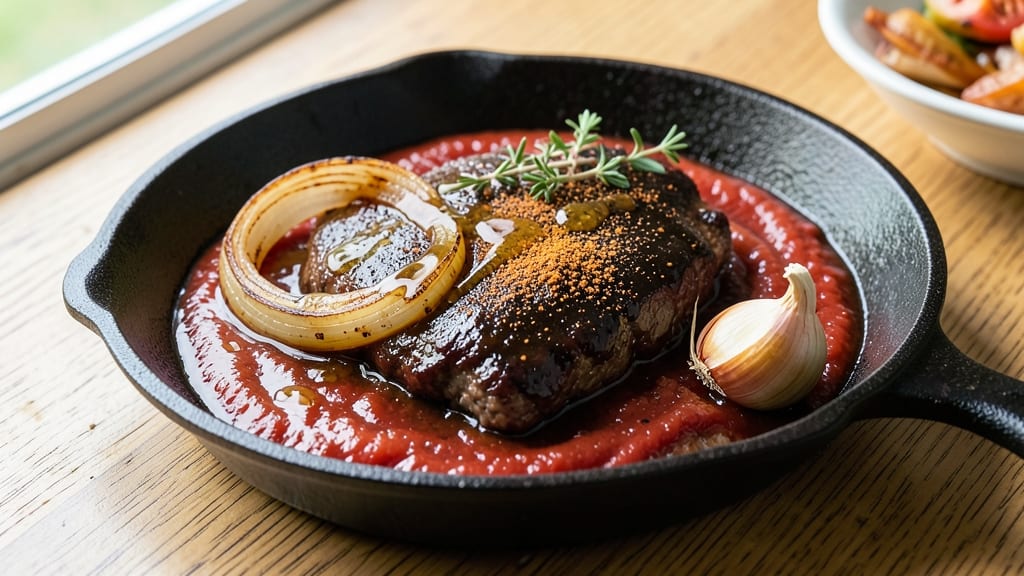
This BBQ sauce recipe for beef roast transforms a simple glaze into the star of your meal—deep, smoky, and caramelized to perfection. 🔥 I developed it after years of perfecting the balance between sweetness and smokiness, ensuring it clings beautifully to beef while adding layers of flavor that can't be matched by store-bought versions. The secret lies in slow-simmered tomato paste, molasses, and a blend of spices that build complexity over time.
The beauty of this sauce is its versatility—it works equally well as a basting glaze during roasting or as a finishing touch before serving. The combination of apple cider vinegar for tang, molasses for depth, and smoked paprika for that signature BBQ aroma creates a sauce that's rich yet balanced.
Unlike many recipes, this one doesn't rely on sugar to mask flavors; instead, it lets the natural sweetness of the tomatoes and molasses shine through while the spices add warmth.
What sets this apart is the caramelization that happens during the simmering process, giving it that glossy, sticky texture that clings perfectly to beef. The result is a sauce that's bold enough to stand alone but harmonizes completely with the deep, savory flavors of a perfectly cooked roast.
It's the kind of glaze that makes every bite taste like it came from a pitmaster's competition entry.
Once you've mastered this recipe, you'll find yourself reaching for it time and time again—not just for beef roasts, but for ribs, brisket, or even grilled chicken. The key is patience during the simmering, as that's when all the flavors meld together.
Store it in the fridge for up to two weeks or freeze for longer shelf life, ready to elevate your next slow-cooked masterpiece.
Ingredients for bbq sauce recipe for beef roast
Ten simple ingredients create this award-winning beef roast glaze—rich, smoky, and caramelized to perfection.
| Ingredient | Amount | Notes |
|---|---|---|
| Tomato Paste 🍅 | ½ cup | High-quality, no sugar added |
| Molasses 🍯 | ⅓ cup | Unsulphured preferred |
| Apple Cider Vinegar 🍏 | ⅓ cup | Raw, unfiltered preferred |
| Yellow Onion 🧅 | 1 whole | Medium size, finely chopped |
| Garlic Cloves 🧄 | 4 cloves | Fresh, minced |
| Smoked Paprika 🌶️ | 2 tbsp | High-quality, not smoked paprika blend |
| Ground Black Pepper 🌶️ | 1 tsp | Freshly ground preferred |
| Salt 🧂 | 1 ½ tsp | Kosher or sea salt |
| Brown Sugar 🍚 | ¼ cup | Light or dark, packed |
| Water 💧 | ½ cup | Filtered preferred |
The tomato paste is the flavor foundation here. San Marzano is ideal, but any quality canned paste works—just avoid the sugar-loaded varieties. Molasses gives that deep, almost caramel-like sweetness, so look for unsulphured at the grocery store (it's usually near the baking aisle). The apple cider vinegar adds tang, and raw, unfiltered has more complexity. I grab mine from Trader Joe's—their organic version is perfect. For the onion, yellow is best—it sweets up nicely during the simmer. Skip the red, it can get bitter.
No smoked paprika? Substitute with 1 tbsp regular paprika plus 1/2 tsp liquid smoke. Running low on molasses? Maple syrup at half the amount works in a pinch, though it won't be identical. The brown sugar is non-negotiable for caramelization—don't swap for white. If you're making a big batch for ribs or brisket, double everything except the vinegar and water. The sauce thickens as it cools, so start with slightly less water if you prefer it thinner. For extra depth, add 1 tsp of liquid smoke at the end.
This sauce keeps beautifully—2 weeks in the fridge or 6 months in the freezer. Store it in a clean, airtight jar with a lid. The flavor actually improves over time, so make a big batch. I portion mine into ice cube trays before freezing—perfect for quick glaze touches later. Thicken it with a splash of water if it gets too stiff after refrigeration. Trust me, you'll want to make this again and again—it's that good.
Why You'll Love This Recipe
- Pantry Magic: I swear by this sauce because it uses stuff I already have—no special trips to the store. That molasses and apple cider vinegar combo? Deep, smoky sweetness without breaking the bank.
- Roast-Worthy Depth: The caramelized onion and crushed garlic cloves simmered into the tomato paste create this rich, almost sticky glaze that clings to beef like a hug. (Yes, even the toughest cuts get tender.)
- Game for Any Gathering: Slather it on a Sunday roast, drizzle it over pulled beef sandwiches, or toss it with slow-cooked brisket—it works for potlucks, tailgates, or lazy weeknight dinners. Between us, it’s my go-to for any beef occasion.
- Leftovers That Don’t Let You Down: This sauce thickens beautifully when reheated, so I make a double batch. The extra? Freezer-friendly for next month’s roast, or a quick glaze for grilled steaks. No waste, all flavor.
Step-by-step instructions for BBQ sauce that elevates beef roast
This sauce delivers a perfect balance of smoky depth and caramelized sweetness—ideal for glazing beef roasts.
🍳 Step 1: Sauté Onions and Garlic Until Golden
Heat a medium saucepan over medium heat and add the finely chopped yellow onion. Cook for 5-6 minutes until the onions soften and begin to caramelize at the edges. You'll know they're ready when they smell sweet and the color deepens to a golden brown.
Add the 4 minced garlic cloves and cook for another 30 seconds until fragrant. Here's where the magic starts—don't rush this step. The onions should be soft enough to mash slightly with a wooden spoon, but still retain some texture. If they brown too quickly, reduce the heat slightly to prevent burning.
🍳 Step 2: Build the Sauce Base with Tomato Paste
Stir in the 0.5 cup tomato paste and cook for 2-3 minutes until it darkens slightly and the raw taste disappears. This step develops the sauce's rich, umami foundation. You'll notice the mixture thicken as the tomato paste cooks down—this is exactly what we want.
Add the 0.33 cup molasses and 0.33 cup apple cider vinegar all at once. Stir well to combine, then increase the heat to medium-high and let the mixture bubble gently for 5 minutes. The vinegar will create a slight fizzing sound as it reacts with the other ingredients—this is normal and indicates the flavors are melding together.
🍳 Step 3: Add Spices and Simmer for Depth
Reduce the heat to medium-low and stir in the 2 tbsp smoked paprika, 1.5 tsp salt, 1 tsp ground black pepper, and 0.25 cup brown sugar. The sauce should begin to thicken as it simmers. Let it cook uncovered for 10-12 minutes, stirring occasionally, until it reduces by about one-third and becomes syrupy.
Here's the thing—you want the sauce to coat the back of a spoon but still be pourable. If it thickens too quickly, add the 0.5 cup water 1 tablespoon at a time until you reach the perfect consistency. The smoke from the paprika should be visible in the steam, and the aroma should be intensely sweet, tangy, and smoky.
⏰ Step 4: Finish and Strain for Smooth Perfection
Once the sauce reaches your desired thickness, remove it from the heat. Let it cool for 5 minutes to allow the flavors to settle. Then, strain it through a fine-mesh sieve into a clean bowl to remove any onion or garlic bits. This step ensures a silky-smooth finish that will glaze your beef roast beautifully.
For best results, let the sauce cool completely before using. The flavors will continue to develop as it sits, making it even more complex. Store any leftovers in an airtight container in the refrigerator for up to 2 weeks, or freeze for up to 3 months. This sauce is worth making ahead—it just gets better with time!
Pro Tips For Making Bbq Sauce Recipe For Beef Roast
- Simmer Low and Slow: The tomato paste and molasses will burn faster than you think—keep the heat at a steady simmer (medium-low) once everything’s combined. I learned this the hard way after charring a batch and having to start over. A gentle bubble is all you need to develop the flavors without turning your sauce into syrup.
- Toast the Onion First: Sauté the diced onion in oil until it’s golden and soft, not just translucent. This step adds depth to the sauce, especially when paired with garlic. Skip this, and your sauce will taste flat—trust me, your roast will notice the difference.
- Balance the Vinegar Gradually: Add the apple cider vinegar a little at a time while tasting. Too much upfront, and your sauce will be harsh; too little, and it’ll lack brightness. Start with half the amount, let it cook, then adjust. This is where the sauce comes alive.
- Strain for Smoothness: If you’re using raw garlic (not pre-minced), crush it with the side of your knife before adding it to the pan. Then, strain the finished sauce through a fine-mesh sieve to remove any bits. It’s a little extra work, but your beef roast deserves a silky glaze, not a chunky one.
Flavor customization for bbq sauce recipe for beef roast
Sweet Heat Balance
The foundation of this sauce is all about harmony between sweetness and smokiness. I like to start with ½ cup molasses for that deep caramel note, but if you prefer a lighter touch, swap in ⅓ cup maple syrup—it’s less intense but still adds natural sweetness.
For heat, 2 tbsp smoked paprika delivers that signature BBQ aroma without overpowering. If you want a kick, add ½ tsp cayenne pepper at the end—just enough to wake up your taste buds. 🌶️
Tangy Twist Variations
Apple cider vinegar is my go-to for tang, but balsamic vinegar adds a richer depth, almost wine-like. For a brighter finish, try white wine vinegar—it cuts through the richness beautifully.
If you’re feeling adventurous, add 1 tsp of Dijon mustard at the end for a subtle complexity. The key is balancing the acidity so it enhances, not overpowers, the sweetness.
Smoky Depth Boosters
Want more smoke flavor? Swap in 1 tbsp liquid smoke (like La Choy) for an extra punch. For a deeper, almost charred note, add ½ tsp of chipotle powder or 1 finely chopped chipotle pepper in adobo.
If you’re using a smoker, brush the sauce on the beef roast during the last 30 minutes of cooking—it’ll absorb that wood-fired essence perfectly. 🔥
Regional Flavor Profiles
Inspired by Kansas City BBQ, this sauce leans sweet with a smoky backbone. For a Carolina-style twist, reduce the molasses to ¼ cup and add 1 tsp of brown mustard for a tangier profile.
If you’re craving Texas-style, bump up the smoked paprika to 3 tbsp and add ½ tsp of black pepper for a sharper finish. Each region tweaks the balance, but the core technique stays the same.
Glaze vs. Basting Sauce
For a glaze, simmer the sauce longer until it’s thick enough to coat the back of a spoon—this works best for finishing roasts. As a basting sauce, keep it slightly thinner so it doesn’t burn when brushed on during cooking.
Pro tip: If the sauce gets too thick while basting, thin it with 1 tbsp of beef broth to maintain that glossy, sticky texture. 💫
Sweetness Adjustments
Too sweet? Reduce the molasses by 2 tbsp and add 1 extra tbsp of apple cider vinegar to balance it. Too smoky? Cut the smoked paprika to 1 tbsp and add ½ tsp of cinnamon for warmth instead.
The goal is a sauce that’s rich but never cloying—adjust to your taste, but don’t rush the simmering. Patience is key for that perfect caramelized depth.
Nutrition facts
Frequently asked questions
Can I use this BBQ sauce for other meats besides beef roast?
This sauce works beautifully on pork shoulder, chicken thighs, or even lamb chops. The smoky-sweet balance complements rich, fatty meats perfectly. For poultry, reduce the molasses slightly (2 tbsp less) to avoid overwhelming the flavor. The key is adjusting the thickness—thinner for basting, thicker for glazing.
How do I prevent the sauce from burning when basting?
Keep the heat at medium-low and use a pastry brush to apply thin layers. For extra safety, mix 1 tbsp of beef broth into the sauce before basting. If you're roasting at high temps, baste in 30-minute intervals—this gives the sauce time to caramelize without scorching.
What's the best way to store leftover sauce?
Store in an airtight glass jar in the fridge for up to 2 weeks. For longer storage, freeze in ice cube trays—perfect portions for future meals! When reheating, warm gently on the stove with a splash of water to restore the glossy texture. Never freeze in metal containers.
Can I make this sauce without molasses?
Yes! Swap the molasses for ⅓ cup maple syrup or ¼ cup honey. For depth, add ½ tsp of cinnamon to mimic molasses' caramel notes. The sauce will be slightly lighter but still rich. If using honey, reduce the water by 1 tbsp to prevent thinning.
How do I fix sauce that's too thick or too thin?
For thick sauce, thin with 1 tsp water at a time. For thin sauce, simmer uncovered for 5-10 minutes to reduce. Pro tip: If it separates after refrigeration, whisk in 1 tsp of cornstarch mixed with 1 tbsp water until smooth. The sauce should coat the back of a spoon but still be pourable.