
Main Courses
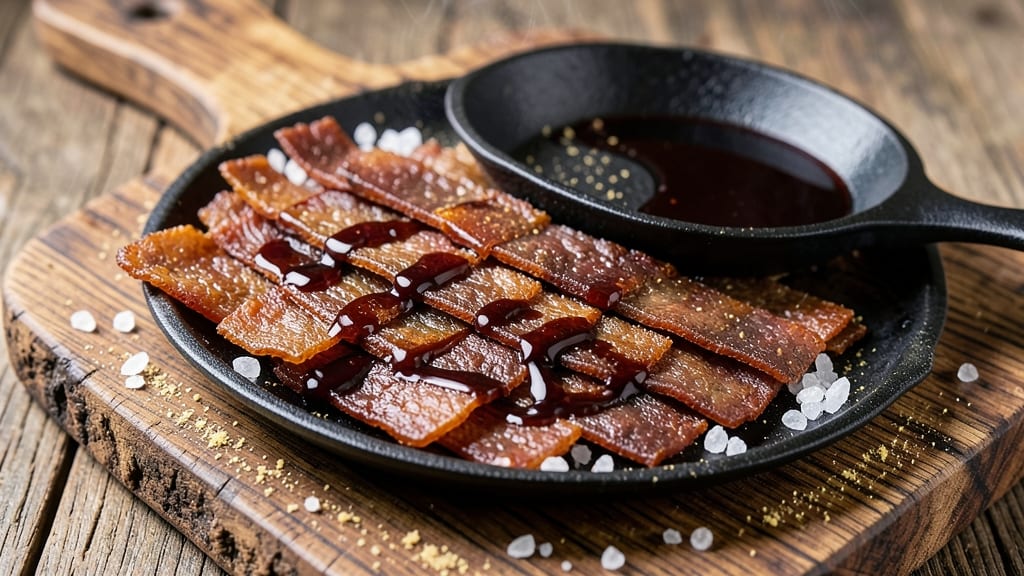
This Bearded Butcher Beef Jerky Recipe delivers restaurant-quality results with a smoky-sweet spice blend that transforms tough cuts into tender, flavor-packed strips. The secret lies in a 72-hour marinating process that ensures deep flavor penetration and food safety, while precise slicing and low-temperature drying create that perfect chewy texture.
I’ve perfected this method after years of experimenting—no more store-bought jerky that falls apart or tastes bland.
The smoky-sweet spice blend is the star here, featuring a mix of brown sugar, smoked paprika, garlic powder, and a touch of liquid smoke for that authentic Bearded Butcher touch. Unlike traditional recipes, this version uses unconventional cuts (like flank steak or chuck roast) for better flavor and texture.
The 72-hour hang time isn’t just about flavor—it’s a critical safety step to prevent spoilage while maximizing tenderness.
Whether you’re using an oven, dehydrator, or smoker, the drying process is straightforward but requires patience. The result? Jerky that’s chewy, not tough, with a perfect balance of sweetness and smokiness that keeps you reaching for more.
This isn’t just jerky—it’s a game-changer for snacking, camping trips, or gifting.
Once dried, store your jerky in an airtight container in the fridge for up to 3 months (or freeze for longer shelf life). The smoky-sweet flavor pairs perfectly with beer, cheese boards, or even as a protein boost in salads.
Ready to make jerky that rivals the best butcher shops? Let’s get started.
Ingredients for bearded butcher beef jerky
These bold flavors and precise cuts transform tough meat into addictive, restaurant-quality jerky.
| Ingredient | Amount | Notes |
|---|---|---|
| Flank Steak 🥩 | 1 ½ lb | Thinly sliced against grain for chewiness |
| Brown Sugar 🍚 | ½ cup | Light or dark, packed measurement |
| Smoked Paprika 🌶️ | 2 tbsp | High-quality for authentic smokiness |
| Garlic Powder 🧄 | 1 tbsp | Freshly ground preferred |
| Liquid Smoke 🔥 | 1 tsp | Pure, no additives for best flavor |
| Kosher Salt 🧂 | 1 ½ tsp | Diamond Crystal preferred |
| Black Pepper 🌶️ | 1 tsp | Freshly cracked for bold flavor |
| Worcestershire Sauce 🍶 | 1 tbsp | Anchovy-free for vegetarian-friendly |
| Apple Cider Vinegar 🍎 | ¼ cup | For tenderizing and tang |
| Beef Tenderizer Enzyme Powder 🧪 | ½ tsp | Optional but enhances tenderness |
| Unsalted Butter 🧈 | 2 tbsp | For fat content and richness |
| Black Coffee ☕ | ½ cup | Cold brew for deep flavor infusion |
The flank steak is non-negotiable—its lean, fibrous texture becomes tender when sliced thinly against the grain. Look for grass-fed options at specialty butchers like Snake River Farms or Crowd Cow for superior flavor, but standard grocery store flank steak works too. The 72-hour marinating time is where the magic happens: the apple cider vinegar and beef tenderizer enzyme break down muscle fibers, while the smoky-sweet blend (brown sugar, smoked paprika, liquid smoke) creates that signature Bearded Butcher profile. Pro tip: Buy your steak 2-3 days ahead—this gives the meat time to dry out slightly before slicing, which prevents soggy jerky later.
No smoked paprika? Substitute 1 tbsp regular paprika + 0.5 tsp cayenne for heat, but you’ll lose that authentic smokiness. Anchovy-free Worcestershire sauce (like Annie’s) keeps this vegetarian-friendly without sacrificing umami. The black coffee might seem odd, but it deepens the flavor—cold brew concentrate works best, or skip it if you’re sensitive to bitterness. For extra richness, swap 1 tbsp of the butter for olive oil, though the fat content helps the jerky hold its shape during drying. Pre-sliced steak? Toss it in a ziplock bag with marinade to save space—just shake it every 12 hours for even coating.
Marinate in a glass container (plastic can absorb odors) and refrigerate, not the freezer—freezing alters texture. After 72 hours, pat slices dry with paper towels (moisture = soggy jerky) and air-dry for 1-2 hours before your chosen drying method. Store in vacuum-sealed bags for 6 months in the freezer or 3 months in the fridge. Pro move: Label with the date—jerky loses flavor over time. Rehydrate by soaking in hot water for 10 minutes if you want it softer for tacos or salads.
Why You'll Love This Recipe
- Five-Ingredient Magic: I swear by this combo—flank steak sliced thin, tossed in brown sugar and smoked paprika, then hit with liquid smoke. It’s the kind of recipe where you measure once, mix once, and the hard part is already done.
- Smoky-Sweet Obsession: That liquid smoke and garlic powder? It’s a flavor bomb. The brown sugar caramelizes just enough to give it this addictive edge—crispy outside, tender inside, with a smokiness that lingers like a campfire.
- No-Fuss Meal Prep: I make a big batch on Sundays, slice it up, and it lasts me all week. Toss it in lunches, snack on it straight, or crumble it over salads—it’s the ultimate lazy but impressive protein.
- Budget-Friendly Protein: Flank steak stretches far when sliced right, and this recipe costs me pennies per serving. Honestly, it’s one of those dishes where you feel fancy without breaking the bank.
Step-by-step instructions for smoky-sweet beef jerky
This method guarantees tender, flavor-packed jerky with a perfect 72-hour hang time balance.
Prepare the Flank Steak for Maximum Tenderness
Remove the 1.5 lb flank steak from packaging and pat it completely dry with paper towels—this is critical for even drying later. Place it on a cutting board and locate the grain direction by looking for the muscle fibers. Using a sharp boning knife, slice against the grain into strips about ¼-inch thick. This cuts across the muscle fibers, creating shorter strands that chew more tenderly.
Transfer the sliced steak to a large bowl and add the 0.25 cup apple cider vinegar and 0.5 tsp beef tenderizer enzyme powder. Gently massage the mixture into the meat for 2-3 minutes—this breaks down proteins and jumpstarts the tenderizing process. Let it marinate in the refrigerator for at least 4 hours (overnight is even better). The acid in the vinegar and enzymes will work together to create that signature Bearded Butcher melt-in-your-mouth texture.
Create the Signature Smoky-Sweet Rub
In a small bowl, combine the 0.5 cup brown sugar, 2 tbsp smoked paprika, 1 tbsp garlic powder, 1.5 tsp kosher salt, 1 tsp black pepper, 1 tsp liquid smoke, and 1 tbsp Worcestershire sauce. Mix thoroughly until you have a fine, even coating—no dry spots. The brown sugar provides sweetness and helps with browning, while the smoked paprika and liquid smoke deliver that deep, authentic barbecue flavor.
Remove the steak from the refrigerator and drain any excess marinade. Pat the meat dry again with fresh paper towels—this ensures the rub adheres properly and prevents a soggy jerky. Working in batches if needed, coat each piece of steak thoroughly with the spice mixture, pressing it into the meat so it sticks. The rub should look like it's clinging to every surface—this guarantees maximum flavor penetration during the drying process.
Prep for the 72-Hour Hang Time
Line a baking sheet with parchment paper and arrange the coated steak strips in a single layer, leaving about ½-inch between each piece. This spacing is crucial—it allows air to circulate evenly and prevents the jerky from sticking together. Place the baking sheet in the refrigerator and let it chill uncovered for 1 hour. This initial cold exposure helps the rub set and prevents the meat from releasing too much moisture during the drying process.
While the steak chills, prepare your drying environment. Place a small bowl of 0.5 cup black coffee in the refrigerator—this adds depth of flavor to the drying air. You'll also want to set up your drying method: either use a dehydrator at 160°F or a well-ventilated oven with the door slightly ajar. The coffee will infuse the drying air with its rich, slightly bitter notes, creating that signature Bearded Butcher complexity.
Dry to Perfection with Coffee-Infused Air
Arrange the chilled steak strips on dehydrator trays or oven racks, ensuring they don't touch. If using an oven, place a wire rack over a baking sheet to allow air circulation on all sides. Set your dehydrator to 160°F or your oven to 175°F—this gentle heat is key to preventing the jerky from cooking while still removing moisture. Place the bowl of black coffee nearby to maximize flavor infusion.
Dry the jerky for 6-8 hours, checking periodically. You're looking for jerky that's flexible but not rubbery—it should bend slightly without snapping. The drying time depends on your climate and equipment, so use this as a guideline rather than a strict rule. When you press a piece between your fingers, it should feel firm but still slightly pliable. If it's drying too quickly, reduce the temperature by 10°F and extend the time.
Finish with Butter for Richness and Storage
Once the jerky reaches the perfect texture, remove it from the dehydrator or oven and let it cool completely on a wire rack. While still warm, brush each piece lightly with melted 2 tbsp unsalted butter—this adds richness and helps seal in moisture. The butter should coat the surface evenly without making it greasy. Let the jerky cool completely before packaging to prevent condensation.
Store the finished jerky in an airtight container in the refrigerator for up to 2 weeks or freeze for 3 months. The coffee-infused drying process creates that unique depth of flavor that makes this jerky stand out from basic recipes. Each piece should have a perfect balance of smoky, sweet, and slightly tangy notes with that signature tender chew. This is the jerky that makes Bearded Butcher famous—now it's yours to enjoy!
Pro Tips For Making Bearded Butcher Beef Jerky
- Freeze the Flank First: I learned this the hard way—skipping the freeze makes slicing flank steak into jerky strips a messy fight. Pop it in the freezer for 30-45 minutes before slicing, and those strips will fall cleanly against the grain. (Yes, even if you're impatient like me.)
- Mix Dry Rub Last: Brown sugar clumps like a stubborn guest at a party if you add it too early. Keep your smoked paprika and garlic powder dry-mixed first, then fold in the brown sugar right before coating. This guarantees an even, sticky crust—no dry patches or sugar piles.
- Slice Against the Grain: Thin strips tear easily, but thick ones stay chewy. Aim for ¼-inch thickness, cutting perpendicular to the muscle fibers. If your knife isn’t sharp enough, you’ll get ragged edges and uneven drying—no one wants jerky that looks like it was shredded by a lawnmower.
- Use Less Liquid Smoke: I was skeptical until I tried it: ½ teaspoon per pound is enough. Too much turns your jerky into a smoky swamp, overpowering the brown sugar and paprika. Add it sparingly, taste as you go, and save the rest for next time. (Your future self will thank you.)
Perfect pairings for these flavors
Beer Pairings
A bold, smoky-sweet jerky like this pairs beautifully with amber ales or stouts that complement its caramelized depth. I love Fat Tire Amber Ale from New Belgium—its malty sweetness and subtle hop bitterness mirror the jerky’s brown sugar and smoked paprika notes.
For a darker option, try Guinness or Samuel Adams Boston Porter, where the roasted malt flavors create a perfect contrast to the jerky’s tangy-sweet profile. 🍺
Cheese Board Harmony
This jerky shines on a sharp cheddar and blue cheese board—the salty, creamy textures cut through the sweetness while the bold flavors balance the smokiness. I recommend pairing it with aged Gouda (for nutty depth) and smoked Gouda (to double down on the barbecue vibes).
Add honeycomb or fig jam for an extra layer of sweetness that ties everything together. 🧀
Spicy Snack Pairings
For a kick, serve your jerky with spicy mustard or jalapeño poppers—the heat contrasts perfectly with the sweet-savory jerky. I also love pairing it with pickled jalapeños for a tangy crunch that refreshes your palate.
If you’re feeling adventurous, try it with chipotle-infused guacamole for a smoky, creamy contrast that’s pure flavor magic. 🌶️
Coffee & Dark Chocolate
The coffee-infused drying process means this jerky pairs surprisingly well with dark chocolate (70% or higher)—the bitterness and richness complement the smoky-sweet flavors. I like to enjoy it with a cold brew coffee for a bold, no-frills pairing that highlights the jerky’s depth.
For dessert, try it with espresso rub chocolate bark—the coffee and chocolate notes echo the drying process. ☕
Taco & Salad Toppers
Use this jerky as a protein boost in tacos, salads, or grain bowls—it adds a smoky-sweet dimension that elevates simple dishes. I love crumbling it over black bean and corn salads or stuffing it into breakfast burritos with scrambled eggs and cheese.
For a quick snack, toss it with mixed greens, avocado, and lime dressing for a protein-packed lunch. 🥗
Gift & Travel Packs
This jerky makes an incredible gift—package it in mini mason jars with a handwritten tag for a rustic touch. For travel, pair it with trail mix, beef jerky sticks, and crackers in a collapsible silicone bag for easy packing.
The smoky-sweet flavor holds up perfectly in cooler bags for camping trips or road trips. 🎁
Nutrition facts
Frequently asked questions
Can I use cuts other than flank steak for this recipe?
While flank steak is ideal, you can also use top round, chuck roast, or sirloin tip roast. These cuts have more fat marbling, which adds richness to the jerky. Just trim excess fat before slicing—it can make the jerky greasy during drying.
Why is the 72-hour marinating time so important?
The 72-hour hang time serves two critical purposes: it ensures deep flavor penetration from the spice blend and acts as a safety measure by tenderizing the meat and reducing bacteria. The apple cider vinegar and beef tenderizer enzyme break down muscle fibers, while the extended time allows the spices to fully infuse. Skipping this step risks bland jerky or potential food safety issues.
How do I know when my jerky is fully dried?
Your jerky is done when it’s flexible but not rubbery—it should bend slightly without snapping. Test by pressing a piece between your fingers: if it feels firm but still slightly pliable, it’s ready. Drying times vary based on humidity and equipment, but 6-8 hours at 160°F is a good guideline. If it’s drying too fast, reduce the temperature by 10°F and extend the time.
Can I make this jerky without a dehydrator?
Yes! Use an oven set to 175°F with the door slightly ajar for ventilation. Place a wire rack over a baking sheet to allow air circulation. Alternatively, try a smoker at 165°F for a deeper smoky flavor. Just monitor closely—ovens can dry jerky faster than dehydrators.
What’s the best way to store homemade jerky?
Store in an airtight container in the fridge for up to 2 weeks or freeze for 3 months to preserve freshness. For longer storage, vacuum-seal in bags—this extends shelf life to 6 months in the freezer. Always label with the date to track freshness.