
Main Courses
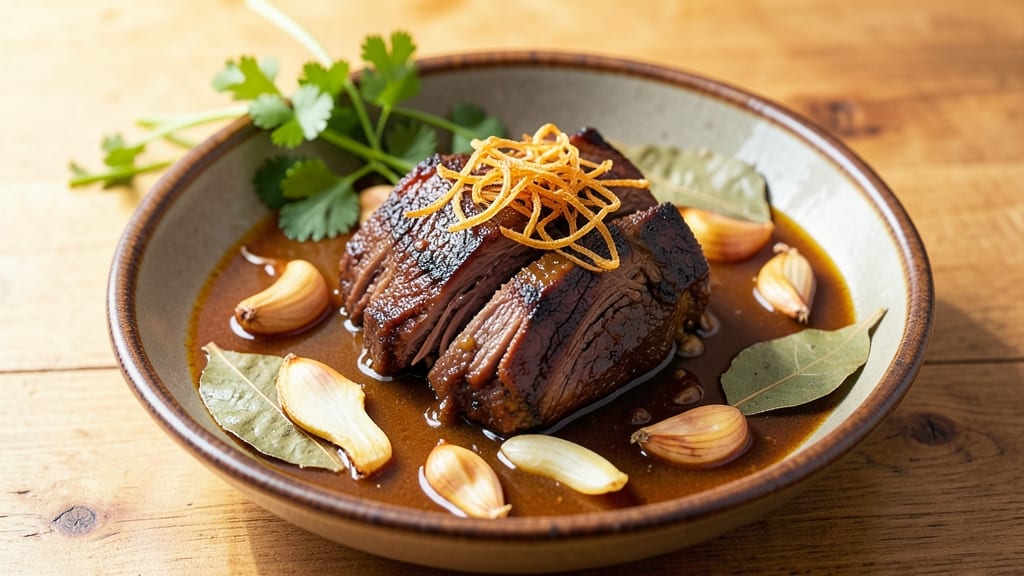
This slow-cooker beef adobo transforms tough cuts into tender, flavor-packed bites with minimal effort. The magic lies in vinegar and soy's slow-simmered harmony, creating a dish that balances tangy, savory, and slightly sweet notes.
I've perfected this adaptation to preserve the rich, complex flavors of traditional Filipino adobo while making it effortless for weeknight dinners.
What makes this recipe special is its ability to deliver restaurant-quality results with just a few ingredients and hands-off cooking. The slow cooker gently breaks down the meat, infusing it with the aromatic blend of vinegar, soy sauce, garlic, and bay leaves.
Unlike stovetop methods, this approach ensures the sauce remains rich and flavorful without burning or reducing too quickly.
By the end, you’ll have perfectly tender beef swimming in a glossy, slightly thickened sauce that’s ideal for serving over steamed rice. The dish carries all the classic adobo characteristics—tangy, savory, and deeply satisfying—while being simple enough for any home cook.
The slow-cooker method also makes it a great option for meal prep, as the flavors deepen overnight.
Pair with steamed white rice and sautéed vegetables for a complete meal that feels both comforting and impressive. Here’s how to make it—simple steps for a dish that tastes like a taste of home.
Ingredients for beef adobo recipe slow cooker
Just twelve ingredients transform tough beef into restaurant-quality adobo with minimal effort.
| Ingredient | Amount | Notes |
|---|---|---|
| Chuck Roast 🥩 | 2 lb | Pre-cubed or cut into 1.5-inch pieces |
| White Vinegar 💧 | 1 cup | Distilled preferred for tang |
| Soy Sauce 🥄 | ½ cup | Light or all-purpose soy |
| Garlic Cloves 🧄 | 6 cloves | Minced or crushed for even cooking |
| Fresh Ginger 🌿 | ½ inch | Peeled, sliced thin |
| Bay Leaves 🍃 | 2 whole | Dried, standard size |
| Black Peppercorns 🌶️ | 1 tsp | Crushed lightly |
| Brown Sugar 🍚 | 2 tbsp | Light or dark variety |
| Olive Oil 🫒 | 1 tbsp | For searing meat |
| White Onion 🧅 | 1 whole | Medium, sliced into wedges |
| Salt 🧂 | 1 ½ tsp | Kosher or sea salt |
| Water 💧 | 1 cup | For thinning sauce if needed |
The chuck roast is your secret weapon—Costco or Walmart sell it pre-cubed, saving time. Look for cuts with good marbling, not lean. Fresh ginger and garlic should smell vibrant, not musty. Filipino markets often carry pre-sliced ginger if you're short on time. The soy sauce makes or breaks this dish—Lee Kum Kee or Kikkoman are reliable choices. Avoid reduced-sodium versions unless you're adding extra salt later.
No chuck roast? Beef short ribs or flank steak work well, though cooking times may vary. Substitute apple cider vinegar for white vinegar if you prefer a milder tang. The brown sugar can be swapped for coconut sugar or white sugar in a pinch. If you're missing bay leaves, dried thyme at half the amount provides a similar earthy note. For extra depth, add a splash of calamansi juice or lemon juice—just remember it's more acidic than vinegar.
Store prepped ingredients in airtight containers. The raw beef keeps 3-4 days in the fridge, while the sauce mixture stays fresh for 5 days before cooking. Once cooked, this reheats beautifully—simply warm on the stovetop with a splash of water. Freezes for 3 months in portions. I always double the batch—one for dinner, one for leftovers that taste even better the next day.
Why You'll Love This Recipe
- I’ll be real: this is my "I have better things to do" meal. Chuck roast goes in raw, vinegar and soy sauce do their thing, and boom—six hours later, it’s fall-apart tender. No stirring, no hovering, no stress.
- Set-and-Forget Magic: I’ll be real: this is my "I have better things to do" meal. Chuck roast goes in raw, vinegar and soy sauce do their thing, and boom—six hours later, it’s fall-apart tender. No stirring, no hovering, no stress.
- Umami Bomb: That vinegar-soy-ginger combo? It’s like a flavor explosion in your mouth. The garlic cloves caramelize just enough to add depth, while the ginger keeps it bright—sweet, tangy, and savory all at once. (Yes, even on a Tuesday night.)
- Weeknight Workhorse: This feeds four easily, but it’s also my go-to for meal prep. The leftovers? Just as good reheated—perfect for lunches or when I’m too tired to cook. Plus, it’s cheap enough to make twice in one week without crying.
Step-by-step instructions for slow-cooked beef adobo
This method delivers deep, tangy flavors with minimal effort—just follow the sequence.
Sear the Chuck Roast for Rich Flavor
Heat a large skillet over medium-high heat and add the 1 tablespoon olive oil. Once shimmering, add the 2 lb chuck roast in a single layer, working in batches if needed. Sear for 3-4 minutes per side until deeply browned and caramelized. This step develops the Maillard reaction, creating complex flavors that form the base of your sauce.
Remove the roast and set aside. In the same skillet, add the 1 whole white onion sliced into wedges and cook for 3-4 minutes until softened and lightly browned. Transfer the onions to your slow cooker—you'll use them later to thicken the sauce. The residual browned bits in the pan will deepen your adobo's flavor profile.
Build the Adobo Base in the Slow Cooker
Add the seared chuck roast back to the slow cooker. Pour in the 1 cup white vinegar and 0.5 cup soy sauce, stirring gently to coat the meat. Add the 6 cloves garlic cloves (minced or crushed), 0.5 inch fresh ginger (sliced thin), 2 whole bay leaves, 1 teaspoon crushed black peppercorns, and 2 tablespoons brown sugar. Stir once more to distribute all ingredients evenly.
The vinegar and soy sauce combination creates the signature tangy-sweet balance of adobo. The brown sugar adds depth while preventing the sauce from becoming overly acidic. At this stage, the mixture should look glossy and aromatic—this is where the magic begins.
Slow Cook Until Fork-Tender
Cover the slow cooker and cook on low heat for 8-10 hours or on high heat for 5-6 hours. The meat should become fork-tender, easily shredding when pierced with a fork. This long cooking time allows the flavors to meld perfectly, transforming tough chuck roast into melt-in-your-mouth beef.
Real talk: Don't skip the low-and-slow approach. Rushing this step results in tough, stringy meat. Every 2 hours, give the pot a gentle stir to ensure even cooking. If the sauce appears too thick, add the 1 cup water to achieve a balanced consistency.
Finish with Seasoning and Resting
Once the meat is tender, remove it from the slow cooker and shred using two forks. Return the shredded beef to the cooking liquid and stir well. Taste and adjust seasoning with the 1.5 teaspoons salt if needed—this balances the acidity from the vinegar. The sauce should coat the back of a spoon with a glossy sheen.
Let the beef adobo rest for 10 minutes before serving. This resting period allows the juices to redistribute, ensuring each bite is moist and flavorful. Serve over steamed rice or with crusty bread to soak up the rich, tangy sauce.
Pro Tips For Making Beef Adobo Recipe Slow Cooker
- Sear the Chuck First: That thick cut of beef needs a quick hit of heat before it goes into the slow cooker. Pat it dry, then sear it in a hot skillet with oil until it’s browned all over—this locks in flavor and keeps the meat from turning mushy. I used to skip this, and the adobo always tasted duller, no matter how long I cooked it.
- Peel and Slice the Ginger: Fresh ginger adds depth, but grating it raw makes the slow cooker sauce bitter. Instead, peel it and slice it thinly—about 1/8-inch pieces—so it softens evenly without overpowering. (Yes, even if you’re impatient like me, resist the urge to chop it fine.)
- Deglaze Before Slow Cooking: After searing the garlic and ginger in the same skillet, pour in a splash of white vinegar and soy sauce to scrape up those browned bits—this is flavor gold. Transfer that liquid to the slow cooker with the beef, and you’ll get a richer sauce instead of a watery one. I learned this the hard way after tasting bland adobo for years.
- Add Vinegar Last: Vinegar’s acidity breaks down the beef, but too much too soon makes the meat tough. Save half the vinegar for the last 30 minutes of cooking—this keeps the texture tender while still giving the sauce that signature tang. (Your future self will thank you.)
Essential equipment for this dish
Slow Cooker Essentials
Your 6-quart slow cooker is the star here—I recommend a Hamilton Beach or Crock-Pot model with even heating elements. The 6-quart size ensures enough room for the beef and sauce without overcrowding. If you're cooking for more, a 7-quart model works but may require longer cooking times. 🌡️
Must-Have Tools
Grab a pair of tongs for easy meat handling and a wooden spoon for stirring the sauce. A meat thermometer (like Thermoworks Smoke) ensures perfect doneness at 203°F internal temperature.
For searing, a 12-inch cast-iron skillet (like Lodge) gives the best results. Don’t skip the fine-mesh strainer—it helps remove bay leaves and onion bits before serving.
Pro Tips for Flavor
Use distilled white vinegar for the brightest tang—it’s less harsh than apple cider vinegar. For extra depth, toast your bay leaves in a dry pan for 30 seconds before adding them to the slow cooker.
A silicone spatula helps scrape up all those flavorful browned bits from the searing step. I also keep a small bowl of water nearby to thin the sauce if needed during cooking.
Budget-Friendly Swaps
No skillet? Use your slow cooker’s sauté function (if available) to brown the onions and beef. Skip the meat thermometer by testing doneness with a fork—it should slide in easily. For vinegar, rice vinegar works in a pinch (though it’s milder).
A wooden spoon can replace tongs if you’re tight on space. The key is patience—slow cooking does most of the work for you. 💡
Cleanup Made Easy
Line your slow cooker with parchment paper (cut to fit) for effortless cleanup—just lift it out after cooking. Store leftovers in glass airtight containers (like Pyrex) for up to 5 days in the fridge.
The sauce thickens as it cools, so add a splash of water when reheating. A damp paper towel helps remove stubborn sauce stains from the slow cooker liner.
Nutrition facts
Frequently asked questions
Can I use a different cut of beef instead of chuck roast?
Short ribs, chuck shoulder, or even flank steak work well. For tougher cuts like ribs, use the low heat for 8-10 hours setting. Tender cuts like flank steak should cook on high heat for 3-4 hours to avoid overcooking. Just adjust the timing based on the meat's tenderness.
How do I make the sauce less tangy?
Reduce the vinegar to ½ cup and add 1 extra tablespoon of brown sugar to balance the acidity. For a milder flavor, replace white vinegar with ½ cup apple cider vinegar + ½ cup water. The soy sauce already adds sweetness, so no additional adjustments are usually needed.
Can I make this in an Instant Pot or other electric pressure cooker?
Yes! Sear the meat as directed, then add all ingredients to the Instant Pot. Cook on high pressure for 45 minutes (natural release for 10 minutes). The meat will be tender and the sauce rich, but the texture will be slightly different from slow-cooked adobo. Use the same seasoning adjustments.
What's the best way to reheat leftovers?
Transfer to a skillet over medium-low heat and add 2-3 tablespoons of water to loosen the sauce. Heat for 5-7 minutes until bubbly. Alternatively, microwave for 2 minutes on high, stirring halfway. The sauce thickens when cooled, so thinning it with water or broth is key for reheating.
Why did my adobo turn out too salty?
This usually happens when using salty soy sauce or adding extra salt. Next time, taste the sauce before serving and adjust with a splash of water or vinegar to dilute. For future batches, use low-sodium soy sauce and reduce salt to 1 teaspoon instead of 1.5. The vinegar also enhances saltiness, so balance it carefully.