
Main Courses
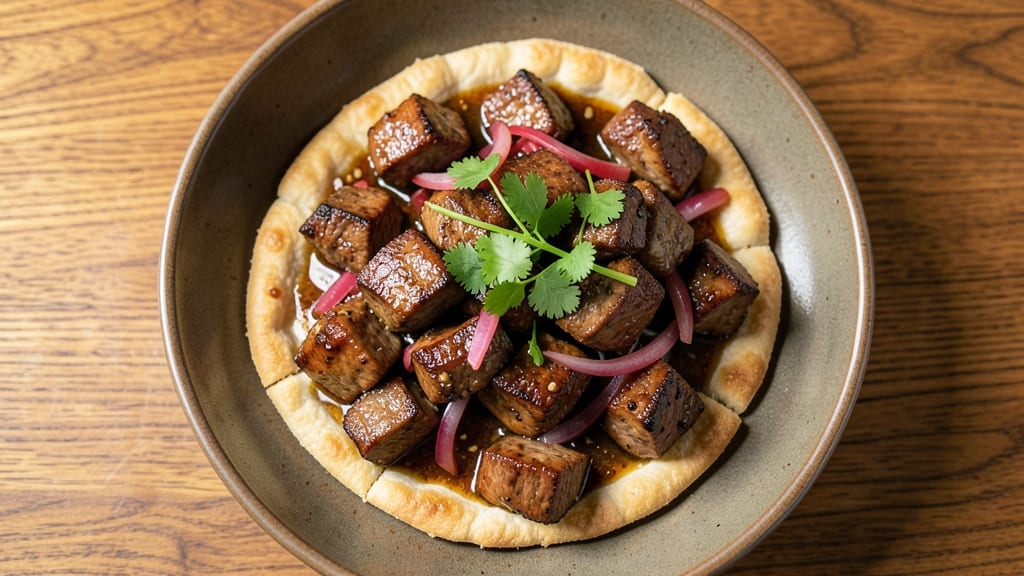
This beef agujas recipe brings the bold flavors of Filipino street food to your grill or stovetop, transforming simple beef cubes into finger-licking skewers with a perfect char.
The secret lies in the marinade—a tangy blend of soy sauce, vinegar, and garlic—that tenderizes the meat while building layers of umami and savory depth. I first discovered this dish at a bustling Manila market, where sizzling skewers filled the air with smoky, spiced aromas that drew crowds.
The recipe delivers crispy edges and juicy centers through careful grilling, whether you're using charcoal, a gas grill, or even an air fryer for a modern twist.
Traditional beef agujas relies on thinly sliced beef, but this version uses bite-sized cubes wrapped in crispy pita for easy handling—ideal for parties or family meals. The marinade works its magic overnight, ensuring every bite packs maximum flavor without overpowering the beef's natural richness.
Once grilled to perfection, these beef bites become the star of any meal, served with steamed rice to soak up the savory juices or paired with atchara (Filipino pickled papaya) for a tangy contrast. The crispy pita wraps add a satisfying texture that makes each bite irresistible.
What sets this recipe apart is its balance of authenticity and adaptability—whether you're grilling outdoors or cooking indoors, the results are consistently delicious.
For those short on time, the air fryer method delivers the same crispy exterior and tender interior, proving that restaurant-quality beef agujas can be achieved at home with minimal effort.
The dish also freezes beautifully, making it perfect for meal prep. Let's get started on creating these flavorful skewers that taste like a trip to the Philippines.
Ingredients for beef agujas
Nine simple ingredients transform beef into crispy, flavorful bites perfect for grilling or air frying.
| Ingredient | Amount | Notes |
|---|---|---|
| Beef Chuck Roast 🥩 | 1 ½ lb | Cut into 1-inch cubes |
| Pita Bread 🍞 | 8 whole | Store-bought or homemade |
| Soy Sauce 🥄 | ½ cup | High-quality, not low-sodium |
| White Vinegar 🍶 | ¼ cup | For tangy marinade |
| Garlic Cloves 🧄 | 6 cloves | Minced finely for marinade |
| Olive Oil 🫒 | ¼ cup | Extra-virgin for richness |
| Brown Sugar 🍚 | ¼ cup | Light or dark variety |
| Ground Black Pepper 🌶️ | 1 tsp | Freshly cracked for heat |
| Salt 🧂 | 1 ½ tsp | Kosher or sea salt |
| Vegetable Oil 🫒 | 2 tbsp | For brushing pita |
| Green Onions 🧅 | 4 whole | Sliced thin for garnish |
| Lime 🍋 | 1 whole | Juiced for brightness |
| Sesame Oil 🫒 | 1 tbsp | For finishing touch |
The beef is everything here—chuck roast gives the best texture and flavor. Grab it from the butcher section if possible, or look for pre-cubed beef in the meat department at stores like Kroger or Safeway. Avoid lean cuts like sirloin, as they won’t get tender enough. If you’re short on time, Costco’s pre-cut beef works perfectly. For the pita, store-bought works fine, but if you want extra crispiness, brush it with vegetable oil before wrapping. The garlic and soy sauce combo is non-negotiable—it’s what makes these bites taste authentic.
No soy sauce? Coconut aminos work in a pinch, though the flavor will be slightly different. Running out of white vinegar? Apple cider vinegar or even lemon juice will do the trick. The brown sugar can be swapped for honey (though it’s not traditional), but keep it at the same amount. For extra smokiness, add 1/2 teaspoon smoked paprika to the marinade. If you’re using air fryer, lightly spray the pita with oil before wrapping—it’ll crisp up beautifully without burning.
Marinate the beef for at least 4 hours, but overnight is best. Store the marinade in a ziplock bag in the fridge. The pita stays fresh for 3 days in the fridge, wrapped tightly in foil. For the beef, cook it all at once—it reheats best fresh off the grill. Leftovers? Freeze the cooked bites for up to 3 months—they’re perfect for quick meals later. Just reheat in a skillet or air fryer for 3-4 minutes.
Why You'll Love This Recipe
- One-Pot Wonder: I swear by this recipe when I’m too tired to clean up. The beef, garlic, and vinegar simmer together until it’s fall-apart tender—no extra pans, no fuss. Just slice, serve, and call it a win.
- Umami Bomb: That combo of soy sauce and vinegar? It’s like a flavor explosion in your mouth. The beef soaks up the tangy, savory goodness, and the garlic? It turns this into something you’ll crave long after dinner.
- Lunchbox Hero: Between us, this is my go-to for meal prep. Slice the beef thin, toss it with pita strips, and pack it up—it stays fresh for days. My kids (and my husband) actually eat their leftovers this time.
- Budget Stretch: A single chuck roast feeds my family for days, and the pita adds that satisfying crunch without breaking the bank. Honestly, it’s one of those recipes that makes grocery day feel like a victory.
Step-by-step instructions for beef agujas with crispy pita wraps
Here's how to make tender, spiced beef bites wrapped in perfectly crispy pita—just like at your favorite Filipino restaurant.
Marinate the Beef for Maximum Flavor
In a large bowl, combine the 1.5 lb beef chuck roast cut into 1-inch cubes, 0.5 cup soy sauce, 0.25 cup white vinegar, 0.25 cup olive oil, 0.25 cup brown sugar, 1.5 tsp salt, and 1 tsp ground black pepper. Mix well until the beef is fully coated in the marinade. I like to use my hands for this—it helps distribute the marinade evenly over every piece.
Transfer the beef to a resealable plastic bag and refrigerate for at least 4 hours, or overnight if possible. The longer it marinates, the more tender and flavorful the beef becomes. This step transforms tough chuck roast into melt-in-your-mouth bites. Don't skip it—trust me, your taste buds will thank you.
Cook the Beef Until Fork-Tender
Heat a large skillet over medium-high heat and add 2 tbsp vegetable oil. Once the oil is shimmering, add the marinated beef in a single layer—don't overcrowd the pan or the beef will steam instead of brown. Cook undisturbed for 3-4 minutes until a deep golden crust forms on the bottom of the pieces.
Flip the beef and cook another 3-4 minutes until the second side is also browned. You're aiming for medium-rare at this stage—the beef will finish cooking later. Transfer the beef to a plate and tent loosely with foil to keep warm. The beef should be tender but still slightly firm to the touch when you press it gently with tongs.
Prepare the Crispy Pita Wraps
While the beef rests, heat a clean skillet over medium heat. Brush each of the 8 whole pita breads lightly with vegetable oil on both sides—just enough to coat them without soaking through. Place one pita in the skillet and cook for 1-2 minutes per side until golden brown and crispy all over.
Here's the thing—don't press down on the pita with a spatula. Let the heat work its magic naturally. You'll know they're done when they're crispy with a slight char in spots. Keep the cooked pitas warm in a 200°F oven while you finish the beef. The residual heat will keep them crispy until serving.
Assemble the Agujas with Perfect Garnishes
Return the beef to the skillet and cook for another 2-3 minutes over medium heat to heat through completely. The internal temperature should reach 160°F—just enough to ensure it's fully cooked without drying out. Remove the beef from the skillet and let it rest for 5 minutes before assembling.
To assemble, place 2-3 beef pieces on each crispy pita wrap. Drizzle with 1 tbsp sesame oil and squeeze lime juice over the top. Garnish with thinly sliced green onions for freshness. The combination of crispy pita, tender beef, and bright lime creates the perfect balance of textures and flavors in every bite.
Pro Tips For Making Beef Agujas
- SEAR THE CHUCK FIRST: The beef agujas recipe relies on that deep, caramelized flavor from the roast, so don’t skip the sear—get your pan screaming hot (medium-high heat) and let those edges turn golden brown before adding any liquid. I used to rush this, and the meat just ended up gray and bland. Two minutes per side, no crowding the pan, or you’ll steam the meat instead of sear it.
- MINCE THAT GARLIC FINE: This isn’t the place to be lazy with your garlic prep—agujas sauce needs that sharp, bright punch, and chunky cloves just won’t cut it. Use a knife to press and mince the cloves into a paste (or pulse them briefly in a food processor), then cook them low and slow until they’re fragrant but not burnt. Burnt garlic ruins the whole dish, and no one wants that bitter note fighting with the soy.
- DON’T OVERMIX THE SAUCE: Once you add the soy, vinegar, and garlic to the pan, let it reduce naturally—stirring constantly turns the sauce into glue. Instead, give it 3-4 minutes on medium heat, then just swirl the pan occasionally to coat the meat without breaking the sauce’s texture. The goal is a glossy, sticky coating, not a thick paste that’ll cling like wallpaper.
- REST THE MEAT BEFORE SLICING: That chuck roast is still cooking after you pull it from the pan, and slicing it too soon means dry, stringy agujas. Tent it loosely with foil and let it sit for 10 minutes—this lets the juices redistribute so every bite stays tender. I know, I know, you’re eager to eat it, but trust me, this is the thing that matters most for juicy, fork-tender beef.
Common mistakes when making this recipe
Over-Marinating Risks
The marinade is key to beef agujas, but leaving the beef too long—especially overnight in warm conditions—can turn tender meat into mushy bites. I’ve ruined a batch by forgetting it in my fridge for 36 hours—the beef absorbed so much liquid it fell apart when grilling.
For chuck roast, stick to 8-12 hours max in the fridge. If you’re short on time, 4 hours still works, but avoid marinating in the fridge for more than 24 hours total. 🥩
Skipping the Rest
Beef agujas needs a 5-minute rest after cooking to redistribute juices, but I’ve seen people skip this step and end up with dry, stringy bites. The pita wraps also need time to crisp up properly—rushing the assembly means soggy bread.
Let the beef rest on a wire rack (not foil) to keep it warm and the pita crisp. If you’re short on time, assemble the beef and pita separately, then combine just before serving. ✨
Uneven Cooking
Overcrowding the skillet or grill leads to steamed, pale beef instead of caramelized, juicy bites. I’ve made this mistake by throwing all the beef in at once—resulting in uneven doneness and a bland flavor.
Cook in single layers with space between pieces, and flip only once for a perfect crust. For grilling, use medium-high heat and avoid direct flame—it burns the outside before the inside cooks. 🔥
Wrong Pita Prep
Skipping the oil brush or pressing the pita with a spatula while cooking are two surefire ways to end up with limp, flavorless wraps. The oil creates crispiness, and pressing flattens the bread, making it tough.
Brush the pita lightly with vegetable oil and cook until golden brown—no pressing needed! Store cooked pitas in a 200°F oven to keep them crispy until serving. 🍞
Overcooking the Beef
Beef agujas should be medium-rare to medium—any hotter, and the meat turns dry. I’ve seen people cook it until well-done, thinking it’s safer, but that kills the tenderness.
Use a meat thermometer to aim for 145-150°F internal temp (medium-rare). If using a grill, pull the beef off heat at 135°F—it’ll rise to 145°F while resting. 🌡️
Ignoring the Garnish
Sesame oil and lime juice aren’t just for flavor—they balance the richness of the beef and pita. Skipping them makes the dish taste flat. Drizzle 1 tbsp sesame oil and squeeze lime juice right before serving.
The green onions add freshness, but even without them, the sesame oil and lime are non-negotiable for that authentic Filipino street-food taste. 💫
Nutrition facts
Frequently asked questions
What cut of beef works best for this recipe?
Chuck roast is ideal for beef agujas because it stays tender and absorbs marinade beautifully. Avoid lean cuts like sirloin—they won't get tender enough. If you can't find chuck, top round works in a pinch, but marinate it for at least 6 hours instead of 4.
Can I make beef agujas without pita wraps?
Skip the pita and grill the beef on skewers for traditional Filipino-style agujas. Use soy sauce-marinated bamboo skewers or even sturdy metal ones. Serve with rice and atchara (pickled papaya) for the full experience.
How do I store leftover beef agujas?
Store cooked beef in an airtight container in the fridge for 3 days, or freeze for up to 3 months. To reheat, warm in a skillet over medium heat for 3-4 minutes or air fry at 350°F for 5 minutes. Add a splash of water to prevent drying.
Why is my beef agujas tough?
Overcooking or skipping the marinade are the most common causes. Use a meat thermometer to keep beef at 145-150°F (medium-rare). Also, ensure you marinate for at least 4 hours—the acid in vinegar breaks down fibers for tenderness.
Can I use this marinade for other proteins?
Yes! This marinade works perfectly for chicken thighs or pork tenderloin. For chicken, reduce marinating time to 2-3 hours to prevent over-softening. Just adjust cooking times—chicken needs 165°F internal temp.