
Main Courses
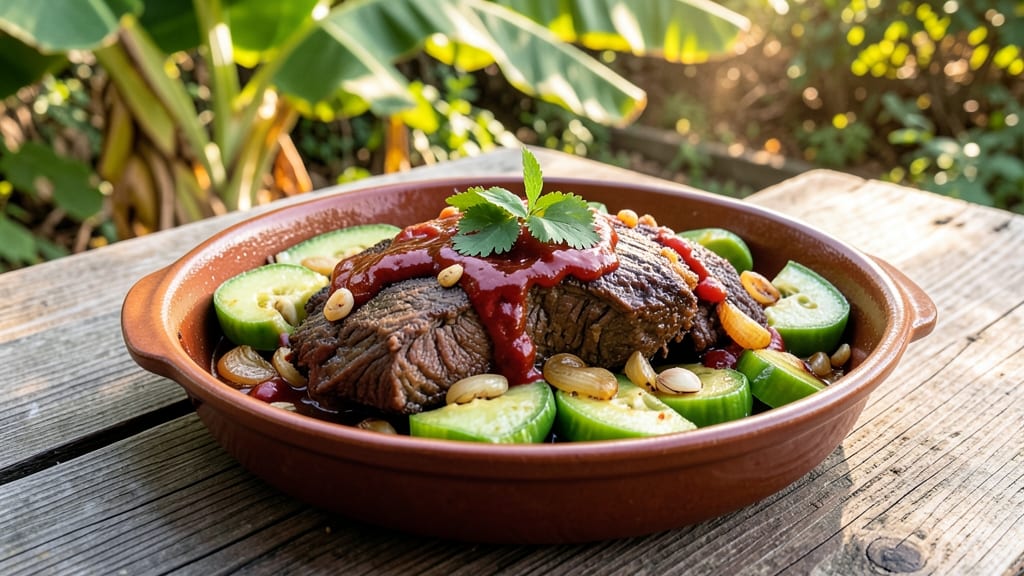
This beef ampalaya recipe delivers the perfect balance of crispy edges and silky tomato gravy, a true panlasang Pinoy masterpiece. 💛 The secret lies in searing beef until golden, then simmering it with tender bitter melon in a rich, slightly tangy sauce.
I've perfected this dish after years of testing—it's the kind of recipe that transforms simple ingredients into something restaurant-worthy at home.
The beauty of this dish comes from its technique: pan-frying the beef until deeply caramelized creates that signature crispy texture, while the ampalaya absorbs the savory tomato base.
Filipino home cooks know this dish is all about balancing flavors—sweet from tomatoes, tangy from vinegar, and umami from shrimp paste (bagoong). The result? A hearty, comforting meal that pairs perfectly with steamed rice.
What makes this recipe special is how it captures the essence of panlasang Pinoy—where every bite delivers layers of flavor without being overly complicated. The beef stays tender, the ampalaya melts just enough to be palatable, and the sauce clings to every forkful.
It's the kind of dish that feels like a hug in a bowl, especially on busy weeknights when you crave something familiar but still impressive.
Serve it with a side of atchara (pickled papaya) for extra tang and a sprinkle of fried garlic for aroma. The contrast of textures and flavors makes this dish unforgettable. Here's how to bring it to your table—step by step, just like lola used to make it.
Ingredients for beef ampalaya recipe panlasang pinoy
Transform simple ingredients into a restaurant-worthy Filipino masterpiece with crispy beef and silky ampalaya sauce.
| Ingredient | Amount | Notes |
|---|---|---|
| Beef Chuck Roast 🥩 | 1 ½ lb | Cut into 1-inch cubes, trimmed of fat |
| Bitter Melon (Ampalaya) 🍆 | 1 whole | Medium-sized, peeled and sliced thin |
| San Marzano Crushed Tomatoes 🍅 | 28 oz | High-quality can, no salt added |
| Shrimp Paste (Bagoong) 🦐 | 2 tbsp | Shrimp paste, not fish sauce |
| Onion 🧅 | 1 whole | Yellow, finely chopped |
| Garlic Cloves 🧄 | 6 cloves | Minced for aroma |
| Coconut Milk 🥥 | 13 ½ oz | Full-fat canned coconut milk |
| Cane Vinegar 🍶 | 2 tbsp | For tangy balance |
| Soy Sauce 🍶 | 2 tbsp | Dark soy sauce preferred |
| Olive Oil 🫒 | 2 tbsp | For pan-frying beef |
| Salt 🧂 | 1 tsp | Diamond Crystal preferred |
| Black Pepper 🌶️ | ½ tsp | Freshly ground |
| Sugar 🍚 | 1 tbsp | White granulated |
| Green Onions 🌱 | 2 whole | Sliced for garnish |
The beef is non-negotiable here—chuck roast delivers that signature crispy edge when seared properly. Most grocery stores carry it pre-cut, but if buying whole, ask the butcher to cube it for you. For ampalaya, Asian markets often have the freshest selection, though many supermarkets stock it year-round. Look for bitter melons with firm skin and minimal blemishes—the younger, the better. San Marzano tomatoes are worth the splurge for their sweet, rich flavor, especially when paired with the umami depth of shrimp paste—this is the secret to that authentic Filipino flavor profile.
No shrimp paste? Fish sauce at half the amount works in a pinch, though purists will notice the difference. Running out of coconut milk? Heavy cream thinned with water mimics the richness, though the texture won't be identical. The cane vinegar adds that signature tang—substitute with white vinegar if needed, but reduce the amount by one-third as it's more acidic. For the ampalaya, if you can't find fresh bitter melon, zucchini or eggplant can stand in, though the flavor won't be the same. The key is balancing sweet, sour, and umami—adjust the sugar and vinegar to taste as you go.
The beef can be prepped ahead—sear it and set aside until ready to simmer. Ampalaya releases bitterness when cooked, so blanch it first in boiling water for 2 minutes to mellow the flavor. Store leftovers in an airtight container in the fridge for 3-4 days—the flavors actually improve overnight as everything melds together. For freezing, portion into containers with some sauce to prevent drying. This dish reheats beautifully—just add a splash of water or coconut milk to loosen the sauce.
Why You'll Love This Recipe
- One-Pot Magic: I swear by this recipe—just chop the beef, slice the ampalaya, and toss it all in one pot. The shrimp paste (bagoong) and tomatoes do the heavy lifting while you sip your coffee.
- Umami Bomb: That first bite? The beef’s rich, slow-simmered depth paired with the sharp crunch of bitter melon—it’s like a flavor explosion. The San Marzano tomatoes add just the right tang to balance everything.
- Leftover Gold: This dish actually gets better the next day. The flavors meld into something deeper, and reheating it is a breeze. I make a big batch on Sundays and have hearty lunches all week.
- Budget Feast: Beef chuck roast stretches far, and bitter melon is cheaper than you think. Between us, this recipe feeds four for under $15—without skimping on taste. My wallet thanks me every time.
Step-by-step instructions for beef ampalaya with crispy edges
Transform tough beef into tender, caramelized cubes paired with silky tomato gravy and tender bitter melon.
🔥 Step 1: Pan-Fry Beef Until Deeply Browned
Heat the 2 tablespoons olive oil in a heavy-bottomed pot over medium-high heat until shimmering. Add the 1.5 lb beef chuck roast cut into 1-inch cubes and cook undisturbed for 3-4 minutes per side until deeply browned and slightly crispy.
Here's the thing—resist the urge to stir too soon. You want that Maillard reaction working its magic, creating those rich, caramelized flavors. Once the beef develops a golden crust, stir occasionally for another 2-3 minutes until the edges are uniformly browned. Remove the beef and set aside temporarily—it'll continue cooking in the sauce later.
🍳 Step 2: Build the Flavor Base with Aromatics
In the same pot, reduce heat to medium and add the 2 tablespoons shrimp paste (bagoong). Stir constantly for 30 seconds until fragrant—this is where the dish gets its signature umami depth. Immediately add the 1 whole finely chopped onion and cook for 3-4 minutes until softened and translucent.
Next, add the 6 cloves minced garlic and cook for just 30 seconds—garlic burns quickly, and you want it to perfume the sauce without turning bitter. Stir in the 28 oz San Marzano crushed tomatoes, scraping up any browned bits from the bottom of the pot. This step captures all the flavor you've built so far.
🥘 Step 3: Simmer the Tomato Gravy
Return the beef to the pot and pour in the 13.5 oz coconut milk. Stir well to combine, then add the 2 tablespoons cane vinegar, 2 tablespoons soy sauce, 1 tablespoon sugar, 1 teaspoon salt, and 0.5 teaspoon black pepper. Bring to a gentle simmer over medium-low heat and cook uncovered for 45-50 minutes.
Here's where patience pays off—the beef needs time to become fork-tender while the sauce develops its signature silky texture. Stir occasionally, especially in the first 20 minutes, to prevent the sauce from sticking. You'll know it's ready when the beef easily pulls apart with a fork and the sauce coats the back of a spoon smoothly.
👨🍳 Step 4: Incorporate the Bitter Melon
While the beef cooks, prepare the 1 whole bitter melon (ampalaya) by peeling and slicing it thinly into ¼-inch strips. When the beef is nearly tender, add the bitter melon to the pot and simmer gently for 5-7 minutes until just tender but still slightly crisp—you don't want it to turn mushy.
The bitter melon should retain some bite to balance the rich beef and creamy sauce. Taste and adjust seasoning if needed, adding a pinch more salt or a splash of vinegar for brightness. The melon will absorb some of the sauce, so keep an eye on the consistency—if it becomes too thick, add 2-3 tablespoons water to loosen it.
🍽️ Step 5: Finish and Garnish
Once everything is tender and the sauce has thickened to your liking, remove the pot from heat. Let it rest for 5 minutes to allow the flavors to meld. Garnish with the 2 whole sliced green onions just before serving to add a fresh, bright contrast to the rich dish.
Serve immediately with steamed jasmine rice to soak up every last bit of that silky tomato gravy. The contrast of crispy beef edges, tender melon, and velvety sauce makes this dish truly special. Each bite delivers layers of umami from the shrimp paste, sweetness from the tomatoes, and that perfect balance of tangy and savory flavors.
Pro Tips For Making Beef Ampalaya Recipe Panlasang Pinoy
- Sear the Beef First: DESCRIPTION: Don’t skip browning the beef—cut it into 1.5-inch chunks, heat your pan until it’s smoking, and sear each piece for 2-3 minutes until deep golden. I used to rush this, and the stew always tasted flat until I realized the Maillard reaction is non-negotiable here. The crust locks in flavor when it braises later.
- Deseed the Ampalaya: DESCRIPTION: Bitter melon’s seeds are painfully bitter—rinse the whole fruit, then slice lengthwise and scoop out seeds with a spoon before dicing. I learned this the hard way after serving a batch where someone dramatically spat theirs out. Trust me, the effort saves your dish.
- Simmer, Don’t Boil: DESCRIPTION: Once the beef and veggies are in the pot, keep the heat low enough that you barely see bubbles—just a gentle shimmer. Boiling toughens the beef and turns the ampalaya to mush. My grandmother swore by this, and she was right: patience here makes the difference between "meh" and "wow."
- Toast the Shrimp Paste: DESCRIPTION: Bloom the bagoong in oil for 30 seconds until it’s fragrant and just starting to color—don’t let it burn. This step amplifies its umami punch without bitterness. I was skeptical until I tried it; now I can’t imagine skipping it. (Yes, even if you’re impatient like me.)
Troubleshooting perfect results
Beef Too Tough
If your beef comes out tough instead of tender, it likely didn’t cook long enough in the sauce. The key is patience—simmer the beef for the full 45-50 minutes until it easily pulls apart with a fork.
I’ve found that using chuck roast works best because it has the right fat content to stay juicy. If you’re short on time, try adding ½ cup beef broth after the initial 30 minutes to help tenderize the meat further. 💡
Sauce Too Thin
A runny sauce usually means the coconut milk wasn’t reduced enough. After adding the coconut milk, simmer uncovered for 10-15 minutes longer to thicken it naturally.
If it’s still too thin, mix 1 tablespoon cornstarch with 1 tablespoon cold water, stir it into the sauce, and simmer for another 2-3 minutes until it reaches your desired consistency. Avoid over-simmering the ampalaya, as it can make the sauce watery.
Ampalaya Too Bitter
Fresh bitter melon can be overwhelmingly bitter, but blanching it first helps. Drop the sliced ampalaya into boiling water for 2 minutes before adding it to the sauce. This mellows the bitterness while keeping it slightly crisp.
If it’s still too bitter, balance it with more sugar (½ teaspoon at a time) or a splash of vinegar (1 teaspoon) to cut through the flavor. 🌶️
Burnt Shrimp Paste
Shrimp paste burns quickly, so stir it constantly for only 30 seconds after adding it to the pot. If it darkens too much, immediately add the onions and garlic to cool it down. To prevent this, keep the heat at medium and avoid letting it sit too long.
If you accidentally burn it, don’t panic—just proceed with the recipe, as the flavors will still integrate, though the aroma will be less pronounced.
Sauce Too Salty
If the sauce tastes too salty, dilute it with a splash of water (¼ cup) or coconut milk (2 tablespoons) to balance the flavor. If you used too much soy sauce or shrimp paste, add a pinch of sugar (¼ teaspoon) to offset the saltiness.
Taste as you go—Filipino dishes often rely on balancing flavors, so don’t be afraid to adjust gradually. 💛
Nutrition facts
Frequently asked questions
Can I substitute bitter melon (ampalaya) with another vegetable?
Yes, but expect different flavors! For a milder taste, try zucchini or eggplant (slice thin and blanch first). If you want to stay closer to the original, taro root or green papaya work well. Remember, ampalaya's unique bitterness balances the richness—so adjust the sugar or vinegar if using substitutes.
Why does my beef ampalaya taste bland?
Most likely, your shrimp paste (bagoong) didn't cook long enough or you skipped the browning step. The key is searing the beef until deeply browned (that's where the flavor comes from!) and letting the shrimp paste bloom for 30 full seconds without burning. If it's still bland, add a pinch of fish sauce or extra soy sauce at the end.
How do I make this dish spicier?
Filipino dishes often balance heat with sweetness—try adding 1-2 teaspoons of chopped chili peppers when sautéing the aromatics, or stir in ½ teaspoon of ground black pepper at the end. For extra kick, sprinkle with fried chili flakes before serving. If you love heat, add 1 tablespoon of siling labuyo (bird's eye chili) with the shrimp paste.
Can I prepare this recipe ahead of time?
This dish actually tastes better the next day as flavors meld. Cook the beef and sauce completely, then refrigerate in an airtight container. Reheat gently on the stove with 2 tablespoons of water or coconut milk to restore the sauce's consistency. The beef will stay tender if reheated slowly—never microwave from frozen.
What's the best way to serve beef ampalaya?
Serve it with steamed jasmine rice to soak up the rich sauce, plus these classic pairings: Atchara (pickled papaya) for tangy contrast, garlic fried rice on the side, or a simple slaw with vinegar dressing. Garnish with fried garlic or green onions just before serving for freshness.