
Main Courses
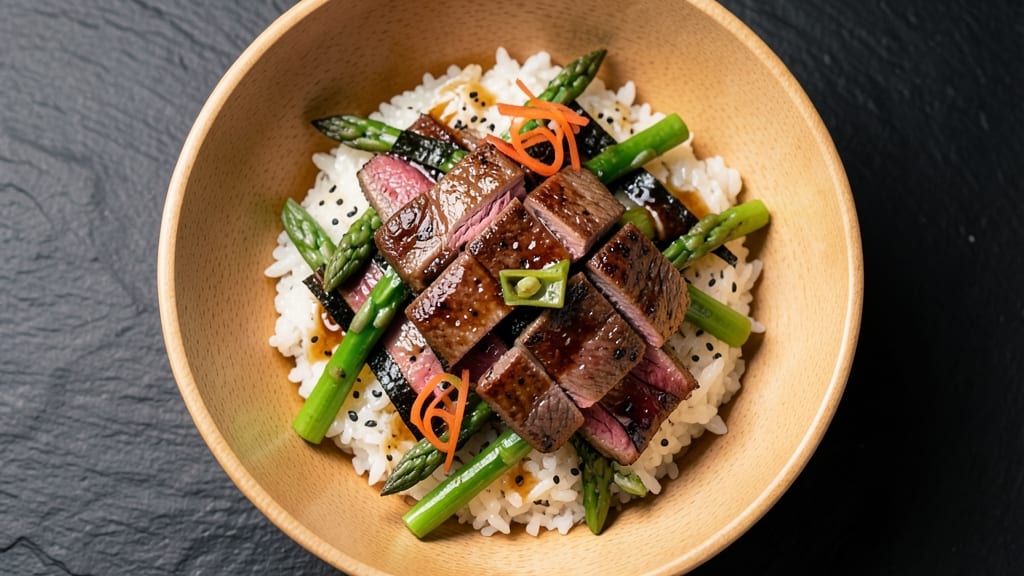
This beef and asparagus negimaki recipe delivers restaurant-quality sushi rolls with crispy edges and perfectly balanced sweet-savory flavors—no sushi mat required. The secret lies in thinly sliced beef and tender asparagus wrapped in nori and rice, then seared to golden perfection in a hot pan.
I developed this technique after years of experimenting with homemade sushi, and it consistently delivers results that impress even the most skeptical sushi lovers.
The beauty of negimaki is their simplicity: just four core components—beef, asparagus, rice, and nori—come together in a way that feels both elegant and approachable. We'll marinate the beef in a subtle soy-ginger mixture to enhance its natural flavor without overpowering the delicate asparagus.
The key technique is pan-searing the rolls to achieve that coveted crispy exterior while keeping the interior tender and flavorful.
What you'll end up with is a dish that balances umami from the beef, freshness from the asparagus, and a satisfying crunch from the seared edges. Each bite delivers a perfect harmony of textures and flavors—tender beef, crisp asparagus, fluffy rice, and a hint of nori's oceanic aroma.
This recipe transforms a simple concept into something truly special without requiring advanced skills.
Serve your negimaki with steamed rice on the side, a drizzle of soy sauce, and a sprinkle of sesame seeds for extra depth. The dish also pairs beautifully with miso soup or a simple green salad to create a complete Japanese-inspired meal.
Let's get started on creating these impressive yet accessible sushi rolls at home.
Ingredients for beef and asparagus negimaki
Four core components transform into restaurant-quality negimaki with crispy edges and balanced sweet-savory harmony.
| Ingredient | Amount | Notes |
|---|---|---|
| Ribeye Steak 🥩 | 1 lb | Thinly sliced against grain |
| Fresh Asparagus 🌱 | 1 lb | Tough ends trimmed, cut into 3-inch pieces |
| Short-Grain Sushi Rice 🍚 | 2 cups | Uncooked, Japanese style preferred |
| Nori Sheets 🍣 | 4 whole | High-quality, slightly toasted |
| Soy Sauce 🥢 | ¼ cup | Kosher-style for marinade |
| Fresh Ginger 🧄 | 1 tbsp | Finely grated, aromatic |
| Sesame Oil 🫒 | 1 tbsp | Toasted for aroma |
| Rice Vinegar 💧 | 2 tbsp | Seasoned preferred |
| Sugar 🍚 | 1 tbsp | Granulated, for rice seasoning |
| Vegetable Oil 🫒 | 2 tbsp | High smoke point for searing |
| White Sesame Seeds 🌾 | 1 tbsp | Toasted lightly for garnish |
| Wasabi 🌶️ | 1 tsp | Freshly grated, optional |
| Salt 🧂 | ½ tsp | Kosher, for rice seasoning |
| Mirin 🍶 | 1 tbsp | Sweet cooking wine |
The ribeye selection is critical for this recipe—look for well-marbled cuts from the butcher section. Costco or high-end grocery stores often carry premium ribeye that slices beautifully. Trim any excess fat but leave the marbling intact for flavor. For asparagus, freshness is non-negotiable—bright green stalks with tightly closed tips ensure optimal tenderness. The nori sheets should be vibrant green with minimal cracks; Marukyu brand is my go-to for consistent quality. When selecting sushi rice, Koshihikari or Calrose varieties are ideal—they hold shape perfectly when rolled. If you can't find them, Japanese short-grain rice will work as a substitute.
No ribeye available? Sirloin or filet mignon will work, but trim all visible fat to prevent excess grease during searing. For asparagus, frozen works in a pinch but thaw and pat completely dry before using. Substituting nori? Seaweed sheets from the Asian market are your best bet, though they may require slightly longer cooking times. The rice seasoning blend is non-negotiable—skip the pre-mixed packets and make your own with rice vinegar, sugar, and salt for authentic flavor. For the marinade, low-sodium soy sauce prevents over-salting the beef. If you can't find mirin, dry sherry with 1 tsp sugar makes a suitable substitute.
Store uncooked rice in an airtight container in the fridge for up to 5 days or freeze for 3 months. Nori sheets should be kept in a cool, dry place—they lose potency when exposed to moisture. The beef marinade can be refrigerated for 24 hours but works best when used immediately. Once assembled, negimaki can be refrigerated for 4 hours before searing—this allows flavors to meld. For make-ahead convenience, prepare components separately and assemble just before cooking. The crispy edges develop best when seared immediately after rolling, so plan for fresh prep when possible.
Why You'll Love This Recipe
- No Rice Fuss: I’ll admit—sushi rice used to intimidate me. But this method? Just cook it, cool it, and mix in a splash of soy sauce. The rice stays fluffy, and honestly, the ribeye and asparagus steal the show anyway.
- Umami Bomb Combo: That ribeye, seared just right with a whisper of soy, paired with tender asparagus? It’s like a flavor hug. The nori adds a salty crunch that makes every bite feel special—no fancy sauce needed.
- Lunchbox Hero: Between us, these roll-ups are my go-to for packed lunches. They hold together like a dream, and the asparagus stays crisp even after a day. My coworkers think I’m a sushi chef now—no one’s asking for the recipe.
- Budget-Friendly Luxury: Ribeye might sound fancy, but a single steak feeds four, and the rest of the ingredients cost pennies. Leftovers? Reheat gently, and they taste just as good the next day. Fancy dinner without the fancy price tag.
Step-by-step instructions for beef and asparagus negimaki rolls
Master these precise techniques for perfectly crispy edges and harmonious sweet-savory balance.
Prepare the Beef and Asparagus Filling
Begin by slicing the 1 lb ribeye steak against the grain into thin strips, about ¼-inch thick. Pat them dry with paper towels to remove excess moisture, which ensures better searing. In a small bowl, whisk together the 0.25 cup soy sauce, 1 tbsp mirin, and 1 tbsp sesame oil. Add the sliced beef and marinate for 15 minutes at room temperature.
While the beef marinates, trim the tough ends from the 1 lb fresh asparagus and cut into 3-inch pieces. Blanch the asparagus in boiling water for 1 minute, then immediately transfer to an ice bath to halt cooking. Drain and pat dry thoroughly. The asparagus should retain its vibrant green color and crisp texture—this preparation prevents a mushy filling.
Cook the Beef and Asparagus
Heat a large skillet over medium-high heat and add 2 tbsp vegetable oil. Once shimmering, add the marinated beef in a single layer. Sear undisturbed for 1-2 minutes until the edges develop a deep golden brown crust. Flip and cook another 1-2 minutes until just cooked through—overcooking will make the beef tough. Remove and set aside.
In the same skillet, add the blanched asparagus and cook for 2-3 minutes until lightly charred. The asparagus should maintain its bright green color with just a hint of caramelization. Transfer to a plate and combine with the cooked beef. Sprinkle with 1 tsp wasabi and toss gently to distribute. The wasabi adds a subtle kick that balances the sweetness of the rice.
Prepare the Sushi Rice
Rinse the 2 cups short-grain sushi rice under cold water until the water runs clear. This removes excess starch, preventing gummy rice. Combine the rice with 2 cups water in a rice cooker and cook according to manufacturer instructions. Once done, transfer to a bowl and gently fold in 2 tbsp rice vinegar, 1 tbsp sugar, and 0.5 tsp salt. Mix thoroughly but avoid mashing the grains.
Spread the seasoned rice evenly on a bamboo sushi mat lined with plastic wrap. Press firmly to create a ¼-inch thick layer. The rice should be slightly sticky but not wet—this ensures the rolls hold together without falling apart. Work quickly to prevent the rice from drying out.
Assemble the Negimaki Rolls
Place a whole nori sheet shiny-side down on the sushi mat. Spread a ¼-inch thick layer of the seasoned rice evenly over the nori, leaving a ½-inch border at the top. Arrange the beef and asparagus mixture in a 2-inch wide strip along the bottom of the rice, about 1 inch from the edge.
Using the bamboo mat, carefully roll the nori tightly over the filling, applying gentle but firm pressure. Seal the edge with a dab of water to ensure it sticks. Repeat with remaining nori sheets and filling. The rolls should be 2-3 inches in diameter—thick enough to hold their shape but not so large they become unwieldy.
Sear and Serve for Crispy Edges
Heat a clean skillet over medium heat and add 1 tbsp vegetable oil. Once hot, add the negimaki rolls seam-side down and press gently with a spatula to ensure even contact. Sear for 1-2 minutes per side until the nori develops golden brown crispy edges and the rice underneath becomes slightly toasted. This step is critical for achieving that signature crispy texture.
Slice each roll diagonally into ½-inch thick pieces. Garnish with 1 tbsp toasted white sesame seeds and serve immediately with additional soy sauce or wasabi on the side. The contrast of crispy nori, tender beef, sweet rice, and fresh asparagus creates a perfect balance of textures and flavors in every bite.
Pro Tips For Making Beef And Asparagus Negimaki
- SEAR THE RIBEYE HOT: Cut the ribeye into thin strips first, then sear them in a screaming-hot pan with just a drizzle of oil—no crowding. I learned this the hard way: trying to cook thick strips in batches ruins the crust, and you end up with uneven doneness. High heat for 30 seconds per side, then finish in the broiler if needed.
- TRIM ASPARAGUS STRAIGHT: Snap the asparagus spears at a natural break, then blanch them for exactly 1 minute in boiling water before shocking in ice. Overcooking turns them mushy; undercooking leaves them bitter. This keeps them crisp enough to hold their shape when rolled.
- SALT THE RICE WELL: Use 3 tablespoons of salt per 4 cups of water when cooking the sushi rice—yes, that’s more than you’d think. My grandmother swore by this, and she was right: the rice stays distinct and clings better when rolled, so your negimaki won’t fall apart.
- WRAP TIGHT WITH WET HANDS: Dampen your hands before rolling to prevent sticking—it’s the thing that matters most. I was skeptical until I tried it: the rice and nori slide together like butter, and the seams stay sealed. No more unraveling when you cut into them.
Flavor customization for beef and asparagus negimaki
Sweet-Savory Balance
Adjust the marinade to control sweetness levels. For a more pronounced sweetness, add 1 extra teaspoon of sugar to the soy sauce mixture.
If you prefer a tangier profile, replace 1 tbsp mirin with 1 tbsp rice vinegar—this creates a bright, acidic contrast that cuts through the richness of the beef. 🌶️
Spicy Kick Variations
Add heat with ½ tsp red pepper flakes to the beef marinade for a subtle warmth. For a bolder kick, mix 1 tsp gochujang (Korean chili paste) into the rice seasoning.
This adds a deep, fermented heat that pairs beautifully with the umami of the beef. I love this variation for spicy sushi lovers!
Umami Boost Options
Enhance depth with 1 tsp fish sauce in the beef marinade—it amplifies the meat's natural savoriness. Alternatively, add 1 tbsp dashi powder to the rice seasoning for a classic Japanese umami boost. Both options elevate the dish without overpowering the delicate asparagus.
Herbaceous Twist
Brighten the filling with 1 tbsp finely chopped shiso leaves or cilantro mixed into the beef-asparagus combination. The fresh, slightly minty notes complement the crispy edges beautifully. Shiso is traditional in Japanese cuisine, while cilantro adds a fresh, zesty contrast.
Crispy Edge Enhancements
For extra-crispy nori, brush the rolls with ½ tbsp melted butter before searing. The butter adds richness and helps create a caramelized crust. Another trick? Spritz the rolls lightly with sesame oil right before the final sear—this intensifies the nutty aroma and enhances crispiness.
Vegetarian Adaptation
Swap beef for shiitake mushrooms or tofu marinated in the same soy-ginger mixture. For mushrooms, use 8 oz sliced shiitake sautéed until tender. For tofu, press and cube 1 block firm tofu, then marinate for 20 minutes before cooking. The texture remains satisfying while keeping the dish vegetarian-friendly.
Nutrition facts
Frequently asked questions about beef and asparagus negimaki
Can I make negimaki without a bamboo sushi mat?
Use a clean kitchen towel or plastic wrap instead. Lay the nori on the towel/plastic, spread the rice, add filling, then roll tightly using the towel to compress. The plastic wrap prevents sticking, while the towel mimics the mat's texture. Just be extra careful with sealing the edge—water works best here!
Why is my nori tearing when I roll?
This usually happens when the rice is too wet or the nori isn't fresh. Make sure your rice is slightly sticky but not wet—it should hold shape when pressed. Use high-quality nori sheets (like Marukyu brand) and keep them in a cool, dry place. If tearing persists, try rolling with the nori shiny-side up temporarily for better grip.
How do I prevent the beef from drying out?
Slice the beef against the grain for maximum tenderness, and marinate for only 15 minutes at room temperature. When searing, cook just until 145°F internal temp (medium-rare) and remove immediately. The residual heat will carry it to perfect doneness. For extra moisture, add 1 tsp honey to the marinade.
Can I prepare negimaki ahead of time?
You can assemble the rolls up to 4 hours ahead and refrigerate them (uncooked). Sear immediately before serving for best texture. For the filling, cook the beef and asparagus separately and refrigerate in airtight containers for 2 days. Reheat gently before assembling—never microwave directly from frozen.
What's the best way to serve negimaki?
Slice diagonally into ½-inch pieces for elegant presentation. Serve with steamed rice on the side, a small bowl of soy sauce, and pickled ginger for cleansing between bites. For a complete meal, add miso soup and a simple cucumber salad with sesame dressing.