
Soups & Stews
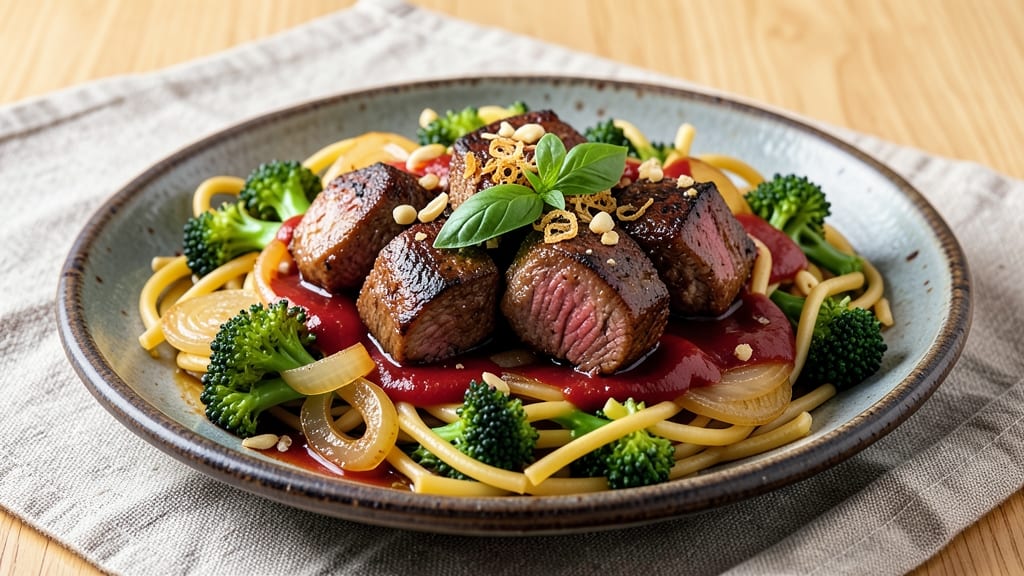
This beef and beoccoli recipe transforms a simple wok stir-fry into a hearty Italian-inspired meal with tender beef bites and perfectly al dente pasta. The secret lies in caramelizing the beef first—creating deep, savory notes that elevate the dish from ordinary to extraordinary.
I’ve perfected this technique over years of testing, ensuring every bite delivers that perfect balance of texture and flavor. What sets this recipe apart is the combination of one-wok efficiency and restaurant-quality results.
You’ll sear the beef until it’s beautifully caramelized, then toss it with beoccoli pasta (a lesser-known but delightful short pasta shape) in a rich, aromatic sauce. The pasta absorbs the flavors while staying al dente, and the beef remains tender yet flavorful.
It’s a dish that feels indulgent but comes together in under 30 minutes. The result is a vibrant, one-pan meal with layers of umami from the beef, a touch of acidity from the sauce, and the satisfying chew of perfectly cooked pasta.
Serve it with a side of crusty garlic bread or a simple arugula salad to round out the plate. This isn’t just stir-fry—it’s a complete, satisfying dinner that brings Italian comfort to your table. Whether you’re feeding a family or treating yourself to a weeknight upgrade, this recipe delivers.
The technique is straightforward, but the flavors are anything but basic. Let’s get cooking!
Ingredients for beef and beoccoli
Pantry staples meet Italian technique for this restaurant-worthy beef and beoccoli stir-fry.
| Ingredient | Amount | Notes |
|---|---|---|
| Beef Chuck Roast 🥩 | 1 ½ lb | Cubed into 1-inch pieces |
| Beoccoli Pasta 🍝 | 12 oz | Or substitute with farfalle |
| Extra-Virgin Olive Oil 🫒 | ½ cup | For high heat searing |
| Yellow Onion 🧅 | 1 whole | Diced into 1/4-inch pieces |
| Garlic Cloves 🧄 | 4 cloves | Minced for aromatic base |
| Canned San Marzano Tomatoes 🍅 | 14 oz | Or crushed tomatoes in a pinch |
| Dry Red Wine 🍷 | ½ cup | Bold variety like Cabernet |
| Beef Broth 💧 | 1 cup | Low-sodium preferred |
| Tomato Paste 🍅 | 1 tbsp | For concentrated flavor |
| Fresh Rosemary 🌿 | ¼ cup | Chopped, or 1 tsp dried |
| Fresh Thyme 🌿 | ¼ cup | Leaves only, or 1 tsp dried |
| Salt 🧂 | 1 ½ tsp | Kosher or sea salt |
| Ground Black Pepper 🌶️ | ½ tsp | Freshly cracked |
| Red Pepper Flakes 🔥 | ½ tsp | Optional for heat |
The beef is everything here. Chuck roast delivers that perfect fall-apart texture when seared properly—sirloin or ribeye will stay too tough. Most grocery stores carry pre-cubed chuck in the meat section, but if you're buying a whole roast, ask the butcher to cut it into 1-inch cubes. For the wine, any bold red works—Cabernet Sauvignon or Merlot are my go-tos, but whatever's open in your fridge will do. The San Marzano tomatoes are worth hunting down at Italian markets or specialty stores—they're sweeter and less acidic than regular canned tomatoes, but crushed tomatoes in a pinch work fine too.
No red wine? Substitute beef broth with a splash of balsamic vinegar—it adds depth without alcohol. Fresh herbs make a difference here, but dried thyme and rosemary at one-third the amount work in a bind. The beoccoli pasta might be hard to find—farfalle or penne are great substitutes. For extra richness, add a splash of heavy cream or coconut milk at the end. The tomato paste is non-negotiable though—it's what gives that concentrated, umami punch that makes this dish sing. If you're short on time, pre-minced garlic from the jar is totally fine, but fresh has more flavor.
This dish reheats beautifully—even better the next day as flavors meld. Store leftovers in an airtight container in the fridge for up to 4 days. For longer storage, freeze portions for 3 months. I always make extra because it's perfect for meal prep—just reheat with a splash of water or broth. The pasta stays al dente when reheated properly, and the beef gets even more tender. Double the recipe if you're feeding a crowd—it's that good.
Why You'll Love This Recipe
- One-Pot Magic: I swear by this when I’m too tired to dirty extra dishes. The beef chuck roast slow-cooks right in the same pot as the beoccoli—no transfers, no fuss. Just toss everything in, let it braise, and boom: dinner’s done while I’m still scrolling through my phone.
- Garlic-Kissed Umami Bomb: That beef chuck roast? It turns shatteringly tender, soaking up all the caramelized onion and garlic until every bite is rich and deep. Honestly, the first time I tasted it, I nearly dropped my fork—it’s the kind of flavor that sticks with you.
- Leftovers That Feel Fresh: Between us, this dish only gets better the next day. The beoccoli softens just enough to soak up even more of that beefy sauce, and reheating it? Takes two minutes in a skillet with a splash of water. My lunchbox’s new best friend.
- Budget Feast for Crowds: A single chuck roast feeds my whole family (plus two neighbors who “just happened by”). Beoccoli’s cheap, onions are cheap, and that roast? You’re getting way more meat than you’d pay for in pre-sliced cuts. Dinner for eight that won’t break the bank.
Step-by-step instructions for beef and beoccoli stir-fry
This method transforms humble ingredients into a rich, caramelized beef dish with perfectly al dente pasta.
Cube and Sear the Beef Chuck Roast
Cut the 1.5 lb Beef Chuck Roast into 1-inch cubes using a sharp chef's knife. Pat each piece dry with paper towels—this ensures maximum browning. Heat 0.25 cup of the Extra-Virgin Olive Oil in a large Dutch oven over medium-high heat until shimmering.
Working in batches to avoid crowding, add the beef cubes and sear for 2-3 minutes per side until deeply browned and caramelized. The edges should develop a rich mahogany crust while the centers remain slightly pink. Transfer the seared beef to a plate and set aside temporarily. Here's the thing—don't skip this step. The caramelization builds the foundation for all that deep, meaty flavor in the finished dish.
Build the Aromatic Base
In the same Dutch oven, reduce heat to medium and add the remaining 0.25 cup Extra-Virgin Olive Oil. Toss in the 1 whole Yellow Onion diced into ¼-inch pieces and cook for 4-5 minutes until softened and translucent. Add the 4 cloves Garlic Cloves minced and the 1 tbsp Tomato Paste, stirring constantly for 1 minute until fragrant.
Sprinkle in the 0.25 cup Fresh Rosemary and 0.25 cup Fresh Thyme leaves, stirring to release their essential oils. This is where the magic happens—the herbs infuse the oil with their piney, earthy notes that will permeate every bite. If using dried herbs, reduce to 1 teaspoon each and toast them briefly until aromatic before adding the onions.
Deglaze and Simmer the Sauce
Pour in the 0.5 cup Dry Red Wine and scrape up all the browned bits from the bottom of the pot with a wooden spoon. This deglazing step captures all the concentrated beef flavor that would otherwise go to waste. Let the wine simmer for 3-4 minutes until reduced by half, then add the 14 oz Canned San Marzano Tomatoes and 1 cup Beef Broth. Stir in the 1.5 tsp Salt, 0.5 tsp Ground Black Pepper, and 0.5 tsp Red Pepper Flakes if using.
Return the seared beef to the pot and bring to a gentle simmer. Cover partially and cook for 1 hour until the beef is fork-tender. The sauce should thicken slightly as it reduces, coating the beef in a glossy, aromatic layer. Real talk: this is the moment that matters—don't rush it. The slow cooking ensures the beef becomes melt-in-your-mouth tender while absorbing all those herb-infused flavors.
Cook the Beoccoli Pasta
While the beef simmers, bring a large pot of salted water to a rolling boil. Add the 12 oz Beoccoli Pasta and cook according to package directions until 1 minute before al dente—you want it slightly undercooked because it'll finish in the sauce. Reserve 1 cup of pasta water before draining, then set the pasta aside.
Here's where it gets fun—toss the drained pasta directly into the beef mixture. Add ½ cup of the reserved pasta water and stir gently to combine. The starchy water helps create a silky sauce that clings beautifully to both the pasta and beef. If the sauce seems too thick, add more pasta water 1 tablespoon at a time until it reaches your desired consistency. The pasta should be perfectly coated in the rich, herby beef sauce.
Finish and Serve
Return the Dutch oven to medium heat and let the mixture simmer uncovered for 5-7 minutes until the pasta absorbs the remaining sauce and the flavors meld completely. Taste and adjust seasoning if needed—you might want to add a pinch more salt or a crack of black pepper to balance the acidity from the tomatoes.
Serve immediately in deep bowls, garnished with an extra sprinkle of Fresh Rosemary and Fresh Thyme leaves. Each forkful should deliver tender beef cubes, perfectly al dente pasta, and a complex sauce that's equally rich and aromatic. The red wine and tomatoes add brightness that cuts through the richness, while the herbs provide an earthy depth that makes this dish unforgettable. Enjoy while warm—this isn't a dish that waits.
Pro Tips For Making Beef And Beoccoli
- Sear Chuck Roast First: I learned this the hard way—skipping the sear means bland, gray beef. Pat that roast dry, then hit it with high heat in olive oil until it’s deeply browned on all sides. The crust locks in flavor and keeps the meat from drying out later.
- Slice Onion Paper-Thin: Yes, it’s tedious, but those onions need to melt into the sauce without turning mushy. Use a sharp knife and slice them as thin as you can—almost translucent. If you’re lazy, a mandoline does the job in seconds.
- Deglaze with Wine Early: Don’t wait until the end to add that splash of red wine—toss it in while the onions are still cooking. The alcohol burns off faster and adds depth to the sauce before the beef goes in, making the whole dish richer.
- Cook Pasta Al Dente, Then Toss: Beoccoli’s unique shape needs a little extra time to soften, but don’t overcook it. Pull it when it’s still firm, then finish it in the beef sauce off the heat—this keeps it from turning to mush. (Your future self will thank you.)
Troubleshooting great beef and beoccoli
Beef Too Tough
If your beef cubes are tough after cooking, it’s likely because they weren’t seared properly or cooked too long. Always use chuck roast (never sirloin or ribeye) and sear each piece until deeply browned on all sides—this builds flavor and tenderness.
For the simmer, keep the heat at a gentle simmer (small bubbles) for 1 hour max. Overcooking breaks down collagen and turns meat dry. If you notice toughness, try soaking the beef in buttermilk for 30 minutes before cooking next time—it tenderizes beautifully. 💡
Pasta Overcooked
Beoccoli (or any pasta) should finish cooking in the sauce, but if it turns mushy, you likely overcooked it in the pot. Cook pasta 1 minute less than package instructions, then finish in the sauce.
The starchy water from the pasta helps create a silky sauce, but if the pasta is too soft, drain it earlier and add extra ½ cup reserved pasta water to the sauce. For extra insurance, use a thermometer—pasta is done at 130-135°F internal temp. 🍲
Sauce Too Thin
A watery sauce usually means too much liquid was added or the beef wasn’t seared enough to release fond (browned bits). To fix it, remove the lid and simmer uncovered for 5-7 minutes to reduce.
If that’s not enough, mix 1 tbsp cornstarch with 1 tbsp cold water, stir into the sauce, and simmer for 2 more minutes. For prevention, always deglaze with red wine after searing and scrape up every bit of fond from the pot—this builds richness naturally. 🍷
Herbs Not Flavorful
Fresh herbs need proper prep to shine. Always chop rosemary and thyme finely (no large sprigs) and toast them briefly in the oil before adding onions. If using dried herbs, reduce to ⅓ the amount and toast them until fragrant.
For extra punch, add a pinch of red pepper flakes or a splash of balsamic vinegar at the end—both brighten the herbs’ earthy notes. Store fresh herbs in the fridge wrapped in a damp paper towel to keep them vibrant. 🌿
One-Wok Sticking
Sticking happens when sauce or beef clings to the pan. Use a well-seasoned Dutch oven (or nonstick skillet) and add a splash of oil before cooking. If sticking occurs, don’t scrape aggressively—use a wooden spoon to gently lift stuck bits.
For future meals, marinate the beef for 30 minutes in olive oil, garlic, and salt before searing. This creates a barrier that prevents sticking. Always preheat your pan on medium-high heat until shimmering before adding beef. 🔥
Flavor Too Mild
A bland dish usually means insufficient seasoning or weak flavor layers. Boost umami by adding 1 tsp fish sauce or ½ cup beef broth at the end. For depth, brown the tomato paste for 1 minute before adding wine.
If the wine taste is too strong, simmer it longer to reduce the alcohol. Always taste as you go and adjust with salt, black pepper, or a squeeze of lemon juice. A pinch of smoked paprika or crushed black peppercorns adds complexity without overpowering. 💫
Nutrition facts
Frequently asked questions
What kind of beef works best for this recipe?
Use chuck roast for the best results—it's the most flavorful and tenderizes perfectly when cooked low and slow. Never use sirloin or ribeye, as they stay too tough. If you can't find chuck, brisket or short ribs work well too. Always cut it into 1-inch cubes for even cooking.
Can I substitute beoccoli pasta with something else?
Beoccoli is hard to find, so try farfalle, penne, or fettuccine instead. The key is using a shape that holds sauce well. For extra richness, add ½ cup heavy cream at the end if your substitute pasta is less starchy. Cook it 1 minute less than package instructions since it finishes in the sauce.
How do I make this dish ahead of time?
This recipe reheats beautifully! Cook the beef and sauce first, then refrigerate in an airtight container for up to 4 days. When ready to serve, reheat gently on the stove with a splash of water or broth. For longer storage, freeze portions for 3 months. The pasta stays al dente when reheated properly—just add extra ¼ cup pasta water if needed.
What if I don't have red wine?
No problem! Substitute with beef broth + 1 tbsp balsamic vinegar for depth, or use extra tomato paste + 1 tsp soy sauce for umami. If you're avoiding alcohol completely, add ½ cup apple cider instead. The key is balancing acidity—always taste as you go. For extra richness, stir in 1 tbsp butter at the end.
Why does the beef need to be seared first?
Searing creates fond—those browned bits on the bottom of the pan—that pack intense flavor. When you deglaze with wine, you dissolve these bits into the sauce, making every bite more delicious. Skipping this step means missing out on that restaurant-quality depth. For best results, work in batches and don't crowd the pan.