
Soups & Stews
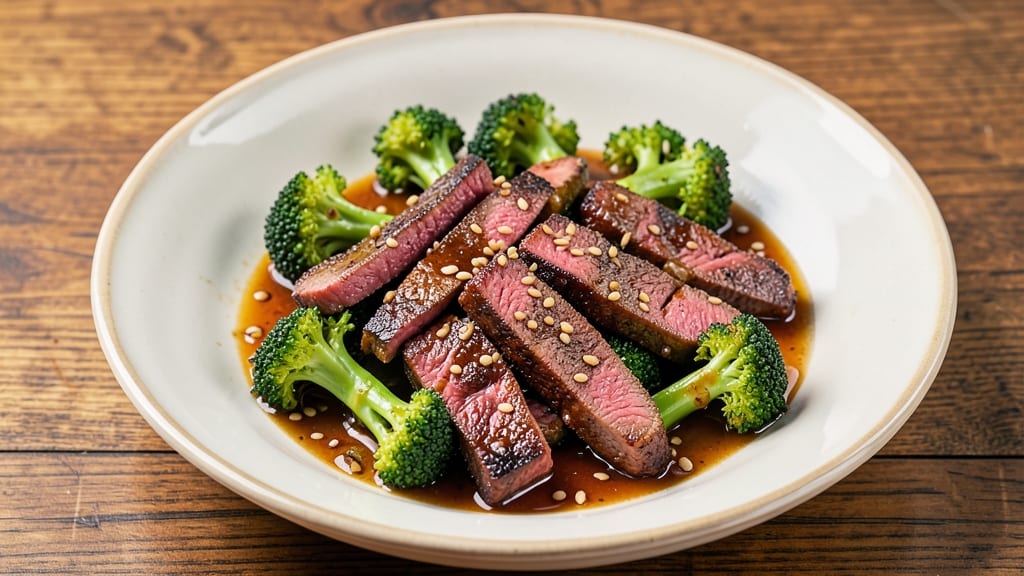
This beef and broccoli hoisin recipe delivers restaurant-quality results with a glossy, savory-sweet sauce that clings to every bite of tender beef and crisp-tender broccoli. The secret lies in proper stir-frying techniques and a balanced sauce that’s both sticky and aromatic.
I’ve perfected this dish over countless weeknight dinners—it’s quick, satisfying, and packed with umami depth that keeps everyone asking for seconds.
The process starts with high-heat searing of beef strips to lock in juices, followed by a quick blanch of broccoli to preserve its vibrant green color and crisp texture.
The hoisin sauce, sweetened with a touch of honey and balanced with soy sauce and garlic, is the star—it caramelizes slightly during cooking, creating that signature glossy finish.
This isn’t just another stir-fry; it’s a complete, cohesive meal that pairs perfectly with steamed jasmine rice or egg noodles for soaking up every last bit of sauce.
What sets this recipe apart is the harmony of textures and flavors: tender beef with a slight char, bright green broccoli that stays crisp, and a sauce that’s rich yet not overpowering.
The aroma alone—garlicky, slightly smoky, with hints of fermented soy—will have your kitchen smelling like a bustling Chinese restaurant. The best part? It comes together in under 30 minutes, making it ideal for busy weeknights when you still want something impressive.
Serve this dish family-style with extra hoisin sauce on the table for dipping, and garnish with toasted sesame seeds or sliced green onions for freshness. The leftovers reheat beautifully, too—just add a splash of water to prevent drying.
This is the kind of recipe that transforms a simple weeknight into a memorable meal without the fuss.
Ingredients for beef and broccoli hoisin
Restaurant-quality beef and broccoli relies on precise ingredients and technique for that signature glossy hoisin sauce.
| Ingredient | Amount | Notes |
|---|---|---|
| Flank Steak 🥩 | 1 lb | Thinly sliced against grain |
| Broccoli Florets 🥦 | 4 cups | Fresh, medium-sized florets |
| Hoisin Sauce 🍶 | ½ cup | Store-bought or homemade |
| Soy Sauce 🥢 | 2 tbsp | Dark soy for color, optional |
| Honey 🍯 | 1 tbsp | Pure, high-quality honey |
| Garlic Cloves 🧄 | 4 cloves | Minced, fresh preferred |
| Ginger Root 🌿 | 1 tbsp | Freshly grated, aromatic |
| Sesame Oil 🫒 | 1 tbsp | Toasted, for aroma |
| Cornstarch 🌾 | 1 tbsp | For thickening sauce |
| Neutral Oil 🫒 | 2 tbsp | Avocado or vegetable oil |
| Green Onions 🧅 | 3 whole | Sliced, for garnish |
| Toasted Sesame Seeds 🌱 | 1 tbsp | For garnish, optional |
| Salt 🧂 | 1 tsp | Kosher or sea salt |
| Black Pepper 🌶️ | ½ tsp | Freshly ground |
The flank steak is non-negotiable—its lean texture and grain direction matter. Buy from a trusted butcher or the meat department at Whole Foods for consistent quality. Thinly slice it against the grain for tenderness; a sharp knife and steady hand are key. Fresh broccoli with vibrant green florets (no yellowing) ensures crisp texture. For hoisin sauce, Lee Kum Kee is the gold standard, but homemade blends work beautifully with soy sauce, garlic, and a touch of sugar. The garlic and ginger should be freshly minced—pre-minced loses potency fast.
No dark soy sauce? Regular soy sauce plus a splash of molasses mimics the color depth. Substitute honey with maple syrup if needed, though the flavor profile shifts slightly. For extra umami, add 1 tsp fish sauce (ensure it’s vegetarian if required). The cornstarch is critical for thickening—Diamond Crystal brand absorbs more liquid than others, so adjust accordingly. If sesame oil is unavailable, toasted peanut oil adds a similar nutty aroma. Garnish with green onions and sesame seeds for freshness and crunch—skip the seeds if you’re avoiding allergens.
Prep the beef and broccoli just before cooking to maintain texture. Store leftover sauce in an airtight container for up to 1 week in the fridge or 3 months frozen. Reheat gently with a splash of water to restore glossiness. For optimal flavor, serve over steamed jasmine rice—the grains soak up the sauce perfectly. Double the sauce recipe if feeding a crowd; it reheats beautifully and adds depth to other dishes like noodles or dumplings.
Why You'll Love This Recipe
- One-Pan Magic: I swear by this for lazy nights—just sear the steak, toss in the broccoli, and let the hoisin and soy sauce work their sauce magic. No dirty dishes, no stress, just flavor.
- Sweet-Savory Balance: That sticky-sweet hoisin with a hit of honey? It’s the kind of sauce that makes you want to lick the plate. The flank steak stays juicy while the broccoli gets that perfect crisp-tender bite.
- Meal Prep MVP: Double the batch and store it for up to four days—reheat it in minutes for lunch or a quick dinner. Honestly, my go-to for busy weeks when I need something reliable but still feels special.
- Budget-Friendly Luxury: Flank steak stretches further than you’d think when sliced thin, and broccoli is always affordable. The hoisin adds restaurant-quality depth without breaking the bank—this is comfort food that won’t drain your wallet.
Step-by-step instructions for beef and broccoli hoisin
Master this wok technique for a restaurant-worthy dish where every bite delivers tender beef and crisp broccoli enveloped in glossy hoisin sauce.
Prep the Beef and Broccoli
Slice the 1 lb flank steak thinly against the grain into ¼-inch thick strips. This ensures tender bites that cook quickly. Pat the beef dry with paper towels—removing moisture helps achieve that perfect sear. In a large bowl, toss the 4 cups broccoli florets with 1 tbsp neutral oil, ½ tsp salt, and ¼ tsp black pepper to prevent bitterness and add subtle seasoning.
While prepping, mince the 4 cloves garlic and grate the 1 tbsp ginger root using a microplane. Fresh ginger adds bright, aromatic depth that jarred ginger can't match. Set these aside—they'll form the flavor base for the sauce. Real talk: don't skip the prep. Fresh aromatics make all the difference in this dish.
Sear the Beef to Perfection
Heat a 14-inch wok or large skillet over high heat until it's screaming hot—you should see a faint smoke haze when you toss in a drop of oil. Add the 2 tbsp neutral oil and swirl to coat. Working in batches (don't overcrowd), add the beef strips and sear for 1-2 minutes per side until deep brown and just cooked through. The beef should be tender but still slightly firm—it'll finish cooking in the sauce.
Transfer the seared beef to a plate and set aside. If the pan isn't hot enough, the beef will steam instead of sear. I press down gently on the strips during the first minute—this prevents curling and ensures even contact with the pan. Don't walk away. Beef burns in seconds when left unattended.
Stir-Fry the Broccoli
In the same wok, add the prepared broccoli in a single layer. Stir-fry for 2-3 minutes over high heat until the florets turn bright green and develop a slight blister on the edges. You want them crisp-tender with a satisfying bite—not mushy. Add the minced garlic and grated ginger, stirring for 30 seconds until fragrant. This quick cooking preserves their vibrant color and crisp texture.
Push the broccoli to one side of the wok and add 1 tbsp sesame oil, letting it sizzle for 10 seconds before combining with the vegetables. The sesame oil adds nutty aroma that permeates the dish. If your wok isn't hot enough, the broccoli will turn gray and lose its appeal. This is the moment that matters.
Build the Glossy Hoisin Sauce
Return the beef to the wok. In a small bowl, whisk together the 0.5 cup hoisin sauce, 2 tbsp soy sauce, 1 tbsp honey, 1 tbsp cornstarch, and ¼ tsp black pepper. Pour this mixture into the wok and stir vigorously for 1-2 minutes until the sauce thickens and coats the beef and broccoli. The sauce should cling like silk—if it's too thin, add 1-2 tablespoons water to adjust consistency.
Cook for another 30 seconds until the sauce achieves a glossy sheen. The cornstarch acts as a natural thickener, creating that signature sticky texture. Taste and adjust seasoning—you might need a touch more soy sauce for saltiness or honey for sweetness. This is where the dish comes together into something truly special.
Finish and Garnish
Remove from heat and stir in the 3 sliced green onions. Garnish with 1 tbsp toasted sesame seeds and serve immediately over steamed rice. The sesame seeds add crunchy contrast, while the green onions provide fresh brightness. Each bite should deliver perfectly seared beef, crisp broccoli, and that irresistible glossy sauce clinging to every strand.
Don't skip the garnish—it elevates the presentation and adds layers of texture. The dish tastes best served immediately while the sauce remains glossy and vibrant. If you have leftovers, store them separately and reheat gently to preserve the sauce's consistency. This technique delivers restaurant-quality results at home every time.
Pro Tips For Making Beef And Broccoli Hoisin
- Slice Against the Grain: Flank steak’s tough fibers run long—cutting them short makes every bite tender. I learned this the hard way after serving up chewy strips that needed a fork. Angle your knife at 45 degrees and slice after resting, not before.
- Blanch Broccoli First: Toss florets in boiling water for 30 seconds, then ice bath. This keeps them bright green and prevents soggy, mushy stems in the stir-fry. (Yes, even if you’re impatient like me—trust the process.)
- Use Two Stages for Heat: Start flank steak in a screaming-hot wok until deeply browned, then drop the heat to medium-low for hoisin sauce. High heat sears; low heat lets the sauce cling instead of burning. I used to rush this and ended up with bitter, sticky messes.
- Balance the Sweet-Salty: Hoisin’s already rich, but flank steak needs contrast. Add 1 teaspoon rice vinegar per tablespoon of hoisin and a pinch of five-spice powder. It cuts the cloying sweetness and adds depth—my grandmother swore by this, and she was right.
Storing and reheating your leftovers
Refrigerator Storage
Store leftovers in an airtight container for up to 4 days—the sauce will thicken slightly but remains delicious. I separate the beef and broccoli from the sauce to prevent sogginess, keeping them in one container and the sauce in another.
Place containers in the fridge within 2 hours of cooking to maintain freshness. The hoisin sauce can be stored separately for up to 1 week in a sealed jar. 🥫
Freezer Storage
For longer storage, freeze components separately. The beef and broccoli freeze well for 2 months in a single layer before stacking—this prevents freezer burn. Use quart-sized freezer bags with excess air squeezed out.
The hoisin sauce freezes beautifully for 3 months in ice cube trays for portion control. Label everything with dates to track freshness. Thaw overnight in the fridge before reheating. ❄️
Stovetop Reheating
My preferred method is reheating on the stovetop to preserve the sauce's glossiness. Add 1-2 tablespoons water or beef broth to the wok, then return the beef and broccoli over medium heat. Cook for 3-4 minutes, stirring occasionally, until everything is heated through.
Add the hoisin sauce back in the last minute to restore its shine. Taste and adjust seasoning—it often needs a pinch of salt after reheating. 🔥
Microwave Reheating
For quick reheating, cover the beef and broccoli with a damp paper towel and microwave on high for 1-2 minutes. Stir halfway through to distribute heat evenly. Add the hoisin sauce separately and microwave for 30 seconds to warm through.
The sauce may lose some glossiness, but it still tastes amazing. Avoid microwaving in airtight containers—steam buildup can make the dish soggy. ✨
Preserving Texture
The key to reheating success is gentle heat and moisture. Never reheat on high—it turns broccoli mushy and beef dry. If the sauce seems too thick after reheating, thin it with 1 teaspoon water and stir until smooth.
Garnish with fresh green onions and sesame seeds after reheating to restore brightness and crunch. This dish reheats even better the second day—flavors meld beautifully! 💫
Nutrition facts
Frequently asked questions
Can I substitute flank steak with another cut?
Sirloin or ribeye work beautifully—just slice against the grain for tenderness. Chuck roast is another option, but it needs longer cooking to tenderize. Avoid tough cuts like flank steak's cousin, skirt steak, which can become chewy when overcooked. The key is thin slicing and high-heat searing to lock in juices.
Why did my hoisin sauce turn grainy?
This happens when cornstarch clumps or the sauce cooks too long. Always whisk the sauce ingredients thoroughly before adding to the wok, and cook for only 1-2 minutes after pouring. If it thickens too fast, add 1-2 tablespoons water to smooth it out. For extra insurance, mix cornstarch with a little cold water first to create a slurry.
How can I make this dish spicier?
Add ½ teaspoon red pepper flakes or 1 teaspoon chili garlic sauce to the hoisin mixture. For heat lovers, stir in 1-2 slices fresh chili (like Thai bird's eye) with the garlic and ginger. Remove them after 30 seconds of cooking to avoid overpowering the dish. Balance is key—start small and adjust to taste.
Can I use frozen broccoli instead of fresh?
Yes, but thaw and drain it thoroughly first. Pat dry with a paper towel to remove excess moisture, which can make the broccoli soggy. For best results, stir-fry frozen broccoli for 3-4 minutes until fully heated through. Fresh broccoli stays brighter and crisper, but frozen works in a pinch—just add 30 seconds to the cooking time.
What if I don’t have hoisin sauce?
Make a quick substitute with 2 tbsp soy sauce, 1 tbsp honey, 1 tbsp rice vinegar, 1 tsp sesame oil, and ½ tsp five-spice powder. Simmer for 2 minutes to meld flavors. While not identical, it delivers that sticky-sweet balance. For deeper umami, add 1 tsp fish sauce (or soy sauce for vegetarian).