
Main Courses
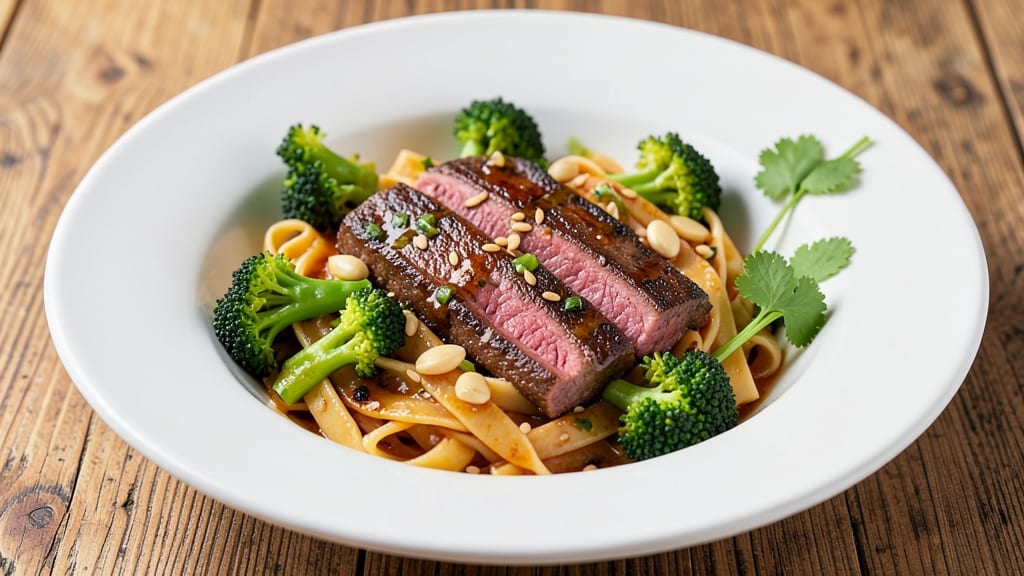
This beef and broccoli pasta recipe delivers restaurant-quality umami crunch and silky sauce in one 30-minute dish that transforms weeknight dinners.
The secret lies in high-heat wok tossing that sears the beef into tender bites while keeping broccoli vibrant, all coated in a velvety soy-ginger sauce that clings perfectly to al dente pasta.
I developed this after years of testing—balancing texture, flavor, and timing to create a meal that's foolproof yet feels special.
The foundation starts with thinly sliced beef marinated in soy sauce and cornstarch, which creates that signature crisp-tender texture when seared in a hot wok.
Fresh broccoli florets stay bright and crisp thanks to a quick stir-fry, while the sauce—built from reduced soy, ginger, garlic, and a touch of honey—adds depth without overpowering. The key is working in batches to maintain high heat, ensuring every component gets that perfect wok-tossed texture.
What you'll end up with is a plate of silky pasta tossed with beef that's caramelized at the edges yet tender inside, crisp-tender broccoli, and a sauce that coats everything without being gloppy.
The umami from the beef and soy sauce pairs beautifully with the freshness of the broccoli, while the ginger and garlic add aromatic warmth. This dish is hearty enough for a main course but quick enough for busy nights.
Serve immediately with extra sesame seeds and sliced green onions for color and crunch. The leftovers reheat beautifully, making this a perfect meal-prep option too. Let's get cooking—this recipe delivers restaurant-quality results at home.
Ingredients for beef and broccoli pasta
Restaurant-quality wok-tossed beef, vibrant broccoli, and velvety ginger-soy sauce come together in this umami-packed pasta dish.
| Ingredient | Amount | Notes |
|---|---|---|
| Flank Steak 🥩 | 1 lb | Thinly sliced against grain |
| Extra-Firgin Olive Oil 🫒 | 2 tbsp | For high-heat searing |
| Low-Sodium Soy Sauce 🥢 | ⅓ cup | Kikkoman preferred |
| Cornstarch 🌾 | 1 tbsp | For crisp-tender texture |
| Fresh Broccoli Florets 🥦 | 4 cups | Cut into bite-sized pieces |
| Fresh Garlic Cloves 🧄 | 4 cloves | Minced for sauce |
| Fresh Ginger 🌿 | 1 tbsp | Grated for aromatic depth |
| Honey 🍯 | 1 tbsp | For balanced sweetness |
| Sesame Oil 🫒 | 1 tbsp | For finishing aroma |
| Dried White Wine 🍷 | ¼ cup | Optional for depth |
| Fettuccine Pasta 🍝 | 12 oz | Al dente preferred |
| Sesame Seeds 🌰 | 1 tbsp | Toasted for garnish |
| Green Onions 🧅 | 3 whole | Sliced for garnish |
| Diamond Crystal Kosher Salt 🧂 | 1 ½ tsp | For seasoning |
| Freshly Ground Black Pepper 🌶️ | ½ tsp | For finishing |
The flank steak is non-negotiable for this dish—its lean yet tender texture holds up perfectly to high-heat searing. Ask your butcher to slice it against the grain for maximum tenderness, or do it yourself with a sharp knife. For soy sauce, Kikkoman low-sodium is my go-to, but any high-quality brand works. The cornstarch is crucial for that signature crisp-tender texture—don't skip it. Fresh broccoli should be bright green with tight florets; Trader Joe's or local farmers markets have the best quality. If you're using frozen, thaw and pat completely dry to avoid a soggy stir-fry.
No sesame oil? Toasted peanut oil works in a pinch, though the flavor will differ slightly. Substituting the wine? Extra chicken broth adds depth without alcohol. The ginger should be freshly grated—pre-minced jars lack the aromatic punch. For the pasta, fettuccine is ideal, but any wide noodle like pappardelle will work. If you're short on time, pre-cooked chilled pasta (drained and tossed with a bit of oil) can go straight into the wok with the beef and broccoli for a faster cook. The sesame seeds and green onions are purely for garnish, but they add that restaurant-quality finish—don't skip them if you want that visual pop.
This dish reheats beautifully—stir in a splash of water or broth to prevent drying out. Store leftovers in an airtight container for up to 3 days, or freeze for 2 months in a sealed bag. The sauce thickens as it cools, so a quick reheat with a splash of water restores its silky texture. For meal prep, cook the pasta separately and assemble everything fresh when ready to eat. The flavors actually improve after resting, so make extra—it disappears fast.
Why You'll Love This Recipe
- One-Pan Magic: I swear by this for nights when I don’t want to wash a million dishes. The steak, broccoli, and pasta all go in one skillet—just stir, slice, and toss. (Yes, even on a Tuesday night.)
- Umami Bomb: That soy sauce and cornstarch slurry? It turns the steak into something ridiculously tender with a glossy, caramelized crust. The broccoli gets just crisp enough to bite into—no sad, mushy florets here.
- Meal Prep MVP: I make double batches because it reheats like a dream. Cold pasta? No problem. Packed lunches? Done. The flavors only get better the next day—honestly, leftovers might be my favorite part.
- Budget Flex: Flank steak is affordable, and a single cut feeds four. Skip the fancy pasta if you need to—this dish still shines. (Between us, I’ve even used day-old bread for a quick breadcrumb topping when I’m feeling fancy.)
Step-by-step instructions for beef and broccoli pasta
A perfect balance of wok-tossed beef, crisp-tender broccoli, and silky sauce comes together in these precise steps.
Prepare the Flank Steak for Maximum Tenderness
Slice the 1 lb flank steak thinly against the grain into ¼-inch thick strips. This critical step ensures each bite remains tender rather than chewy. Arrange the slices on a plate and season both sides generously with 1.5 tsp Diamond Crystal kosher salt and 0.5 tsp freshly ground black pepper. Let them sit at room temperature for 15 minutes while you prepare the remaining components.
While the steak rests, create a marinade by whisking together 0.33 cup low-sodium soy sauce, 1 tbsp cornstarch, 1 tbsp honey, and 0.25 cup dried white wine (if using) in a small bowl. The cornstarch acts as a natural tenderizer while the wine adds subtle depth. Pour this marinade over the steak and toss gently to coat evenly. Allow it to marinate for 10 minutes—this brief infusion transforms tough flank steak into silky, flavorful strips.
Cook the Pasta Al Dente
Bring a large pot of well-salted water to a rolling boil—it should taste like the sea. Add the 12 oz fettuccine pasta and cook according to package directions until 1 minute shy of al dente. This slight undercooking prevents the pasta from becoming mushy when tossed with the hot sauce later. Reserve 1 cup of pasta water before draining, as its starch content is essential for creating a proper sauce consistency.
While the pasta cooks, prepare the broccoli by cutting the 4 cups fresh broccoli florets into bite-sized pieces. Blanch them in boiling water for 1 minute, then immediately plunge into ice water to stop the cooking process. This preserves their vibrant green color and crisp texture. Drain well and set aside—properly blanched broccoli will maintain its crunch when tossed with the beef.
Build the Umami-Packed Sauce
Heat 2 tbsp extra-virgin olive oil in a wok or large skillet over high heat until shimmering. Add the marinated flank steak in a single layer and sear undisturbed for 1-2 minutes until the edges develop a deep golden crust. Flip the steak and continue cooking for another 1 minute until fully cooked through. Remove the beef and set aside, leaving the rendered juices in the pan.
In the same wok, add 4 cloves minced fresh garlic cloves and 1 tbsp grated fresh ginger—both should sizzle immediately. Cook for 30 seconds until fragrant but not browned. Pour in the 0.33 cup low-sodium soy sauce and scrape up any browned bits from the bottom of the pan. These flavorful fond bits are essential for building depth in the sauce. Let the sauce simmer for 2 minutes until slightly reduced and glossy.
Toss Everything Together for Perfect Texture
Return the cooked beef to the wok along with the blanched broccoli. Add the drained fettuccine pasta and toss vigorously with tongs for 2-3 minutes until everything is evenly coated and heated through. If the mixture seems dry, add 2-3 tablespoons of reserved pasta water to create a silky sauce that clings to each strand of pasta and piece of beef.
Finish the dish by drizzling 1 tbsp sesame oil over the top and tossing gently to distribute. The sesame oil adds a delicate nutty aroma that complements the umami flavors. Garnish with 1 tbsp toasted sesame seeds and 3 sliced green onions for both visual appeal and fresh contrast. Serve immediately while the pasta is hot and the broccoli remains crisp-tender.
Pro Tips For Making Beef And Broccoli Pasta
- Slice Thin, Sear Fast: Flank steak fights back when it’s thick—cut it against the grain into ¼-inch slices, then sear in batches for 1-2 minutes per side over screaming-high heat. I learned this the hard way: thick slices turn chewy, no matter how long you cook them.
- Blanch Broccoli First: Toss raw florets in boiling water for 30 seconds before stir-frying—this stops the bitterness and keeps them bright green. Skip this, and you’ll end up with mushy broccoli that tastes like it’s been steamed for 10 minutes.
- Slurry the Soy Sauce: Mix 1 tablespoon cornstarch with 2 tablespoons low-sodium soy sauce and a splash of water—this thickens the sauce faster and smoother than throwing dry cornstarch into the pan. Sounds weird, but it works: no clumps, just glossy, clinging flavor.
- Rest the Pasta: Drain your pasta, toss it with a little olive oil, and let it sit covered for 2 minutes before mixing in the beef and sauce. Cold pasta soaks up the sauce better, and you won’t end up with a soggy, gluey mess—trust me, I’ve been there.
Regional styles of beef and broccoli pasta
Chinese-American Fusion
This dish blends classic Chinese stir-fry techniques with Italian pasta for a fusion that's become popular in American-Chinese restaurants. The high-heat wok tossing and soy-ginger sauce are pure Chinese inspiration, but the addition of fettuccine makes it instantly approachable for Italian pasta lovers.
I first encountered this version in a San Francisco Chinatown restaurant where they called it "Beef and Broccoli Fettuccine"—the perfect bridge between two cuisines. 🍜
Southern U.S. Adaptation
In Southern states, this dish often gets a Cajun or Creole twist by adding 1 tsp smoked paprika and ½ tsp cayenne to the marinade. Some cooks also swap the soy sauce for a mix of low-sodium soy sauce and hot sauce (like Crystal) for extra heat.
The broccoli might be replaced with sautéed okra or collard greens for a more regional vegetable. I've seen this version served at New Orleans-style pasta shops where they call it "Bayou Beef and Greens."
Japanese Teriyaki Twist
For a Japanese-inspired version, replace the soy sauce with ½ cup teriyaki sauce (like Kikkoman's) and add 1 tbsp mirin to the sauce mixture. The teriyaki sauce naturally sweetens the dish, reducing the need for added honey. Some Japanese home cooks also incorporate shredded bonito flakes for umami depth.
The pasta is often swapped for udon or soba noodles to make it more authentic to Japanese tastes. I love this version because it keeps the wok-tossed texture while offering a completely different flavor profile. 🍶
Italian-Inspired Version
To make this dish feel more Italian, skip the soy sauce entirely and build the sauce using 1 cup marinara sauce (like Rao's) plus 2 tbsp balsamic vinegar and 1 tsp red pepper flakes.
Add ½ cup grated Parmesan cheese to the sauce and finish with fresh basil instead of sesame seeds. The beef can be replaced with Italian sausage for a true Italian-American fusion. This version works beautifully as a one-pot meal and feels right at home on any Italian dinner table. 🍝
Korean-Inspired Kimchi Beef Pasta
For a Korean-inspired take, stir ½ cup chopped kimchi into the sauce along with 1 tbsp gochujang (Korean chili paste) for a spicy, tangy kick. Add 1 tbsp toasted sesame seeds and 2 tbsp chopped scallions as garnishes.
The kimchi adds natural sweetness and probiotics that balance the richness of the beef. I first tried this version at a Korean-Italian fusion restaurant in Los Angeles, and it became an instant favorite for its complex flavor profile. 🌶️
Nutrition facts
Frequently asked questions
Can I substitute flank steak with another cut?
Sirloin or ribeye work well—just slice against the grain for tenderness. For leaner options, try chuck roast (marinate longer) or lean ground beef (shape into small patties). Avoid fatty cuts like ribeye for stir-frying, as they release too much grease.
How do I prevent the broccoli from turning mushy?
Blanching is key! Cook broccoli in boiling water for exactly 1 minute, then plunge into ice water to stop cooking. For extra crunch, stir-fry the blanched florets in the wok for 30 seconds with the beef. Never overcrowd the pan—work in batches if needed.
What's the best pasta shape for this dish?
Fettuccine is ideal, but linguine or pappardelle work too—they hold sauce well. For a twist, try spaghetti (cook it 1 minute less) or rice noodles for a lighter texture. Avoid thick shapes like penne, as they won't toss as easily.
Can I make this vegetarian?
Swap beef for extra-firm tofu (press and pan-fry) or mushrooms (shiitake or oyster). Use vegetarian soy sauce and add 1 tbsp nutritional yeast for umami depth. The dish will still be packed with flavor—just adjust cooking times for tofu (5-6 minutes per side).
Why does my sauce get watery?
Two likely causes: overcooking the pasta (reserve starchy water) or not reducing the sauce enough. Always simmer the sauce for 2 minutes after adding soy sauce. If needed, add 1 tsp cornstarch mixed with 1 tbsp water to thicken. The sauce should coat a spoon but remain silky, not gluey.