
Soups & Stews
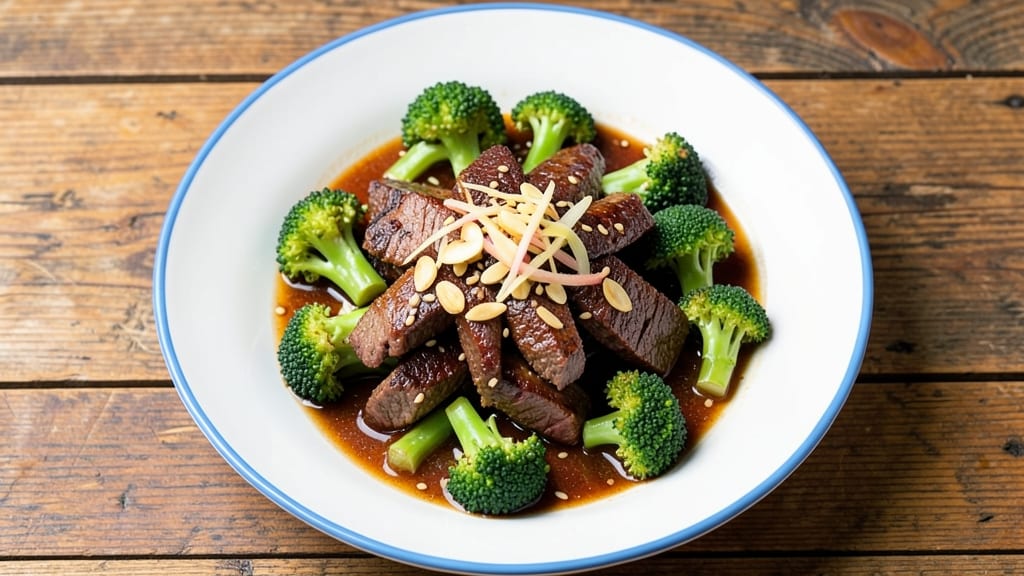
This beef and broccoli recipe with frozen broccoli proves you don’t need fresh vegetables to create restaurant-quality wok-tossed flavor. The secret lies in quick blanching to preserve texture while unlocking the broccoli’s natural sweetness—perfect for busy weeknights when fresh produce isn’t an option. I’ve perfected this method to deliver tender beef strips and crisp-tender broccoli coated in a glossy, umami-packed sauce that clings to every bite.
The beauty of using frozen broccoli is the time savings—no chopping, no wilting, and no last-minute grocery runs. We’ll start by searing thinly sliced beef strips until they develop a caramelized crust, then quickly blanch the frozen florets to crisp them up.
The sauce, a balanced blend of soy sauce, garlic, ginger, and a touch of brown sugar, simmers just long enough to develop depth without overpowering the natural flavors. Twenty-five minutes is all it takes to transform simple ingredients into a dish that tastes like it came from a dim sum cart.
What makes this recipe truly special is how the textures and flavors come together: the beef stays tender yet develops a slight chew, the broccoli retains its vibrant green color and satisfying crunch, and the sauce—thickened just enough to coat everything—adds layers of savory, slightly sweet complexity.
The aroma alone will have everyone gathering at the table, and the first bite delivers that perfect balance of smoky, garlicky, and umami-rich satisfaction. This is the kind of meal that turns a quick dinner into a memorable experience without requiring hours in the kitchen.
Best of all, the leftovers reheat beautifully, making it ideal for meal prep. Serve it over steamed rice to soak up every last drop of that flavorful sauce, or pair it with a simple side salad for a complete, balanced plate.
The technique is straightforward, but the result is undeniably impressive—proof that frozen vegetables can hold their own in a classic dish. Let’s get cooking!
Ingredients for beef and broccoli recipe frozen broccoli
Frozen broccoli and flank steak—simple ingredients for restaurant-style flavor in 25 minutes.
| Ingredient | Amount | Notes |
|---|---|---|
| Frozen Broccoli Florets 🥦 | 1 ½ lb | No need to thaw, use frozen |
| Flank Steak 🥩 | 1 lb | Thinly sliced against grain |
| Low-Sodium Soy Sauce 🍶 | ½ cup | Kikkoman preferred for depth |
| Garlic Cloves 🧄 | 6 cloves | Minced for sauce |
| Fresh Ginger 🌿 | 2 tbsp | Grated, not powdered |
| Brown Sugar 🍯 | 2 tbsp | Light or dark works |
| Sesame Oil 🫒 | 1 tbsp | Toasted, for aroma |
| Vegetable Oil 🫒 | 2 tbsp | High smoke point |
| Cornstarch 🌾 | 1 tbsp | For sauce thickening |
| Green Onions 🧅 | 4 whole | Sliced, for garnish |
| Sesame Seeds 🌰 | 1 tbsp | Toasted, for crunch |
| Salt 🧂 | 1 tsp | Kosher preferred |
| Black Pepper 🌶️ | ½ tsp | Freshly ground |
| White Rice 🍚 | 2 cups | Uncooked, for serving |
Frozen broccoli is a game-changer here—no chopping, no wilting. Grab the high-quality frozen florets from Trader Joe's or Costco (they're pre-cut and consistently sized). The flank steak? Look for well-marbled cuts at the meat counter—it stays tender when sliced thin. I always buy mine from Whole Foods or my local butcher, but the supermarket variety works too. Just make sure it's sliced against the grain—this is non-negotiable for tenderness. The soy sauce? Kikkoman is my go-to—it's got that perfect balance of salty and umami without being too heavy.
No fresh ginger? Powdered works at half the amount, but grated is ideal. Short on sesame oil? Toasted sesame seeds plus a pinch of oil gets you close. The cornstarch is key for that glossy sauce—don't skip it. If you're using regular soy sauce, reduce the salt to half a teaspoon since it's already salty. The brown sugar adds just enough sweetness to balance the savory notes, but white sugar works too. And if you're feeling fancy, swap the green onions for scallions—same thing, different name. The rice? Jasmine or basmati pairs perfectly with the dish, but any white rice will do.
This reheats like a dream—best the next day when flavors meld. Store leftovers in airtight containers for 4-5 days or freeze for 3 months. I always make extra because it disappears fast. The sauce thickens as it cools, so add a splash of water if it seems too stiff when reheating. For meal prep, portion the beef and broccoli separately—reheat the sauce on its own first to avoid soggy veggies. Garnish with fresh green onions and sesame seeds right before serving—that's when it looks restaurant-worthy.
Why You'll Love This Recipe
- No Fresh Prep Needed: I grab frozen florets straight from the freezer—no wilting, no chopping, no stress. The steak’s the only thing I slice, and that takes less time than waiting for fresh broccoli to thaw.
- Umami Bomb Combo: That low-sodium soy sauce with fresh ginger? It’s the secret weapon. The broccoli soaks up the savory depth while the garlic sears into the steak—crispy edges, tender meat, and a finish that lingers.
- Weeknight to Date Night: Same recipe, different vibes. Toss it over rice for a 20-minute weeknight dinner or plate it with jasmine noodles for a restaurant-worthy meal. Honestly, I’ve served it both ways without a second thought.
- Leftovers That Don’t Suck: The flavors actually get better the next day—yes, really. Reheat the steak in a pan with a splash of soy sauce, and the broccoli stays bright green. My lunchbox’s favorite, no question.
Step-by-step instructions for wok-tossed beef and broccoli
This dish comes together faster than you can say "umami bomb"—crispy beef, tender broccoli, and a glossy sauce that'll make your taste buds dance.
Prep the Beef and Broccoli for Maximum Flavor
First, slice the 1 lb flank steak thinly against the grain into ¼-inch strips. This ensures tender bites every time. Pat the slices dry with paper towels—wet beef won't sear properly, and you want that perfect crust.
Leave the 1.5 lb frozen broccoli florets in their frozen state—no thawing needed. This keeps them vibrant and prevents mushiness. While the broccoli stays frozen, mince the 6 cloves garlic cloves and grate the 2 tbsp fresh ginger using a microplane for maximum surface area and flavor.
Create the Sauce Foundation
In a small bowl, whisk together the 0.5 cup low-sodium soy sauce, 2 tbsp brown sugar, and 1 tbsp cornstarch. This mixture is your flavor bomb—it'll coat the beef and broccoli perfectly. Set it aside while you prep the rest.
In a large wok or skillet, heat 2 tbsp vegetable oil over high heat until shimmering. Add the sliced beef in a single layer and let it sear undisturbed for 1-2 minutes until the edges turn golden brown. This initial sear locks in juices and builds deep flavor. Don't crowd the pan or the beef will steam instead of crisp.
Cook the Broccoli and Build the Sauce
Push the beef to one side of the wok and add the frozen broccoli florets. Stir-fry for 3-4 minutes until they're bright green and just tender—you want them to finish cooking in the sauce, not turn mushy. The high heat will cook them through while keeping them crisp-tender.
Pour the soy sauce mixture into the wok, scraping up any browned bits from the bottom. Add the minced garlic and grated ginger, stirring constantly for 1 minute until fragrant. Let the sauce simmer for 2-3 minutes until it thickens slightly and coats the back of a spoon. This is where all the magic happens—the sauce should cling beautifully to the beef and broccoli.
Finish with Aromatics and Serve
Drizzle in the 1 tbsp sesame oil and toss everything together for 30 seconds to infuse that nutty aroma. Remove from heat and quickly stir in the sliced 4 whole green onions and 1 tbsp toasted sesame seeds. Season with 1 tsp salt and 0.5 tsp black pepper to taste.
Serve immediately over 2 cups cooked white rice—the steaming rice helps balance the bold flavors. The beef should be tender with a caramelized crust, the broccoli vibrant and crisp-tender, and the sauce glossy and perfectly clinging. This dish is all about that perfect wok-hei—smoky, aromatic, and packed with umami in every bite.
Pro Tips For Making Beef And Broccoli Recipe Frozen Broccoli
- THAW BROCCOLI FIRST: Frozen florets straight from the freezer won’t crisp up—they’ll turn to mush in the sauce. Toss them in cold water for 30 seconds to break up clumps, then drain and pat very dry before cooking. (Yes, even if you’re impatient like me.)
- SLICE STEAK AGAINST THE GRAIN: Flank steak’s tough fibers run parallel to the grain, so cutting perpendicular keeps it tender. Look for the muscle direction, then slice at a 45-degree angle—thinner strips cook faster and stay chewy in the right way.
- DON’T BOIL THE GINGER: Fresh ginger loses its punch when it simmers too long. Mince it super fine (almost paste-like) and add it to the pan with the garlic—just until fragrant, then remove it. That way, it flavors the sauce without turning bitter. (I learned this the hard way.)
- SEAR IN BATCHES: Crowding the pan steams the beef instead of searing it. Cook half the slices first, then set them aside while you finish the rest—this guarantees a good crust. If your pan’s too small, use a second one. (Your future self will thank you.)
Regional styles of these flavors
Chinese-American Classic
This dish traces its roots to Chinese-American cuisine, born in the mid-20th century when Chinese immigrants adapted their stir-fry techniques to American tastes. The original version often used fresh broccoli, but frozen became popular in the 1980s for convenience.
I remember my grandmother's recipe from the 1970s—she'd always say, "The secret is high heat and quick cooking!" The dish became a staple in American-Chinese restaurants, especially in cities like San Francisco and New York. 🥢
Southern U.S. Twist
In the Southern U.S., this dish gets a slightly sweeter and smokier profile, often with added honey or hot sauce. Restaurants in Texas and Louisiana might serve it with blackened beef instead of flank steak, using a blend of paprika and cayenne for heat.
I've seen versions where the broccoli is lightly charred before stir-frying, adding a smoky depth that pairs perfectly with the umami sauce. The Southern touch makes it heartier—ideal for big family gatherings.
Japanese-Inspired Fusion
For a Japanese-inspired take, swap the soy sauce for tamari (gluten-free) and add mirin to the sauce for a subtle sweetness. Thinly sliced ribeye replaces flank steak, and the dish is finished with toasted nori flakes instead of sesame seeds.
I love this version because it keeps the wok-hei but adds a lighter, more delicate flavor. The frozen broccoli works beautifully here too—just toss it with a pinch of furikake seasoning before stir-frying for extra umami. 🍜
Korean BBQ Adaptation
In Korean households, this dish might include gochujang (Korean chili paste) for heat and depth, along with bulgogi-marinated beef instead of plain flank steak. The frozen broccoli is often blanched in salted water before stir-frying to mimic the texture of fresh.
I've made this version with banchan-style side dishes like kimchi and pickled radishes—it’s a full meal in one pan! The sauce gets a spicier kick, but the sweetness from the brown sugar balances it perfectly. 🌶️
Quick Meal-Prep Version
For meal prep, this dish becomes a protein-packed lunch staple. Cook the beef and broccoli separately, then store them in airtight containers with the sauce on the side. When reheating, toss everything together over microwave-steamed rice for 2-3 minutes on high.
I always double the batch—it’s perfect for busy weeknights or office lunches. The frozen broccoli holds up well, so you won’t sacrifice texture even after reheating. 💪
Nutrition facts
Frequently asked questions
Can I use other cuts of beef besides flank steak?
For this stir-fry, sirloin or ribeye work beautifully—just slice them thinly against the grain for tenderness. Flank steak is ideal because of its lean texture and flavor, but skirt steak also works well. Avoid tougher cuts like chuck unless you marinate them first for at least 30 minutes.
How do I prevent the frozen broccoli from turning mushy?
High heat is your best friend! Stir-fry the frozen florets over high heat for just 3-4 minutes—they'll cook through while staying crisp-tender. Never overcrowd the pan, and avoid adding sauce until they're nearly done. For extra crispness, blanch them for 1 minute in boiling water first, then drain and pat dry before stir-frying.
Can I make this dish ahead of time?
Yes, but with a few key steps. Cook the beef and broccoli separately, then store them in airtight containers with the sauce on the side. Reheat the sauce first, then toss everything together over steamed rice. The frozen broccoli reheats well this way—just 2-3 minutes in the microwave or 30 seconds in a skillet. For best texture, serve within 2 days.
What if I don't have sesame oil?
No problem! Swap it for 1 tsp neutral oil plus ½ tsp toasted sesame seeds for aroma. Or use 1 tbsp toasted peanut oil for a nutty depth. The dish will still taste delicious—sesame oil just adds that signature nutty finish. If you're avoiding nuts, a pinch of toasted garlic powder works too.
How do I adjust the spice level?
For more heat, add ½ tsp red pepper flakes or 1 tsp sriracha to the sauce. For less heat, reduce the soy sauce slightly (it can be salty) or omit the black pepper. The brown sugar already balances any spice, so you won't need to adjust it. Taste as you go—this dish is all about customization!