
Soups & Stews
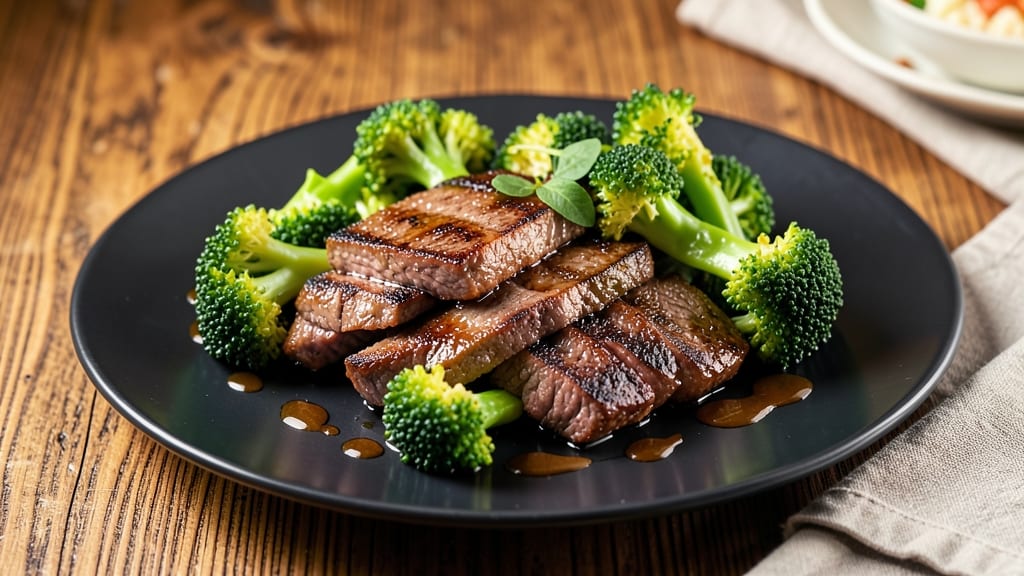
This beef and broccoli recipe ingredients combination transforms simple wok-seared beef and vibrant broccoli into a dish packed with umami depth and silky sauce magic. The secret lies in perfectly balanced flavors—salty soy, aromatic ginger, and bright garlic—marinating the beef while preserving its tender texture. Every ingredient plays a role in creating that signature harmony of crisp-tender vegetables and rich, caramelized protein.
Start with quality flank steak, thinly sliced against the grain for tender bites that cook quickly. Fresh broccoli florets should be blanched first to retain their bright green color and crisp texture.
The sauce—made with soy sauce, oyster sauce, and a touch of honey—adds layers of complexity, balancing savory, sweet, and slightly tangy notes. Don’t skip the cornstarch slurry; it’s what gives the sauce that signature glossy, velvety finish.
What you’ll end up with is a dish that’s restaurant-quality yet simple to make at home. The beef emerges beautifully seared with just a hint of char, while the broccoli stays vibrant and slightly blistered.
The sauce clings perfectly, creating a harmonious bite that’s both comforting and exciting. This is the kind of meal that feels special without requiring hours in the kitchen.
Serve it over steamed jasmine rice or noodles for a complete meal, or enjoy it as-is for a satisfying, protein-rich dish. The beauty of this recipe is its flexibility—adjust the heat level with chili flakes, swap in snap peas for extra crunch, or add mushrooms for depth. Let’s get cooking!
Ingredients for beef and broccoli recipe ingredients
Quality cuts and vibrant vegetables bring restaurant-quality beef and broccoli to your wok.
| Ingredient | Amount | Notes |
|---|---|---|
| Flank Steak 🥩 | 1 lb | Thinly sliced against grain |
| Fresh Broccoli 🥦 | 1 ½ lbs | Florets cut into bite-sized pieces |
| Light Soy Sauce 🥢 | ½ cup | Kikkoman preferred for balance |
| Oyster Sauce 🍜 | ¼ cup | Lee Kum Kee brand recommended |
| Honey 🍯 | 1 tbsp | For subtle sweetness balance |
| Cornstarch 🌾 | 1 tbsp | For sauce slurry consistency |
| Garlic Cloves 🧄 | 6 cloves | Minced for aromatic depth |
| Fresh Ginger 🌿 | 1 tbsp | Grated for zesty brightness |
| Vegetable Oil 🫒 | ¼ cup | High smoke point for wok searing |
| Sesame Oil 🌰 | 1 tsp | Toasted for nutty aroma |
| Green Onions 🧅 | 3 whole | Sliced for garnish |
| Salt 🧂 | ½ tsp | Diamond Crystal kosher |
| Black Pepper 🌶️ | ¼ tsp | Freshly ground for heat |
| Red Chili Flakes 🔥 | ½ tsp | Optional for heat adjustment |
| Jasmine Rice 🍚 | 1 ½ cups | Uncooked for serving base |
The flank steak is non-negotiable for this dish—its lean texture and grain direction are perfect for quick searing. Look for cuts with good marbling at Whole Foods or your local butcher shop; avoid pre-sliced packages that may have dried out. Fresh broccoli should have vibrant green florets and firm stems—avoid any with yellowing or wilted leaves. Lee Kum Kee oyster sauce elevates the umami profile, but Kikkoman soy sauce is the gold standard for that clean, balanced flavor. The honey should be raw and unprocessed for the best flavor, though regular honey works in a pinch. For the cornstarch slurry, use arrowroot powder if you prefer a slightly clearer sauce finish.
No oyster sauce? Hoisin sauce or extra soy sauce can substitute, though the depth will differ slightly. Fresh ginger loses potency quickly, so buy it within a week of cooking—or use powdered at half the amount. The garlic should be peeled and minced just before cooking to preserve its freshness. For the vegetable oil, avocado oil has an even higher smoke point if you're concerned about burning. The sesame oil adds that signature aroma, but if you're sensitive to strong flavors, reduce it to half a teaspoon. The red chili flakes are optional but recommended for a touch of heat—adjust to taste or omit entirely for a milder dish.
Broccoli florets should be blanched for 1-2 minutes before searing to maintain their vibrant color. Store any leftover steak in an airtight container for up to 3 days, though it's best enjoyed fresh. The sauce keeps well in the fridge for 5 days—simply reheat and adjust consistency with a splash of water. For the rice, jasmine rice is ideal, but basmati works just as well. If making ahead, cook the rice separately and store it in a sealed container to prevent sogginess. The dish reheats beautifully, with the sauce becoming even more velvety after resting.
Why You'll Love This Recipe
- One-Pan Magic: I swear by this—just sear the flank steak, toss in the broccoli, and let the soy and honey glaze do the work. No chopping, no fuss, and one pan to wash. That’s my kind of dinner.
- Sweet-Savory Balance: The honey cuts through the umami bomb of oyster sauce and soy, giving each bite a little caramelized punch. My kids still argue over who gets the last piece, and I’m not mad about it.
- Leftovers That Don’t Suck: This dish actually tastes better the next day—steak stays tender, broccoli holds its crunch, and reheating takes two minutes. I meal prep this like it’s my job (because it is).
- Budget Steakhouse Vibes: Flank steak is affordable, and a single cut feeds four with room to spare. Add frozen broccoli if you’re pinching pennies, and you’ve got restaurant-quality flavor without the markup. Win.
Step-by-step instructions for wok-seared beef and broccoli
Master this technique for restaurant-quality beef and broccoli with perfectly seared meat and silky sauce.
🍳 Step 1: Marinate and Prep the Flank Steak
Place the 1 lb Flank Steak between two sheets of plastic wrap and pound it to an even ¼-inch thickness using a meat mallet. This ensures even cooking and prevents toughness. Slice the steak against the grain into ½-inch wide strips—you should end up with about 16-20 strips for proper wok searing.
In a small bowl, whisk together 0.5 cup Light Soy Sauce, 0.25 cup Oyster Sauce, and 1 tbsp Honey. Add the sliced steak to this marinade and let it sit at room temperature for 15-20 minutes. The acidity in the soy sauce will tenderize the meat while the honey adds subtle sweetness that balances the umami flavors. Don't skip this step—it makes a noticeable difference in tenderness.
🥘 Step 2: Blanch the Broccoli for Vibrant Color
Cut the 1.5 lbs Fresh Broccoli into bite-sized florets (about 1-inch pieces). In a separate bowl, combine 1.5 cups Jasmine Rice with 3 cups water (or follow your preferred rice cooking method). While the rice cooks, bring a pot of water to a rolling boil and add the broccoli. Blanch for exactly 1 minute—this preserves its vibrant green color and ensures it's tender-crisp when finished.
Immediately drain the broccoli in a colander and rinse under cold water to stop the cooking process. The broccoli should be bright green and slightly firm to the touch. Set it aside while you prepare the wok—it'll be added back in later to finish cooking.
🔥 Step 3: Wok-Sear the Beef in High Heat
Heat a wok or large skillet over high heat until it's ripping hot—you should see a shimmer of heat when you hold your hand about 3 inches above it. Add 0.25 cup Vegetable Oil and swirl to coat the entire surface. The oil should be smoking slightly but not burning.
Working in batches if needed, add the marinated steak strips to the wok. Stir-fry for 1-2 minutes until the beef is deep brown on all sides and nearly cooked through. The high heat is crucial here—it creates that signature wok-seared texture. Remove the beef and set it aside on a plate. If your wok isn't large enough to hold all the beef at once, work in two batches to maintain even searing.
🍳 Step 4: Build the Silky Sauce
In the same wok, add 6 cloves Garlic Cloves (minced) and 1 tbsp Fresh Ginger (grated). Stir-fry for 30 seconds until fragrant—you should smell the garlic's pungency and the ginger's zesty brightness. Add the blanched broccoli and toss to coat in the garlic-ginger oil for 1 minute until it's bright green and heated through. Remove the broccoli and set it aside with the beef.
To make the sauce, reduce heat to medium. In a small bowl, whisk together 1 tbsp Cornstarch and 2 tablespoons water to create a slurry. Pour the 0.5 cup Light Soy Sauce and 0.25 cup Oyster Sauce into the wok, scraping up any browned bits from the bottom—this adds deep umami flavor. Add the cornstarch slurry and stir constantly for 1-2 minutes until the sauce thickens to a glossy, coatable consistency. The sauce should cling to the back of a spoon and leave a silky sheen when drizzled.
🥘 Step 5: Combine and Finish with Aromatics
Return the beef and broccoli to the wok, tossing everything together to coat evenly in the sauce. Add 1 tsp Sesame Oil and 0.5 tsp Red Chili Flakes (if using) for a nutty aroma and subtle heat. Stir-fry for 1-2 minutes until everything is heated through and the sauce is fully integrated. The beef should be tender with caramelized edges, and the broccoli should be bright green with a slight crunch. Season with 0.5 tsp Salt and 0.25 tsp Black Pepper to taste.
Garnish with 3 whole Green Onions (sliced) and serve immediately over the 1.5 cups Jasmine Rice. The dish should deliver tender beef, vibrant broccoli, and a silky, umami-rich sauce with every bite. The high heat searing and quick cooking preserve the natural flavors while the sauce enhances them—this is where the magic happens.
Pro Tips For Making Beef And Broccoli Recipe Ingredients
- Slice Against the Grain: I learned this the hard way—flank steak fights you if you don’t cut it perpendicular to the muscle fibers. Thin, even slices (about ¼-inch thick) cook faster and stay tender. Use a sharp knife and don’t rush; those fibers have a mind of their own.
- Blanch Broccoli First: Skip the crowded pan—blanching broccoli in boiling water for 30 seconds keeps it bright green and prevents soggy florets. Drain and shock in ice water, then pat very dry before stir-frying. Wet broccoli steams instead of sears, and nobody wants mushy broccoli in beef and broccoli.
- Deglaze That Pan: After searing the steak, don’t walk away—immediately pour in 2 tablespoons of dry sherry or white wine (if you’re using it) and scrape every last bit of browned bits from the pan. Those bits pack flavor, and skipping them means missing out on the dish’s depth. A wooden spoon works best—metal scratches your pan.
- Balance the Sauce: Light soy adds saltiness, oyster sauce brings umami, and honey sweetens—but too much of any one turns the sauce flat. Start with 1 tablespoon each, taste, then adjust: more soy for salt, oyster for richness, or honey for brightness. I usually add a splash of rice vinegar (½ teaspoon) to cut the sweetness if it’s too cloying.
Troubleshooting your beef and broccoli recipe ingredients
Sauce Too Thin?
If your sauce ends up thinner than expected, don’t panic—simply mix 1 tsp cornstarch with 1 tbsp cold water and stir vigorously. Add it back to the wok while the sauce is simmering, stirring constantly until it thickens to that perfect glossy consistency.
The key is to add it gradually to avoid clumping. I’ve found that arrowroot powder works even better for a clearer finish if you prefer a more refined look. 💫
Beef Overcooked?
Flank steak cooks fast, so if yours turns out tough, you likely overcooked it. The beef should reach 145°F internal temperature when done—use an instant-read thermometer to check.
If you’re worried about timing, remove the beef from the wok just before it’s fully cooked, then let it rest for 2-3 minutes off-heat. The residual heat will finish the cooking process without drying it out. 🔥
Broccoli Too Soft?
Blanching broccoli for more than 1 minute can make it mushy. Stick to the exact 1-minute blanch, then drain immediately in cold water to stop the cooking. For extra crunch, add the broccoli back to the wok just before serving—it’ll reheat quickly while staying crisp.
If your broccoli still feels limp, try cutting the florets smaller for faster cooking. 🥦
Sauce Too Salty?
If your sauce is overly salty, balance it with 1 tsp honey or 1 tbsp water to dilute the flavor. A splash of rice vinegar (about ½ tsp) can also brighten the sauce without adding more salt.
For future batches, reduce the soy sauce by 1 tbsp and compensate with a little extra oyster sauce—it’s less salty but still packed with umami. 💡
Stuck to the Wok?
High heat is essential for wok searing, but if your beef sticks, your wok isn’t hot enough. Let it heat up until it’s smoking slightly before adding oil.
A well-seasoned carbon steel wok helps too—if yours is new, preheat it empty for 5-10 minutes to build up that natural non-stick patina. If needed, add ½ tsp cornstarch to the oil before searing for extra release. 🍳
Leftover Sauce Too Thick?
Thickened sauce can be fixed by whisking in 1-2 tbsp warm water until it reaches your desired consistency. If storing leftovers, let the sauce cool slightly before refrigerating—it’ll thicken further as it chills.
To reheat, warm it gently on the stove with a splash of water or broth to loosen it up. I like to keep a small jar of the sauce in the fridge for quick stir-fry meals later in the week. ✨
Nutrition facts
Frequently asked questions
Can I substitute flank steak with another cut?
Yes, but choose thinly sliced cuts that cook quickly. Skirt steak or sirloin work well—just slice against the grain for tenderness. Avoid thick cuts like ribeye, as they’ll overcook before developing that signature wok-seared texture.
Why is my sauce clumping instead of silky?
Clumping happens when cornstarch isn’t fully dissolved. Always whisk it with cold water first to create a smooth slurry. Add it gradually to the simmering sauce while stirring constantly. For extra smoothness, try arrowroot powder—it dissolves better and gives a clearer finish.
How do I make this dish gluten-free?
Replace soy sauce with tamari or coconut aminos (use 0.6 cup for similar saltiness). Check oyster sauce labels—some brands contain wheat. For extra umami, add 1 tbsp gluten-free fish sauce or ½ cup mushrooms to the sauce. Always verify all ingredients for hidden gluten.
Can I use frozen broccoli?
Frozen works in a pinch, but fresh is ideal for texture. If using frozen, thaw first and pat completely dry. Skip blanching—just stir-fry the broccoli for 3-4 minutes until tender-crisp. For best results, use high-quality frozen broccoli with no ice crystals.
What’s the secret to restaurant-style flavor?
Three keys: high heat for wok searing, fresh aromatics (ginger/garlic), and umami depth from oyster sauce. Don’t skip scraping browned bits from the wok—they’re packed with flavor. For extra richness, add 1 tsp sesame paste to the sauce.