
Soups & Stews
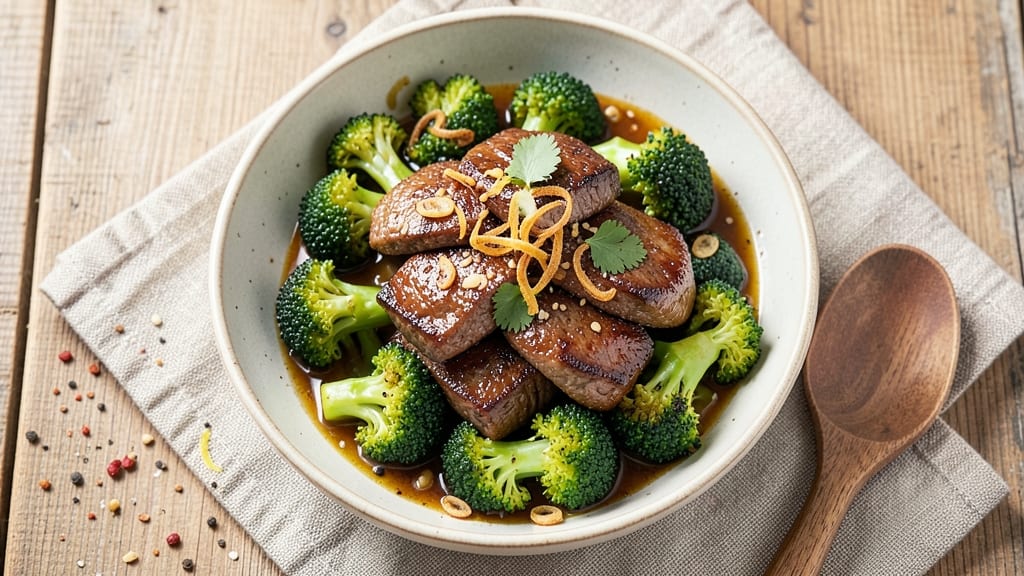
This beef and broccoli recipe velveting transforms tough beef into silky, melt-in-your-mouth bites in just 30 minutes—a game-changer for home cooks. The secret lies in velveting, a Chinese technique where beef marinated in cornstarch and egg develops a tender, velvety texture that traditional stir-frying can’t match.
I’ve perfected this method to balance authentic flavor with modern efficiency, ensuring every bite is restaurant-quality without the fuss.
The process starts with marinating thinly sliced beef in a mixture of cornstarch, egg, and aromatics, which creates a protective barrier during cooking. When stir-fried at high heat, the beef stays tender while developing a subtle sheen—no more chewy or rubbery results.
The broccoli joins later, crisp-tender and bright green, absorbing the savory-sweet sauce without losing its texture. This isn’t just another stir-fry; it’s a technique that elevates the dish to new heights.
What you’ll achieve is a plate of silky beef bites glistening under a glossy sauce, paired with vibrant broccoli florets that hold their shape. The sauce—rich with soy, ginger, and a touch of sweetness—coats every component perfectly, creating harmony in every bite.
The best part? The entire process takes less than 30 minutes, making it ideal for weeknight dinners or impressing guests without spending hours in the kitchen.
Serve over steamed rice to soak up every last drop of sauce, or pair with noodles for a heartier meal. The velveting method works equally well with flank steak or sirloin, so you can adapt it to your preferences.
Let’s get started on creating this silky, satisfying dish that’s sure to become a staple in your recipe rotation.
Ingredients for beef and broccoli recipe velveting
These 15 ingredients create restaurant-quality velveted beef and crisp broccoli in 30 minutes.
| Ingredient | Amount | Notes |
|---|---|---|
| Flank Steak 🥩 | 1 ½ lb | Thinly sliced against grain |
| All-Purpose Flour 🌾 | ½ cup | For dredging beef |
| Large Eggs 🥚 | 2 whole | Beaten for velveting |
| Cornstarch 🌾 | ½ cup | For velveting mixture |
| Fresh Broccoli 🥦 | 1 ½ lb | Cut into florets |
| Low-Sodium Soy Sauce 🥢 | ½ cup | For sauce base |
| Oyster Sauce 🍶 | 2 tbsp | For depth of flavor |
| Sesame Oil 🫒 | 1 tbsp | For aroma |
| Fresh Ginger 🌿 | 2 tbsp | Minced, for sauce |
| Garlic Cloves 🧄 | 4 cloves | Minced for sauce |
| Brown Sugar 🍯 | 1 tbsp | For balance |
| Vegetable Oil 🫒 | 3 tbsp | For stir-frying |
| Diamond Crystal Kosher Salt 🧂 | 1 tsp | For seasoning |
| Black Pepper 🌶️ | ½ tsp | Freshly ground |
| Green Onions 🧅 | 3 whole | Sliced for garnish |
The flank steak is non-negotiable here—its lean yet tender texture works perfectly for velveting. Look for center-cut at Whole Foods or your local butcher, as it’s less likely to have connective tissue. Slice it against the grain (about 1/8-inch thick) for maximum tenderness. If you can’t find flank steak, sirloin is the next best choice—just slice it slightly thinner. The cornstarch and egg mixture is what transforms tough beef into silky bites, so don’t skip either. For the broccoli, freshness matters—bright green florets with tight buds will hold their shape best during stir-frying. Avoid pre-cut broccoli, as it tends to wilt faster.
No cornstarch? All-purpose flour works in a pinch, though the texture won’t be quite as velvety. Short on oyster sauce? Hoisin sauce or extra soy sauce can bridge the gap, but you’ll lose some depth. The sesame oil is purely for aroma—skip it if you’re sensitive to strong flavors, but trust me, it’s worth the 1 tablespoon. For the ginger and garlic, frozen works in a pinch, but fresh is ideal. If you’re using frozen, thaw and drain it well. The brown sugar can be swapped for white sugar or honey (though honey will add a subtle floral note). For the oil, avocado or peanut oil both have higher smoke points than vegetable oil, making them ideal for high-heat stir-frying.
Prep ahead to save time: Slice the beef and broccoli, then store them separately in airtight containers in the fridge for up to 2 days. The velveting mixture can be made a day ahead and kept in the fridge. This dish reheats beautifully—just add a splash of water or soy sauce to the pan and stir-fry for 2-3 minutes. For leftovers, store in an airtight container for 3-4 days in the fridge or freeze for up to 3 months. When reheating from frozen, thaw overnight in the fridge first. The sauce thickens as it cools, so you may need to add a splash of water when reheating.
Why You'll Love This Recipe
- I’ll be real: that egg and cornstarch slurry is the secret weapon here. The beef turns impossibly tender—no tough chews, just melt-in-your-mouth perfection—while the flour keeps it from falling apart. Five minutes of marinating, and you’ve got restaurant-quality texture with zero fuss.
- Velveting Magic: I’ll be real: that egg and cornstarch slurry is the secret weapon here. The beef turns impossibly tender—no tough chews, just melt-in-your-mouth perfection—while the flour keeps it from falling apart. Five minutes of marinating, and you’ve got restaurant-quality texture with zero fuss.
- One-Pan Powerhouse: Honestly, this is my lazy-day win. Broccoli steams right in the same pan as the beef, so you’re not juggling dishes. Toss in a splash of soy sauce and a pinch of sugar, and suddenly you’ve got a balanced, satisfying meal with just one sheet pan and a spatula.
- Leftovers That Don’t Suck: Between us, most beef and broccoli leftovers are sad. Not this. The velveting keeps the meat juicy even after reheating, and the broccoli stays crisp-tender. I’ll pack this for lunch three times a week—no one complains, and I save money by not ordering takeout.
Step-by-step instructions for velveting beef and broccoli
Master the velveting technique for silky beef bites that stay tender while developing deep flavor.
Prepare the Velveting Marinade
In a mixing bowl, combine the 0.5 cup all-purpose flour, 0.5 cup cornstarch, 1 tsp diamond crystal kosher salt, and 0.5 tsp black pepper. Whisk until completely smooth—no lumps should remain. This dry mixture creates the velveting coating that transforms tough flank steak into tender morsels.
In a separate bowl, beat the 2 whole large eggs until just combined. Gradually whisk in the dry flour mixture until you achieve a thick, smooth batter with the consistency of heavy cream. The batter should coat the back of a spoon without dripping. This is your velveting slurry, and proper consistency is crucial—too thin and the beef won't develop that signature silky texture; too thick and it won't adhere properly.
Velvet the Beef for Maximum Tenderness
Working in batches to avoid overcrowding, dip each slice of 1.5 lb flank steak into the egg batter, allowing excess to drip off. Then, carefully lower the coated beef into a non-reactive container or deep dish. Cover and refrigerate for at least 30 minutes—I prefer 1 hour for optimal results. This cold marinade time allows the cornstarch to begin breaking down the muscle fibers, ensuring fork-tender beef.
During this time, prepare the broccoli by cutting the 1.5 lb fresh broccoli into uniform florets about 1.5 inches in diameter. Blanch them in boiling water for 1 minute, then immediately transfer to ice water to stop cooking. This pre-treatment prevents overcooking during the stir-fry and maintains vibrant color. Drain well before using.
Stir-Fry the Velveted Beef
Heat 2 tablespoons vegetable oil in a wok or large skillet over medium-high heat until shimmering. Working in batches to avoid steaming, add the velveted beef slices and cook for 1-2 minutes per side until the exterior develops a light golden crust. The beef should release easily from the pan—if it sticks, your heat isn't high enough. Remove the beef and set aside on a plate.
In the same pan, add the remaining 1 tablespoon vegetable oil and swirl to coat the bottom. Add the blanched broccoli florets and stir-fry for 2-3 minutes until just tender-crisp. The broccoli should retain its vibrant green color and slight bite—overcooking will turn it mushy. Remove and set aside with the beef.
Build the Signature Sauce
Return the wok to medium heat and add 1 tablespoon sesame oil. Stir in the 2 tablespoons minced fresh ginger and 4 cloves minced garlic cloves, cooking for 30 seconds until fragrant. Pour in the 0.5 cup low-sodium soy sauce, 2 tablespoons oyster sauce, and 1 tablespoon brown sugar, stirring constantly to combine.
Simmer the sauce for 2-3 minutes until it thickens slightly and coats the back of a spoon. The sauce should reduce enough to cling to the beef without being gluey. If it thickens too quickly, add 1-2 tablespoons hot water to adjust consistency. This sauce is the heart of the dish—balancing salty, sweet, and umami flavors perfectly.
Finish and Serve
Return the beef and broccoli to the wok, tossing gently to coat everything evenly in the sauce. Cook for an additional 1-2 minutes just to heat through and meld flavors. The beef should be fork-tender with a glossy sheen from the sauce. Garnish with 3 whole green onions, sliced into ¼-inch pieces, for freshness and visual appeal.
Serve immediately over steamed jasmine rice to soak up every last bit of that velvety sauce. The contrast of tender beef, crisp broccoli, and aromatic rice creates a harmonious bite. This dish delivers restaurant-quality results with a technique that's surprisingly straightforward once you understand the velveting process.
Pro Tips For Making Beef And Broccoli Recipe Velveting
- USE COLD VELOUTING MIX: The flour-egg-cornstarch slurry needs to be ice cold when coating the steak—trust me, I learned this after two batches where the meat turned out gummy instead of silky. Whisk the mix in a bowl with ice cubes or refrigerate it for 10 minutes before dipping. The cold temp seals the fibers better and keeps the texture tender.
- SLICE AGAINST THE GRAIN: Flank steak is tough when cut with the grain, no matter how you velvet it. Slice thinly perpendicular to the muscle fibers—about ¼-inch thick—right after cooking while the meat is still warm. If you’re unsure which way is against the grain, look for the longest, continuous lines on the cut surface and slice across them.
- DON’T OVERVELT THE BROCCOLI: Broccoli only needs 2-3 minutes in the hot oil after the beef is seared—any longer and it turns into sad, limp florets. Toss it in right when you pull the beef out, then finish cooking in the sauce. The residual heat will soften it just enough without turning it to mush.
- REST THE MEAT UNDER FOIL: Pull the beef out of the pan as soon as it’s done, dump it onto a plate, and tent it with foil for 5 minutes. I used to skip this, and the slices would shrink and lose moisture by the time they hit the plate. The rest keeps the velveting intact and makes slicing cleaner—your future self will notice the difference.
Perfect pairings for this dish
Rice Pairings
Steamed jasmine rice is my go-to base for this dish—its delicate floral aroma complements the rich, savory beef without overpowering it. Use 1.5 cups uncooked jasmine rice per serving, steamed to perfection with a pinch of kosher salt for extra flavor.
For a heartier option, try short-grain sushi rice, which absorbs the sauce beautifully while adding a subtle chew. 🌾
If you prefer a nutty contrast, brown rice works surprisingly well—just increase cooking time by 30-40 minutes and rinse thoroughly before steaming. For a fusion twist, serve over cauliflower rice to make this dish lower-carb while keeping the same satisfying texture.
The key is keeping the rice slightly undercooked so it continues absorbing sauce when served.
Noodle Alternatives
Swap rice for egg noodles or udon noodles to turn this into a comforting noodle stir-fry. Cook noodles separately until al dente, then toss with the finished beef and broccoli. I recommend fresh egg noodles from Trader Joe's—they hold up well to the sauce while adding a satisfying bite.
For a gluten-free option, use rice noodles cooked according to package instructions.
For an Asian-inspired twist, serve over lo mein noodles with a splash of chicken broth added to the sauce. The extra liquid creates a light, soupy consistency that's perfect for slurping.
If using dried noodles, cook them 1 minute less than package instructions to prevent mushiness when tossed with the hot beef and broccoli.
Sauce Variations
Craving extra heat? Stir in 1 teaspoon chili crisp or ½ teaspoon red pepper flakes when building the sauce. For a sweeter profile, increase the brown sugar to 2 tablespoons and add 1 teaspoon honey.
A tangy variation calls for 1 tablespoon rice vinegar mixed into the sauce at the end—this brightens the flavors beautifully.
For a nutty depth, add 1 teaspoon toasted sesame paste to the sauce while simmering. If you love umami, swap 1 tablespoon of the soy sauce for 1 tablespoon fish sauce—just be mindful of sodium content. Each variation maintains the velveting technique while offering a completely different flavor experience.
Beverage Pairings
A crisp green tea, like japanese sencha, cuts through the richness of the beef while complementing the broccoli's freshness. For something more substantial, try a light lager like Asahi Super Dry—its clean, crisp profile balances the dish's savory-sweet flavors. 🍶
Red wine lovers should opt for a light-bodied pinot noir from California or Oregon. The wine's bright acidity and subtle fruit notes enhance the dish's umami without overpowering it. For a non-alcoholic option, yuzu soda provides a refreshing citrus contrast that's particularly refreshing during warm weather.
Garnish Ideas
Fresh cilantro leaves chopped finely add a bright, herbaceous note that contrasts beautifully with the rich sauce. Toasted sesame seeds sprinkled generously over the top add crunch and visual appeal. For extra color, use red bell pepper strips sautéed briefly in the wok with the broccoli.
If you love texture, try crispy fried shallots from Asian markets—they add a delicate crunch that elevates every bite. A final drizzle of chili oil (about ½ teaspoon) brings both heat and visual drama to the plate. The best garnishes enhance without overpowering the dish's natural flavors.
Nutrition facts
Frequently asked questions
Why does velveting make the beef so tender?
The velveting process uses a cornstarch and egg mixture that creates a protective barrier around the beef. When refrigerated, the cornstarch begins breaking down muscle fibers, while the high-heat stir-fry seals in juices without overcooking. This dual action transforms tough cuts like flank steak into silky, melt-in-your-mouth bites that traditional marinades can't achieve.
Can I velvet beef without cornstarch?
Yes, but the texture won't be as velvety. Substitute with all-purpose flour (same amount) or potato starch for a lighter result. The key is maintaining the thick batter consistency—just whisk until smooth. For extra tenderness, increase marinating time to 2 hours in the fridge. The beef will still be delicious but may lack that signature glossy finish.
How do I prevent broccoli from turning mushy?
Blanch the broccoli for exactly 1 minute in boiling water, then shock in ice water immediately. This pre-treatment stops cooking while maintaining vibrant color. When stir-frying, cook for only 2-3 minutes at high heat—overcrowding the pan or using low heat will turn it mushy. For extra crispness, add broccoli to the pan just before finishing the sauce.
What's the best way to reheat leftovers?
Reheat in a clean wok or skillet over medium heat with 1 teaspoon vegetable oil. Add 1 tablespoon water and toss the beef and broccoli for 2-3 minutes until warmed through. The sauce may thicken when cold, so add a splash of water or soy sauce if needed. For best results, reheat only what you'll eat immediately—velveted beef reheats best within 2 days.
Can I use frozen broccoli for this recipe?
Fresh broccoli is ideal for texture, but frozen works in a pinch. Thaw completely first, then pat completely dry with paper towels. Skip blanching and stir-fry for 3-4 minutes until just tender. Frozen broccoli releases more water, which can dilute the sauce, so reduce the sauce by 1 tablespoon if needed. For best color, add a pinch of baking soda to the cooking water when blanching.