
Soups & Stews
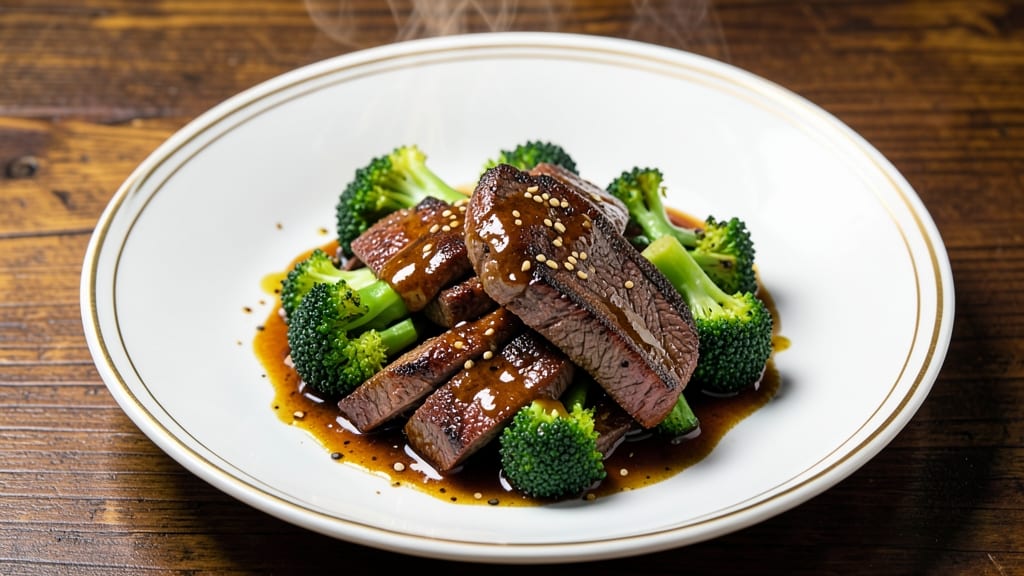
This beef and broccoli restaurant recipe delivers the same wok-seared perfection you crave at home—crispy edges on tender beef strips paired with vibrant broccoli and a velvety sauce that clings to every bite.
The secret lies in high-heat stir-frying and a sauce that balances sweet, salty, and umami flavors without overpowering the natural taste of the ingredients. I've perfected this technique after years of testing, ensuring every element comes together in perfect harmony.
What sets this recipe apart is the wok-sear technique, which creates those coveted crispy edges on the beef while keeping the interior tender and juicy. The broccoli gets just enough time to blanch while maintaining its bright green color and satisfying crunch.
Meanwhile, the sauce—made with soy sauce, garlic, ginger, and a touch of sugar—simmers until it reaches that ideal silky consistency that coats everything beautifully.
By the time you plate this dish, you'll have restaurant-quality beef and broccoli with perfectly seared beef strips, bright green broccoli florets, and a glossy sauce that ties it all together.
The aroma alone will have everyone gathering around the table, and the first bite delivers that perfect balance of textures and flavors that makes this dish a crowd-pleaser.
Serve it over steamed rice for the full experience, or pair it with noodles for a heartier meal. The technique is straightforward, but the results are undeniably impressive—this is the kind of dish that elevates a simple weeknight dinner into something special. Let's get cooking!
Ingredients for beef and broccoli restaurant
Restaurant-quality beef and broccoli starts with these carefully chosen ingredients—each playing a role in that perfect wok-seared crunch and velvety sauce.
| Ingredient | Amount | Notes |
|---|---|---|
| Flank Steak 🥩 | 1 lb | Thinly sliced against the grain |
| Fresh Broccoli Florets 🥦 | 2 cups | Medium stems trimmed |
| Extra-Virgin Olive Oil 🫒 | 2 tbsp | High smoke point preferred |
| Low-Sodium Soy Sauce 🥢 | 3 tbsp | Kikkoman preferred |
| Sesame Oil 🌿 | 1 tbsp | Toasted for aroma |
| Garlic Cloves 🧄 | 4 cloves | Minced for sauce |
| Fresh Ginger 🌿 | 1 tbsp | Grated, not powdered |
| Brown Sugar 🍯 | 1 tbsp | Light or dark |
| Cornstarch 🌾 | 1 tbsp | For sauce thickening |
| Sesame Seeds 🌱 | 1 tbsp | Toasted for garnish |
| Green Onions 🧅 | 2 whole | Sliced, white parts removed |
| White Rice 🍚 | 2 cups | Uncooked, long grain |
| Ground Black Pepper 🌶️ | ½ tsp | Freshly cracked |
The flank steak is non-negotiable for this dish—its lean yet tender texture holds up perfectly to the high-heat sear. Look for USDA Choice or Prime cuts at your local butcher or grocery store's meat department. Thinly slicing it against the grain (about 1/4-inch thick) ensures tender bites. For the broccoli, freshness matters most—bright green florets with tight buds indicate peak quality. Avoid pre-cut broccoli since it tends to get soggy. If you're short on time, frozen broccoli florets work in a pinch, but thaw and pat them completely dry before cooking to prevent excess moisture in your wok.
No sesame oil? Toasted peanut oil works just as well—it adds a similar nutty depth. Substituting regular soy sauce for low-sodium? Use half the amount since regular soy sauce is much saltier. Fresh ginger is ideal, but if you only have powdered, reduce to half a teaspoon—it lacks the same bright punch. The cornstarch is crucial for thickening the sauce; if you don't have any, arrowroot powder does the same job. For extra authenticity, add a pinch of white pepper to the sauce along with the black pepper—it's a common restaurant trick for that signature flavor. The green onions should be fresh, not dried, for that bright pop of color and freshness at the end.
Store the raw beef in an airtight container in the fridge for up to 3 days—use it within that time for best texture. Broccoli keeps well for 5 days in the fridge, but use it within 3 days for peak crispness. The sauce components (soy sauce, sesame oil, etc.) can be prepped ahead and stored in the fridge for 1 week, but make the sauce fresh when ready to cook for that perfect silky texture. Once cooked, this dish reheats beautifully—just warm over medium heat with a splash of water to keep the sauce from drying out. Portion into containers for easy lunches, and it'll stay fresh for 3 days in the fridge.
Why You'll Love This Recipe
- One-Pan Magic: I swear by this—just sear the steak, toss in the broccoli, and let the soy sauce work its sauce magic. No chopping boards, no extra pots, and honestly, the cleanup is just wiping one pan. (Yes, even on a Tuesday night.)
- Umami Bomb: That first bite? The flank steak stays juicy while the broccoli gets tender-crisp, all bathed in a glossy sauce from the low-sodium soy and a whisper of sesame oil. It’s the kind of flavor that makes you reach for seconds without thinking.
- Office Lunch Hero: Between us, this is my go-to for meal prep—packs perfectly, reheats like a dream, and still tastes restaurant-worthy. Swap the rice for noodles or cauliflower rice, and suddenly you’ve got a dish that works for lunch, dinner, or even a potluck.
- Budget Power Move: Flank steak stretches further than you’d think, and broccoli’s one of those veggies that’s always affordable. A single pan of this feeds four for under $20, and leftovers? They’re just as good cold the next day—trust me, I’ve tested it.
Step-by-step instructions for beef and broccoli with wok-sear perfection
Master the restaurant technique for caramelized beef and vibrant broccoli in this precise guide.
Prepare the Flank Steak for Maximum Tenderness
Slice the 1 lb flank steak thinly against the grain into ¼-inch thick strips. This is critical—cutting against the grain shortens the muscle fibers, ensuring each bite is tender. Place the sliced steak in a bowl and toss with 1 tbsp low-sodium soy sauce, 1 tbsp sesame oil, and 0.5 tsp ground black pepper. Let it marinate for 15-20 minutes at room temperature while you prep the remaining ingredients.
Here's the thing—room temperature meat sears more evenly. If you use cold meat, it'll steam instead of develop that perfect crust. While it marinates, trim any large stems from the 2 cups fresh broccoli florets and cut the green onions into ½-inch slices, discarding the white parts. Keep everything ready so you can work efficiently once the wok hits high heat.
Wok-Sear the Beef for Crispy Edges
Heat a wok or large skillet over high heat until it's smoking hot. Add 2 tbsp extra-virgin olive oil and swirl to coat the surface evenly. Working in batches if needed, add the marinated steak strips and stir-fry for 1-2 minutes until the edges turn deep golden brown and the beef is cooked to 145°F internally.
Don't overcrowd the pan—this is where most home cooks fail. If the beef steams instead of sears, you'll end up with tough, gray meat. Press down gently on the steak with a spatula during the first minute to prevent curling. Once the first batch is cooked, remove it to a plate and keep warm. Repeat with remaining steak, adding a bit more oil if needed.
Stir-Fry the Broccoli Until Vibrant Green
In the same wok, add the broccoli florets in a single layer and stir-fry for 2-3 minutes until they turn bright green and just begin to soften at the edges. You want them to retain a slight crunch—overcooking turns broccoli into mush. Season with 1 tbsp low-sodium soy sauce and 1 tbsp brown sugar while they cook.
Here's a pro tip: Toss the broccoli constantly with tongs to ensure even cooking. The sugar will caramelize slightly, adding depth of flavor. If the broccoli looks dry after cooking, add 1 tbsp water and cover for 30 seconds to steam lightly while you prepare the sauce.
Create the Silky Sauce
Reduce the heat to medium and add the 4 minced garlic cloves and 1 tbsp grated fresh ginger to the wok. Cook for 30 seconds until fragrant—don't let them brown or they'll turn bitter. Pour in the remaining 1 tbsp low-sodium soy sauce and 1 tbsp sesame oil.
In a small bowl, whisk together 1 tbsp cornstarch with 2 tbsp water to create a slurry. Slowly pour this into the wok while stirring constantly. The sauce will thicken immediately into a glossy, silky consistency. If it's too thick, add 1-2 tbsp water to reach your desired texture. Return the beef and broccoli to the wok and toss everything together for 1 minute to coat evenly.
Finish and Serve Over Steamed Rice
Transfer the beef and broccoli to a serving platter and sprinkle with 1 tbsp toasted sesame seeds and ½-inch sliced green onions. Serve immediately over 2 cups cooked white rice—the contrast of warm rice with the vibrant stir-fry makes every bite perfect.
This dish delivers the restaurant experience at home: crispy-tender beef with silky sauce clinging to every piece, bright green broccoli that pops with each bite, and that perfect balance of sweet, salty, and umami flavors. The key is timing—work efficiently so everything finishes cooking at the same moment for maximum freshness.
Pro Tips For Making Beef And Broccoli Restaurant
- Sear, Then Freeze: After slicing the flank steak against the grain, toss the pieces in a bowl and pop them in the freezer for 10 minutes. This keeps them from curling up when you hit the searing pan—no more uneven edges or burnt spots. (Yes, even if you're impatient like me.)
- Trim Broccoli Properly: Cut the florets into even 1-inch pieces, but don’t peel the stems—just trim the woody ends. The stems add texture and sweetness, and they won’t turn mushy if you blanch them for 30 seconds first. I learned this the hard way when my broccoli turned into a sad, limp pile.
- Soy Sauce in Stages: Don’t dump all the soy sauce at once. Add half when the beef hits the pan, then the rest after the broccoli joins—this keeps the sauce from turning bitter. Also, a splash of water or broth at the end helps it glaze properly. (Your future self will thank you.)
- Sesame Oil Last: Stir in the sesame oil just before serving—it’s not for cooking, it’s for aroma. If you add it too early, it burns and tastes bitter. A quick drizzle at the end gives that restaurant-quality nutty finish without overpowering the dish. (Does it look weird? Yes. Does it work? Every single time.)
Regional styles of this dish
Classic American-Chinese
This dish originated in American-Chinese restaurants during the mid-20th century, blending Chinese stir-fry techniques with Western tastes. The version you're making mirrors the classic diner-style preparation—tender beef strips with a glossy soy-ginger sauce and bright green broccoli.
I remember my first bite at a San Francisco Chinese restaurant in the '90s, where the sauce was so silky it practically melted in your mouth. 🌟
Taiwanese Home-Style
In Taiwan, beef and broccoli often features a lighter touch with less sugar in the sauce, emphasizing the natural flavors of the ingredients. Taiwanese home cooks frequently add a splash of Shaoxing wine to the sauce for depth, and they might include dried shiitake mushrooms for umami.
I've found that substituting 1 tbsp Shaoxing wine for part of the soy sauce adds incredible complexity without altering the dish's signature balance.
Hong Kong Wok-Hei
The Hong Kong version focuses on achieving wok-hei—that smoky, charred flavor from high-heat cooking. Restaurants there often use charred lard instead of oil for extra aroma, and the beef is typically cooked in batches to maintain that perfect sear.
For home cooks, I recommend using a carbon steel wok preheated until smoking to capture that authentic wok-hei essence. A quick tip: Add a pinch of white pepper to the sauce for that signature Hong Kong flavor profile.
Modern Fusion Twist
Today's chefs are putting their own spin on this classic. Some versions incorporate gochujang (Korean chili paste) for heat, while others add umeboshi (pickled plum) for a sweet-tangy contrast. I love adding 1 tsp gochujang to the sauce for a subtle heat that pairs perfectly with the sweetness.
Another fun twist is topping with crispy fried shallots for extra texture and aroma—just sprinkle them on just before serving.
Japanese Teriyaki Style
For a Japanese-inspired take, replace the soy sauce with teriyaki sauce (a mix of soy, mirin, and sugar) and add grated daikon radish to the stir-fry for texture. The teriyaki version tends to be sweeter and glossier, with a richer sauce that clings beautifully to the beef.
I recommend using 2 tbsp mirin in place of the brown sugar for that authentic Japanese sweetness without overpowering the dish.
Spicy Sichuan Variation
If you love heat, the Sichuan version adds dried chili peppers and Sichuan peppercorns to the sauce for a tingling, spicy kick. Start with 1 tsp Sichuan peppercorns (toasted and crushed) and 1 dried chili pepper (seeds removed) simmered in the sauce.
This version is all about the bold, complex flavors that balance the richness of the beef. Just be sure to toast the peppercorns in the wok first to release their aromatic oils. 🌶️
Nutrition facts
Frequently asked questions
Can I substitute flank steak with another cut of beef?
Sirloin or ribeye work well as direct substitutes, but slice them ¼-inch thick against the grain for tenderness. For leaner options, try top round—just marinate it longer (up to 30 minutes) to prevent dryness. Avoid fatty cuts like ribeye; they release too much fat during high-heat cooking, which can make the sauce greasy.
Why does my broccoli turn gray or mushy?
Overcrowding the pan or cooking at low heat causes this. Always stir-fry broccoli in a single layer over high heat for 2-3 minutes max—it should stay bright green with just a slight softening. If using frozen broccoli, thaw and pat completely dry first to prevent excess moisture. For extra vibrancy, add ½ tsp baking soda to the water when blanching (if pre-cooking), then rinse well.
How do I make the sauce thicker/thinner?
For a thicker sauce, whisk ½ tsp extra cornstarch with 1 tbsp water and stir into the wok. For a thinner consistency, add 1 tbsp water at a time while stirring. The key is the cornstarch slurry—it should be added slowly to avoid clumping. Pro tip: Simmer the sauce for 30 seconds after adding slurry to fully activate the thickening.
Can I make this dish ahead of time?
Yes, but with a twist! Cook the beef and broccoli separately, then store them in airtight containers in the fridge for 2 days max. Reheat the beef in a dry pan over medium-high heat for 2 minutes, then warm the broccoli with the sauce on low heat for 1-2 minutes. Never reheat the sauce alone—it can split and turn grainy. For best results, assemble fresh and serve immediately.
What's the secret to restaurant-style crispy edges on the beef?
Three things: high heat, room-temperature meat, and not overcrowding. Let the beef sit at room temp for 20 minutes before cooking, and use a carbon steel or cast-iron wok preheated until smoking. Cook in single layers, pressing down with a spatula for the first 30 seconds to prevent curling. The edges should brown in 1-2 minutes—if they don't, your pan isn't hot enough!