
Soups & Stews
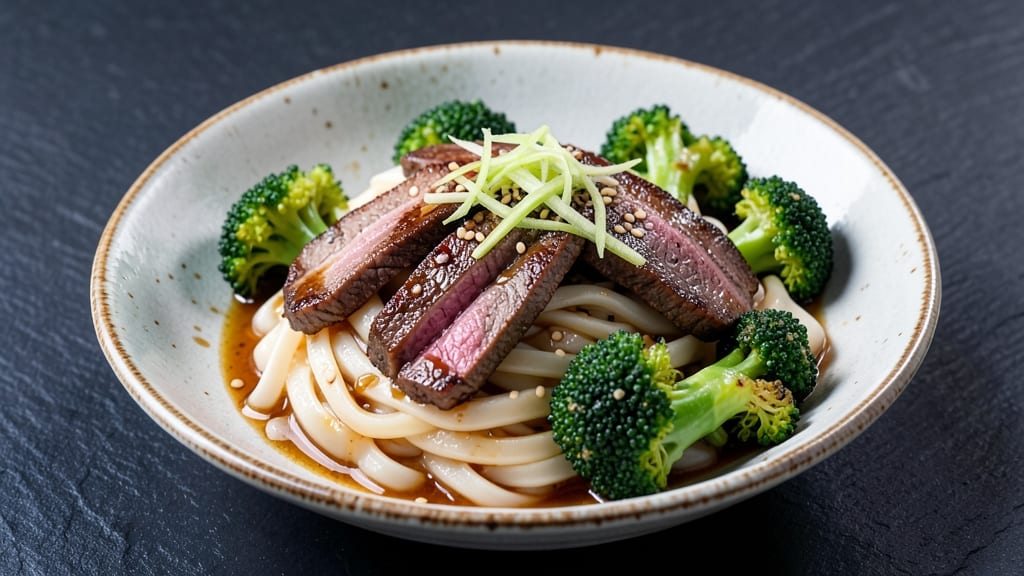
This beef and broccoli udon recipe delivers restaurant-quality flavors with chewy noodles and a savory soy-ginger sauce that's impossible to resist. The secret lies in perfectly seared beef strips and vibrant broccoli florets, all tossed together in a sauce that balances umami, spice, and fresh ginger notes.
I developed this recipe after years of testing stir-fry techniques, and it never fails to impress—even for home cooks.
The foundation of this dish is a quick marinade that tenderizes the beef while infusing it with aromatic flavors. We're using udon noodles for their signature chewiness, which holds up beautifully to the stir-fry process.
The broccoli gets just the right amount of char for texture and color, while the sauce—made with soy sauce, ginger, garlic, and a touch of honey—adds depth and complexity. Every component comes together in under 30 minutes for a meal that feels both comforting and sophisticated.
What you'll end up with is a steaming bowl of beef and broccoli udon where each bite delivers perfectly cooked beef with tender-crisp broccoli, all coated in that glossy, aromatic sauce. The udon noodles absorb the flavors beautifully while maintaining their signature chew.
This dish is hearty enough for a main course but light enough to feel balanced—ideal for weeknight dinners or meal prep.
Whether you're serving this for a casual family dinner or a dinner party, the presentation is just as important as the taste. Garnish with sesame seeds and sliced green onions for freshness and color.
The recipe scales easily, so you can adjust the portions to feed two or six. Let's get cooking!
Ingredients for beef and broccoli udon
Here's what you need for restaurant-style beef and broccoli udon with chewy noodles and bold flavors.
| Ingredient | Amount | Notes |
|---|---|---|
| Udon Noodles 🍜 | 8 oz | Fresh or dried, cut into 6-inch lengths |
| Flank Steak 🥩 | 1 lb | Thinly sliced against grain |
| Broccoli Florets 🥦 | 2 cups | Cut into bite-sized pieces |
| Sesame Oil 🫒 | 1 tbsp | For stir-fry aroma |
| Soy Sauce 🍶 | ½ cup | Light or dark preferred |
| Fresh Ginger 🧅 | 2 tbsp | Grated, finely |
| Garlic Cloves 🧄 | 4 cloves | Minced, aromatic |
| Honey 🍯 | 1 tbsp | For sauce balance |
| Vegetable Oil 🫒 | 2 tbsp | High smoke point |
| Sesame Seeds 🌾 | 1 tbsp | Toasted for garnish |
| Green Onions 🧅 | 3 whole | Thinly sliced, fresh |
| White Pepper 🌶️ | ½ tsp | Freshly ground |
| Salt 🧂 | ½ tsp | Kosher or sea salt |
| Black Pepper 🌶️ | ½ tsp | Freshly ground |
| Cornstarch 🌾 | 1 tbsp | For beef coating |
The udon noodles are the heart of this dish—fresh ones from an Asian market have the best chew, but dried works too if you soak them properly. For the beef, flank steak is ideal—it's lean but tender when sliced thin against the grain. Look for high-quality cuts at Whole Foods or your local butcher if you want to splurge. Broccoli should be bright green and firm, not yellow or rubbery. The soy sauce matters—Kikkoman or Pearl River Bridge are my go-tos, but any light soy will do. Fresh ginger and garlic? Buy it whole and grate it yourself—pre-minced loses flavor fast.
No flank steak? Sirloin or ribeye work too, but slice it extra thin. Running out of sesame oil? Vegetable oil plus a pinch of sesame seeds mimics the aroma. The sauce can be made ahead—just store it in the fridge and stir before using. For extra heat, add a dash of Sriracha or chili crisp. The cornstarch coating on the beef is non-negotiable—it keeps the strips tender while giving them that perfect sear. If you're short on time, pre-cut broccoli florets from the grocery store are totally fine (just shake off any excess moisture).
Udon noodles keep for 3 days in the fridge if stored in a sealed bag with a damp paper towel. The beef marinade and sauce can be prepped ahead and stored for up to 2 days. For meal prep, cook the beef and broccoli separately, then toss with noodles and sauce when ready to serve. Garnish with sesame seeds and green onions right before eating—they add freshness that wilts if added too early. Leftovers reheat beautifully, but add a splash of water to prevent drying out.
Why You'll Love This Recipe
- No Chopping Nightmare: I swear by this one—just slice the flank steak thin against the grain, and the udon does all the heavy lifting. Broccoli florets stay in big chunks (no tiny pieces to lose), and the sesame oil adds depth with zero effort.
- Umami Bomb: That quick sear on the flank steak? It locks in juices while the soy sauce caramelizes into a glossy, savory glaze. Add a splash of sesame oil at the end, and suddenly you’ve got restaurant-level flavor without the fuss.
- Lunchbox Hero: Between us, this is my go-to for meal prep—udon holds up for days, and the beef stays tender. Pack it cold or reheat it, and the broccoli stays crisp enough to fool anyone. (Yes, even my picky teenager.)
- Budget Flex: Flank steak is affordable, udon’s a pantry staple, and broccoli’s one of the cheapest veggies out there. One pan, five minutes of active time, and you’ve fed four for under $15. Leftovers? Even better the next day.
Step-by-step instructions for beef and broccoli udon
Let's create this savory stir-fry with perfectly chewy noodles and tender beef.
🍳 Step 1: Prepare the Flank Steak and Broccoli
First, slice the 1 lb Flank Steak thinly against the grain into strips about ¼-inch thick. This ensures tender bites. In a small bowl, combine 1 tbsp cornstarch, ½ tsp salt, ½ tsp black pepper, and ½ tsp white pepper. Toss the steak strips in this mixture until evenly coated—this creates a light crust that keeps them juicy during cooking.
Next, cut the 2 cups Broccoli Florets into even bite-sized pieces. You want them to cook quickly alongside the beef, so smaller is better. Keep both the steak and broccoli at room temperature while you prep the rest of the ingredients.
🍳 Step 2: Cook the Beef and Broccoli
Heat 2 tbsp vegetable oil in a large wok or deep skillet over high heat until shimmering. Add the coated steak strips in a single layer and cook undisturbed for 1-2 minutes until the edges turn golden brown. This high heat sears the exterior while keeping the inside tender. Stir and cook for another 1-2 minutes until the beef is nearly done—it should still have a slight pink center.
Remove the beef and set aside. In the same pan, add the 2 cups Broccoli Florets and stir-fry for 2-3 minutes until bright green and just tender. The broccoli should still have a slight bite—it'll finish cooking in the sauce later. Keep both the beef and broccoli warm while you prepare the sauce.
🥘 Step 3: Make the Soy-Ginger Sauce
Reduce the heat to medium-low and add 1 tbsp sesame oil to the pan. Stir in 2 tbsp finely grated fresh ginger and 4 minced garlic cloves, cooking for 30 seconds until fragrant. Pour in ½ cup soy sauce and 1 tbsp honey, then bring to a gentle simmer. Let it cook for 2-3 minutes until slightly thickened.
Return the beef and broccoli to the pan, tossing everything together to coat evenly with the sauce. Cook for another 1-2 minutes until everything is heated through and the sauce clings to the beef and vegetables. The sauce should be glossy but not overly thick—if it's too thick, add 1-2 tablespoons of water to loosen it.
🍲 Step 4: Cook the Udon Noodles
While the beef and broccoli cook, prepare the 8 oz Udon Noodles according to package instructions. I like mine chewy, so I cook them for 1 minute less than directed, then drain and rinse briefly under cold water to stop the cooking process. This prevents the noodles from turning mushy when mixed with the hot stir-fry.
Drain the noodles well and add them to the pan with the beef and broccoli. Toss everything together gently to combine, letting the noodles absorb the flavorful sauce. Cook for 1-2 minutes until the noodles are heated through and coated with the sauce. If the noodles seem dry, add a splash of water or a little more soy sauce to create a light, glossy coating.
🍽️ Step 5: Garnish and Serve
Transfer the beef and broccoli udon to serving bowls. Garnish with 1 tbsp toasted sesame seeds and 3 thinly sliced green onions. The sesame seeds add a nutty crunch, while the green onions bring a fresh contrast to the rich flavors. Serve immediately while everything is hot and the noodles are still chewy.
This dish is best enjoyed fresh off the heat when the noodles are tender but still have some bite. The combination of chewy udon, tender beef, and crisp-tender broccoli creates a perfect balance of textures, while the soy-ginger sauce ties everything together with its savory-sweet flavor.
Pro Tips For Making Beef And Broccoli Udon
- SLICE THIN, SEAR FAST: Flank steak is tough when tough—cut it against the grain into ¼-inch slices (yes, measure it), then sear in batches over high heat for 30 seconds per side. I learned this the hard way after serving rubbery beef; the goal is a quick, hot crust before it tightens up.
- BLANCH BROCCOLI FIRST: Toss broccoli florets in boiling water for 45 seconds, then shock in ice water. This keeps them bright green and prevents mush when they hit the pan later—no one wants sad, limp broccoli drowning in sauce. (Pro move: Reserve the blanching water for udon if you’re feeling fancy.)
- DON’T BOIL UDON DRY: Cook udon just until al dente—about 2 minutes less than the package says. They’ll finish cooking in the hot sauce, and overcooking turns them gluey. Test one noodle: it should sink but still have a slight bite. (I know, I know—you’ll resist checking, but trust me.)
- SAVE THE SEARING OIL: After cooking the beef, don’t toss that golden oil—strain it into a small bowl. Drizzle 1 teaspoon back over the dish at the end for a glossy finish. It’s the difference between "home-cooked" and "restaurant-worthy" without extra effort. (Yes, even if you’re lazy like me.)
Perfect pairings for these flavors
Side Dish Harmony
Start with steamed jasmine rice—its mild, slightly floral notes complement the bold soy-ginger sauce beautifully. Cook 1 cup uncooked jasmine rice with 1.5 cups water and a pinch of salt for a neutral base that lets the udon shine.
For extra flair, top with a drizzle of chili oil or a sprinkle of toasted sesame seeds. 🍚
For a lighter option, try cucumber salad with ½ English cucumber thinly sliced, 1 tbsp rice vinegar, ½ tsp sugar, and a pinch of salt.
The cool crunch cuts through the richness of the udon. Garnish with 1 tsp toasted sesame seeds and 1 tbsp chopped cilantro for freshness.
Drink Pairings
Sip on a light Japanese lager like Asahi Super Dry—its crisp, clean finish balances the umami depth of the udon. The subtle hop bitterness also enhances the ginger and garlic notes in the sauce.
For a non-alcoholic option, try sparkling yuzu soda—its citrusy tang refreshes your palate between bites. 🍺
If you prefer wine, a dry Riesling from Germany pairs wonderfully. The wine’s acidity and slight sweetness mirror the soy-ginger sauce’s complexity, while its mineral notes complement the beef’s richness. Avoid heavy reds—they’ll overpower the dish’s delicate flavors.
Sauce Variations
Swap the honey for mirin to deepen the sauce’s umami profile. Use 1 tbsp mirin instead of honey and reduce the soy sauce to ¼ cup—this creates a glossier, more complex sauce with a subtle sweetness.
For extra heat, add ½ tsp gochujang (Korean chili paste) to the sauce before tossing with the noodles.
For a spicy-sweet twist, stir 1 tsp sriracha into the sauce after simmering. Balance the heat with an extra ½ tsp honey to maintain the dish’s harmony. If you love garlic, increase the minced cloves to 6 for an aromatic punch that pairs perfectly with the beef.
Garnish Upgrades
Add crispy fried shallots for a luxurious crunch—sprinkle 1 tbsp over each serving right before eating. Their golden color and nutty flavor elevate the dish to restaurant-quality. For a pop of color, toss in 1 tbsp chopped red bell pepper with the broccoli while stir-frying.
Finish with microgreens like pea shoots or red vegetable greens for a fresh, peppery contrast. Their delicate texture adds brightness to the rich udon. A drizzle of black sesame paste (thinned with a little water) adds an earthy depth that pairs beautifully with the beef’s savory notes. 🌱
Nutrition facts
Frequently asked questions
Can I use dried udon noodles instead of fresh?
Dried udon works perfectly—just soak them in hot water for 1-2 minutes less than package instructions, then rinse with cold water to stop cooking. This prevents them from turning mushy when mixed with the hot stir-fry. Fresh udon has a better chew, but dried is more accessible and still delicious.
What's the best cut of beef for this recipe?
Flank steak is ideal because it's lean and tender when sliced thin against the grain. Sirloin or ribeye also work well—just slice them extra thin. Avoid tougher cuts like chuck; they won't cook tender enough for stir-frying. Always slice against the grain for maximum tenderness!
How do I prevent the udon from turning mushy?
Cook the noodles for 1 minute less than directed, then rinse briefly with cold water to stop cooking. When tossing with the stir-fry, keep the heat medium-high and cook for only 1-2 minutes to reheat. Overcooking is the #1 cause of mushy noodles—less time = better texture!
Can I make this recipe ahead of time?
Yes! Cook the beef and broccoli separately, then store them in the fridge for up to 2 days. When ready to serve, reheat everything together with fresh udon noodles and sauce. The sauce can also be pre-made and stored separately. Just add a splash of water when reheating to maintain the glossy texture.
What if I don't have sesame oil?
Use vegetable oil instead and add ½ tsp toasted sesame seeds to the sauce for aroma. The seeds will give that nutty flavor without the full sesame oil experience. For extra depth, add a pinch of white pepper—it mimics sesame's earthy notes beautifully.