
Side Dishes
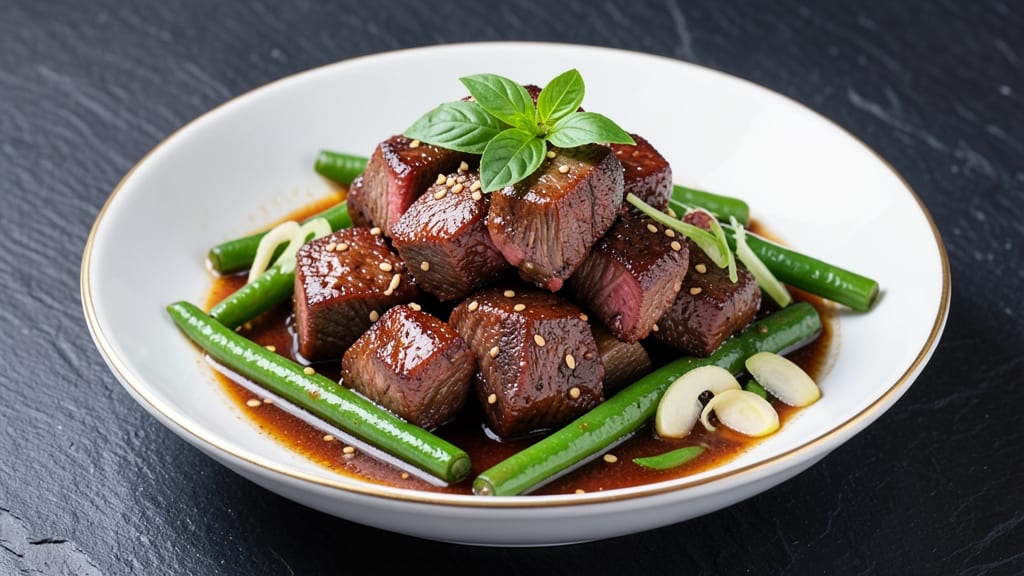
This Filipino beef and green beans recipe delivers bold flavors in a single pan, blending soy-ginger braising with tender beef and crisp-tender green beans.
The secret lies in balancing sweet soy sauce, aromatic ginger, and just enough garlic to create a sauce that's rich yet light—perfect for weeknight dinners or family gatherings.
I first made this during a busy week when I needed a dish that felt special but required minimal effort, and it quickly became a staple in our rotation.
The beauty of this recipe is its simplicity: just a few ingredients come together through a straightforward braising process. The beef develops deep, caramelized flavors while staying fork-tender, and the green beans retain their crisp texture by cooking just long enough to absorb the savory sauce.
This method also means one less dish to clean, making it ideal for those nights when you'd rather spend time with family than scrubbing pots.
What you'll end up with is a dish that's hearty enough to stand alone but pairs beautifully with steamed rice or a tangy side like atchara. The aroma alone—ginger, garlic, and soy working together—will have everyone at the table anticipating every bite.
The sauce is just thick enough to coat the beef and vegetables perfectly, creating a harmonious balance of sweet, salty, and umami.
Whether you're serving this for a casual family meal or a special occasion, it's a recipe that delivers restaurant-quality results with minimal fuss. The best part? Leftovers reheat wonderfully, so you can enjoy this flavorful dish for days. Let's get started on creating this Filipino-inspired masterpiece.
Ingredients for beef and green beans filipino
Nine core ingredients transform into a restaurant-worthy Filipino classic—rich, tender, and packed with bold flavors.
| Ingredient | Amount | Notes |
|---|---|---|
| Beef Chuck Roast 🥩 | 1 ½ lb | Cut into 1-inch cubes |
| Green Beans 🥦 | 1 ½ lb | Trimmed, cut in half |
| Soy Sauce 🍶 | ½ cup | High-quality, preferably Japanese |
| Fresh Ginger 🧄 | ½ cup | Finely grated, peeled |
| Garlic Cloves 🧄 | 6 cloves | Minced, fresh preferred |
| Brown Sugar 🍚 | ¼ cup | Packed, light brown preferred |
| Vegetable Oil 🫒 | 2 tbsp | For searing beef |
| Water 💧 | 1 cup | Or substitute beef broth |
| White Vinegar 🍶 | 1 tbsp | For brightness |
| Black Peppercorns 🌶️ | 1 tsp | Freshly cracked |
| Salt 🧂 | 1 ½ tsp | Kosher or sea salt |
| Fish Sauce 🍶 | 1 tbsp | Optional, for umami depth |
| Green Onions 🧅 | 4 whole | Sliced, for garnish |
| Steamed White Rice 🍚 | 2 cups | For serving |
The beef is everything here. Chuck roast breaks down beautifully, giving you that signature fork-tender texture, while leaner cuts like sirloin stay tough. I always grab mine from Costco when I'm prepping for the week—they sell it pre-cubed, which saves time. If you're buying a whole roast, ask your butcher to cut it into 1-inch cubes for even cooking. Fresh ginger and garlic are non-negotiable—they're the aromatic backbone of this dish. Look for ginger with tight, smooth skin and no soft spots, and grab garlic that's firm and free of sprouts. The soy sauce? Japanese brands like Kikkoman have that perfect balance of salt and umami, but any good-quality soy will work.
No fish sauce? A dash of Worcestershire sauce (check for anchovies if strict about veg) or even more soy sauce will add depth. Running short on brown sugar? Substitute honey or maple syrup, but reduce the amount by half since they're sweeter. The green beans should be crisp-tender—that's why we add them later in the cooking process. If you can't find fresh green beans, frozen work perfectly (no thawing needed). For the vinegar, rice vinegar adds a subtle sweetness, but white vinegar is fine in a pinch. The black peppercorns? Freshly cracked makes all the difference—if you don't have a pepper grinder, crush them with the flat of your knife. And that fish sauce? Red Boat is my go-to, but any reputable brand will do.
This dish tastes even better the next day as the flavors meld together. Portion into airtight containers and it'll keep for 4-5 days in the fridge. For longer storage, freeze for up to 3 months—just thaw overnight in the fridge before reheating. The sauce thickens as it cools, so a splash of water when reheating helps restore its glossy texture. I always make extra because it reheats so well for lunches. Steamed jasmine rice is traditional, but basmati or even cauliflower rice works if you're watching carbs. Garnish with those sliced green onions right before serving—they add a fresh pop of color and brightness that ties everything together.
Why You'll Love This Recipe
- One-Pot Magic: I swear by this recipe when I’m too tired to juggle three pans. The beef chucks away tender, the green beans blanch right in the same pot—no extra bowls, no extra mess. Just stir, simmer, and let the soy sauce work its magic while you sip your coffee.
- Umami Bomb: That first bite? The ginger and garlic caramelize into something ridiculously good, especially when the beef gets fork-tender. The soy sauce cuts through the richness, leaving you with a dish that’s salty, sweet, and deeply savory—no fancy ingredients, just pure flavor.
- Lunchbox Hero: Between us, this is my go-to for meal prep. The beef stays juicy for days, and the green beans hold their crunch if you store them separately. Pack it in bento boxes for work or school lunches—your future self will thank you when you’re not ordering takeout at noon.
- Budget Stretch: A single chuck roast feeds my family of four and leaves leftovers for two more meals. Green beans are cheap when you buy them fresh or frozen, and ginger/garlic last weeks in the freezer. It’s the kind of recipe that makes grocery day feel like a win.
Step-by-step instructions for soy-ginger braised beef and green beans
This one-pan wonder delivers tender beef and crisp-tender green beans in a rich, aromatic sauce.
Sear the Beef Chuck Roast for Deep Flavor
Heat the 2 tablespoons vegetable oil in a large, heavy-bottomed skillet over medium-high heat. Add the 1.5 lb beef chuck roast, cut into 1-inch cubes, in a single layer without overcrowding. Let each piece sear undisturbed for 2-3 minutes until deeply browned on all sides.
This searing step builds the foundation of flavor by creating a rich, caramelized crust on the beef. I like to work in batches if needed—just be sure to add a bit more oil between rounds. Once all pieces are browned, remove them from the skillet and set aside on a plate.
Sauté Aromatics Until Fragrant
In the same skillet (no need to wipe it clean—those browned bits are pure flavor), add the 6 cloves minced garlic and 0.5 cup finely grated fresh ginger. Cook over medium heat for 1-2 minutes until the garlic turns golden and the ginger becomes fragrant.
Here's where it gets good—you'll smell that aromatic punch of garlic and ginger filling your kitchen. If the aromatics start to brown too quickly, reduce the heat slightly to medium-low. This step ensures the flavors meld together perfectly before we add the other ingredients.
Deglaze and Build the Sauce
Pour in the 0.5 cup soy sauce, 1 cup water, 1 tablespoon white vinegar, and 0.25 cup packed brown sugar. Stir well to scrape up all those delicious browned bits from the bottom of the pan. Return the beef to the skillet, bringing all the juices with you.
Bring the mixture to a gentle simmer over medium heat, then reduce heat to low. Cover the skillet and let it cook for 45-50 minutes, stirring occasionally. You want the beef to become fork-tender and the sauce to thicken slightly. This low-and-slow cooking ensures the beef stays juicy and absorbs all those amazing flavors.
Add Green Beans and Simmer Together
After the beef has cooked for 45 minutes, add the 1.5 lb trimmed and halved green beans to the skillet. Stir to combine, then cover and let it cook for another 10-12 minutes until the green beans are crisp-tender. They should still have a slight bite to them—overcooking will make them mushy.
If the sauce seems too thick, add a splash of water or beef broth to loosen it. The green beans will absorb some of the liquid, so don't worry if it looks a bit dry at first. Taste the sauce and adjust seasoning with 1.5 teaspoons salt and 1 teaspoon freshly cracked black peppercorns if needed.
Finish with Fish Sauce and Garnish
Stir in the 1 tablespoon fish sauce (if using) and let the mixture simmer uncovered for 2-3 minutes to allow the flavors to meld together. The fish sauce adds a deep umami note that really elevates the dish.
Remove the skillet from heat and let it rest for 5 minutes. Garnish with 4 sliced green onions just before serving. This dish tastes even better after a short rest—it gives the flavors time to settle and the sauce to thicken slightly. Serve hot over 2 cups steamed white rice for the perfect Filipino meal.
Pro Tips For Making Beef And Green Beans Filipino
- Sear the Beef First: High heat for 3-4 minutes per side—this isn’t just for flavor, it’s what keeps the chuck roast tender. I used to skip this, and the beef always turned out tough, no matter how long I braised it after.
- Trim Green Beans Properly: Cut the ends at an angle and snap the tough stems off—don’t just chop them randomly. This makes them cook faster and look neater, which actually matters when you’re serving a dish that’s supposed to look as good as it tastes.
- Deglaze with Soy Sauce: Let the garlic and ginger brown first, then hit the pan with a splash of water or white wine before adding soy sauce. This pulls up all the stuck-on bits, giving your sauce depth instead of just a thin, salty glaze.
- Add Green Beans Late: Wait until the beef is halfway done before tossing in the green beans—about 15-20 minutes in. They cook fast and stay crisp, which is the whole point of including them in this dish. Overcook them, and you’ve ruined the texture.
Common mistakes when making this dish
Overcrowding the Pan
One of the biggest mistakes is overcrowding the skillet when searing the beef. When you pile too many pieces in at once, they'll steam instead of sear, resulting in pale, flavorless beef.
Work in batches if needed—just add a little more vegetable oil between rounds. I usually sear about 1/3 of the beef at a time for perfect browning. 🔥
Skipping the Sear
If you skip searing the beef completely and just simmer it in the sauce, you'll miss out on that deep, caramelized flavor that comes from the Maillard reaction.
Even a quick sear makes a world of difference. I promise, taking those extra 5-10 minutes upfront will make your dish taste restaurant-quality.
Adding Green Beans Too Early
The green beans need to stay crisp-tender, which means adding them too early will turn them mushy. Wait until the beef has cooked for 45 minutes before adding them—this ensures they only cook for 10-12 minutes in the sauce.
If you add them sooner, they'll absorb too much liquid and lose their texture.
Ignoring the Resting Time
Rushing to serve this dish right after cooking is a mistake. Letting it rest for 5 minutes allows the flavors to meld together and the sauce to thicken slightly.
I've learned this the hard way—skipping the rest makes the sauce watery and the flavors uneven. Trust me, that short wait makes all the difference. ⏰
Using Low-Quality Soy Sauce
Not all soy sauces are created equal. Using a cheap, salty soy sauce will overpower the dish. Opt for a high-quality Japanese soy sauce like Kikkoman or S&B Golden Soy Sauce.
The difference in flavor is noticeable—your sauce will be more balanced and complex. If you're using a substitute, reduce the amount slightly since some brands are saltier.
Overcooking the Beef
Beef chuck roast is designed to be tender when cooked low and slow, but pushing it beyond 50 minutes can turn it tough. Check for doneness by inserting a fork—it should slide in easily.
If you're worried about undercooking, remember that the beef will continue cooking slightly while resting. Overcooking is a common mistake that ruins an otherwise perfect dish. 💡
Nutrition facts
Frequently asked questions
Can I substitute regular beef for chuck roast?
While you can use leaner cuts like sirloin or flank stein, chuck roast is ideal because it stays tender when braised. If substituting, cut the beef into smaller pieces (½-inch cubes) and reduce the cooking time to 30-35 minutes to prevent toughness. For best results, marinate lean cuts in soy sauce for 30 minutes before cooking.
What if I don't have fish sauce?
Fish sauce adds umami depth, but you can substitute with 1 tablespoon soy sauce + ½ teaspoon Worcestershire sauce (check for anchovies if avoiding fish). For a vegetarian option, use 1 tablespoon mushroom sauce or an extra ½ teaspoon soy sauce. The dish will still taste delicious—just slightly less complex.
How can I make this dish spicier?
Add ½ teaspoon ground black pepper or 1-2 slices of fresh chili (like siling labuyo) when sautéing the aromatics. For heat lovers, stir in 1 tablespoon gochujang (Korean chili paste) during the final 2-3 minutes of cooking. Adjust to taste—Filipino flavors balance heat with sweetness beautifully.
Can I make this recipe in a slow cooker?
Sear the beef as directed, then transfer everything to a 6-quart slow cooker. Add the remaining ingredients and cook on LOW for 6-7 hours or HIGH for 3-4 hours. Add green beans in the last 30 minutes to prevent mushiness. The slow cooker version is even more tender and flavorful!
What's the best way to reheat leftovers?
Reheat in a skillet over medium-low heat with 1-2 tablespoons water to loosen the sauce. Cover and warm for 5-7 minutes**, stirring occasionally. Avoid microwaving—it makes the green beans soggy. For extra flavor, add a splash of soy sauce when reheating. Leftovers taste even better the next day!