
Breakfast & Brunch
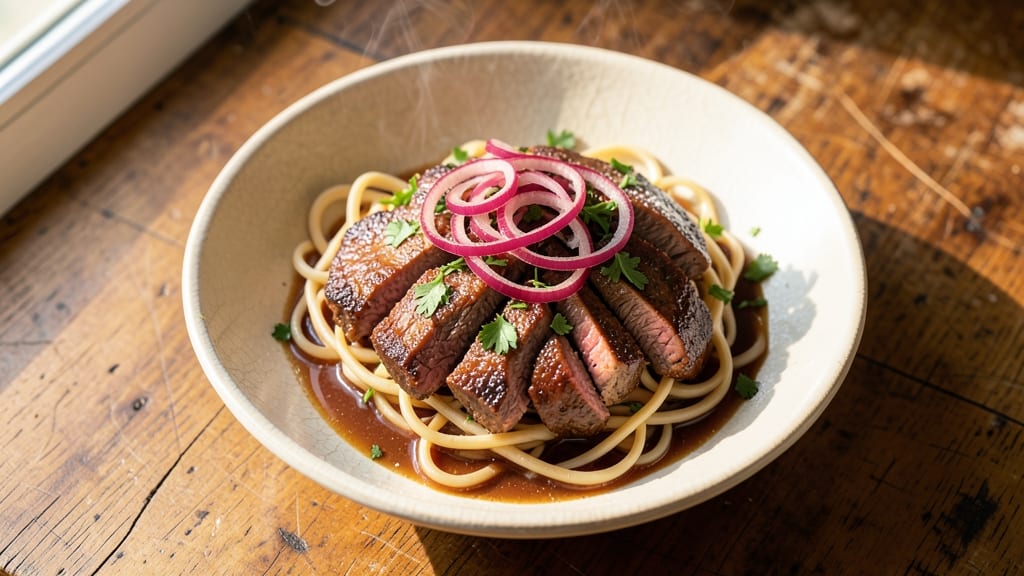
This beef and homemade egg noodles recipe delivers the ultimate comfort food experience with tender beef and perfectly hand-pulled noodles that transform a simple meal into a hearty homestyle stew.
The secret lies in slow-cooked beef that practically melts in your mouth, paired with fresh egg noodles that absorb every rich, savory note from the broth.
I developed this recipe after realizing how much better homemade noodles taste compared to store-bought—there's simply no comparison when it comes to texture and flavor.
What sets this dish apart is the combination of traditional techniques with modern convenience. You'll start with a simple beef marinade that tenderizes the meat while adding depth of flavor, then slow-simmer it until fork-tender.
Meanwhile, the homemade egg noodles get their signature texture from a perfect balance of flour, eggs, and a touch of salt—no fancy equipment required, just basic kitchen tools and about 20 minutes of prep time.
The result is a dish that feels both rustic and refined, perfect for cozy family dinners or special occasions.
The assembly is where the magic happens—thick, aromatic broth infused with beef, combined with those delicate homemade noodles that turn soft and silky as they cook. Each bite delivers a perfect balance of hearty beef, tender noodles, and richly flavored sauce that coats every strand.
This recipe serves 4-6 and comes together in about 1 hour, making it ideal for weeknight suppers when you want something satisfying without spending all day in the kitchen.
Whether you're serving this as a main course or pairing it with simple steamed vegetables, the combination of homemade noodles and slow-cooked beef creates a dish that's impossible to resist. The best part?
You can make the noodles ahead of time and store them in the fridge, so all you need to do when you're ready to serve is boil and assemble. Let's get started on creating this comforting classic that will become a staple in your home.
Ingredients for beef and homemade egg noodles
Six ingredients for the beef, eight for the noodles—just good stuff from your pantry.
| Ingredient | Amount | Notes |
|---|---|---|
| Beef Chuck Roast 🥩 | 2 lb | Cut into 1-inch cubes |
| All-Purpose Flour 🌾 | 3 cups | For noodles, sifted |
| Large Eggs 🥚 | 4 whole | Room temperature |
| Kosher Salt 🧂 | 1 ½ tsp | Divided for noodles and broth |
| Ground Black Pepper 🌶️ | 1 tsp | Freshly cracked |
| Yellow Onion 🧅 | 1 whole | Diced, medium size |
| Garlic Cloves 🧄 | 6 cloves | Minced, fresh preferred |
| Carrots 🥕 | 2 medium | Peeled, chopped into chunks |
| Celery Stalks 🥬 | 2 whole | Diced, with leaves |
| Tomato Paste 🍅 | ½ cup | Smooth, no sugar added |
| Dry Red Wine 🍷 | 1 cup | Bold, like Cabernet |
| Beef Broth 💧 | 4 cups | Low-sodium preferred |
| Fresh Thyme Leaves 🌿 | ½ cup | Or 1 tbsp dried |
| Bay Leaves 🍃 | 2 whole | Dried, removed before serving |
| Olive Oil 🫒 | 2 tbsp | Extra-virgin for richness |
The beef is where this dish shines. Chuck roast is your secret weapon—it stays tender while the fat renders into the broth. Grab the pre-cubed version at Costco or Walmart to save time, or ask your butcher to cut it for you. Look for good marbling—those white fat streaks melt into flavor gold. For the noodles, King Arthur flour is my go-to, but any all-purpose works. The eggs? Room temperature is key—they'll blend smoother and give you those perfect silky noodles. No fancy equipment needed, just a rolling pin and a little elbow grease.
No red wine? Beef broth plus 1 tbsp balsamic vinegar works in a pinch. Fresh thyme is ideal, but dried at one-third the amount gets you close. The carrots and celery can be baby versions if that's what's in your fridge—just chop them small. For the tomato paste, those squeeze tubes from Trader Joe's are perfect—no waste, and they keep forever. The beef broth? Low-sodium is crucial here, or you'll end up with a salty stew. If you're short on time, store-bought egg noodles work in a bind, but trust me on the homemade version.
Make the noodles first—they take about 20 minutes to rest, and you can prep them ahead. Store them in the fridge for 2 days or freeze for 3 months. The beef broth? It tastes even better the next day—4-5 days in the fridge, or freeze for 6 months. I always double the broth and freeze half for future soups. The noodles reheat beautifully—just boil for 2 minutes and toss with a little olive oil to keep them tender. This is the kind of meal that gets better as leftovers!
Why You'll Love This Recipe
- No-Fuss Homemade Noodles: I swear by these egg noodles—just flour, eggs, and salt, rolled out and cut in minutes. No fancy equipment, no waiting for store-bought to boil over. The texture? Chewy but tender, like the kind your grandma used to make, but without the fuss of kneading for hours.
- Deep, Savory Beef: That chuck roast, slow-cooked until it practically falls apart, soaks up all the rich flavors. Honestly, I could eat it plain with crusty bread, but the noodles? They’re the perfect soft pillow for every bite—no dry, boring beef here.
- Leftovers That Shine: This dish actually improves the next day. The noodles soften just right, and the beef gets even more tender. I’ll be real: I’ve reheated these for lunch three times this week, and no one’s complained—yet.
- Budget Meal for Crowds: A single chuck roast feeds six, and the noodles cost pennies to make. Between us, this is my go-to for game nights or when my college-age kids bring friends over. Everyone leaves happy, and my wallet stays intact.
Step-by-step instructions for beef and homemade egg noodles
Here's how to make this comforting stew with tender beef and perfectly hand-pulled noodles.
Make the Hand-Pulled Egg Noodles
In a large bowl, whisk together the 3 cups all-purpose flour and 1.5 teaspoons kosher salt (reserve 1 teaspoon for later). Gradually add the 4 room temperature eggs, mixing until a shaggy dough forms. Knead on a lightly floured surface for 8-10 minutes until smooth and elastic. The dough should be pliable but not sticky—if it sticks, add a little more flour.
Wrap the dough in plastic and let it rest for 30 minutes. This resting period relaxes the gluten, making the noodles tender. After resting, divide the dough into 4 equal pieces and roll each piece into a thin sheet (about 1/16-inch thick) using a rolling pin. Cut the sheets into 1-inch wide strips and toss them in the reserved 1 teaspoon kosher salt. Set aside while you prepare the stew.
Sear the Beef and Build the Stew Base
Heat the 2 tablespoons olive oil in a large Dutch oven over medium-high heat. Add the 2 lb beef chuck roast, cut into 1-inch cubes, in a single layer. Let the beef sear undisturbed for 3-4 minutes until deeply browned on all sides. This step builds rich flavor—don’t rush it.
Remove the beef and set it aside. In the same pot, add the 1 diced yellow onion, 6 minced garlic cloves, 2 chopped carrots, and 2 diced celery stalks. Cook for 5-6 minutes until the vegetables soften and release their fragrance. Stir in the 0.5 cup tomato paste and cook for another 2 minutes until it darkens slightly.
Deglaze and Simmer the Stew
Pour in the 1 cup dry red wine, scraping up any browned bits from the bottom of the pot. Let it simmer for 3-4 minutes until the alcohol smell dissipates. Add the 4 cups beef broth, 0.5 cup fresh thyme leaves, and 2 bay leaves. Bring to a boil, then reduce heat to low and return the beef to the pot.
Cover and simmer for 2-2.5 hours, stirring occasionally, until the beef is fork-tender. The stew should reduce slightly, creating a thick, flavorful sauce. Taste and adjust seasoning with ground black pepper if needed. Real talk: this is where patience pays off—don’t skip the simmering time.
Cook the Noodles and Finish the Stew
While the stew simmers, boil a large pot of salted water. Add the hand-pulled noodles and cook for 2-3 minutes—they’ll finish cooking in the stew. Drain and set aside.
Just before serving, add the cooked noodles to the stew along with the 2 tablespoons olive oil. Simmer for 1-2 minutes to let the noodles absorb the rich flavors. Remove the bay leaves before serving. Ladle the stew into bowls, ensuring each serving has a generous portion of beef and noodles.
Pro Tips For Making Beef And Homemade Egg Noodles
- Sear the Chuck Hard: After burning three batches of beef, I finally figured out: hit that chuck roast with a screaming-hot cast iron for 4-5 minutes per side before anything else. The crust locks in flavor and keeps the meat from drying out later—no matter how long you slow-cook it afterward.
- Chill the Dough: I used to rush the noodle dough straight into rolling, and it always stuck or tore. Now I wrap it in plastic and let it rest in the fridge for at least 30 minutes. The gluten relaxes, and the eggs bind better—your noodles will be silky, not gummy.
- Salt the Water Late: Boil your noodles in plain water first, then add salt after they hit the pot—about 1 tablespoon per quart. This prevents the eggs in the dough from curdling prematurely, which I learned the hard way when my noodles turned rubbery mid-cook.
- Use Cold Butter: Toss your cooked noodles in cold, cubed butter (not melted) right after draining. The cold fat coats each strand instantly, making them richer without turning mushy—my grandmother swore by this, and she was right.
Pro cooking tips for great beef and homemade egg noodles
Dough Perfection Tips
For silky-smooth noodles, always use room temperature eggs—they blend more easily and create a tender dough. I swear by King Arthur flour for its consistent texture, but any all-purpose works. Knead the dough for 8-10 minutes until it's smooth and elastic—this develops the gluten for that perfect chew.
If the dough feels sticky, add just a pinch more flour, but don't overdo it or the noodles will turn tough. 🌾
Rolling Like a Pro
Use a rolling pin to flatten each dough piece to about 1/16-inch thickness—any thicker and the noodles won't cook evenly. I like to roll from the center outward, rotating the dough frequently. For even thickness, press down firmly but evenly.
If you don't have a rolling pin, a heavy wine bottle works in a pinch! Cut the sheets into 1-inch wide strips with a sharp knife or pasta machine for clean edges.
Beef Browning Magic
Don't skip the 3-4 minute sear on the beef—this creates the deep, caramelized flavors that make the stew unforgettable. Work in batches if needed to avoid crowding the pan. The beef should be deeply browned before removing it.
I use a Dutch oven because it holds heat well and makes cleanup easier. For extra flavor, add a pinch of salt and pepper right after searing while the pan is still hot. 🥩
Simmering Secrets
Keep the stew at a gentle low simmer—a steady bubble, not a rolling boil. This slow cook ensures the beef becomes fork-tender without drying out. I like to stir every 20-30 minutes to prevent sticking.
The broth should reduce slightly, creating a rich, concentrated sauce. Taste and adjust seasoning with black pepper or a splash of red wine if needed. Patience here makes all the difference!
Noodle Timing Trick
Cook the noodles for just 2-3 minutes in boiling water—they'll finish cooking in the stew. This prevents them from turning mushy. I like to add them to the stew right before serving so they soak up all those delicious beefy flavors.
If making ahead, store the raw noodles in the fridge for up to 2 days or freeze for 3 months. They reheat beautifully—just boil for 2 minutes and toss with a little olive oil. ✨
Nutrition facts
Frequently asked questions
Can I make the egg noodles ahead of time?
Roll and cut the noodles up to 2 days in advance, then store them in an airtight container in the fridge. For longer storage, freeze them for up to 3 months. When ready to cook, simply boil for 2-3 minutes—they'll finish cooking in your stew. This makes prep a breeze for busy weeknights!
What cut of beef works best for this recipe?
Chuck roast is ideal because it stays tender when slow-cooked, but you can also use stew meat or brisket. Avoid lean cuts like sirloin—they'll dry out. Look for well-marbled beef with visible fat, which melts into the broth for extra flavor. If using pre-cubed beef, it saves you chopping time!
How do I fix tough homemade noodles?
Over-kneading or adding too much flour makes noodles tough. If your dough feels dry, add 1 teaspoon water at a time. For cooking, never over-boil—2-3 minutes in hot water is perfect. The remaining cooking happens in the stew. If they're still too firm, try adding 1 extra egg to the dough next time for extra tenderness.
Can I substitute red wine in the stew?
Yes! Use 1 cup beef broth plus 1 tablespoon balsamic vinegar for a similar depth of flavor. Or try 1 cup beef broth with 1 teaspoon soy sauce for an umami boost. The wine adds acidity that tenderizes the beef—just know these substitutes will have slightly different profiles. Don't skip the deglazing step though!
How do I reheat leftovers without drying them out?
Reheat gently in a pot with 2 tablespoons water or broth over low heat for 5-7 minutes, stirring occasionally. For microwave reheating, cover with a damp paper towel and heat in 30-second intervals until hot. Avoid high heat—it turns noodles mushy. This dish actually tastes better the next day as flavors meld!