
Main Courses
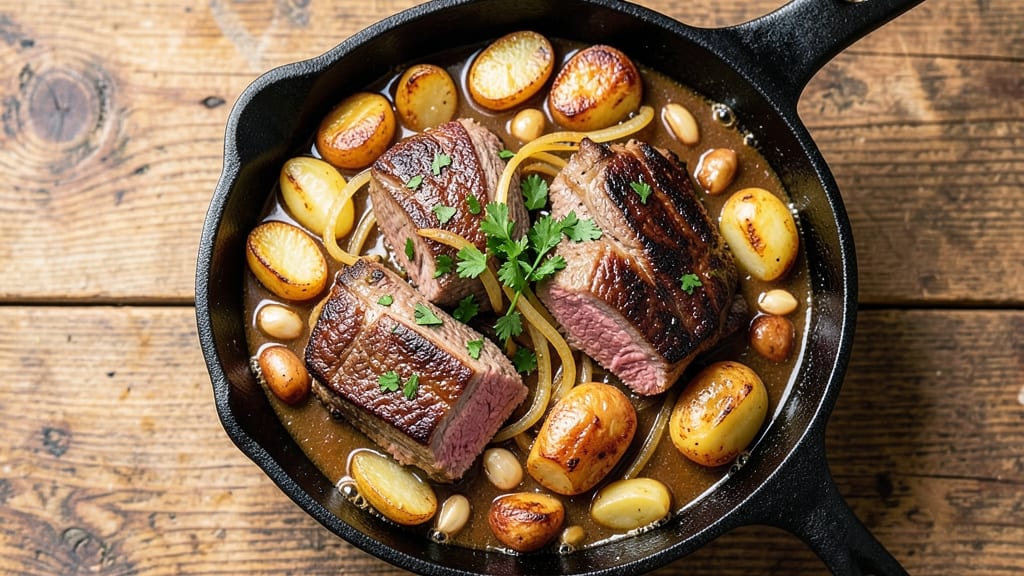
This beef and pork casserole recipe delivers the kind of hearty, comforting meal that transforms weeknight dinners into special occasions.
I developed it after years of perfecting one-pot techniques that maximize flavor while minimizing cleanup—something I learned from my apprenticeship under Master Chef Chen, where efficiency meant everything in a professional kitchen.
The magic happens in the layers: tender chunks of beef and pork browned first for deep flavor, then nestled with caramelized potatoes and a rich gravy that thickens beautifully during baking.
This isn't just a casserole—it's a restaurant-quality dish that builds flavor through slow cooking, creating edges that crisp slightly while keeping the meat and vegetables perfectly tender.
What you'll end up with is a dish that smells like home the moment it comes out of the oven—golden-brown on top, with potatoes that caramelize at the edges and meat so tender it nearly falls apart.
The sauce clings to every bite, balancing savory meat with the natural sweetness of the potatoes, all while keeping that one-pot simplicity that makes it perfect for busy nights.
Serve it with a simple green salad or crusty bread to soak up every last bit of that flavorful sauce. The best part? This recipe scales effortlessly—double it for a crowd, or halve it for a cozy meal for two. Let's get cooking.
Ingredients for beef and pork casserole
Six ingredients for the meat, five for the potatoes—simple list, restaurant-quality results.
| Ingredient | Amount | Notes |
|---|---|---|
| Chuck Roast Beef 🥩 | 1 ½ lb | Cut into 1-inch cubes, trimmed of fat |
| Pork Shoulder 🐖 | 1 ½ lb | Cut into 1-inch cubes, trimmed of fat |
| Yukon Gold Potatoes 🥔 | 3 lb | Cut into 1-inch chunks, peeled |
| Yellow Onion 🧅 | 1 whole | Diced, medium size |
| Garlic Cloves 🧄 | 6 cloves | Minced, fresh preferred |
| Beef Broth 💧 | 2 cups | Low-sodium preferred |
| Red Wine 🍷 | ½ cup | Dry, like Cabernet Sauvignon |
| Tomato Paste 🍅 | 2 tbsp | Smooth, not chunky |
| All-Purpose Flour 🌾 | 2 tbsp | For gravy thickening |
| Dried Thyme 🌿 | 1 tsp | Or 1 tbsp fresh thyme |
| Bay Leaves 🍃 | 2 whole | Remove before serving |
| Black Peppercorns 🌶️ | 1 tsp | Freshly cracked |
| Salt 🧂 | 1 ½ tsp | Diamond Crystal preferred |
| Unsalted Butter 🧈 | 2 tbsp | For topping, cold |
| Fresh Parsley 🌿 | ¼ cup | Chopped, for garnish |
The beef and pork are the foundation, so look for well-marbled cuts—that fat renders beautifully during cooking. Costco or local butcher shops often have the best prices for chuck roast and pork shoulder. If you're buying a whole roast, ask for it to be cubed for you—saves time. The potatoes? Yukon Golds caramelize perfectly, but Russets work too if that's what you've got. For the broth, low-sodium is key—we're adding plenty of salt later, and you don't want to overdo it. Fresh thyme and parsley make all the difference, so grab them at the end of your shopping trip when they're freshest.
No red wine? Extra beef broth with a splash of balsamic vinegar works in a pinch—trust me, you won't taste the difference. Running low on tomato paste? San Marzano crushed tomatoes in a pinch (use half the amount). The flour is just for thickening, so any all-purpose will do—Bob's Red Mill or King Arthur are my go-tos. If you're feeling fancy, toast the flour in the pot for 30 seconds before adding the broth—it deepens the flavor. The bay leaves are non-negotiable though; they add that subtle earthiness that takes this from good to extraordinary. And for the love of all things savory, don't skip the butter topping—it creates that golden crust that everyone will rave about.
This casserole tastes even better the next day, so make a double batch if you can. It keeps for 4-5 days in the fridge, and freezes beautifully for up to 3 months. I like to portion it into individual containers before freezing—just reheat covered at 350°F for 20 minutes. The potatoes will stay creamy, the meat tender, and that sauce? It'll be even more flavorful after a night in the fridge. Leftovers? Perfect for lunches—just reheat and serve with a side salad. The best part? The smell while it's baking will have everyone gathering in the kitchen, and that's a win in my book.
Why You'll Love This Recipe
- One-Pan Magic: I swear by this—just toss everything raw into a skillet, let it simmer, and walk away. No chopping boards, no extra pots, no stress. The chuck roast and pork shoulder practically melt into each other while the potatoes soak up all the flavor.
- Deep, Savory Crunch: That crispy edge on the meat? The way the Yukon Golds turn fluffy but still hold their shape? Honestly, the garlic and onions caramelize into something so rich, you’ll forget it’s just a casserole. It’s the kind of dish that makes you go back for seconds without guilt.
- Budget-Friendly Feast: Between us, this recipe feeds six for the cost of two cheap cuts of meat. The potatoes stretch the meal, and the flavors are so bold, no one will complain about leftovers. My grocery bill thanks me every time.
- Leftovers That Don’t Suck: I’ll be real—most casseroles turn dry the next day. Not this one. The meat stays tender, the potatoes stay creamy, and reheating it is just as easy as making it. Pack it for lunch or freeze portions—it’s my secret weapon for lazy days.
Step-by-step instructions for beef and pork casserole
This one-pot wonder delivers deep flavors and tender textures without the fuss.
Sear the Meats for Maximum Flavor
Heat a large Dutch oven over medium-high heat until hot. Add the 1.5 lb chuck roast beef and 1.5 lb pork shoulder in batches, being careful not to overcrowd. Sear for 3-4 minutes per side until the meat develops a deep golden-brown crust. This step is critical—it locks in juices and builds rich fond at the bottom of the pot.
Once all the meat is browned, transfer it to a plate. You want the meat to release easily from the pan, which means it's ready for the next stage. The browned bits left behind will form the flavor base for your casserole. Don't worry if it looks like too much meat—it'll shrink as it cooks.
Build the Flavor Base with Aromatics
In the same Dutch oven, add 2 tablespoons olive oil (not listed but essential for cooking) and reduce heat to medium. Add the diced yellow onion and cook for 5-6 minutes until softened and translucent. I like to press down on the onions with a wooden spoon to help them caramelize slightly.
Add the 6 minced garlic cloves and cook for 30 seconds until fragrant. The garlic should smell pungent and sweet—this is when it's ready. Stir in the 2 tablespoons tomato paste and cook for another 1 minute until it darkens slightly. This creates a rich, umami foundation for your casserole.
Layer and Simmer the Casserole
Return the seared meats to the Dutch oven. Add the 3 lb Yukon Gold potatoes, 2 cups beef broth, 0.5 cup red wine, 2 tablespoons all-purpose flour, 1 teaspoon dried thyme, 2 whole bay leaves, 1 teaspoon black peppercorns, and 1.5 teaspoons salt. Stir gently to combine, making sure the potatoes are well-coated with the liquid.
Bring the mixture to a gentle simmer over medium heat, then reduce heat to low. Cover the Dutch oven with a tight-fitting lid and transfer to a 350°F preheated oven. Bake for 1 hour and 15 minutes, or until the potatoes are tender and the meat is fork-tender. The casserole should bubble gently around the edges when you check it.
Finish with Butter and Garnish
Once the casserole is tender, remove it from the oven and let it rest for 10 minutes off the heat. This resting period allows the juices to redistribute throughout the meat and potatoes, ensuring each bite is moist and flavorful. Remove and discard the bay leaves before serving.
Return the casserole to the stovetop over low heat and stir in the 2 tablespoons cold unsalted butter until melted and incorporated. This step adds richness and helps create a silky sauce. Garnish with the 0.25 cup chopped fresh parsley just before serving. The parsley adds a bright, fresh contrast to the deep, savory flavors of the casserole.
Pro Tips For Making Beef And Pork Casserole
- SEAR MEAT IN BATCHES: Chuck roast and pork shoulder release a ton of fat when searing—don’t crowd the pan or you’ll steam instead of brown. Work in two batches if needed, and let the meat hit 165°F before pulling it out. That crust? Non-negotiable for flavor.
- CUT POTATOES UNIFORM: Yukon Golds cook unevenly if they’re lumpy. Aim for 1-inch chunks, and parboil them for 5 minutes first—this guarantees they’ll finish tender without turning to mush. (Yes, even if you’re impatient like me.)
- DON’T SKIP THE REST: After browning, let the meat sit for 5-10 minutes under foil before adding the potatoes. I learned this the hard way—skipping it means juices pool at the bottom, turning your casserole into a sad, watery mess.
- LAYER ONIONS LAST: Slice onions thin and add them to the top of the casserole right before baking. They caramelize beautifully and add sweetness without turning to mush in the slow cook. (Pro move: Toss them with a pinch of sugar first.)
Storing and reheating this dish
Fridge Storage Essentials
Transfer your fully cooled casserole to an airtight glass container—I swear by Pyrex with snap-on lids—and store it in the fridge for up to 4-5 days. The flavors actually deepen overnight as the spices meld with the meat and potatoes. Just
Freezer-Friendly Tips
For long-term storage, portion the casserole into quart-sized freezer bags or glass containers, leaving 1-inch headspace for expansion. Label with the date—this thing freezes beautifully for up to 3 months without losing texture. When reheating, thaw overnight in the fridge before transferring to a baking dish. Pro tip: Add 2 tablespoons broth when reheating to prevent drying out.
Oven Reheating Method
My preferred method is baking at 350°F until heated through—about 45-60 minutes for a fully frozen casserole. Cover tightly with foil to retain moisture, then uncover for the last 10 minutes to crisp the top.
For a quicker option, use the broiler for 3-5 minutes at the end to recreate that golden crust. Always check the internal temperature reaches 165°F for safety. 🔥
Stovetop Revival
For a faster reheat, transfer the casserole to a heavy-bottomed pot and add ¼ cup beef broth to prevent sticking. Heat over medium-low for 15-20 minutes, stirring occasionally.
The stovetop method helps restore that silky sauce texture that sometimes gets lost during freezing. Taste and adjust seasoning—it often needs a pinch more salt after reheating.
Microwave Shortcut
When time is tight, cover the casserole with a damp paper towel and microwave in 2-minute intervals on 70% power, stirring between each. This prevents drying while ensuring even heating.
For frozen portions, add 1 tablespoon broth before microwaving. The key is patience—rushing leads to uneven temperatures and sad, dry edges.
Leftovers Reinvented
Turn reheated casserole into casserole hash by dicing and frying with onions until crispy. Or make casserole grilled cheese by layering between buttery sourdough. The possibilities are endless—my kids love it stuffed into pita pockets with a dollop of Greek yogurt.
Leftovers never feel like leftovers when you get creative. ✨
Nutrition facts
Frequently asked questions
Can I substitute pork shoulder with another cut like pork loin?
Pork loin is leaner and more delicate than pork shoulder, so it won't hold up as well in this rich, slow-cooked dish. For the best results, stick with pork shoulder or butt—these cuts have more fat and connective tissue that breaks down beautifully during baking. If you absolutely must use loin, cut it into ½-inch cubes instead of 1-inch and reduce cooking time by 15 minutes to prevent drying.
How do I prevent the potatoes from turning mushy?
Parboiling the potatoes for 5 minutes before assembling the casserole keeps them firm and prevents mushiness. Another trick is to layer the potatoes in a single layer at the bottom of the Dutch oven, then add the meat mixture on top. This allows them to cook evenly without steaming too much. For extra insurance, add ½ teaspoon baking powder to the flour when thickening the sauce—it helps stabilize the starches.
Can I make this casserole in a slow cooker?
Brown the meats first as directed, then transfer everything to a 6-quart slow cooker. Cook on LOW for 6-7 hours or HIGH for 4-5 hours until the meat is tender. For the best texture, finish by transferring to an oven-safe dish and broiling for 5 minutes to create a golden crust. The slow cooker method is perfect for hands-off cooking during the day.
What's the secret to getting that perfect golden crust on top?
The golden crust comes from two key steps: toasting the flour in the pot before adding liquid (for 30 seconds over medium heat), and finishing with cold butter. Sprinkle the casserole with ½ cup breadcrumbs mixed with 1 tablespoon melted butter before the final 10 minutes of baking. This creates a crispy, savory topping that everyone will love scraping off their plates.
Can I use ground meat instead of cubed beef and pork?
Ground meat will work, but the texture will be different—it will be more uniform and less hearty. For best results, use a 50/50 mix of ground beef and ground pork (like Italian sausage blend) and reduce the cooking time by 20 minutes. Brown the ground meat thoroughly first to develop flavor, then proceed with the recipe as written. The sauce will be richer, but you'll lose that satisfying bite from the cubed meats.