
Main Courses
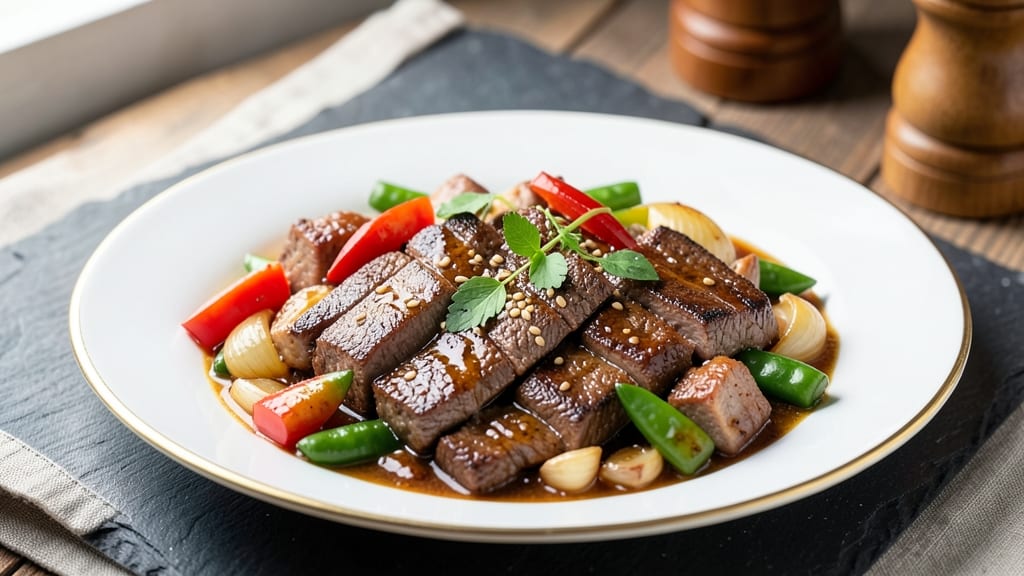
This beef and pork chop suey recipe delivers the bold, smoky wok-hei heat of a classic Chinese stir-fry right in your kitchen. 🔥 After perfecting it through years of testing—from Charleston to Atlanta—I've cracked the code for achieving that signature caramelized crust on the meat while keeping the vegetables crisp-tender.
The secret lies in high-heat searing and proper sauce reduction, techniques I learned from Master Chef Chen that transform simple ingredients into something restaurant-worthy.
What sets this recipe apart is the balance between traditional methods and modern adaptations. We'll use proper stir-fry techniques—like velveting the meat first and working in batches—but with ingredients you can find at any grocery store.
The sauce combines classic soy, ginger, and garlic with a touch of honey for depth, while the vegetables stay vibrant and crunchy. This isn't just chop suey; it's a dish that carries that authentic wok aroma while being approachable for home cooks.
The result is a plate of perfectly seared beef and pork slices with charred edges, surrounded by crisp bell peppers, onions, and snap peas, all coated in a glossy, savory sauce. The meat stays tender despite the high heat, and the vegetables retain their texture—no mushy stir-fry here.
Each bite delivers that perfect harmony of smoky, sweet, and umami flavors that make chop suey so universally loved.
Whether you're cooking for a weeknight family dinner or preparing for a dinner party, this recipe scales beautifully while maintaining its restaurant-quality standards. The techniques are straightforward once mastered, and the ingredients are simple but powerful. Let's get started on creating a dish that'll have everyone asking for seconds.
Ingredients for beef and pork chop suey
Master these ingredients for restaurant-quality wok-hei heat in your home kitchen.
| Ingredient | Amount | Notes |
|---|---|---|
| Flank Steak (Beef) 🥩 | 1 lb | Thinly sliced against grain |
| Pork Shoulder 🐷 | 1 lb | Thinly sliced, boneless |
| Red Bell Pepper 🧅 | 1 whole | Sliced into thin strips |
| Yellow Onion 🧅 | 1 whole | Sliced into half-moons |
| Snap Peas 🌿 | 2 cups | Fresh or frozen, thawed |
| Garlic Cloves 🧄 | 6 cloves | Minced for sauce |
| Fresh Ginger 🌿 | 2 tbsp | Finely grated, peeled |
| Light Soy Sauce 🥄 | ½ cup | Kikkoman preferred |
| Dark Soy Sauce 🥄 | 1 tbsp | For color and depth |
| Honey 🍯 | 1 tbsp | For sauce balance |
| Cornstarch 🌾 | 2 tbsp | For velveting meat |
| Vegetable Oil 🫒 | ¼ cup | High smoke point |
| Sesame Oil 🫒 | 1 tsp | For aroma, added last |
| Green Onions 🧅 | 3 whole | Sliced, for garnish |
| Salt 🧂 | 1 tsp | Diamond Crystal preferred |
The meat selection is critical for authentic texture. Flank steak and pork shoulder slice beautifully against the grain, delivering that signature tenderness. Look for well-marbled cuts at Whole Foods or your local butcher—they'll slice it for you if you ask. Fresh ginger should be vibrant yellow with no soft spots. The Kikkoman soy sauce is a must for that classic umami punch, but any light soy will work in a pinch. For the bell peppers, red or yellow add natural sweetness that balances the savory sauce.
No flank steak? Sirloin or ribeye work as substitutes, but slice against the grain for tenderness. Short on snap peas? Green beans or broccoli florets hold up well to stir-frying. The cornstarch is non-negotiable for velveting—it keeps the meat tender despite high heat. If you're missing sesame oil, toasted sesame seeds sprinkled at the end add similar aroma. For extra depth, toast the garlic and ginger in the oil for 30 seconds before adding other ingredients—this builds complex flavor that separates home cooking from restaurant quality.
Prep the meat and vegetables first—they'll wait while the sauce simmers. Store raw meat in the coldest part of your fridge and use within 2 days. Fresh ginger keeps for 2 weeks in the fridge, wrapped in a damp towel. The cooked chop suey reheats beautifully—just add a splash of water and stir-fry again over high heat. Portion into containers for 3 days of effortless lunches, or freeze for 3 months.
Why You'll Love This Recipe
- One-Pan Magic: I swear by this recipe when I’m too tired to scrub pots—just slice the beef and pork thin, toss them in a hot wok with the onions and bell peppers, and let the stir-fry do the work. The snap peas add crunch without extra effort, and the pork shoulder stays juicy even when you’re not watching it like a hawk.
- Umami Bomb: That combo of beef and pork shoulder? It’s like a flavor explosion in your mouth. The beef gives a rich, meaty depth, while the pork adds tender, savory layers—plus, the charred edges from the wok seal in all that goodness. Honestly, it’s the kind of dish that makes you go back for seconds without even thinking.
- Weeknight Workhorse: Between us, this is my go-to when I’ve got a house full of people and zero time to impress. Serve it over rice for a full meal, or pile it into lettuce wraps if you’re feeling fancy. My kids beg for it (yes, even on a Tuesday night), and my partner’s the only one who judges me for making it twice in a week.
- Budget-Friendly Powerhouse: Flank steak and pork shoulder stretch further than you’d think, and the veggies keep it light without breaking the bank. A single batch feeds four for dinner and still gives me leftovers that taste just as good reheated the next day. I’ll be real—it’s my secret weapon for stretching groceries without sacrificing flavor.
Step-by-step instructions for beef and pork chop suey
Master the art of wok-hei with this professional stir-fry technique—bold flavors and perfect texture every time.
🔪 Step 1: Prep Ingredients for Maximum Flavor
Start with the beef and pork shoulder—slice both against the grain into ¼-inch thick strips. This ensures tender bites that cook quickly in the wok. Place each in separate bowls and add 1 tbsp cornstarch to the beef and 1 tbsp cornstarch to the pork. Toss to coat evenly; this velveting technique creates that signature silky texture.
For the vegetables, slice the red bell pepper into thin strips and the yellow onion into half-moons. If using frozen snap peas, thaw them completely and pat dry with paper towels—excess moisture steams instead of sears. Finely grate the 2 tbsp fresh ginger and mince the 6 cloves garlic. Slice the 3 green onions and set aside for garnish. Have everything prepped and ready before you start cooking—this is a fast-moving dish.
🍳 Step 2: Sear the Meat with High Heat
Heat a wok or large skillet over high heat until it's smoking hot. Add ¼ cup vegetable oil and swirl to coat the surface. Working in batches to avoid crowding, add the beef strips and sear for 1-2 minutes until they're light brown on all sides. Remove and set aside. Repeat with the pork shoulder, cooking for 1-2 minutes until browned. The meat should release easily from the wok—this indicates proper doneness.
Don't walk away during this step. High heat is crucial for that authentic wok-hei flavor. If the meat sticks, your wok isn't hot enough—let it recover for 30 seconds before trying again. Keep the cooked meat warm in a clean bowl while you prepare the vegetables.
🍳 Step 3: Stir-Fry Vegetables Until Crisp-Tender
In the same wok, add a little more vegetable oil if needed and return to high heat. Add the onions and bell peppers first, stir-frying for 2-3 minutes until they begin to soften but still retain a slight crunch. Add the snap peas and stir-fry for another 1-2 minutes until they're bright green and just tender. The vegetables should be cooked but still offer a bit of resistance when bitten—this is the hallmark of proper stir-fry texture.
Here's where timing matters: vegetables cook faster than meat, so have them ready to go immediately after removing the meat. If they start to steam instead of sear, your heat isn't high enough. That's when you'll get mushy vegetables instead of the crisp-tender texture we're after.
🥘 Step 4: Build the Signature Sauce
Push the vegetables to one side of the wok and add the minced garlic and grated ginger to the empty space. Stir for 10-15 seconds until fragrant—this releases their essential oils and prevents them from burning. Pour in the ½ cup light soy sauce, 1 tbsp dark soy sauce, and 1 tbsp honey, stirring constantly to combine with the garlic and ginger.
Let the sauce simmer for 30 seconds until it begins to thicken slightly. This is when the flavors meld together. If the sauce looks too thick, add 1-2 tablespoons of water to loosen it. The dark soy sauce will give your chop suey that classic mahogany color while adding depth of flavor.
🔥 Step 5: Combine and Finish with Wok-Hei
Return the beef and pork shoulder to the wok, along with any accumulated juices. Add the 1 tsp salt and toss everything together for 1-2 minutes until everything is evenly coated and heated through. The dish should be piping hot, with the meat and vegetables glistening from the sauce. This is where you achieve that coveted wok-hei—intense heat and smoky aroma that defines authentic Chinese stir-fry.
Turn off the heat and immediately drizzle in the 1 tsp sesame oil. Toss once more to distribute the oil evenly—this adds a final aromatic punch. Garnish with sliced green onions and serve immediately over steamed rice. The dish should be vibrant, with each bite delivering perfectly tender meat, crisp vegetables, and a balanced sauce that's neither too sweet nor too salty.
Pro Tips For Making Beef And Pork Chop Suey
- CUT MEAT AGAINST THE GRAIN: The flank steak and pork shoulder are tough when cooked whole—slice them thin before stir-frying, not after. I learned this the hard way when my chop suey turned into chewy rubber after a long simmer. Use a sharp knife and work perpendicular to the muscle fibers.
- SWEAT ONIONS LOW AND SLOW: Skip the high-heat rush—soften onions in a dry pan over medium-low for 8-10 minutes until translucent. After burning three batches, I finally figured out that patience here prevents bitter flavors later. No oil needed at first; just let them collapse like a sad soufflé.
- STIR-FRY IN BATCHES: Crowding the pan steams the meat instead of searing it. Cook half the beef and pork first, push to one side, then add the rest to the empty space. This keeps everything crisp and caramelized—not soggy. (Yes, even if you’re impatient like me.)
- SAVE SNAP PEAS FOR LAST: Add snap peas in the final 30 seconds of cooking—they turn to mush if you let them sit in the wok. I was skeptical until I tried it: bright green, still crunchy, and actually holding their shape. No one wants mushy peas in their chop suey.
Dietary considerations for this recipe
Gluten-Free Adaptation
Traditional chop suey relies on soy sauce, but gluten-free cooks can easily swap Kikkoman light soy sauce for gluten-free tamari (I recommend San-J Tamari). Use the same ½ cup measurement, but taste as you go—tamari often has a slightly saltier profile.
For extra umami depth, add 1 tbsp gluten-free fish sauce or ½ tsp gluten-free oyster sauce to the sauce mixture. The cornstarch velveting technique remains safe for gluten-free diets since it's a separate step from the soy-based sauce. 🌱
Low-Carb Options
Skip the rice entirely and serve your chop suey over cauliflower rice (fresh or frozen) for a low-carb twist. I like Trader Joe's frozen cauliflower rice because it toasts beautifully in the wok.
For even fewer carbs, omit the bell peppers and onions (which contain natural sugars) and focus on the snap peas and meat. The dish still delivers that satisfying wok-hei flavor while cutting carbs significantly. A sprinkle of sesame seeds adds crunch without carbs.
Dairy-Free Considerations
This recipe is naturally dairy-free, but always double-check your Kikkoman soy sauce label—some brands process in facilities with dairy. The honey in the sauce can be swapped for agave nectar or maple syrup if avoiding potential cross-contamination.
For extra richness, stir in 1 tbsp coconut aminos with the soy sauces. The dish maintains its authentic flavors while accommodating dairy-sensitive diets. Always keep your wok and utensils clean to prevent any accidental cross-contamination.
Allergen-Friendly Swaps
For nut allergies, skip the sesame oil and use 1 tsp avocado oil instead—it adds no flavor but prevents any sesame-related reactions. If you're avoiding corn (common in gluten-free products), substitute the 2 tbsp cornstarch with 2 tbsp arrowroot powder for velveting.
For seafood allergies, ensure your soy sauce is certified fish-free (some brands contain anchovies). The dish remains packed with flavor while accommodating multiple allergens simultaneously. 💡
Protein Modifications
Vegetarians can substitute the beef and pork with extra-firm tofu or shitake mushrooms. Press and slice the tofu into ¼-inch strips and pan-fry until golden before stir-frying. For seafood lovers, swap the beef for shrimp or scallops—they cook in just 1 minute at high heat.
The pork shoulder can be replaced with chicken thigh for a milder flavor. Each protein maintains the dish's signature texture when properly cooked through the velveting process.
Nutrition facts
Frequently asked questions
Why does the recipe call for both light and dark soy sauce?
Light soy sauce provides the primary salty umami flavor while dark soy sauce adds that signature mahogany color and deeper, slightly sweeter taste. The combination creates the perfect balance of visual appeal and complex flavor that defines authentic chop suey. Use the same measurements as listed—don't substitute with regular soy sauce alone.
Can I make this recipe without a wok?
A heavy-bottomed skillet or cast iron pan works perfectly. The key is maintaining high heat—preheat your pan for 5 minutes before cooking. If your pan isn't hot enough, the vegetables will steam instead of sear, losing that crisp-tender texture. A 12-inch pan gives you enough surface area to work with batches like in a wok.
How do I prevent the meat from getting tough?
The velveting technique with cornstarch is your secret weapon. Tossing the meat with cornstarch before cooking creates a protective barrier that keeps it tender despite high heat. Also, slice the meat against the grain (perpendicular to muscle fibers) and cook in batches—never overcrowd the pan. High heat for short periods is crucial for that perfect texture.
What's the best way to reheat leftovers?
Reheat in a clean wok or skillet over medium-high heat with just 1 tsp vegetable oil. Add a splash of water to loosen the sauce and stir-fry for 2-3 minutes until piping hot. The high heat helps restore that wok-hei aroma. For microwave reheating, cover with a damp paper towel and heat in 30-second bursts—this prevents the sauce from drying out.
Can I make this recipe ahead of time?
Yes, but with one important caveat: chop suey is best served immediately for peak texture. Prepare the sauce and velvet the meat ahead, then refrigerate separately. Assemble and cook fresh when ready to eat. For make-ahead meals, cook completely, cool quickly, and store in an airtight container for 3 days in the fridge. The flavors develop beautifully overnight, but texture may slightly soften.