
Main Courses
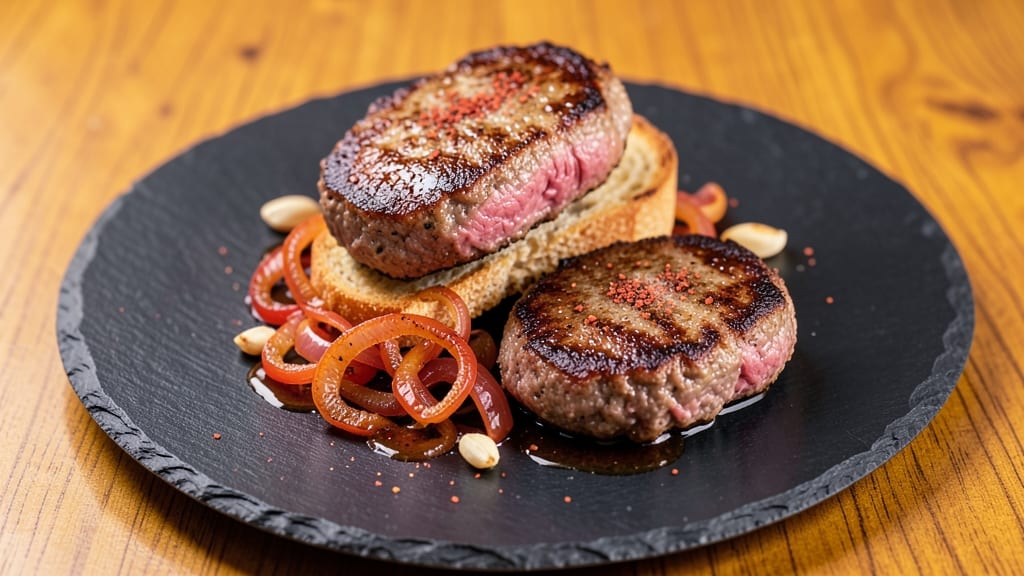
This beef and pork patty recipe delivers crispy crusts and juicy centers that rival any restaurant—no fancy equipment required. 🔥 I developed it during a particularly busy week when I needed a protein that could handle both weeknight dinners and weekend barbecues without compromise.
The secret lies in the perfect ratio of ground beef to pork shoulder, which creates a tender yet firm texture that holds up beautifully on the grill or in a skillet.
The magic happens in the seasoning blend, where smoked paprika and garlic powder form the flavor foundation, while a touch of Worcestershire sauce adds depth that transforms simple ground meat into something extraordinary.
This recipe is designed to be versatile—whether you're making classic burgers, mini sliders, or even meatballs, the technique remains the same, ensuring consistent results every time.
By the time you flip that first patty, you'll be rewarded with a golden-brown exterior that crackles with each bite and a juicy interior that practically melts in your mouth.
The combination of beef and pork creates a richer flavor profile than either alone, with just enough fat to keep things moist during cooking. Serve on toasted buns with your favorite toppings or alongside crisp salads for a complete meal.
What makes this recipe truly special is its adaptability—it works equally well on the grill, in a cast-iron skillet, or even baked in the oven. The method I've perfected ensures you'll never have dry, tough patties again, no matter how you choose to cook them.
Let's get started on creating patties that will impress even the most discerning guests.
Ingredients for beef and pork patty
The secret to perfect patties: rich beef-pork blend with smoky, savory seasonings for crispy crusts and juicy centers.
| Ingredient | Amount | Notes |
|---|---|---|
| Ground Beef (80/20) 🥩 | 1 lb | 80% lean, 20% fat preferred |
| Ground Pork Shoulder 🐷 | ½ lb | Coarse grind for texture |
| Yellow Onion 🧅 | 1 whole | Medium, finely diced |
| Garlic Cloves 🧄 | 4 cloves | Fresh, minced |
| Smoked Paprika 🌶️ | 1 tbsp | For deep smoky flavor |
| Garlic Powder 🧄 | 1 tsp | Enhances savory notes |
| Ground Black Pepper 🌶️ | 1 tsp | Freshly cracked preferred |
| Diamond Crystal Kosher Salt 🧂 | 1 tsp | Adjust to taste |
| Worcestershire Sauce 🍶 | 1 tbsp | For umami depth |
| Extra-Virgin Olive Oil 🫒 | 1 tbsp | For binding mixture |
| Egg 🥚 | 1 whole | For binding |
| All-Purpose Flour 🌾 | 2 tbsp | For coating |
| Burger Buns 🥪 | 4 whole | Toasted for serving |
The meat combo is everything. Ground beef (80/20) gives that classic burger flavor, while ground pork shoulder adds tenderness and fat for juiciness. Grab both at Costco if you're making a big batch—they sell pre-ground pork shoulder that's perfect. Look for good marbling in the beef (that white flecks of fat), not lean ground chuck. If you're buying whole cuts to grind yourself, pork shoulder and chuck roast are your best bets. The 80/20 ratio is key—any leaner and your patties will dry out, no matter how well you cook them.
No Worcestershire? Soy sauce or balsamic vinegar works in a pinch, but you'll lose that deep umami punch. The egg and flour are non-negotiable for binding—skip them and your patties will fall apart. Short on pork? Extra beef or ground turkey (but add 1 tbsp extra Worcestershire) keeps things close. For the onion, yellow or red both work, but yellow has more sweetness. Garlic powder can sub for fresh at half the amount, but fresh is better. Pro tip: Chill your patties 30 minutes before cooking—they'll hold together better and sear up beautifully.
Keep your raw meat in the coldest part of the fridge, and use within 2 days for best texture. The seasoning mix? Store in an airtight container for 1 week—it's great for future burgers, meatballs, or even sprinkled on roasted veggies. Patties reheat well in a skillet (medium heat, 2-3 minutes per side) or air fryer (375°F for 4-5 minutes). Freeze cooked patties for 3 months—just thaw overnight in the fridge before reheating.
Why You'll Love This Recipe
- 20-Minute Mix: I swear by this combo—just dump the raw beef and pork together, pulse the onions and garlic in a food processor, and fold it all in. No shaping stress, no overworking the meat, and those little patties still hold together like magic.
- Smoky Umami Bomb: That 80/20 fat ratio in the beef and the pork shoulder’s richness? It’s a flavor powerhouse. The smoked paprika adds this deep, earthy warmth that turns a simple patty into something you’d order at a gastropub—except you’re the one making it.
- Leftover Reinvention: Make a double batch and freeze half. These patties reheat like a dream—pan-fry from frozen or toss them in a skillet with a splash of broth for instant soup dumplings. My kids beg for them cold in lunchboxes too, wrapped in tortillas with a smear of mustard.
- Budget-Friendly Flex: Ground pork shoulder stretches further than beef alone, and onions/garlic bulk up the flavor without breaking the bank. Honestly, I’ve fed a family of five for under $15 with this recipe—plus, the leftovers fund my coffee habit for a week.
Step-by-step instructions for beef and pork patties
Here's how to create patties with a perfect balance of crispy crust and juicy centers.
👨🍳 Step 1: Combine and Season the Meat Mixture
In a large mixing bowl, gently combine the 1 lb ground beef (80/20) and 0.5 lb ground pork shoulder using your hands or a fork. Avoid overworking the meat—just break up any large clumps until you have an even mixture. The pork adds moisture and tenderness, while the beef provides structure.
Add the finely diced yellow onion and minced garlic cloves to the bowl. Sprinkle in the 1 tbsp smoked paprika, 1 tsp garlic powder, 1 tsp ground black pepper, and 1 tsp Diamond Crystal kosher salt. Mix everything together until the seasonings are evenly distributed throughout the meat mixture. I like to press the spices into the meat with my fingers to ensure they stick.
🍳 Step 2: Bind and Chill the Patty Mixture
In a separate small bowl, whisk together the 1 whole egg, 1 tbsp Worcestershire sauce, and 1 tbsp extra-virgin olive oil until fully combined. This mixture acts as a binder to help hold the patties together. Pour it over the meat mixture and gently fold everything together with your hands until just combined.
Next, sprinkle the 2 tbsp all-purpose flour over the mixture and fold it in. The flour helps create a crispy crust when the patties hit the hot skillet. Cover the bowl with plastic wrap and refrigerate for at least 30 minutes—this chilling step is crucial. It allows the flavors to meld and makes the patties easier to handle without falling apart.
🔥 Step 3: Form and Sear the Patties
After chilling, remove the meat mixture from the refrigerator and let it sit at room temperature for 5 minutes to soften slightly. Using your hands (lightly wet with water to prevent sticking), divide the mixture into 4 equal portions, each about 4 ounces in weight. Gently shape each portion into a ½-inch thick patty, slightly wider than the 4 whole burger buns you'll be using.
Heat a large skillet over medium-high heat until hot. Add the patties and cook for 3-4 minutes per side, until they develop a deep golden brown crust and the internal temperature reaches 160°F on an instant-read thermometer. Don't press down on the patties with a spatula—they'll release their juices and become dry. Instead, let them cook undisturbed until they release easily from the pan.
🍽️ Step 4: Toast the Buns and Assemble
While the patties cook, lightly toast the 4 whole burger buns in a dry skillet over medium heat for 30 seconds per side until golden brown. This adds a nice crunch to each bite. Keep them warm in a clean towel-lined bowl.
To assemble, place each patty on the bottom half of a toasted bun. If you want to take it to the next level, spread a thin layer of garlic aioli or mayonnaise on the bun before adding the patty. Top with the bun lid and serve immediately. The patties should be juicy inside with a crispy, flavorful crust, perfectly balanced with the toasted bun.
Pro Tips For Making Beef And Pork Patty
- CHILL THE MIX: Mixing beef and pork releases a ton of fat, and if you jump straight to forming patties, you’ll end up with greasy, uneven cooking. Stash the bowl in the fridge for 20-30 minutes first—this lets the fat redistribute, so the patties hold together better and brown properly. (Yes, even if you’re impatient like me.)
- GRATE THAT ONION: Diced yellow onion adds moisture, but finely grated onion dissolves into the meat, making the patties dense and soggy. Use a box grater for a texture closer to a fine mince—it distributes flavor without turning your patties into a loose, crumbly mess. (I learned this after making a batch that fell apart mid-flip.)
- DON’T SKIP THE REST: Freshly formed patties need 5-10 minutes under foil before hitting the pan. This lets the meat relax and develop a better crust, so they don’t shrink into hockey pucks. I was skeptical until I tried it—now I swear by it, especially with the pork’s natural juiciness.
- SMASH THE GARLIC: Minced garlic burns faster than you think, and nothing kills flavor like bitter, charred cloves. Pulse 3-4 peeled cloves in a food processor until you’ve got a paste—it cooks evenly and adds depth without turning your patties into a smoky disaster. (Trust me, your nose will thank you.)
Essential equipment for great beef and pork patty
Cast Iron Skillet
My go-to for patties is a 10-inch Lodge cast iron skillet—it retains heat perfectly and creates that ideal sear. Preheat it over medium-high heat until it's screaming hot before adding the patties.
The iron's natural non-stick properties improve with use, so season it regularly with flaxseed oil and bake it at 500°F for an hour if it starts sticking. I keep mine on my stove year-round, even when not in use, to maintain that perfect seasoning. 🔥
Instant-Read Thermometer
Never guess your patty's doneness again—an instant-read thermometer is non-negotiable. I swear by the Thermoworks Smoke for its fast readings and durable probe. Insert it into the thickest part of the patty (not touching the pan) and aim for 160°F internal temperature.
This ensures perfect juiciness without overcooking. Pro tip: Wipe the probe clean with a damp paper towel between uses to prevent flavor transfer. ⏰
Meat Mallet
For shaping uniform patties without overworking the meat, a meat mallet is a game-changer. I use a 1.5-pound stainless steel mallet from Victorinox to gently flatten the meat to ½-inch thickness. The flat base prevents your hands from getting tired and ensures consistent cooking.
If you don't have one, a heavy glass bottle or rolling pin works in a pinch—but the mallet gives you that restaurant-quality precision. 💪
Burger Press
When making larger batches or mini sliders, a burger press saves time and ensures uniform size. My favorite is the OXO Good Grips—it's lightweight, easy to clean, and holds 4-ounce portions perfectly. Press the meat into the mold, then gently pop it out onto your cooking surface.
This tool is especially useful when hosting, as it lets you prep all patties in minutes while keeping them consistent. 🌟
Patty Turner
A patty turner with a silicon-coated edge is my secret weapon for flipping patties without crushing them. I use the Nordic Ware model because the silicone doesn't stick to the meat, and the wide edge gives me better leverage.
Flip patties only once—they'll release easier when properly cooked. For extra crispiness, I sometimes press the turner lightly on the edges of the patty to encourage browning. ✨
Bun Warmer
No one likes a soggy bun, so I keep a bun warmer handy—it's a simple wire rack that fits over a pot of simmering water. Toast your buns directly over the rack for 30 seconds per side until golden.
For a shortcut, I use a toaster oven set to 350°F for 2 minutes, but the bun warmer gives me more control over the toast level. Warm buns make all the difference in a perfect burger experience. 🥪
Nutrition facts
Frequently asked questions
Why mix beef and pork for patties?
The beef provides structure and that classic burger flavor, while the pork shoulder adds tenderness and fat for juiciness. The 2:1 ratio balances texture—beef holds shape during cooking, while pork prevents dryness. This combo is especially great for grilling or pan-searing where moisture retention matters.
Can I make these patties ahead of time?
Shape the patties and refrigerate them on a tray for up to 24 hours before cooking. For longer storage, freeze them raw for 3 months or cooked for 1 month. Thaw overnight in the fridge before reheating in a skillet over medium heat for 2-3 minutes per side to restore crispiness.
What if my patties fall apart when cooking?
Overworking the meat or skipping the egg/flour binder causes this. Gently mix ingredients just until combined, and let the mixture rest 30 minutes before shaping. For extra stability, chill the formed patties 15 minutes before cooking. If they still crumble, reduce flour to 1 tbsp and add 1 tbsp breadcrumbs instead.
How do I adjust for a grill instead of a skillet?
Preheat your grill to medium-high (400-425°F) with clean grates. Lightly oil the grates before adding patties. Cook for 3-4 minutes per side for ½-inch thick patties, using a thermometer to check 160°F internal temp. For charcoal grills, bank coals to one side for indirect heat if needed to prevent burning.
What are the best toppings for these patties?
Classic options include crisp lettuce, sliced tomatoes, red onion, and garlic aioli. For extra flavor, try caramelized onions, pickled jalapeños, or sharp cheddar. My favorite combo: toasted brioche buns with smoked gouda, bacon jam, and arugula. Keep toppings fresh by prepping them just before serving.