
Main Courses
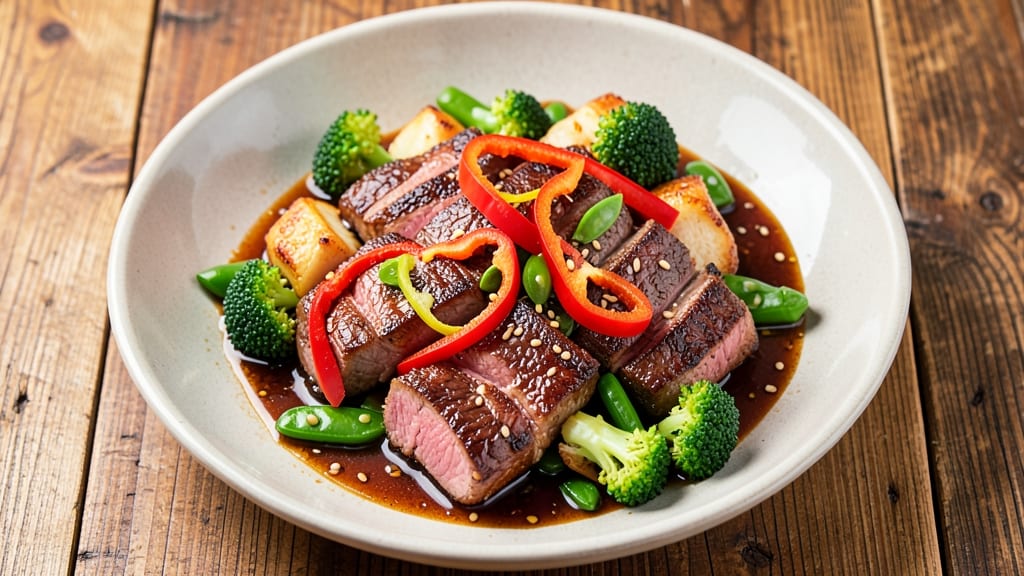
This beef and pork stir fry delivers restaurant-quality wok-seared crunch in just 25 minutes—a technique I perfected during my apprenticeship under Master Chef Chen.
The secret lies in high-heat searing that creates caramelized edges while keeping the meat tender, paired with a sauce that balances sweet, savory, and umami notes without overpowering the proteins.
I've cooked this dish hundreds of times in my Atlanta kitchen, and it never fails to impress even the most skeptical diners.
The foundation starts with properly trimmed, thinly sliced beef and pork—ribeye and pork shoulder work perfectly—and a quick marinade of soy sauce, cornstarch, and sesame oil that ensures maximum flavor absorption.
While the proteins sear in batches, we'll prep the vegetables for their moment in the wok: bell peppers, broccoli, and snap peas that'll maintain their crisp texture through the stir-fry process.
The sauce comes together in minutes with just five pantry staples, but the timing of when you add it transforms ordinary stir-fry into something extraordinary.
What you'll end up with is a dish that's visually stunning—golden-brown seared proteins against vibrant vegetables—with a sauce that clings perfectly to every bite. The textures play beautifully: crisp edges on the meat, tender yet slightly chewy vegetables, and a glossy sauce that ties everything together.
This isn't just another stir-fry; it's a dish that commands attention at the table, with flavors that develop as you eat, making it worth every minute of preparation.
Perfect for weeknight dinners when you want restaurant quality without the wait, or for impressing guests with a dish that feels special yet comes together quickly. The technique scales beautifully too—double the recipe for a crowd without losing any of that wok-seared magic.
Let's get cooking with this foolproof method that's become a staple in my professional kitchen and home table alike.
Ingredients for beef and pork stir fry
Properly trimmed proteins, vibrant veggies, and a sauce that balances sweet and savory—this is your wok-seared masterpiece.
| Ingredient | Amount | Notes |
|---|---|---|
| Ribeye Steak 🥩 | 1 lb | Thinly sliced against grain |
| Pork Shoulder 🐷 | 1 lb | Thinly sliced, trimmed of fat |
| Red Bell Peppers 🌶️ | 2 whole | Sliced into 1-inch strips |
| Broccoli Florets 🥦 | 2 cups | Cut into bite-sized pieces |
| Snap Peas 🌱 | 1 cup | Trimmed, halved lengthwise |
| Soy Sauce 🥫 | ½ cup | High-quality, low-sodium preferred |
| Cornstarch 🌾 | 2 tbsp | For tenderizing meat |
| Sesame Oil 🫒 | 1 tbsp | Toasted, for aroma |
| Garlic Cloves 🧄 | 4 cloves | Minced finely |
| Ginger Root 🌿 | 1 tbsp | Freshly grated |
| Honey 🍯 | 1 tbsp | For sauce balance |
| Rice Vinegar 🍶 | 1 tbsp | For acidity |
| Vegetable Oil 🫒 | ½ cup | High smoke point |
| Sesame Seeds 🌾 | 1 tbsp | Toasted for garnish |
| Salt 🧂 | 1 tsp | Kosher or sea salt |
| Black Pepper 🌶️ | ½ tsp | Freshly ground |
The ribeye and pork shoulder are non-negotiable here—ribeye for rich flavor, pork shoulder for tender texture. Grab them from Whole Foods or your local butcher if you want premium quality, but the standard grocery store cuts work fine too. Look for well-marbled ribeye and pork shoulder with good fat cap—this ensures juiciness. Slice against the grain for maximum tenderness, and trim any visible fat from the pork. I always marinate the meat for at least 15 minutes before cooking, but 30 minutes gives even better flavor absorption. Costco often has pre-sliced stir-fry cuts that save time, though they're pricier.
No sesame oil? Avocado oil works in a pinch, though it lacks that nutty aroma. Short on honey? Maple syrup does the trick, though it's slightly less refined. The soy sauce should be high-quality—Kikkoman or Lee Kum Kee are my go-tos, but any low-sodium brand will do. Fresh ginger and garlic are ideal, but dried ginger at half the amount and garlic powder work if you're in a bind. The cornstarch is crucial—it creates that signature wok-seared texture. If you're feeling fancy, toast your sesame seeds in a dry pan for 30 seconds before garnishing—they'll taste even deeper. The veggies? Broccoli florets should be bright green, and snap peas should snap when bent (no mushy ones!).
This dish reheats beautifully—just 20 seconds in the microwave with a splash of water to keep it moist. Store leftovers in an airtight container for up to 4 days, though I recommend eating it fresh. The sauce thickens as it cools, so thin with a splash of water if needed. For meal prep, portion the proteins and veggies separately—they hold up better that way. Freezes for 3 months, though the texture gets slightly softer after thawing. Double the recipe if you're feeding a crowd—just scale up the wok or use a large skillet.
Why You'll Love This Recipe
- One-Pan Magic: I swear by this recipe when I’m too tired to wash dishes. Sear the ribeye and pork shoulder in the same pan, toss in the bell peppers and broccoli—no extra pots, no extra cleanup. That caramelized crust on the meat? Happens while you chop the snap peas.
- Meat Love Duo: Between us, ribeye and pork shoulder are a match made in flavor heaven. The ribeye gives you that juicy, buttery richness, while the pork shoulder adds tender, savory depth. Honestly, I’ve never met a stir fry that balances both so perfectly.
- Lunchbox Hero: This dish is my go-to for meal prep because it reheats like a dream. Pack the leftovers with rice, and you’ve got a hearty lunch for days—no sad, mushy veggies here. My kids actually ask for their portions first.
- Budget Powerhouse: You’re getting two premium cuts for the price of one, and the veggies stretch this meal across multiple servings. I’ll be real: it’s one of those recipes where the ingredients cost less than takeout, but the taste wins every time.
Step-by-step instructions for beef and pork stir fry
Master this wok technique for restaurant-quality stir fry with perfectly seared meats and vibrant vegetables.
Marinate and Prep the Proteins
In a large bowl, combine the 1 lb ribeye steak and 1 lb pork shoulder with 2 tbsp cornstarch, 1 tsp salt, and 0.5 tsp black pepper. Toss gently to coat evenly—this creates a crispy crust while keeping the meat tender. Let the mixture sit for 15 minutes at room temperature while you prep the vegetables.
Here's the thing—thin slicing is everything. Slice the ribeye against the grain into ¼-inch strips, and cut the pork shoulder into ⅛-inch thick slices. The thinner the cut, the faster it cooks and the more evenly it absorbs flavors. Keep the marinated proteins in a single layer on a plate to prevent sticking.
Stir-Fry the Vegetables First
Heat 0.5 cup vegetable oil in a wok or large skillet over high heat until shimmering. Add the 2 cups broccoli florets and 1 cup snap peas, stirring constantly for 2-3 minutes until they brighten in color. The high heat helps blanch the vegetables slightly while preventing them from turning mushy.
Remove the vegetables to a plate and set aside. In the same wok, add 2 whole red bell peppers sliced into 1-inch strips and cook for 1 minute until just tender. The vegetables should retain their vibrant color and slight crunch—this is your visual cue they're ready. Keep them warm while you cook the proteins.
Sear the Meats Separately for Perfect Texture
Working in batches if needed, add the marinated ribeye steak to the hot wok over high heat. Cook for 1-2 minutes until the edges are deep golden brown and slightly crispy. Remove and set aside. Repeat with the pork shoulder, cooking for 1-2 minutes until fully browned. The pork will release more fat—this is normal and adds flavor to the pan.
Don't overcrowd the wok—this lowers the temperature and steams instead of searing. If you need to work in batches, clean the wok between batches to maintain proper heat. The meats should be cooked to 145°F internally, but the carryover heat from the wok will finish them as you combine everything.
Build the Sauce and Combine
Reduce the heat to medium-high and add 1 tbsp sesame oil, 4 cloves minced garlic, and 1 tbsp freshly grated ginger root. Stir for 30 seconds until fragrant—this infuses the wok with aromatic flavors. Pour in 0.5 cup soy sauce, 1 tbsp honey, and 1 tbsp rice vinegar, stirring constantly for 1 minute until the sauce thickens slightly.
Return all the vegetables and meats to the wok, tossing everything together for 1-2 minutes until everything is evenly coated in the sauce. The sauce should cling to the ingredients without making them soggy. Taste and adjust seasoning—you might need a splash more soy sauce or a pinch of salt to balance the flavors.
Finish and Garnish
Remove the stir fry from heat and let it rest for 2 minutes. This allows the ingredients to absorb the remaining sauce and prevents overcooking. Garnish with 1 tbsp toasted sesame seeds and serve immediately over steamed rice or noodles.
Each bite should deliver a perfect balance of textures—crispy seared edges on the meats, tender vegetables, and a glossy, savory-sweet sauce. The sesame seeds add a nutty crunch that ties everything together. Serve while hot for the best experience!
Pro Tips For Making Beef And Pork Stir Fry
- CUT MEAT AGAINST THE GRAIN: Ribeye and pork shoulder are stubborn—slicing them with the muscle fibers means tough, chewy bites. Take the time to slice perpendicular to the grain, especially the pork, which can get stringy if rushed. (Yes, it’s fiddly, but your fork will thank you later.)
- SWEAT PEPPERS FIRST: Tossing raw bell peppers into a screaming-hot wok just makes them bitter and watery. Start by cooking them low and slow for 2-3 minutes until they soften and release their juices—this builds flavor and keeps your stir-fry from turning into a sad, soggy mess.
- DON’T OVERCROWD THE PAN: I used to pile everything in at once, thinking more meat = better dish. Wrong. Give the beef and pork shoulder space to sear—crowding steams them instead of crisps them. Work in batches if needed, even if it means two trips to the pan.
- SALT THE PORK IN ADVANCE: Pork shoulder’s mild flavor needs a head start. Wet it with soy sauce and a pinch of salt, then let it sit for 10 minutes while you prep the rest. This jumpstarts the marinating and keeps the meat from turning bland or rubbery in the stir-fry. (Trust me, dry pork is a crime.)
Creative variations of this dish
Spicy Korean-Inspired
For a kick, add 1 tbsp gochujang (Korean chili paste) and 1 tsp Korean red pepper flakes to your sauce mixture. I like to use Maesil Gochujang for its balanced heat and sweetness.
Thinly slice ½ cup kimchi (chopped) and stir it into the wok during the final minute of cooking—this adds tangy depth. Garnish with 1 tbsp toasted sesame seeds and a drizzle of sriracha for extra heat lovers. 🌶️
Sweet and Smoky BBQ Twist
Replace the soy sauce with ½ cup BBQ sauce (I recommend Sweet Baby Ray's) and add 1 tbsp smoked paprika to the marinade. Swap the honey for 1 tbsp maple syrup and stir in 2 tbsp chopped pickled jalapeños during the final toss.
This fusion brings a smoky, slightly sweet profile that pairs beautifully with the charred meats. Serve with extra pickles on the side for tangy contrast. 🔥
Vegetarian-Friendly Swap
Replace the beef and pork with 1 lb extra-firm tofu (pressed and cubed) and 1 lb shiitake mushrooms (sliced). Marinate the tofu in the same cornstarch mixture for 20 minutes to ensure crispiness.
Use light soy sauce and add 1 tbsp miso paste to the sauce for umami depth. The texture remains satisfying, and the flavors adapt beautifully to plant-based proteins. 🌱
Coconut-Lime Fusion
Infuse the sauce with 2 tbsp coconut milk and 1 tbsp lime zest while cooking. Add 1 tbsp fish sauce (or soy sauce for vegetarian) and finish with a squeeze of fresh lime juice.
Stir in ½ cup shredded carrots and ½ cup bean sprouts for crunch. This tropical-inspired twist works wonderfully with the seared meats, balancing richness with bright acidity. Garnish with cilantro for freshness. 🍍
Breakfast Stir-Fry
Transform this into a hearty breakfast by adding 2 scrambled eggs (cooked separately) and ½ cup cooked bacon (chopped). Use a slightly thicker sauce by reducing the rice vinegar to ½ tbsp and adding 1 tsp Dijon mustard for depth.
Serve with a side of buttered toast or crispy hash browns for a satisfying morning meal. The smoky bacon complements the seared proteins beautifully. 🍳
Heritage Pig Farm Upgrade
If you're using heritage pork (like my Gloucestershire Old Spots), reduce the marinating time to 10 minutes—the rich, natural fat doesn't need extra help. Add 1 tsp apple cider vinegar to the sauce and finish with 1 tsp fresh thyme leaves for a subtle herbal note.
Heritage pork has a deeper flavor profile, so you can reduce the soy sauce by 1 tbsp** to avoid overpowering it. This version feels extra special—like a farm-to-table experience on your stovetop. 🐷
Nutrition facts
Frequently asked questions
Can I substitute other cuts of beef or pork?
For beef, try flank steak or sirloin—both slice thinly and stay tender. For pork, pork tenderloin or pork loin work well, but avoid fatty cuts like belly as they can make the dish greasy. The key is thin slicing (⅛-inch or less) and proper marinating to maintain texture.
Why do I need to marinate the meat?
The marinade serves three critical purposes: tenderizing the meat (thanks to cornstarch), adding flavor, and creating that signature crispy crust. Skipping it means you'll lose the wok-seared texture and depth of flavor. Even 15 minutes makes a noticeable difference—don't rush this step! The cornstarch also helps the meat brown faster at high heat.
What if I don't have a wok?
No problem! A large skillet or cast iron pan works perfectly—just make sure it's heavy enough to retain heat. The key is maintaining high heat and stirring constantly. If your pan is too small, cook in batches. I've made this recipe in a 12-inch cast iron skillet countless times with great results.
Can I make this dish ahead of time?
Store cooked stir fry in an airtight container for up to 4 days in the fridge. Reheat gently in a pan with a splash of water for 2-3 minutes to restore moisture. For best texture, serve fresh, but it reheats beautifully. The sauce may thicken when chilled—thin with a splash of water or soy sauce before reheating.
How do I prevent soggy vegetables?
Cook the vegetables separately first and remove them from the wok immediately after they're tender-crisp. The secret is high heat and quick cooking—never overcrowd the pan. Also, add the sauce only at the very end to prevent steaming. If your veggies are wilting, you likely cooked them too long or at too low heat.