
Soups & Stews
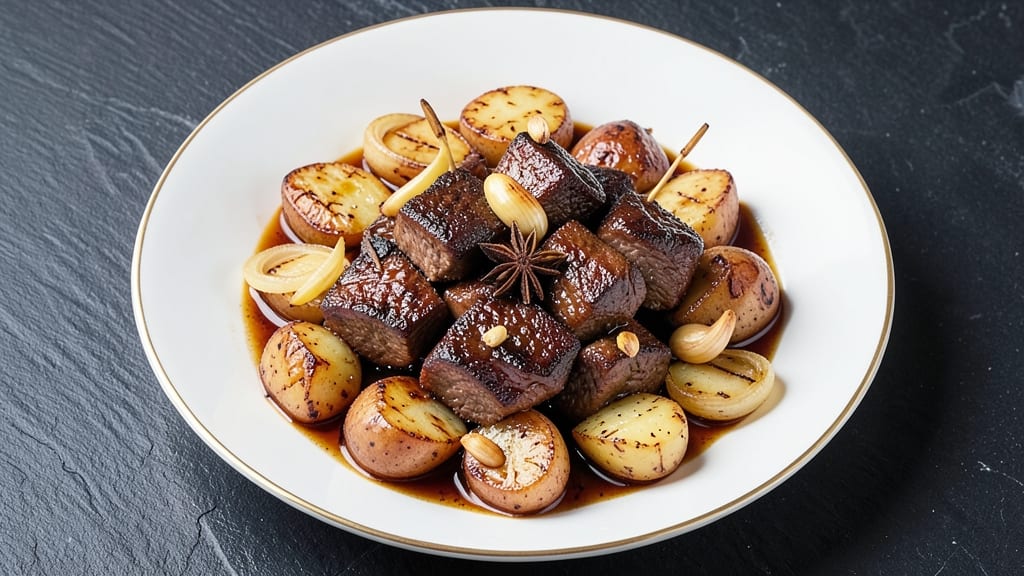
This beef and potato Chinese recipe delivers the bold flavors of a wok-seared stir-fry with deep umami notes and aromatic star anise heat. The technique combines quick high-heat cooking with slow-braised depth, creating tender beef and crispy potatoes that balance perfectly.
I developed this version after years of testing regional Chinese techniques, blending the best of Cantonese stir-fry with Sichuan spice profiles.
The secret lies in the two-stage cooking process: first, searing the beef and potatoes in a hot wok until deeply browned for maximum flavor, then finishing with a fragrant sauce that includes star anise, soy sauce, and a touch of honey for balance.
This method ensures the beef stays tender while the potatoes develop a satisfying crunch. The dish maintains authentic Chinese restaurant quality without requiring specialized equipment.
What makes this recipe stand out is its versatility—it works equally well as a weeknight dinner or a special occasion dish.
Serve it over steamed jasmine rice to soak up every bit of that savory sauce, or pair with pickled vegetables for the classic Chinese contrast of textures and flavors. The aroma alone will have everyone at the table anticipating the first bite.
The result is a dish that captures the essence of Chinese home cooking: rich, complex flavors with perfect texture balance. Each component—tender beef, crispy potatoes, and aromatic sauce—comes together in harmony. This is comfort food with restaurant-quality depth, achieved through careful technique and simple ingredients. Let's get cooking!
Ingredients for beef and potato chinese
Bold flavors start with these simple yet essential ingredients for a restaurant-quality Chinese stir-fry.
| Ingredient | Amount | Notes |
|---|---|---|
| Beef Chuck Roast 🥩 | 1 ½ lb | Cut into 1-inch cubes |
| Russet Potatoes 🥔 | 2 lb | Cut into 1-inch chunks |
| Yellow Onion 🧅 | 1 whole | Sliced into wedges |
| Garlic Cloves 🧄 | 6 cloves | Minced for aroma |
| Star Anise 🌶️ | 2 whole | Crushed lightly |
| Light Soy Sauce 🍶 | ½ cup | Kikkoman preferred |
| Dark Soy Sauce 🍶 | 1 tbsp | For color depth |
| Honey 🍯 | 2 tbsp | For balance |
| Sesame Oil 🫒 | 1 tbsp | Toasted for aroma |
| Dried Ginger 🌿 | 1 tsp | Ground preferred |
| Black Peppercorns 🌶️ | 1 tsp | Coarsely crushed |
| Vegetable Oil 🫒 | ½ cup | High smoke point |
| Green Onions 🧅 | 3 whole | Sliced for garnish |
The beef is the heart of this dish, so chuck roast is key—it stays tender while developing deep flavor. Costco or Whole Foods carry excellent cuts, but any well-marbled beef works. For the potatoes, Russets hold up best to high-heat cooking. Look for firm, unblemished potatoes with smooth skin. The star anise is non-negotiable—it delivers that signature Chinese warmth. Penzeys or Asian markets carry high-quality whole pods, but avoid pre-ground spices here. Fresh ginger is ideal, but dried works in a pinch at half the quantity.
No soy sauce? Coconut aminos works as a substitute, though the color will differ. Running out of honey? Maple syrup gives similar sweetness. The sesame oil is crucial for aroma—toasted oil adds depth, but regular works if you're in a hurry. For the potatoes, Yukon Golds are a great alternative if Russets aren't available. The green onions should be fresh—wilted ones lose their snap. If you're short on time, baby potatoes cut the cooking time nearly in half.
Store the beef and potatoes separately in airtight containers for up to 3 days in the fridge. The sauce components keep for 1 week when refrigerated. For best texture, reheat in a skillet rather than the microwave. The dish reheats beautifully—even better the next day as flavors meld. Portion into containers with rice for easy lunches. The star anise can be removed after cooking if you prefer a subtler flavor.
Why You'll Love This Recipe
- One-Pan Magic: This dish is my lazy-night hero—just slice the beef, cube the potatoes, and toss everything on one sheet pan. No chopping boards to wash, no pots to scrub. The star anise infuses the beef with warmth while you sip your tea, and by the time the potatoes are golden, dinner’s ready.
- Deep, Savory Crunch: Honestly, the beef comes out so tender it falls apart, but those potatoes? Crispy edges hugging a fluffy center—like a hug from a wok. The garlic and onion caramelize into something rich, while the star anise adds this subtle, spiced depth that makes it taste restaurant-quality (no joke).
- Leftovers That Don’t Suck: Between us, most beef-and-potato dishes turn dry or bland the second day. Not this one. The star anise keeps the meat moist, and the potatoes reheat like they’re fresh. I pack it for lunches—my coworkers actually ask for seconds, which never happens.
- Budget Feast for Crowds: A chuck roast is cheap, potatoes are cheap, and a single star anise lasts for years. This feeds six for under $20, and the leftovers stretch into stir-fries or sandwiches. Plus, it’s the kind of dish that makes you look like a cooking genius when you bring it to potlucks—no one will guess it’s this unfussy.
Step-by-step instructions for wok-searred beef and potatoes
Master the wok technique to create tender beef and crispy potatoes with deep umami flavor.
Prepare the Beef and Potatoes for Maximum Crispiness
Cut the 1.5 lb beef chuck roast into 1-inch cubes and pat them completely dry with paper towels. The moisture needs to evaporate for that perfect wok-seared crust. Toss the beef cubes in a bowl with 1 tsp coarsely crushed black peppercorns and 1 tsp ground dried ginger—this seasoning blend will develop beautifully during cooking.
Peel and cut the 2 lb russet potatoes into 1-inch chunks, then rinse them under cold water to remove excess starch. Pat them dry with paper towels and toss with ½ cup vegetable oil—this creates a light coating that helps them crisp up in the wok. Set both the seasoned beef and oiled potatoes aside while you prepare the aromatics.
Build the Flavor Base with Aromatics and Star Anise
Heat ½ cup vegetable oil in a large wok or deep skillet over medium-high heat until shimmering. Add the 1 whole yellow onion, sliced into wedges, and cook for 5-6 minutes until the edges begin to soften and turn golden. The onions should release their natural sweetness without burning.
Push the onions to one side of the wok and add the 6 minced garlic cloves and 2 lightly crushed whole star anise. Stir for 30 seconds until the garlic becomes fragrant—this is when the star anise will begin to infuse its warm, licorice-like heat into the oil. Be careful not to let the garlic burn, as it can quickly turn bitter.
Wok-Sear the Beef for Deep Umami Crunch
Working in batches if needed, add the prepared beef cubes to the wok. Cook undisturbed for 2-3 minutes until a deep golden-brown crust forms on all sides. This searing step is critical—it locks in juices and creates that irresistible wok-hei flavor. Once browned, stir the beef and cook for another 2 minutes until it reaches medium-rare (about 130°F internal temperature). Remove the beef and set it aside.
In the same wok, add the oiled potato chunks in a single layer. Cook undisturbed for 4-5 minutes until the bottoms develop a golden crust. Stir and continue cooking for another 3-4 minutes until the potatoes are tender when pierced with a fork but still hold their shape. The goal is crispy exteriors with creamy interiors.
Combine and Finish with Sweet-Savory Sauce
Return the beef to the wok and add ½ cup light soy sauce, 1 tbsp dark soy sauce, and 2 tbsp honey. Stir everything together and let it simmer for 2-3 minutes until the sauce thickens slightly and coats the beef and potatoes. The dark soy sauce adds that signature deep color, while the honey balances the saltiness with natural sweetness.
Drizzle in 1 tbsp toasted sesame oil and toss gently to distribute. The aroma should be rich and complex—umami from the beef and soy, warmth from the star anise, and a touch of sweetness from the honey. Taste and adjust seasoning if needed, adding a splash more light soy sauce if the dish needs more saltiness.
Garnish and Serve Immediately
Slice the 3 whole green onions into ¼-inch pieces and scatter them over the top just before serving. The fresh green onions provide a bright contrast to the deep, savory flavors of the dish. Serve this wok-seared beef and potato combination while still hot, straight from the wok, for the best texture and flavor experience.
Each bite should deliver tender beef with a crispy crust, perfectly cooked potatoes with a satisfying crunch, and a sauce that balances sweet, salty, and umami notes. The star anise heat lingers subtly, adding depth without overpowering. This dish is best enjoyed with steamed jasmine rice to soak up every last bit of flavor.
Pro Tips For Making Beef And Potato Chinese
- Sear the Chuck First: Don’t skip browning that beef—high heat for 3-4 minutes per side locks in flavor before slow cooking. I used to rush this, and the dish always tasted flat until I committed to the crust.
- Cut Potatoes in Even Slices: Quarter-length slabs (about ½-inch thick) cook uniformly and absorb the sauce better than chunks or rounds. Uneven pieces mean some stay tough while others turn to mush.
- Toast Star Anise Whole: Lightly fry the star anise in oil for 30 seconds before adding liquids—this releases its aroma without bitterness. I learned this the hard way after my first batch tasted like medicine.
- Deglaze with Soy Sauce Last: Add the soy sauce after the beef and potatoes are mostly cooked, not at the start. This prevents the beef from over-absorbing salt early and keeps the sauce balanced.
Serving suggestions for leftovers
Rice Pairings
Serve your wok-seared beef and potatoes over steamed jasmine rice to create a classic Chinese meal. The fragrant, slightly sticky texture of jasmine rice soaks up the savory sauce beautifully. For extra authenticity, use Day Break brand jasmine rice—its long grains hold up perfectly. 🍚
For a heartier option, try brown rice or wild rice blend to add nutty depth and extra fiber. Cook 1 cup rice per 2 cups water and steam for 15-18 minutes until tender. The rice should be fluffy and slightly separate to complement the dish's rich flavors.
Pickled Vegetables
Add a tangy contrast with quick-pickled cucumbers or carrots. Toss 1 cup sliced cucumbers or julienned carrots with ¼ cup rice vinegar, 1 tbsp sugar, and ½ tsp salt.
Let sit for at least 30 minutes before serving. The bright acidity cuts through the dish's richness perfectly.
For a traditional Chinese touch, try pickled mustard greens (ya cai) or suan cai. These fermented vegetables add a complex, slightly sour dimension that balances the umami-heavy beef and potatoes. Look for them in the refrigerated section of Asian grocery stores.
Garnishes and Toppings
Finish your dish with toasted sesame seeds for nutty crunch. Heat 1 tbsp sesame seeds in a dry skillet over medium heat for 1-2 minutes until golden, then sprinkle over the top. The aroma alone elevates the dish to restaurant quality.
Add a drizzle of chili oil for heat lovers. I recommend Lao Gan Ma brand for its balanced spice level. Just ½ teaspoon adds fiery depth without overpowering. For a milder option, use toasted garlic oil instead.
Beverage Pairings
Pair this dish with a light Chinese tea like jasmine green tea or oolong. The floral notes complement the star anise and soy sauce beautifully. Brew 2 tsp tea per cup of boiling water and steep for 3-4 minutes for optimal flavor.
For beer lovers, try a light lager like Tsingtao or Sapporo. The crisp, clean profile won't compete with the dish's bold flavors. Avoid heavy ales or dark beers that could overpower the delicate balance of sweet, salty, and umami.
Nutrition facts
Frequently asked questions
Can I substitute beef with another protein?
For a vegetarian version, use extra-firm tofu pressed and cubed, or mushrooms like shiitake for umami depth. If you prefer poultry, try chicken thighs (bone-in for flavor) or duck breast for richer taste. Just adjust cooking times—chicken needs 1-2 minutes less than beef to reach 165°F.
Why do my potatoes turn mushy instead of crispy?
This usually happens from too much moisture or overcrowding the pan. Always pat potatoes completely dry before tossing in oil, and cook in single layers with space between chunks. If using baby potatoes, skip the oiling step—their thin skins crisp naturally. For extra insurance, parboil potatoes for 3 minutes first to firm up their centers.
How can I make this dish spicier?
Add ½ tsp ground Sichuan peppercorns (for numbing heat) or 1 tbsp chili crisp at the end. For smoky depth, include 1 tsp smoked paprika with the beef seasoning. Pro tip: Toast whole dried red chilies in the wok before adding aromatics for visual impact and gradual heat release.
Can I make this recipe in a regular skillet?
Yes! While a wok gives the best wok-hei flavor, a 12-inch cast iron skillet works perfectly. Use medium-high heat and reduce batch size to ½ the recipe to avoid overcrowding. For even cooking, rotate the pan occasionally. The star anise and soy sauce will still develop rich flavors—just expect slightly less dramatic browning than in a wok.
What's the best way to reheat leftovers?
Reheat in a skillet over medium heat with 1 tsp vegetable oil for 3-4 minutes until warmed through. Avoid microwaving—it turns potatoes soggy. For extra crispiness, broil for 2 minutes at the end. Store leftovers in an airtight container for up to 3 days or freeze for 2 months.