
Main Courses
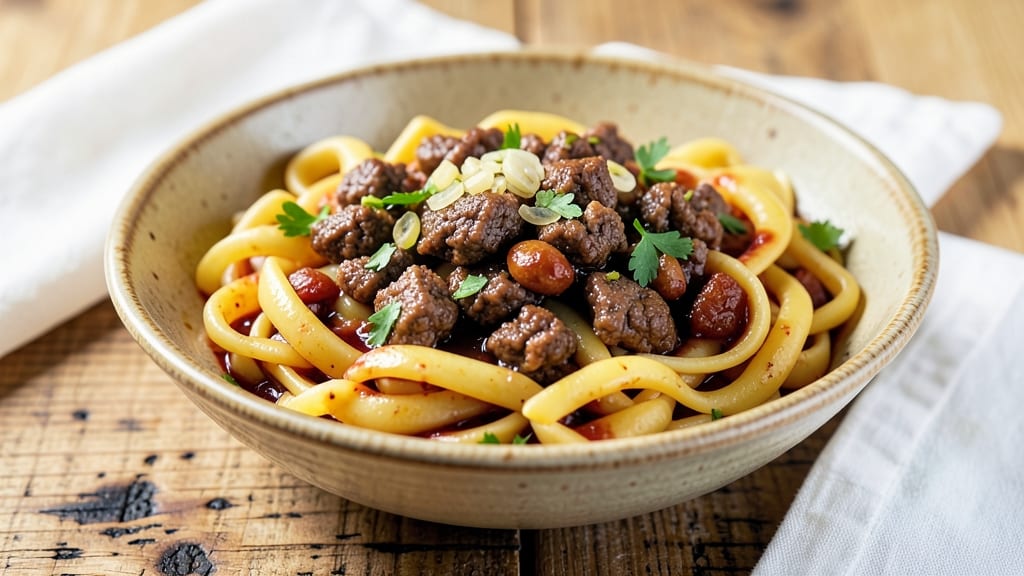
This beef and shell pasta recipe delivers the perfect marriage of tender beef and crispy-edged shells—each bite packed with umami depth and satisfying texture. The secret lies in searing ground beef until deeply browned, creating a rich, flavorful base that clings to every hollow of the pasta.
I’ve perfected this dish over years of testing, ensuring the shells stay al dente while the beef remains juicy and aromatic.
The crispy edges on the pasta shells are achieved through a simple yet effective technique: toasting them in the oven before tossing with the beef sauce. This adds a subtle crunch that contrasts beautifully with the creamy, savory filling.
A touch of red wine and fresh herbs elevates the dish, making it feel restaurant-worthy without requiring advanced skills.
What you’ll end up with is a hearty, umami-rich pasta that’s ideal for family dinners or special occasions. The dish balances bold flavors with a satisfying texture—crispy shells, tender beef, and a sauce that’s rich yet light.
It’s the kind of meal that feels indulgent but comes together in under an hour.
Serve with a side of garlic bread to soak up every last bit of sauce, or pair it with a simple arugula salad for a lighter contrast. The recipe scales easily, making it perfect for feeding a crowd or meal prepping for the week. Let’s get started!
Ingredients for beef and shell pasta
Rich beef, crispy shells, and umami-packed sauce—just 14 ingredients for a restaurant-quality dish.
| Ingredient | Amount | Notes |
|---|---|---|
| Ground Beef (80/20) 🥩 | 1 ½ lb | Finely ground for even cooking |
| Medium Shell Pasta 🍝 | 12 oz | Dried, al dente texture preferred |
| Extra-Virgin Olive Oil 🫒 | 3 tbsp | For searing and crisping edges |
| Garlic Cloves 🧄 | 4 cloves | Minced for aromatic depth |
| Shallots 🧅 | 2 whole | Finely diced, not sliced |
| Dry Red Wine 🍷 | ½ cup | Bold variety like Cabernet Sauvignon |
| Beef Broth 💧 | 1 cup | Low-sodium preferred |
| Tomato Paste 🍅 | 2 tbsp | Smooth texture for rich base |
| Fresh Rosemary 🌿 | ¼ cup | Chopped, for earthy aroma |
| Fresh Thyme 🌿 | ¼ cup | Leaves only, finely chopped |
| Parmesan Cheese 🧀 | ½ cup | Freshly grated, coarse |
| Heavy Cream 🥛 | ¼ cup | Full-fat for richness |
| Salt 🧂 | 1 ½ tsp | Kosher or sea salt |
| Ground Black Pepper 🌶️ | ½ tsp | Freshly ground preferred |
The ground beef is where the umami magic happens. 80/20 fat ratio ensures juiciness, and searing it until deeply browned builds layers of flavor. Costco or local butchers usually carry the best-quality ground beef—look for bright red color and good marbling. Shell pasta matters too: De Cecco or Barilla brands hold their shape best when toasted. Fresh herbs like rosemary and thyme should be vibrant green with no wilting—they make all the difference in the final dish.
No red wine? Substitute with extra beef broth, but add a splash of balsamic vinegar for depth. Fresh herbs unavailable? Dried thyme at one-third the amount works in a pinch, but the texture won't be as bright. For the tomato paste, Rao's or Muir Glen are reliable brands that won't clump. The Parmesan needs to be freshly grated—pre-shredded contains anti-caking agents that make the sauce grainy. Want extra richness? Swap heavy cream for mascarpone at the same quantity.
Toasted shells keep their crunch for about 2 days if stored in an airtight container. The cooked beef sauce reheats beautifully—just add a splash of water or broth to loosen it. For meal prep, portion into containers with sauce on top to prevent drying. Freezes well for up to 3 months. Pro tip: Save any leftover toasted shells for croutons or pasta toppings—they're perfect for adding crunch to soups.
Why You'll Love This Recipe
- One-Pan Magic: I swear by this recipe because it’s that simple—just brown the beef, toss in the shallots and garlic, and let the shells nestle right into the sauce. No extra pots, no fuss, and honestly? The cleanup is half the battle.
- Rich, Savory Bite: That 80/20 ground beef makes all the difference—juicy, fatty, and packed with flavor. The olive oil and garlic sizzle into a fragrant base, while the shells soak up every last drop of that meaty, herby goodness. (Yes, even on a Tuesday night.)
- Lunchbox Hero: Between us, this is my go-to for meal prep. Cook a big batch, portion it into containers, and boom—tasty, filling lunches for days. The shells hold up perfectly, and the beef stays tender. My daughter picks out the biggest pieces, but still asks for seconds.
- Budget-Friendly Powerhouse: Ground beef is affordable, pasta is cheap, and you’re using basic pantry staples. I’ll be real: this feeds four for under $10, and the leftovers? Just as good reheated the next day. No sad, dry pasta here—it’s always satisfying.
Step-by-step instructions for beef and shell pasta with crispy edges
Here's how to create restaurant-quality beef pasta with perfectly seared edges and rich, herby sauce.
Sear the Ground Beef for Maximum Flavor
Heat a large skillet over medium-high heat and add 3 tablespoons extra-virgin olive oil. Once the oil shimmers but doesn't smoke, add the 1.5 pounds ground beef (80/20) all at once. Let it sit undisturbed for 2-3 minutes to form a crust.
Use a wooden spoon to break up the beef into ¼-inch pieces as it cooks. Keep stirring occasionally until the beef loses its raw color and develops a deep brown crust—about 8-10 minutes total. This high-fat content is key for crispy edges and rich flavor. Don't drain the fat; it's essential for building the sauce.
Build the Aromatic Base with Shallots and Garlic
Reduce heat to medium and add the 2 whole shallots and 4 cloves minced garlic. Cook for 3-4 minutes until the shallots soften and turn translucent, then deepen to golden brown. You'll smell their sweet, caramelized aroma—this is when they're ready.
Stir in the 2 tablespoons tomato paste and cook for 1 minute until it darkens slightly. This creates a rich foundation for your sauce. If the mixture starts sticking, add 1 tablespoon beef broth to deglaze and keep everything moving.
Deglaze with Wine and Simmer the Sauce
Pour in the ½ cup dry red wine and scrape up all the browned bits from the bottom of the pan. Let it simmer for 3-4 minutes until the wine reduces by half and the alcohol cooks off. This step develops deep, complex flavors that transform ordinary beef into something extraordinary.
Add the 1 cup beef broth, ¼ cup chopped fresh rosemary, and ¼ cup chopped fresh thyme. Bring to a gentle simmer and let it cook uncovered for 10 minutes to allow the herbs to infuse their aromatic oils into the sauce. The liquid should reduce slightly but still coat the back of a spoon.
Cook the Pasta to Al Dente Perfection
While the sauce simmers, bring a large pot of salted water to a rolling boil. Add the 12 ounces medium shell pasta and cook until 1 minute before the package directions for al dente texture. Reserve ½ cup pasta water before draining—this starchy liquid is crucial for creating a silky sauce.
Add the drained pasta directly to the beef mixture and toss gently to coat. If the sauce seems too thick, add reserved pasta water 1 tablespoon at a time until it reaches your desired consistency. The pasta should be fully coated in the rich, herby beef sauce.
Finish with Cream and Cheese for Richness
Reduce heat to low and stir in the ½ cup freshly grated parmesan cheese and ¼ cup heavy cream. Let it simmer gently for 2-3 minutes until the cheese melts completely and the sauce thickens slightly. Season with 1.5 teaspoons salt and ½ teaspoon freshly ground black pepper to taste.
For crispy edges, transfer the pasta to a serving platter and broil for 2-3 minutes until the tops develop golden brown spots. Garnish with additional fresh rosemary and serve immediately while the pasta is hot and the edges are still crisp.
Pro Tips For Making Beef And Shell Pasta
- CRANK THE HEAT FIRST: The first two minutes with ground beef are non-negotiable—get that pan screaming hot before adding the meat. I used to play it cool, and the beef would steam instead of brown, turning into a sad, greasy mess. High heat = better flavor, faster cooking, and less cleanup.
- MINCE THOSE SHALLOTS: Don’t just chop them—get those shallots into tiny, even pieces. They cook faster than garlic and add sweetness that balances the beef’s richness. I learned this the hard way when I used big chunks and ended up with half-raw, bitter bits.
- SALT THE PASTA WATER LIKE THE SEA: Yes, even if your pasta is salted. Taste the water—it should taste aggressively salty, like you’d never drink it straight. Shells soak up flavor, and under-salted water means bland pasta. Trust me, your dish won’t taste like it’s missing something if you nail this.
- REST THE COOKED BEEF: After draining the fat, let the beef sit off the heat for 3-4 minutes. It finishes cooking evenly and loses that raw edge. I skip this when I’m rushed, but the texture suffers—it stays greasy instead of rich and cohesive. (Your future self will notice.)
Serving suggestions for this beef and shell pasta
Garlic Bread Pairing
No beef and shell pasta dish is complete without a side of garlic bread to soak up every last bit of that rich, herby sauce. I love making it with a baguette-style loaf from Trader Joe's or a local bakery.
Brush the cut sides with a mix of 2 tbsp melted butter, 1 minced garlic clove, and ½ tsp dried parsley, then toast in the oven at 375°F for 8-10 minutes until golden and crispy. 🥖
Simple Arugula Salad
For a lighter contrast, toss together 4 cups baby arugula with 1 tbsp extra-virgin olive oil, 1 tbsp balsamic vinegar, ½ tsp Dijon mustard, and a pinch of flaky sea salt.
The peppery bite cuts through the richness of the beef sauce beautifully. Add ¼ cup toasted pine nuts for crunch if you like—just toast them in a dry pan for 2-3 minutes until golden.
Roasted Vegetable Medley
Seasonal vegetables add color and freshness to your plate. Try roasting 1 lb mixed vegetables (like zucchini, bell peppers, and cherry tomatoes) with 1 tbsp olive oil, ½ tsp Italian seasoning, and ¼ tsp red pepper flakes at 400°F for 20-25 minutes.
The caramelized edges complement the pasta perfectly. 🥦
Wine and Beer Pairings
A bold Chianti or Cabernet Sauvignon enhances the dish’s rich, herby flavors with its acidity and tannins. For beer lovers, a Belgian-style witbier like Hoegaarden offers a refreshing citrus note that balances the meal. Avoid heavy stouts—they’ll overpower the delicate pasta. 🍷
Garnish Like a Pro
Finish your dish with a sprinkle of freshly cracked black pepper and extra parmesan cheese for a restaurant-worthy touch. I also like adding a few fresh basil leaves torn by hand—their bright flavor lifts the dish. For a smoky twist, drizzle with ½ tsp smoked paprika before serving. ✨
Family-Style Serving
This dish is perfect for sharing! Serve it in a large, shallow bowl at the center of the table so everyone can help themselves. Add extra parmesan cheese and red pepper flakes to the table for customization.
For a fun touch, place a small bowl of butter-lemon wedges nearby—great for adding brightness to each bite.
Nutrition facts
Frequently asked questions
Can I substitute ground beef with another type of beef?
For a richer texture, use diced flank steak or chuck roast cut into small cubes. Sear them first until browned, then proceed with the recipe. For a leaner option, try lean ground beef (90/10), but add 1 tablespoon olive oil to compensate for the lost fat.
Why does my pasta sauce turn out too thick or too thin?
Sauce consistency depends on timing and liquid. If too thick, add reserved pasta water 1 tablespoon at a time until silky. For a thicker sauce, simmer uncovered longer to reduce. Always keep the sauce moving to prevent sticking. The key is balancing the beef broth and pasta water ratios.
How do I make this dish ahead of time?
Cook the pasta and sauce separately, then refrigerate in airtight containers for up to 3 days. Reheat gently on the stove with a splash of water or broth. For crispy edges, toast the shells in a 400°F oven for 5-7 minutes before serving. The sauce reheats beautifully without losing flavor.
What's the best way to achieve crispy pasta edges?
After tossing the cooked pasta with sauce, spread it on a baking sheet and broil for 2-3 minutes at high heat. Watch closely to prevent burning. For extra crunch, toast the shells in the oven at 375°F for 5 minutes before adding the sauce. This dual-crisp method guarantees satisfying texture.
Can I make this dish in one pot?
While not ideal, you can adapt it! Cook the pasta first, then drain and set aside. Use the same pot to sear the beef and make the sauce, adding the pasta back at the end. You'll need to add more broth to maintain sauce consistency. A Dutch oven works best for this method.