
Main Courses
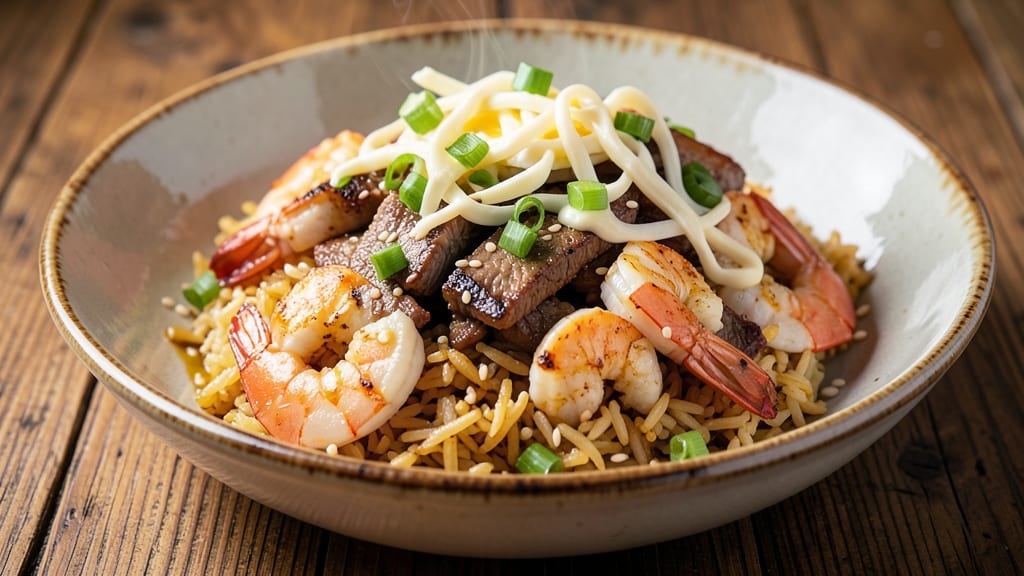
This beef and shrimp fried rice recipe delivers restaurant-quality wok hei flavor in your own kitchen—where tender beef strips and succulent shrimp meet perfectly seasoned rice in a single, high-energy toss.
The secret lies in proper rice preparation (day-old works best) and a balanced sauce that enhances rather than overpowers the natural flavors of the proteins. I've refined this recipe over countless weeknight dinners, adjusting the protein-to-rice ratio until every bite feels satisfying without being heavy.
What sets this version apart is the technique: we start with a high-heat wok to develop that signature smoky aroma, then work quickly to maintain crisp-tender textures. The shrimp cooks in just 2 minutes, while the beef gets a quick sear before joining the rice.
A simple soy-ginger-garlic sauce ties everything together, with just enough sweetness to complement the savory proteins.
By the time you're done, you'll have a plate of golden fried rice with perfectly cooked shrimp that stays tender, beef with just the right chew, and rice that's separate yet clinging together.
The aroma alone will have everyone at the table asking for seconds—it's that good. Garnish with sesame seeds and scallions for freshness and texture contrast.
This recipe works equally well as a weeknight dinner or crowd-pleasing lunch. The protein-to-rice ratio is carefully balanced so you can scale it up or down without sacrificing flavor. Ready to master this wok-tossed classic? Let's get cooking.
Ingredients for beef and shrimp fried rice
Here's what you need for restaurant-style wok-tossed beef and shrimp fried rice—where texture and flavor collide.
| Ingredient | Amount | Notes |
|---|---|---|
| Day-Old Jasmine Rice 🍚 | 4 cups | Cooked and cooled overnight |
| Boneless Beef Chuck Roast 🥩 | 1 lb | Thinly sliced against grain |
| Large Shrimp 🦐 | 1 lb | Peeled, deveined, tails on |
| Eggs 🥚 | 2 whole | Beaten for stir-fry |
| Green Onions 🧅 | ½ cup | White and green parts, chopped |
| White Sesame Seeds 🌾 | 1 tbsp | Toasted for garnish |
| Fresh Ginger 🌿 | 2 tbsp | Finely grated, peeled |
| Garlic Cloves 🧄 | 4 cloves | Minced, fresh preferred |
| Soy Sauce 🍶 | ½ cup | High-quality, light color |
| Oyster Sauce 🍶 | 2 tbsp | For depth of flavor |
| Vegetable Oil 🫒 | ½ cup | High smoke point |
| Sesame Oil 🫒 | 1 tbsp | For finishing aroma |
| Salt 🧂 | 1 tsp | Kosher or sea salt |
| Black Pepper 🌶️ | ½ tsp | Freshly ground |
| Sugar 🍚 | 1 tbsp | Balances flavors |
The rice is non-negotiable—day-old works best for that perfect chewy bite. Jasmine rice is ideal, but any long-grain holds up. Cook a big batch the night before and refrigerate uncovered to dry it out. For the beef, chuck roast gives the best texture—thinly sliced against the grain. Shrimp should be large (16/20 count) and fresh or frozen thawed quickly. I grab mine at Whole Foods or the seafood counter at Trader Joe's—look for plump, translucent tails. The ginger and garlic? Fresh only—they make all the difference in that aromatic base.
No soy sauce? Coconut aminos works in a pinch, though the flavor won't be identical. Short on oyster sauce? Hoisin sauce at half the amount adds sweetness but lacks depth. The sesame oil is for finishing—don't cook with it. Toast your sesame seeds in a dry pan for 30 seconds before adding to the rice—they'll be crunchy and aromatic. For the eggs, beat them well and cook them just until set—they should still be slightly runny when they hit the wok. Baby carrots or peas can join the mix if you want extra veggies, but keep them small so they cook quickly.
This keeps for 3 days in the fridge, but honestly, it's best the first day when everything is hot. Store in an airtight container with parchment paper between layers to prevent sticking. The rice reheats beautifully—just add a splash of water and stir over medium heat. For leftovers, I portion into containers with the sauce on top to keep everything moist. Freezes for 2 months, though the texture gets slightly softer after thawing. Garnish with extra sesame seeds and green onions right before serving—they add that restaurant-quality touch.
Why You'll Love This Recipe
- One-Pan Magic: I swear by this recipe when I’m too tired to wash a million dishes—just one wok or skillet, and you’re golden. The beef and shrimp sizzle together while the eggs scramble in the same pan, and by the time the rice gets its crispy sear, everything’s already melded into harmony. No chopping boards left sticky, no counters cluttered.
- Umami Bomb: That beef chuck roast? Slow-cooked until it’s practically falling apart, then quickly seared—it adds this deep, savory punch that turns ordinary fried rice into something special. Plus, the shrimp? Just a quick sauté with a splash of soy, and they stay juicy while adding a briny contrast. The green onions at the end? Freshness that cuts through every bite like a bright little surprise.
- Lunchbox Hero: Between us, this is my go-to for meal prep—make a big batch on Sunday, and you’ve got lunch sorted for the week. The rice stays perfectly textured even after reheating, and the shrimp and beef hold up beautifully. Pack it cold or warm it up; it’s just as good either way. (Yes, even on a Tuesday night when you’re staring at sad office salads.)
- Budget Flex: Here’s what sold me—this recipe stretches a modest ingredient list into a filling, restaurant-worthy meal. A pound of beef chuck and a bag of shrimp feed four people for under $20, and the day-old rice? That’s just my way of using up what’s left instead of tossing it. Plus, eggs and green onions are always cheap staples, so you’re basically getting gourmet for pennies.
Step-by-step instructions for beef and shrimp fried rice
Here's how to transform your day-old rice into a restaurant-quality protein-packed dish.
Prep Ingredients for Maximum Flavor
Start by slicing the 1 lb boneless beef chuck roast thinly against the grain into ¼-inch strips. This ensures tender, bite-sized pieces that cook quickly in the wok. Pat the shrimp dry with paper towels and cut them into ½-inch chunks, removing any remaining vein if needed. The drier the shrimp, the better they'll sear.
Grate the 2 tbsp fresh ginger using a microplane for fine, even distribution throughout the dish. Mince the 4 cloves garlic cloves finely - you want them almost paste-like so they blend seamlessly into the rice. Chop the 0.5 cup green onions into ½-inch pieces, separating the white and green parts if you prefer texture contrast. Toast the 1 tbsp white sesame seeds in a dry skillet over medium heat for 1-2 minutes until fragrant and golden - this adds nutty depth to your final dish.
Create the Flavor Base
Heat 0.25 cup vegetable oil in your wok or large skillet over high heat until shimmering. Add the beef strips and cook for 1-2 minutes until they lose their raw color and begin to brown. Remove the beef and set aside - it's done now, but we'll add it back later. Add the shrimp to the same pan and cook for 1-2 minutes per side until they turn pink and opaque. Remove and set aside with the beef.
In the same pan, add 0.25 cup vegetable oil and stir in the grated ginger and garlic. Cook for 30 seconds until fragrant - this should happen quickly before the garlic burns. Add 0.5 cup soy sauce, 2 tbsp oyster sauce, 1 tbsp sugar, 1 tsp salt, and 0.5 tsp black pepper. Stir constantly for 1 minute until the sauce begins to thicken slightly. This forms the flavor foundation that will infuse every bite.
Cook the Eggs and Combine Everything
Push the sauce mixture to one side of the wok and add 0.1 cup vegetable oil to the empty space. Pour in the 2 beaten eggs and scramble quickly over medium-high heat for 30 seconds until just set but still slightly runny. Immediately stir the eggs into the sauce mixture, then add the 4 cups day-old jasmine rice. Use two spatulas to break up any rice clumps and distribute the sauce evenly.
Cook for 3-4 minutes, stirring constantly, until the rice is heated through and begins to develop a slightly crispy texture on the edges. Add the reserved beef and shrimp back to the wok, tossing everything together for another 1-2 minutes until everything is evenly coated and heated through. The rice should be hot throughout with no cold spots - this is where your day-old rice truly shines, absorbing all those incredible flavors.
Finish with Sesame Oil and Garnish
Remove the wok from heat and drizzle in 1 tbsp sesame oil. Toss everything together one final time to distribute the oil evenly - this adds that signature aromatic finish that takes the dish to the next level. Taste and adjust seasoning if needed, adding a splash more soy sauce if the rice needs more umami depth.
Transfer the fried rice to serving plates and garnish with the toasted 1 tbsp white sesame seeds and chopped 0.5 cup green onions. Serve immediately while hot - the contrast of textures between the crispy edges, tender shrimp, and juicy beef makes this dish truly special. The secret to perfect fried rice? Day-old rice, high heat, and constant movement in the wok.
Pro Tips For Making Beef And Shrimp Fried Rice
- PREP SHRIMP LAST MINUTE: I learned this the hard way—peeling shrimp too early makes them rubbery. Keep them shelled but leave the tail on until you’re ready to toss them in the pan, then peel and devein right before cooking. That last-minute prep keeps them tender and bright.
- CUT BEEF THIN AND TALL: Thin slices cook faster, but if you go too wide, they’ll curl into little boats. Aim for ¼-inch thick strips, about 2 inches long—this way, they sear evenly without overcooking. (Yes, even if your knife skills aren’t perfect.)
- SCRAMBLE EGGS SEPARATELY: Dumping raw eggs into the rice pan just makes a mess. Scramble them in a small bowl with a splash of water first, then slide them in when the rice is almost done. They’ll stay fluffy instead of turning into a sad, greasy clump.
- USE COLD RICE, NOT DRY: Day-old rice is your friend, but cold and slightly sticky is the goal. Spread it on a tray to cool faster, then break up any clumps with your hands—no chopping, just gentle separation. This keeps the texture light, not gummy.
Dietary considerations for this dish
Pescatarian Adaptations
Since this recipe already includes shrimp, it’s naturally pescatarian-friendly! Simply omit the 1 lb beef chuck roast and double the shrimp to 2 lbs for a seafood-focused dish. Use the same marinade (soy-ginger-garlic) but reduce the beef cooking time to 1 minute per side for the extra shrimp.
For extra umami, add 1 tbsp fish sauce to the sauce base—it blends seamlessly with the shrimp’s natural sweetness. 🦐
Gluten-Free Swaps
Traditional soy sauce contains gluten, so replace the ½ cup soy sauce with ½ cup gluten-free tamari or ½ cup coconut aminos (though the flavor will be slightly lighter).
For oyster sauce, use 2 tbsp gluten-free oyster sauce (check labels—many brands are now gluten-free) or swap it for 2 tbsp gluten-free hoisin sauce. The texture and flavor will stay rich, just with a slightly different depth. Always verify labels, as cross-contamination is possible. ✨
Low-Sodium Options
If you’re watching sodium, reduce the 1 tsp salt to ½ tsp and use low-sodium soy sauce (or a mix of regular and low-sodium). Boost flavor with extra fresh ginger (3 tbsp total) and garlic (5 cloves)—their natural brightness enhances the dish without extra salt.
For the shrimp, rinse them thoroughly after thawing to remove excess brine. The beef can also be trimmed of visible fat to cut back on sodium naturally. 💡
Allergen-Free Adjustments
For nut allergies, skip the sesame seeds and sesame oil—opt for toasted pumpkin seeds instead for garnish. If eggs are a concern, omit them entirely (though they add texture, the dish will still be flavorful).
For shellfish allergies, replace shrimp with chicken or tofu (use ½ lb firm tofu, pressed and cubed). Always cook tofu thoroughly to ensure safety. Double-check all sauces (like oyster sauce) for hidden allergens. 🌟
Keto-Friendly Tweaks
This recipe isn’t traditionally keto, but you can adapt it! Replace the 4 cups jasmine rice with 4 cups cauliflower rice (fresh or frozen, thawed and drained).
Keep the protein ratio the same but reduce the sauce slightly—¼ cup soy sauce + 1 tbsp oyster sauce—to avoid excess carbs. Add 1 tbsp xanthan gum to the cauliflower rice before cooking to improve texture.
Garnish with extra green onions and a drizzle of chili oil for heat. 🔥
Nutrition facts
Frequently asked questions
Why does the recipe specify day-old rice?
Day-old rice is crucial because it's drier and separates more easily when stir-fried, preventing a mushy texture. Freshly cooked rice contains too much moisture, which steams the rice instead of crisping it. Spread your rice on a tray uncovered in the fridge overnight for best results.
Can I use frozen shrimp instead of fresh?
Yes, but thaw them properly first! Place frozen shrimp in a bowl of cold water for 10-15 minutes until they float, then pat completely dry with paper towels. Never microwave or use warm water—this causes uneven cooking. The shrimp should be fully thawed and dry before cooking to get that perfect sear.
What's the best way to adjust this for a larger crowd?
Scale everything up by 25% for each additional serving. Double-check your wok or skillet size—you'll need at least a 14-inch wok for 8 servings. Cook proteins in batches if needed, keeping them warm in a 200°F oven while finishing the rice. The key is maintaining high heat throughout the process.
My fried rice turned out too saucy—how can I fix it?
If the rice is too wet, spread it on a baking sheet and bake at 350°F for 10-15 minutes to evaporate excess moisture. For future attempts, reduce the sauce by 1 tbsp soy sauce + 1 tsp oyster sauce or add ½ cup extra rice to absorb the liquid. Stir-fry in smaller batches if your pan is too large.
Can I make this ahead of time?
Yes! Cooked fried rice reheats beautifully. Store in an airtight container for up to 3 days in the fridge. Reheat in a skillet over medium heat with a splash of water, stirring constantly. For best texture, add fresh sesame seeds and green onions right before serving to maintain that restaurant-fresh quality.