
Soups & Stews
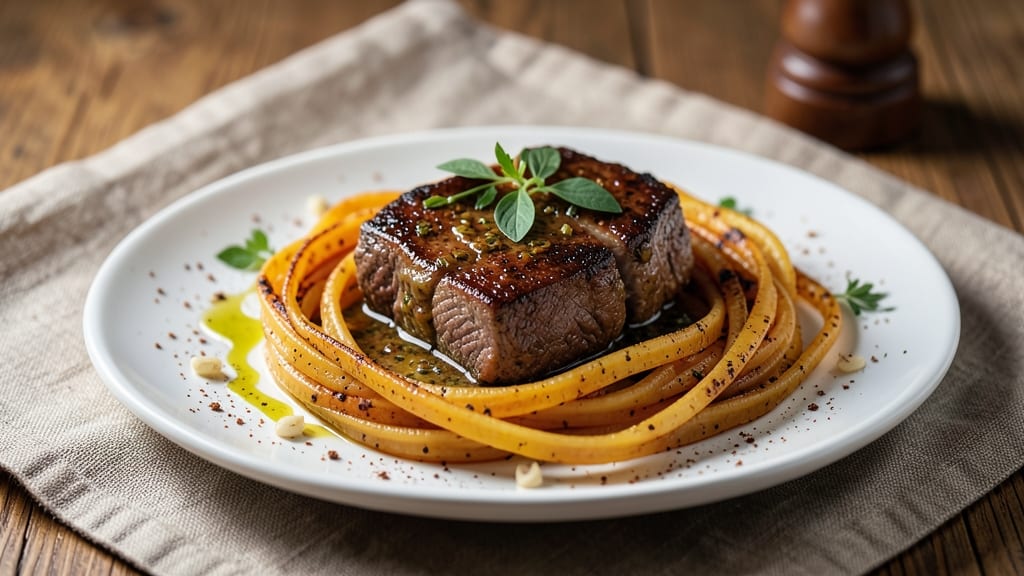
This beef and spaghetti squash recipe transforms a classic comfort meal into a lighter, equally satisfying dish that's surprisingly simple to master. The tender strands of roasted spaghetti squash replace traditional pasta, while perfectly seasoned beef adds hearty substance—creating a balanced meal that feels indulgent yet nutritious.
I developed this recipe after realizing how often we crave pasta's texture without the heavy carbs, and the solution was right in my kitchen.
The key lies in proper seasoning and cooking techniques: searing or slow-cooking the beef until it's fork-tender while roasting the spaghetti squash until its natural sweetness caramelizes just enough to complement the savory meat.
What makes this recipe work is the harmony between components—no heavy sauces needed, just the natural flavors enhanced by simple seasonings like garlic, onion powder, and a touch of smoked paprika. The result is a dish that's restaurant-quality yet comes together in under an hour.
By the time you're done, you'll have a plate featuring perfectly cooked beef alongside tender spaghetti squash strands that hold their shape beautifully. The dish serves as a complete meal—no sides required—though a sprinkle of fresh parsley or a drizzle of olive oil can elevate it further.
It's the kind of recipe that satisfies cravings while keeping things light, making it perfect for weeknight dinners or meal prep.
Whether you're using steak, ground beef, or roast, the technique remains the same—just adjust cooking times accordingly. The spaghetti squash roasts while you cook the beef, so everything comes together at the same time.
This recipe proves that healthy eating doesn't mean sacrificing flavor or texture, and it's become a staple in my rotation for its versatility and ease.
Ingredients for beef and spaghetti squash
Nine simple ingredients transform classic comfort into a lighter, equally satisfying beef and spaghetti squash masterpiece.
| Ingredient | Amount | Notes |
|---|---|---|
| Spaghetti Squash 🍠 | 1 whole | Medium size, halved lengthwise |
| Beef Chuck Roast 🥩 | 1 ½ lb | Pre-cubed or cut into 1-inch pieces |
| Extra-Virgin Olive Oil 🫒 | ¼ cup | For roasting and searing |
| Garlic Cloves 🧄 | 4 cloves | Minced for seasoning |
| Onion Powder 🧅 | 1 tbsp | For depth of flavor |
| Smoked Paprika 🌶️ | 1 tsp | For subtle smokiness |
| Ground Black Pepper 🌶️ | 1 tsp | Freshly cracked for best flavor |
| Kosher Salt 🧂 | 1 ½ tsp | Diamond Crystal preferred |
| Fresh Parsley 🌿 | ¼ cup | Chopped for garnish |
| Red Wine 🍷 | ½ cup | Bold Cabernet Sauvignon preferred |
| Beef Broth 💧 | ½ cup | Low-sodium preferred |
| Tomato Paste 🍅 | 1 tbsp | For richness |
| Balsamic Vinegar 🍶 | 1 tbsp | For acidity balance |
| Fresh Rosemary 🌿 | 1 tbsp | Chopped, for aroma |
The spaghetti squash is the star here—look for medium-sized ones with smooth skin and no soft spots. Trader Joe's and Whole Foods usually carry the best quality, but any grocery store will do. For the beef, chuck roast is ideal—it stays tender while roasting, unlike leaner cuts that can dry out. Pre-cut pieces save time, but if you're buying a whole roast, cube it yourself for even cooking. The squash should roast until tender but not mushy—about 40 minutes at 400°F—so plan ahead and start it first.
No red wine? Beef broth with extra balsamic vinegar works perfectly—just add an extra tablespoon of vinegar to mimic the acidity. Fresh rosemary is ideal, but dried works at one-third the amount. The tomato paste can be skipped if you're avoiding carbs, but it adds a deep umami richness that balances the dish. For a quicker prep, pre-minced garlic from the jar saves time, though fresh is always better. If you're using ground beef instead of roast, brown it first to develop flavor before adding liquids.
Roasted spaghetti squash keeps well in the fridge for 4 days, though it's best eaten within 2 days for optimal texture. The beef reheats beautifully—just warm with a splash of broth to keep it moist. For meal prep, store components separately and assemble when ready to eat. The squash strands soften further when reheated, so they're perfect for quick lunches. If you have leftovers, freeze the beef in portions—it thaws and reheats like a dream, ready for sandwiches or salads later in the week.
Why You'll Love This Recipe
- One-Pan Magic: I swear by this trick—just roast the squash and beef together. No chopping, no extra pots, and the garlic-infused olive oil ties everything together while you’re busy with the kids or scrolling through your phone.
- Rich, Savory Crunch: That beef chuck roast? It gets so tender it falls apart, but the squash strands hold their shape—like a cross between lasagna and a hearty stew. Honestly, the onion powder and garlic make the whole dish sing without needing fancy seasoning.
- Meal Prep MVP: Between us, this is my go-to for busy nights. The squash roasts while the beef simmers, and leftovers reheat beautifully—perfect for lunches or when you just don’t feel like cooking. (Yes, even on a Tuesday night.)
- Budget-Friendly Feast: Spaghetti squash is cheaper than pasta, and chuck roast stretches further than you’d think. I’ll be real: it’s the kind of meal where you end up with seconds, but your wallet stays happy. Plus, it feels fancy without breaking the bank.
Step-by-step instructions for beef and spaghetti squash with rich red wine sauce
This hearty dish transforms humble ingredients into a restaurant-worthy meal with minimal effort.
Roast the Spaghetti Squash Until Tender
Preheat your oven to 400°F. Cut the whole spaghetti squash lengthwise and scoop out the seeds, leaving the skin intact. Place the halves cut-side down on a parchment-lined baking sheet. Drizzle with 2 tablespoons of the extra-virgin olive oil and sprinkle with ½ teaspoon of the kosher salt. Roast for 35-40 minutes until the skin is golden brown and a fork slides in easily.
Here's the thing—roasting the squash whole preserves its natural sweetness better than microwaving or boiling. When done, let it cool for 10 minutes before scraping the flesh into strands with a fork. The strands should resemble fettuccine, ready to soak up our rich beef sauce.
Sear the Beef Chuck Roast in Batches
Heat 1 tablespoon of the extra-virgin olive oil in a large skillet over medium-high heat. Add half of the beef chuck roast pieces and sear for 3-4 minutes until browned on all sides. Remove and set aside, then repeat with the remaining beef. You want deep caramelization here—this builds flavor that'll carry through the entire dish.
Don't overcrowd the pan or the beef will steam instead of sear. If your skillet gets too crowded, work in two batches. Once all the beef is browned, transfer it to a plate and set aside. The residual heat will keep it warm while you build the sauce.
Build the Red Wine Reduction Sauce
In the same skillet, reduce heat to medium and add the minced garlic cloves. Sauté for 30 seconds until fragrant but not browned—burnt garlic turns bitter. Add the onion powder, smoked paprika, remaining 1 teaspoon kosher salt, and ground black pepper, stirring to combine.
Pour in the ½ cup red wine and scrape up any browned bits from the bottom of the pan. This deglazing step captures all the meaty flavors you just seared. Let the wine simmer for 3-4 minutes until reduced by half. Then stir in the beef broth, tomato paste, balsamic vinegar, and chopped fresh rosemary. Simmer for another 5 minutes until the sauce thickens slightly.
Combine and Finish the Dish
Return the seared beef to the skillet with any accumulated juices. Add the scraped spaghetti squash strands and toss gently to coat everything in the sauce. The squash will absorb the flavors beautifully while warming through. Simmer for 3-4 minutes until the squash is heated through and the sauce clings to both the beef and squash.
Here's where the magic happens: the natural sweetness of the spaghetti squash balances the rich, savory beef sauce. Taste and adjust seasoning if needed—you might want to add a pinch more salt or a splash of water to loosen the sauce if it's too thick.
Garnish and Serve Immediately
Transfer the beef and spaghetti squash to serving plates. Garnish with chopped fresh parsley and an extra sprinkle of black pepper. The bright green parsley provides a fresh contrast to the deep red sauce and golden beef. Serve immediately while the squash is still warm and tender.
This dish delivers all the comfort of a classic beef pasta without the carb overload. The spaghetti squash holds its shape beautifully while soaking up the rich sauce, and the beef remains tender with just enough chew. It's the perfect balance of hearty and light—ideal for a weeknight dinner that feels special.
Pro Tips For Making Beef And Spaghetti Squash
- Roast Squash Face-Down: Cut the spaghetti squash in half lengthwise, scoop out the seeds, then place it cut-side down on your baking sheet. This keeps the flesh from turning to mush—no more sad, waterlogged strands. (Yes, it looks weird, but it works.)
- Brown the Chuck First: Don’t skip searing the beef chuck—high heat for 3-4 minutes per side builds flavor that slow cooking alone can’t match. Use a cast-iron skillet and don’t crowd the meat, or you’ll steam it instead of brown it.
- Salt the Squash Early: Sprinkle the cut squash halves with salt and olive oil right after slicing, then let them sit for 10 minutes. This pulls out excess moisture so they roast crisp rather than soggy—no more gummy strands when you scrape them.
- Braise the Beef Low: After searing, add just enough liquid (broth or water) to come halfway up the chuck, then cover and simmer at 300°F (150°C) for 2.5–3 hours. Low and slow keeps the meat fork-tender without drying it out—no more rubbery bites.
Flavor customization for these flavors
Spicy Kick Options
For heat lovers, add ½ teaspoon of cayenne pepper or 1 teaspoon of crushed red pepper flakes directly to the beef while searing. This brings a bold, smoky heat that pairs perfectly with the squash's natural sweetness.
If you prefer a milder kick, try ½ teaspoon of smoked chipotle powder in the sauce for depth without overwhelming spice. 🌶️
Herb Variations
Swap out rosemary for thyme or oregano to change the flavor profile entirely. Fresh thyme adds a floral note that works beautifully with the red wine, while oregano gives a Mediterranean twist.
For a brighter finish, add 1 tablespoon of fresh basil at the end—it pairs surprisingly well with the beef's richness.
Umami Boosters
Enhance the dish's depth by adding 1 tablespoon of soy sauce or 1 teaspoon of fish sauce to the sauce. These ingredients amplify the beef's savory notes without overpowering the squash. For a vegetarian-friendly boost, stir in 1 tablespoon of miso paste when building the sauce—it adds complexity without meat.
Sweet-Tangy Balance
Brighten the dish with 1 tablespoon of honey or 1 teaspoon of maple syrup in the sauce. This balances the acidity of the balsamic vinegar and complements the squash's natural sweetness.
For a tropical twist, add ½ teaspoon of grated ginger when sautéing the garlic—it adds a zesty warmth that cuts through the richness.
Cheesy Finish
Top the dish with ¼ cup of shredded Parmesan cheese or crumbled feta for a creamy contrast. The salty, tangy cheese pairs wonderfully with the beef and squash, adding a restaurant-quality finish. For a lighter option, use nutritional yeast—it provides a cheesy flavor without dairy.
Global Flavor Twists
Transform this into a Mexican-inspired dish by adding 1 teaspoon of cumin and ½ teaspoon of cinnamon to the beef. Serve with a side of avocado slices and lime wedges for a fresh contrast.
For an Italian twist, replace the red wine with white wine and add sun-dried tomatoes to the sauce—it brings a sun-kissed brightness to the dish. ✨
Nutrition facts
Frequently asked questions
Can I substitute ground beef for chuck roast in this recipe?
Yes, you can use 1 pound of ground beef instead of chuck roast, but there are a few adjustments. Brown the ground beef thoroughly in a skillet first to remove excess fat, then proceed with the sauce as directed. The texture will be slightly different—ground beef will be more tender and finely textured—but the flavors will still shine.
How do I know when spaghetti squash is fully cooked?
The squash is done when a fork slides in easily with minimal resistance and the skin turns golden brown. 35-40 minutes at 400°F is ideal, but check at 30 minutes if your oven runs hot. The flesh should be tender but still hold its shape when scraped into strands. Overcooking makes it mushy, so keep an eye on it!
What if I don't have red wine? Can I still make this dish?
Use ½ cup beef broth plus 1 extra tablespoon of balsamic vinegar to mimic the acidity and depth of red wine. For extra richness, add 1 teaspoon of soy sauce or ½ teaspoon of Worcestershire sauce. The dish will still be delicious—just slightly less complex.
Can I make this ahead of time for meal prep?
Yes, but store the components separately. Roast the spaghetti squash and cook the beef sauce up to 2 days ahead, then refrigerate. Reheat the beef and sauce together, then toss with the squash strands just before serving. The squash reheats beautifully and absorbs flavors well. For longer storage, freeze the beef sauce for up to 3 months.
Why does my spaghetti squash turn out mushy?
Overcooking is the most common cause. Once the squash is tender enough to pierce with a fork, remove it immediately. Also, avoid cutting it into pieces—roasting whole preserves its structure. If you prefer pre-cut squash, reduce cooking time by 5-10 minutes and check frequently.